





George III Silver Bowl
These george iii silver bowl pieces span sugar bowls, sweetmeat vessels, and baskets formed during the Georgian era.
George III Silver Bowl
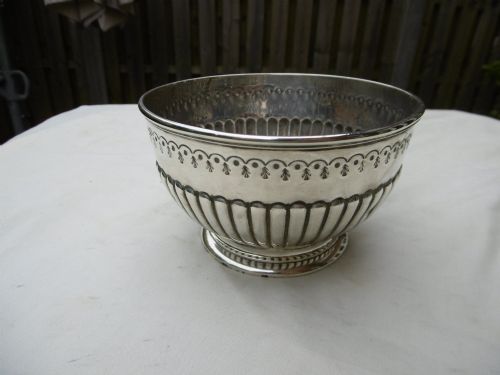
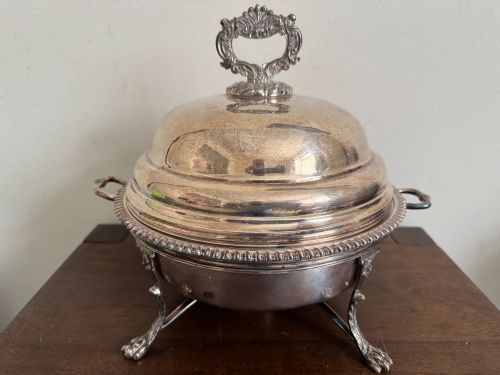
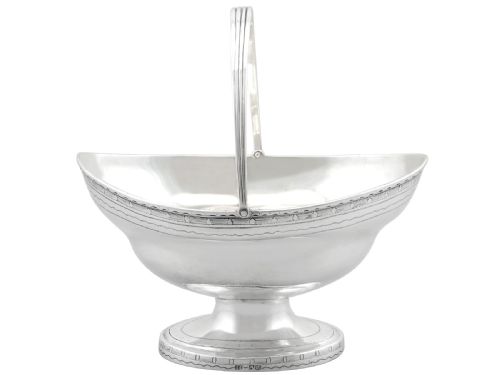
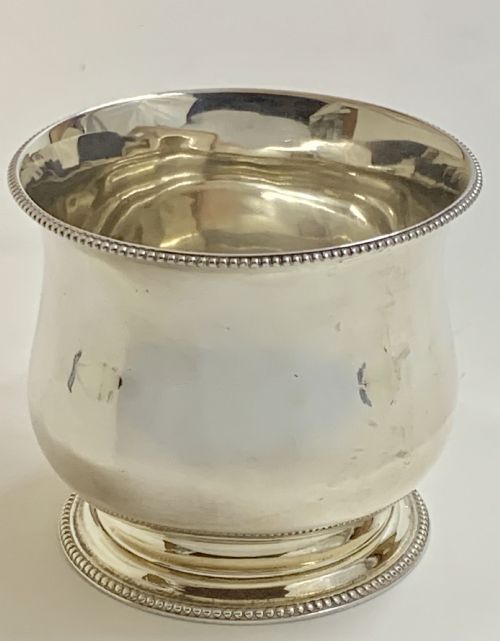
A george iii silver bowl encompasses hollowware designed for sugar, sweetmeats, and table service during the Georgian period. Pieces range from open sugar bowls and twin-handled bonbon baskets to complex supper dishes and tureens.
The objects frequently incorporate glass liners, silver gilt finishes, or wooden elements, reflecting the refined dining practices of the late eighteenth and early nineteenth centuries. Scottish and Irish regional variations appear alongside London-made examples.
Sugar bowls and sweetmeat vessels dominate the selection, often accompanied by matching ladles, spoons, and serving dishes created by prominent silversmiths of the era.
How they were made
Silversmiths shaped sterling silver through hammering, casting, and piercing techniques, creating intricate lattice patterns on baskets and smooth surfaces for bowls. Silver gilt finishes added rich interior colouring to salt cellars and sweetmeat vessels.
Makers integrated materials such as blue glass liners, horn, whalebone handles, and wood components to complement the silver framework. Engraved crests and chased decoration completed the surface ornamentation.
Listings feature sterling silver, glass, horn, whalebone, and wood across Georgian sugar baskets, soup ladles, toddy ladles, and tea sets.
What varies in quality
The distinction between standard domestic silver and superior examples lies in the crispness of pierced gallery work, the weight of the metal, and the presence of original components like cobalt glass liners. Master silversmiths executed handles, feet, and borders with sharper definition and balance.
Makers marks, town marks, and date letters stamped into the silver provide clear evidence of provenance and assay office standards. Pieces retaining clear hallmarks and crisp engraved crests command greater interest from collectors.
Peter and William Bateman·Aldridge and Green·John McDonald·Michael Smith·Benjamin Smith·John Walton·William Bennett·Walter Brind·Robert Hennell I and David Hennell II
The George III Silver Bowl Glossary
- Sterling silver
- An alloy containing a high proportion of pure silver, standard for British plate throughout the Georgian period. It provides durability for functional tableware.
- Silver gilt
- Silver covered with a thin layer of gold, often applied to the interior of sugar bowls and sweetmeat baskets. This technique protected the silver from corrosive foodstuffs.
- Sweetmeat
- A small confection or sweet delicacy served during dessert courses from specialised bowls and baskets. These vessels frequently feature pierced or embossed decoration.
- Tureen
- A large deep bowl with a cover, used for serving soup or vegetables at formal dinners. George III examples often rest upon matching lampstands.
- Assay office
- An official body responsible for testing the purity of precious metals and stamping items with hallmarks. London, Dublin, Edinburgh, and Newcastle offices appear on these pieces.
George III Silver Bowl: Frequently Asked Questions
Are these bowls safe for food?
Sterling silver is non-toxic and suitable for serving dry foods, sugar, and wrapped sweets. Modern acidic foods should not be left in silver vessels for extended periods.
Pieces with original blue glass liners can safely hold moist sweetmeats or sugar without direct contact between the food and the silver.
How can I date a George III bowl?
Examine the hallmarks stamped on the base or rim, which include a maker's mark, a lion passant indicating sterling standard, a leopard head or city mark, and a date letter. Each assay office used distinct cycles of letters for specific years.
Stylistic shifts also help narrow the date, as earlier pieces often feature pierced rococo designs while later nineteenth-century examples display neoclassical restraint.
What is a sweetmeat bowl?
A sweetmeat bowl is a small decorative vessel designed to hold sugary preserves, nuts, or small confectioneries during dessert courses. They frequently feature swing handles and pierced galleries.
These pieces often came paired with specialised sifter spoons or found themselves accompanied by glass liners to contain sticky contents.