


Silver Table Sugar Basin
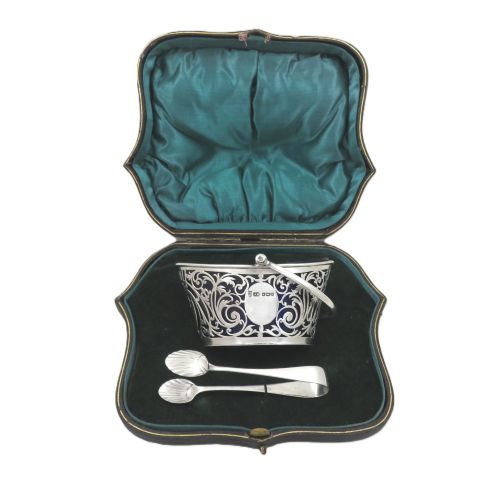
A silver table sugar basin sits ready for tea, offering refined service through polished sterling metal and bright coloured glass.
Silver Table Sugar Basin
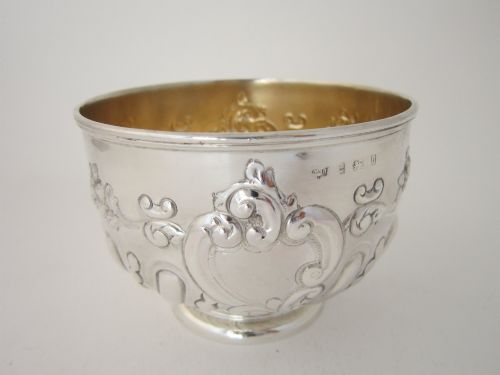
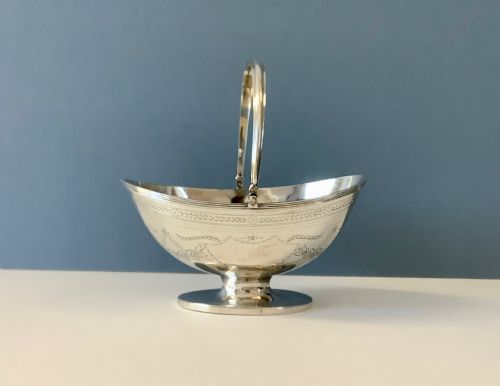
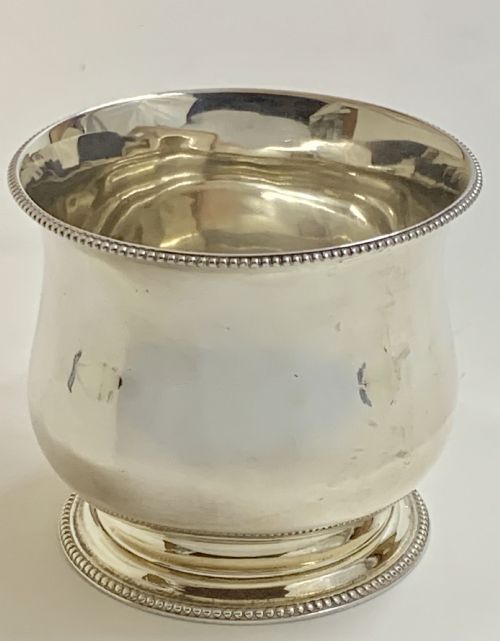
A silver table sugar basin combines precious metal work with functional tableware, taking forms such as baskets, bowls, and dishes. These vessels appear across multiple eras, ranging from Georgian Rococo and Victorian designs to Edwardian, Arts and Crafts, and mid-century modern pieces.
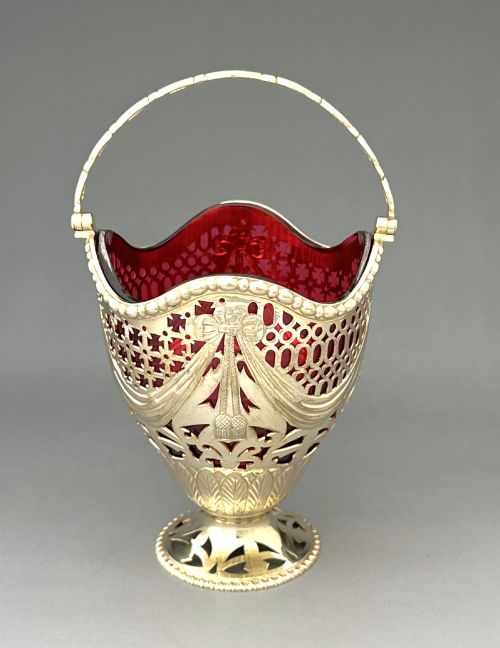
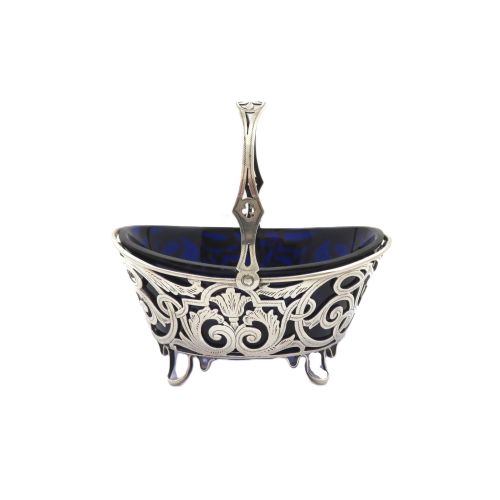
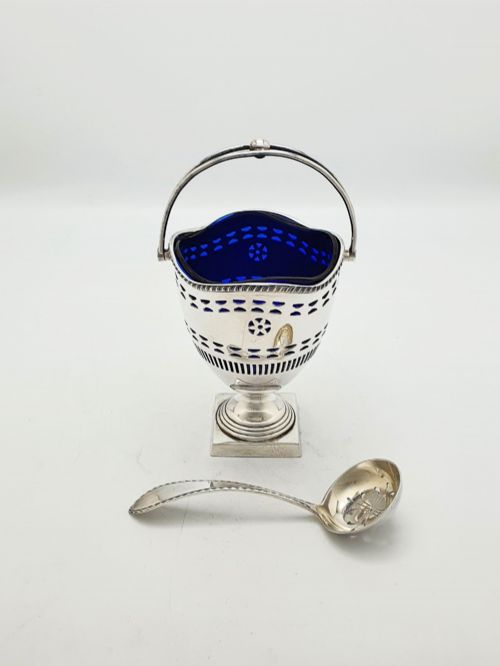
Buyers commonly encounter open bowls alongside handled baskets fitted with contrasting glass liners in cobalt, cranberry, or ruby hues. The selection spans standard sterling silver, silver-gilt finishes, and silver plate variations produced by domestic workshops.
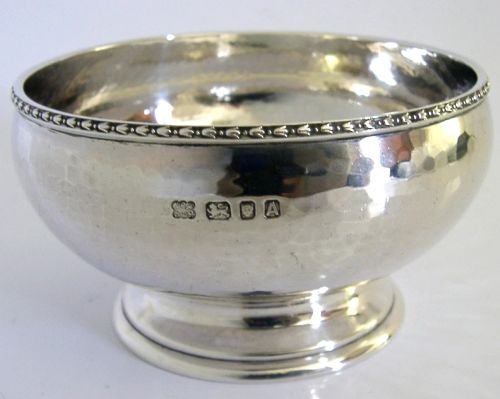
Origins stretch from eighteenth-century English and Irish workshops up through twentieth-century commemoratives. Each piece reflects the prevailing dining customs of its specific decade, from heavy Georgian cast work to hammered Arts and Crafts surfaces.
Assessing quality in silver table sugar basins
Quality rests upon the thickness of the metal gauge, the crispness of pierced or hammered decoration, and the integrity of any associated glass liner. Heavy gauge silver provides a substantial weight in the hand that distinguishes finer productions from lighter wares.
The precision of cast elements, such as floral handles or applied feet, shows the skill of the maker. Intact coloured glass liners that fit their baskets without wobble also elevate the overall standard of a piece.
The documented materials include cobalt glass, ruby glass, and cranberry glass alongside standard silver alloys.
George Fox·Walter Brind
The Silver Table Sugar Basin Glossary
- Sterling silver
- A silver alloy containing 92.5 percent pure silver by weight, providing the standard material for quality domestic tableware. Most pieces bear hallmarks confirming this composition.
- Silver-gilt
- Sterling silver that has been coated with a thin layer of gold on the surface, often applied to the interior of a bowl to prevent tarnishing from sugar.
- Planished
- A metal surface finish achieved by striking the silver repeatedly with a small hammer, leaving flat, overlapping facets that display the maker's hand.
- Pierced
- Openwork decoration created by cutting patterns directly out of the silver sheet, frequently lined with coloured glass so the hue shows through.
- Cobalt glass
- A deep blue glass material utilised for removable bowl liners, offering a striking visual contrast against polished silver frameworks.
Silver Table Sugar Basin: Frequently Asked Questions
What is a silver table sugar basin used for?
These vessels were designed to hold loose sugar on the dining or tea table during formal meals and afternoon tea service.
Over time, their roles expanded from utilitarian tableware into decorative centrepieces and presentation pieces.
How do I care for silver sugar basins?
Maintain sterling silver and silver-gilt surfaces by washing them gently in warm soapy water and drying them immediately with a soft cloth.
Avoid abrasive polishes that wear away engraved details, and remove glass liners before cleaning the metal frames.
Why do some sugar basins have glass liners?
Glass liners protected the silver metal from moisture and acidic contents while introducing vibrant colour to pierced baskets.
Cobalt, cranberry, and ruby glass inserted into openwork frames created a bright decorative effect on the tea table.
How can I tell a Georgian basin from a Victorian one?
Georgian examples often display hand-raised forms and crisp Rococo detailing, while Victorian pieces frequently utilise machine rolling, heavier cast handles, and swing mechanisms.
Examining the style of decoration alongside any legible hallmarks provides a clear indication of the period.