
George III Seating
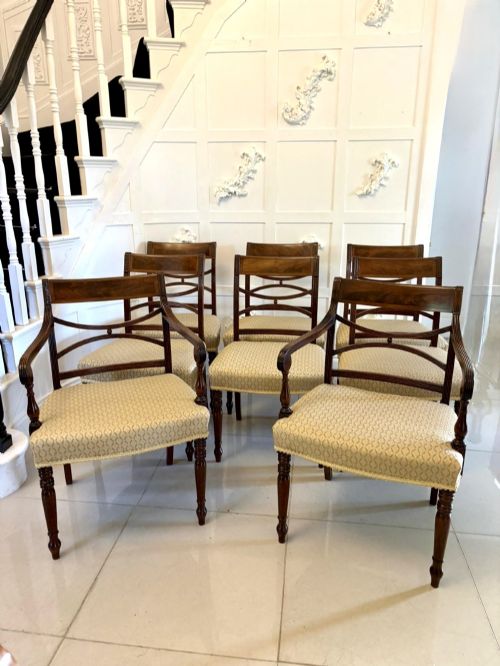
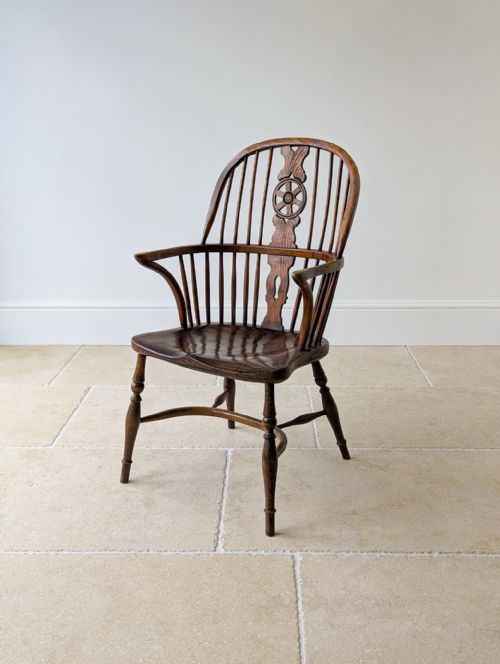
George iii seating brings together 18th-century forms like mahogany dining chairs, library armchairs, and elm wheelbacks that anchor a room with enduring utility.
George III Seating
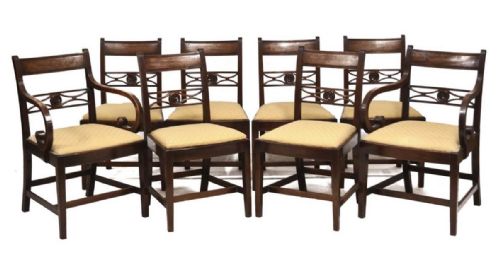
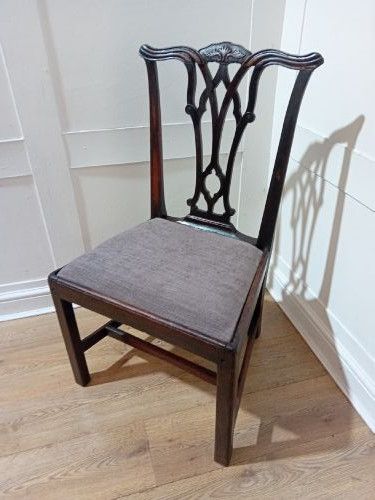
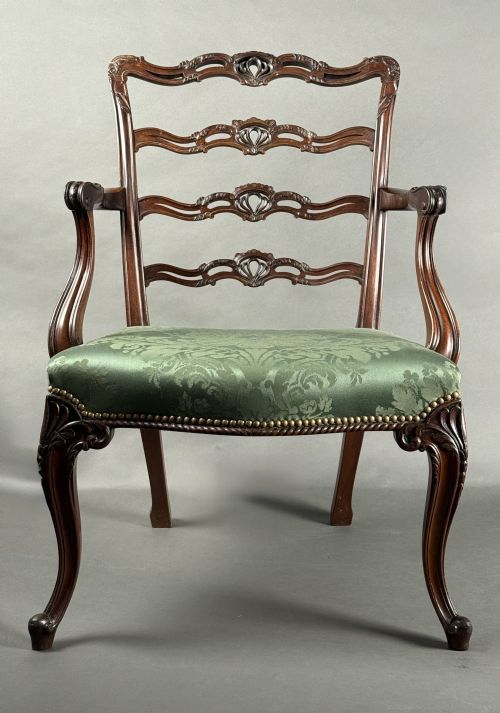
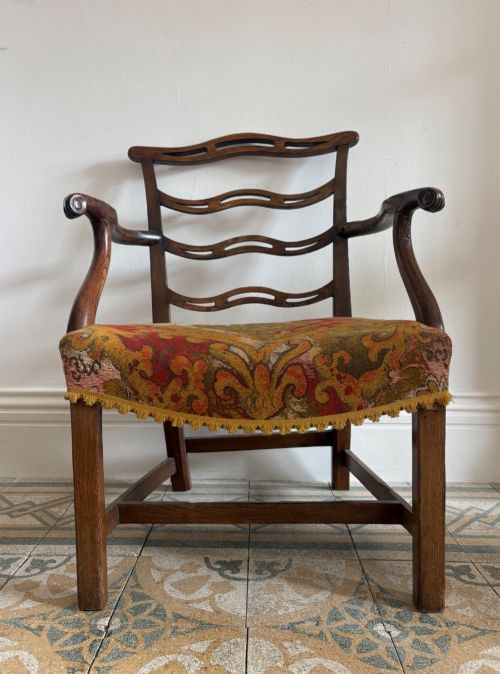
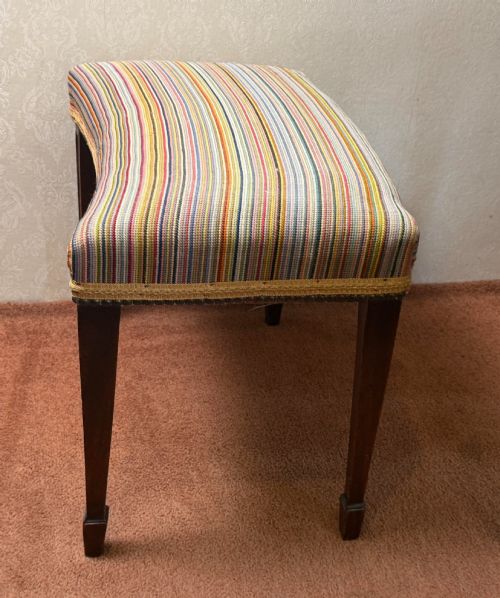
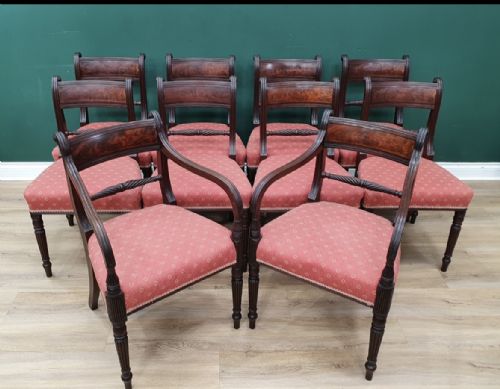
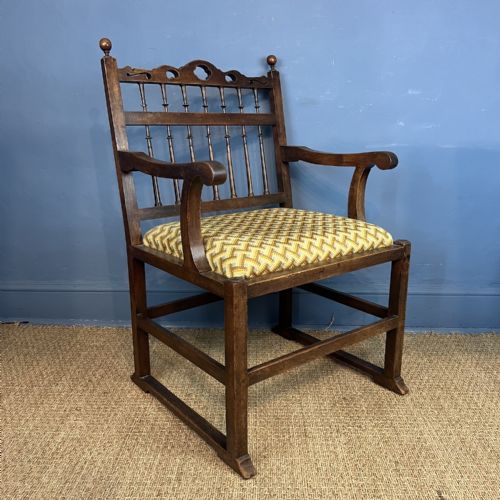
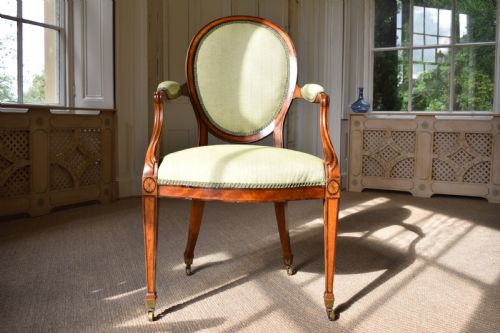
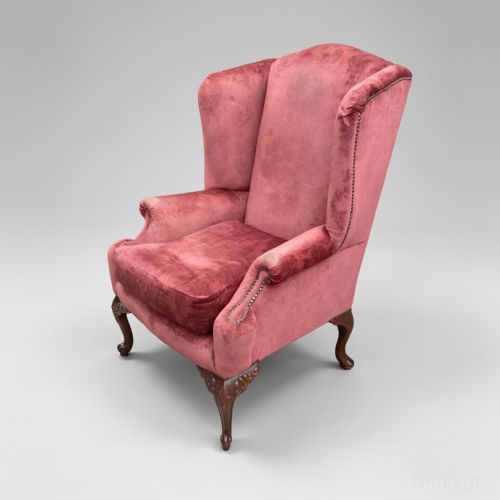
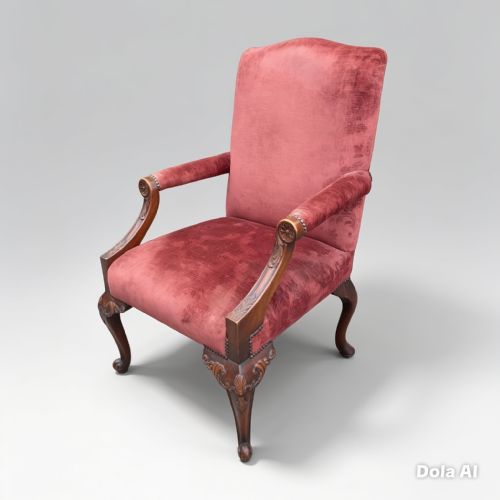
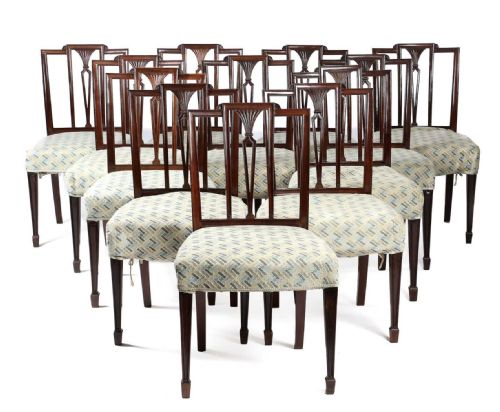
George iii seating comprises dining chairs, armchairs, hall chairs, stools, and settees originating primarily from the 18th century and the Georgian period. Dining chairs appear frequently in sets, while individual armchairs include library gainsborough chairs, drunkards chairs, and country ladderbacks.
Makers and regional workshops produced diverse regional variants in elm, ash, and mahogany. Buyers encounter formal urban dining chairs alongside country house armchairs and Lancashire or Cheshire rocking chairs.
Quality and Proportion
Quality rests on the integrity of the timber, the crispness of carved details like shield backs and splats, and the preservation of original proportion. Superior examples retain their structural rigidity without excessive replacement of framing elements.
The sophistication of the design, from simple country wheelbacks to inlaid Sheraton sets, dictates the standing of the piece. Subtle variations in turning, carving depth, and wood figure separate standard production from exceptional workshop output.
A drunkards chair accommodates relaxed posture with generous proportions, proving that Georgian ergonomics understood the evening needs of the household.
The George III Seating Glossary
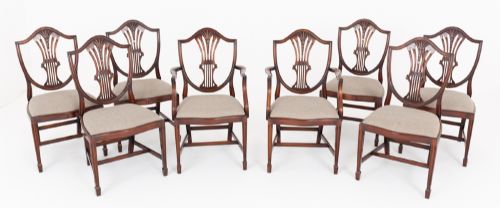
- Shield back
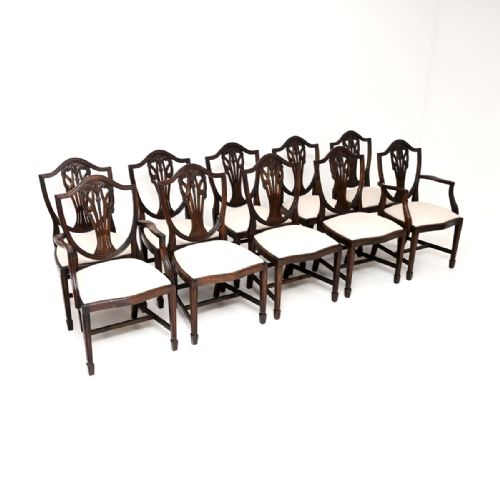
- A chair back shaped like a rounded shield, popular in late 18th-century dining chairs. This form often incorporates carved drapery or wheatears.
- Gainsborough chair
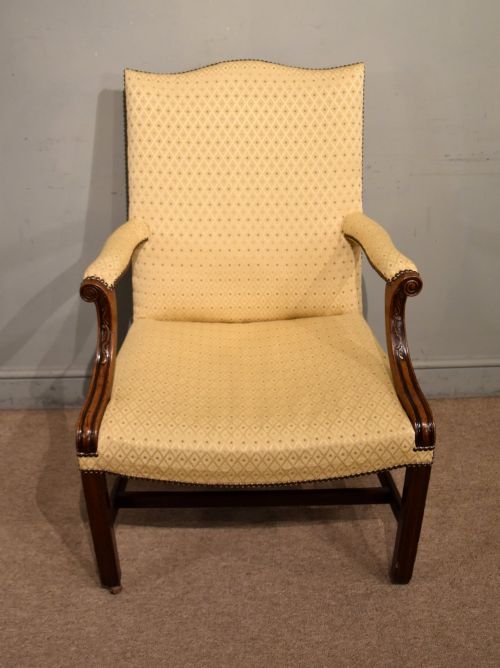
- A wide, open-armed armchair with upholstered seat and back, standing on square legs. These pieces typically served libraries and desks.
- Ladderback
- A chair back featuring horizontal wooden slats between the uprights. Country versions frequently utilise ash or elm.
- Wheelback
- A wooden chair back centred on a wheel-shaped splat motif. This design is common in Windsor armchairs from rural workshops.
- Hall chair
- A rigid wooden seat designed for an entrance hall, often featuring a painted or carved crest. These pieces generally lack upholstered padding.
George III Seating: Frequently Asked Questions
What defines george iii seating?
George iii seating encompasses chairs, stools, and settees made during the Georgian era, spanning formal mahogany dining sets to country elm armchairs.
These pieces reflect the stylistic shifts from early Chippendale and Hepplewhite designs to later Sheraton and Regency influences.
How do I care for antique wood chairs?
Maintain antique timber by keeping chairs away from direct heat sources and sudden humidity changes to prevent wood splitting.
Apply a microcrystalline wax periodically to nourish the surface without building up sticky layers of modern polish.
Are dining chairs sold individually or in sets?
Dining chairs appear both as single pieces, such as hall chairs or side chairs, and as large matched sets.
Sets often comprise a combination of single dining chairs and corresponding carver armchairs for the table ends.
How do I distinguish regional country chairs?
Country pieces utilise local timbers like elm, ash, and yew rather than imported mahogany, reflecting the materials available to rural makers.
Constructive quirks, such as Lancashire or Cheshire turning patterns, point directly to specific regional workshops.