




George III Hall Chairs
George iii hall chairs are striking wooden seats designed to stand in grand corridors, built to make a bold first impression.
George III Hall Chairs
George iii hall chairs are primarily architectural timber seating pieces fashioned during the eighteenth and early nineteenth centuries. These items generally arrive as single examples, pairs, or matched sets designed for formal entranceways rather than everyday lounging.
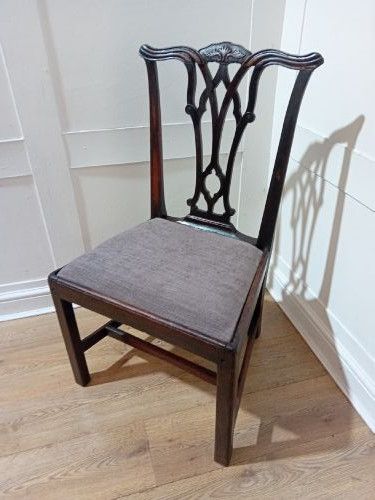
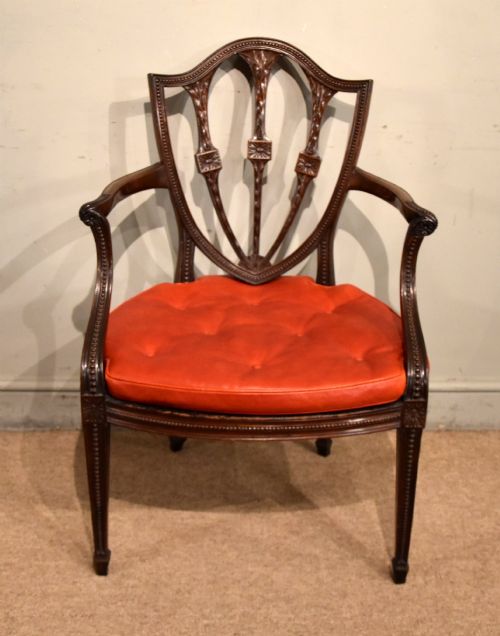
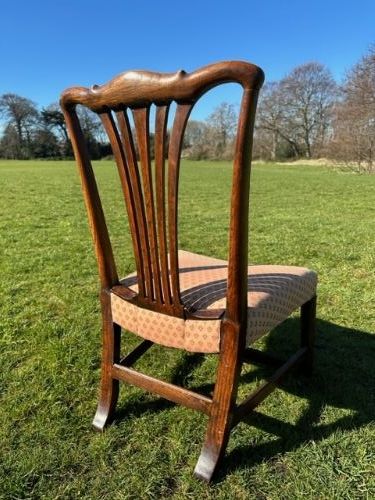
The varieties most frequently encountered on this page include mahogany side chairs and sculptural shield back forms. Oak, walnut, and elm alternatives also appear alongside sgabello styles that echo earlier Italian forms.
How they were made
Cabinet makers relied predominantly on dense hardwoods such as mahogany, oak, walnut, and elm for structural integrity. These timbers were shaped using hand tools to create rigid frames capable of withstanding heavy daily use.
Carving served as the primary decorative technique, often featuring classical motifs and sculpted crests. Brass elements occasionally appear alongside fabric, leather, and textile upholstery on related seating types.
Some hall chairs feature carved lion masks glaring down at unsuspecting guests who dared sit near the front door.
What varies in quality
Quality rests in the crispness of the timber carving and the architectural ambition of the backrest design. Pieces exhibiting sculptural wooden panels or lion masks display greater artisan investment than plain utilitarian forms.
The selection of timber grain, particularly figured mahogany or well-matched walnut, elevates the visual weight of the item. Proportion and the integrity of the original joints similarly separate standard regional examples from exceptional urban commissions.
John Gee
The George III Hall Chairs Glossary
- Sgabello
- A Renaissance-style wooden chair with solid trestle supports instead of traditional legs. These pieces typically display deeply carved panels suited for narrow corridors.
- Side chair
- An upright chair without arms designed for placement against a wall or around a dining table. They form a large portion of the standard seating options.
- Splat
- The vertical central strip of wood in the back of a chair. Carved versions define the stylistic period of the seating.
George III Hall Chairs: Frequently Asked Questions
Where were george iii hall chairs placed?
These chairs were positioned in the main entrance halls of substantial townhouses and country estates. They served as formal seating for visitors waiting to be announced.
Because entranceways were draughty and transitional spaces, the wooden seats were deliberately unpadded and rigid. Their primary role was visual display rather than physical comfort.
How do I identify a george iii hall chair?
Look for architectural wooden backrests, often featuring painted family crests, carved shields, or sculptural relief work. The timber is typically dark hardwood like mahogany or oak.
Construction details such as hand-cut tenon joints and eighteenth-century proportions help distinguish authentic period pieces from later nineteenth-century revivals.
Can I use these chairs daily?
While structurally robust, these items are historical artefacts that benefit from considerate handling. Sitting on them occasionally is generally acceptable.
Placement should avoid direct sunlight and fluctuating central heating to prevent timber shrinkage and splitting. Protective pads under the feet help preserve the original wood.
What is the difference between a hall chair and a dining chair?
Hall chairs are almost exclusively constructed from solid wood without upholstery, designed for brief seating in a corridor. They usually feature prominent carved crests or solid painted panels.
Dining chairs of the same era prioritize comfort with padded seats upholstered in fabric, leather, or textile. Their frames are built for prolonged sitting around a table.