


Green Upholstery Chair
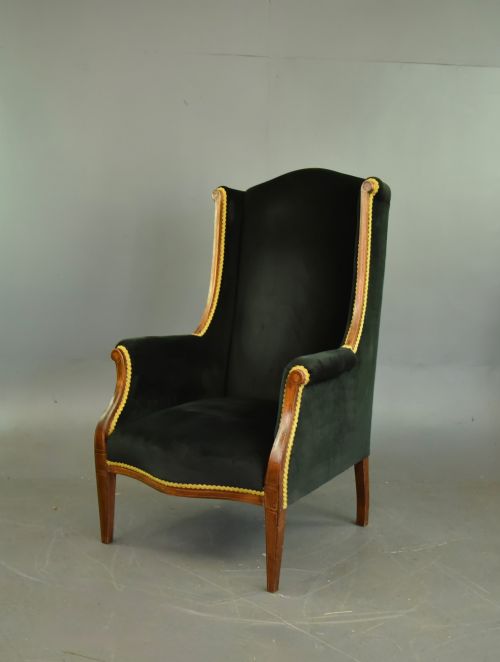
A green upholstery chair brings colour and comfort to a room, drawing on periods from the eighteenth century to the art deco era.
Green Upholstery Chair
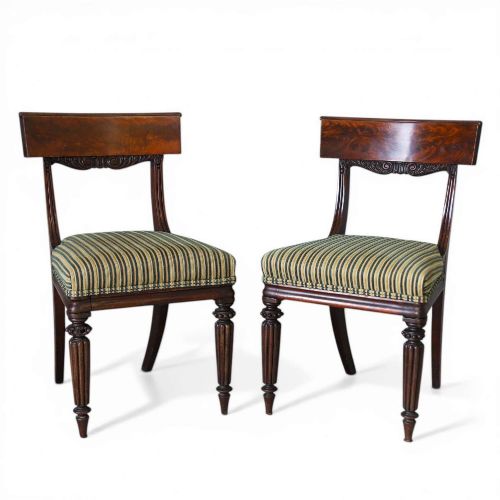
A green upholstery chair encompasses a wide variety of seating forms, from library armchairs and fireside chairs to dining chairs and daybeds. When searching for a green upholstery chair, buyers encounter pieces spanning multiple centuries, including the Victorian, Edwardian, and Georgian eras.
Materials and construction
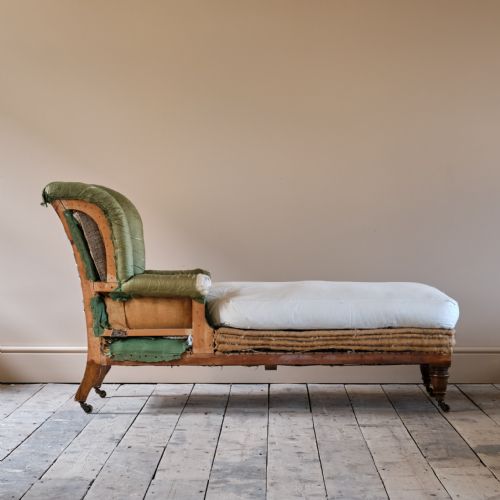
Frames are constructed from solid hardwoods such as mahogany, walnut, rosewood, birch, and oak, often featuring hand-carved details or inlay. Upholstery materials include traditional hessian and webbing foundations paired with velvet, leather, rexine, and patterned fabric.
Structural embellishments range from barley twist frames and brass castors to claw and ball legs and giltwood finishes. Joinery and frame construction reflect the prevailing cabinet-making techniques of each respective period.
Listings feature frames in mahogany, walnut, rosewood, and birch, upholstered in velvet, leather, rexine, and patterned cotton.
Assessing quality
Quality rests upon the integrity of the timber frame, the precision of any hand-carved ornamentation, and the authenticity of the period construction. Pieces bearing maker attributions or retaining original structural elements command greater regard among collectors.
The grade and suitability of the upholstery, whether historic fabric or fresh revival material, influence the visual balance of the piece against its wooden frame.
Heals·Howard and Sons
The Green Upholstery Chair Glossary
- Wing armchair
- An upholstered fireside chair featuring protective side panels designed to shield the occupant from draughts. These pieces often date from the Georgian and Edwardian periods.
- Barley twist
- A turned wooden furniture leg or stretcher carved in a spiral twist resembling a rope. This decorative feature appears frequently on nineteenth-century frames.
- Showwood
- A furniture design where portions of the polished wooden frame remain visible around the upholstered sections. This technique highlights the carved walnut or mahogany structure.
- Caned
- A seating panel woven from split rattan cane, commonly utilised in backs and seats during revival periods. It provides a lightweight, decorative contrast to solid timber frames.
- Giltwood
- Timber coated with a thin layer of gold leaf or gesso finish. This technique is typical of grand salon chairs and decorative seating from European revival styles.
Green Upholstery Chair: Frequently Asked Questions
How do I date a green upholstery chair?
Dating relies on identifying the underlying timber, framing style, and turning techniques characteristic of specific periods like the Victorian era or the eighteenth century.
Secondary clues include the presence of original upholstery foundations, webbing, and castors which alter across different decades.
Are these chairs suitable for daily use?
Many sturdy Victorian and Edwardian armchairs offer robust support and comfortable proportions for everyday sitting in a modern home.
Pieces with recent reupholstery provide fresh interior support while retaining historic timber frames.
What is a Howard style armchair?
A Howard style armchair is a deep, comfortable seat known for its generous proportions and rolled arms, closely associated with the renowned Victorian firm.
These chairs frequently appear paired with tailored fabric or leather upholstery.