

Button Backed Chair
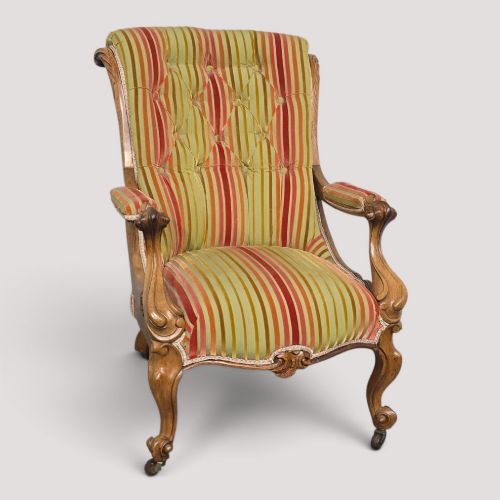
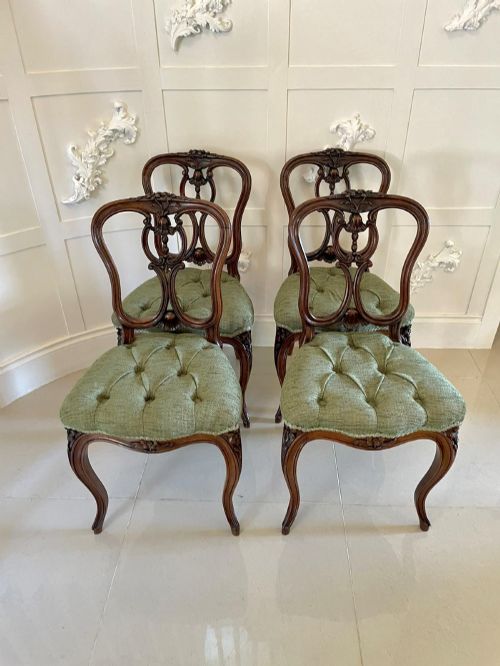
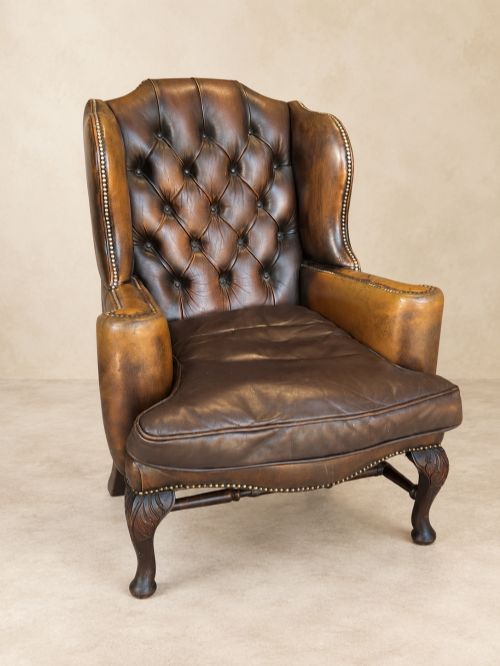
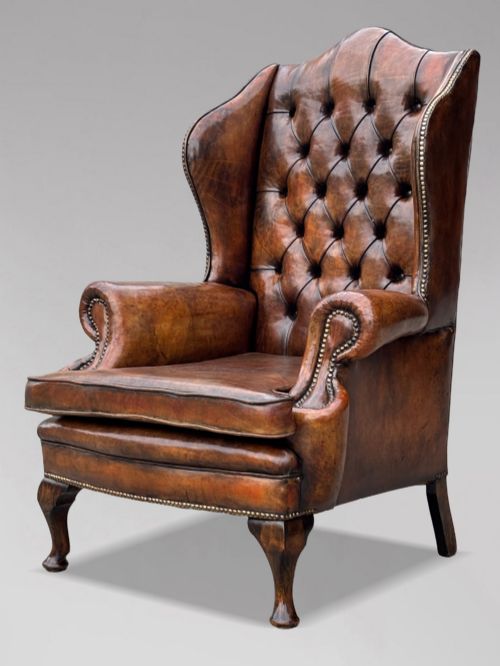
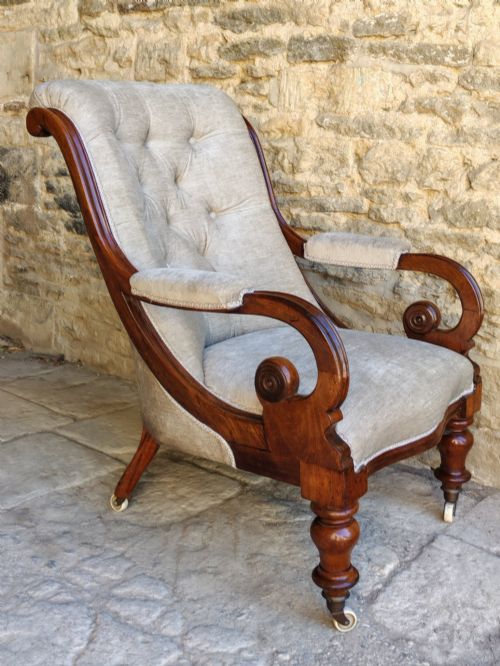
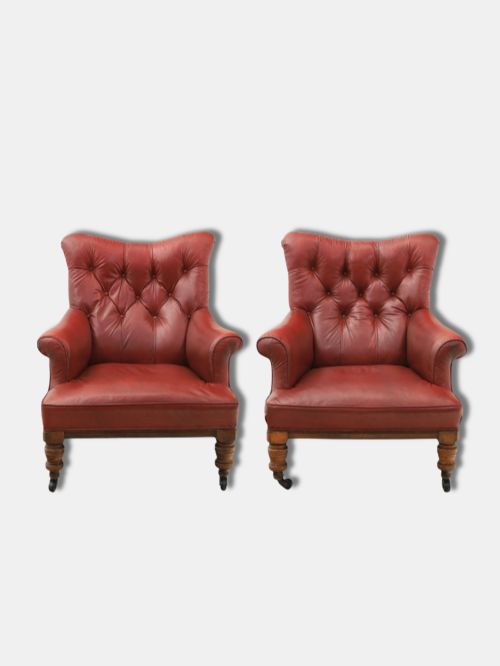
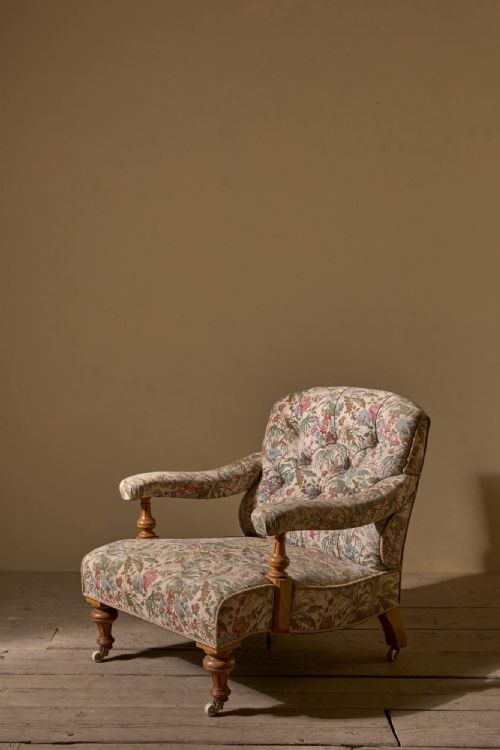
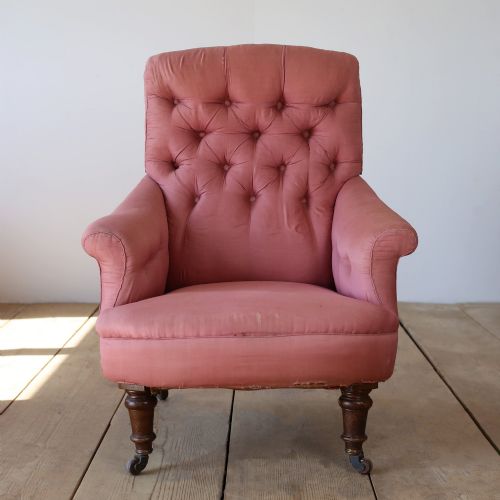
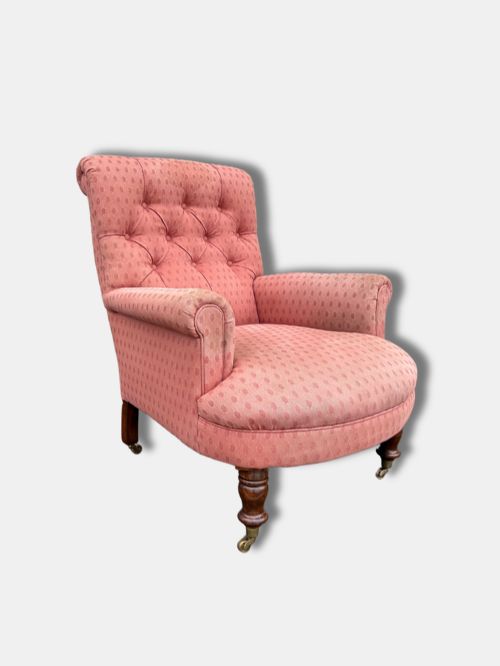
A button backed chair offers deep buttoned upholstery across periods from the Regency to the 1920s, combining structural timber with sumptuous textile or leather.
Button Backed Chair
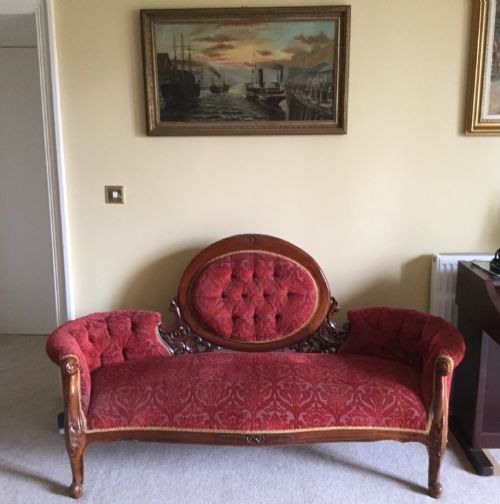
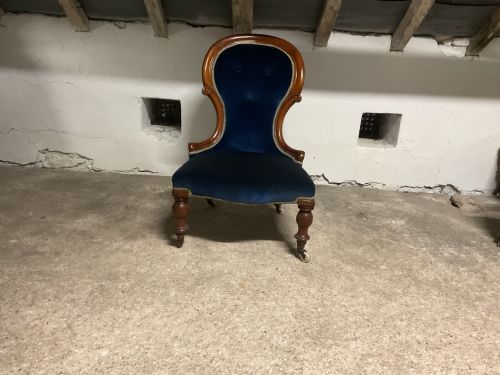
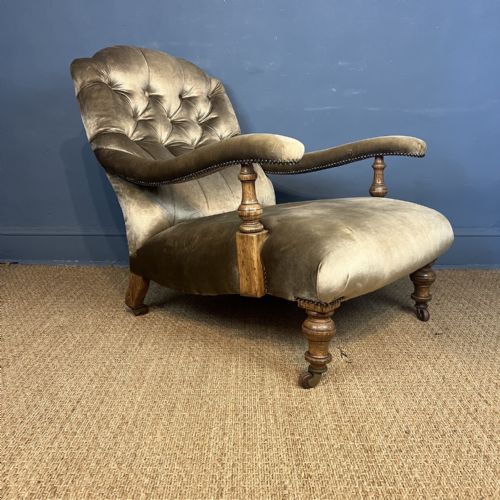
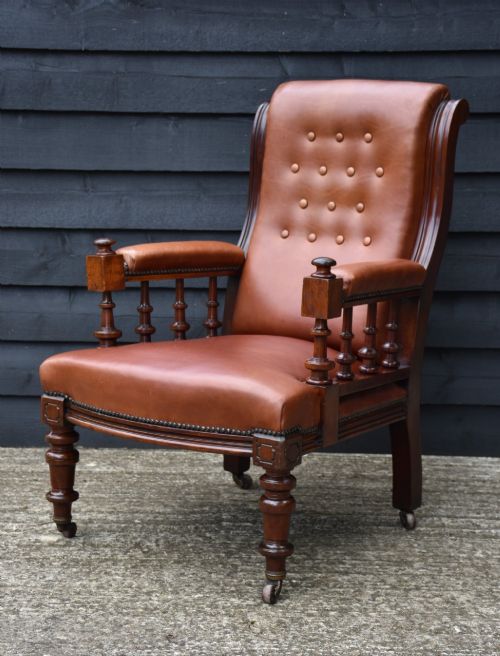
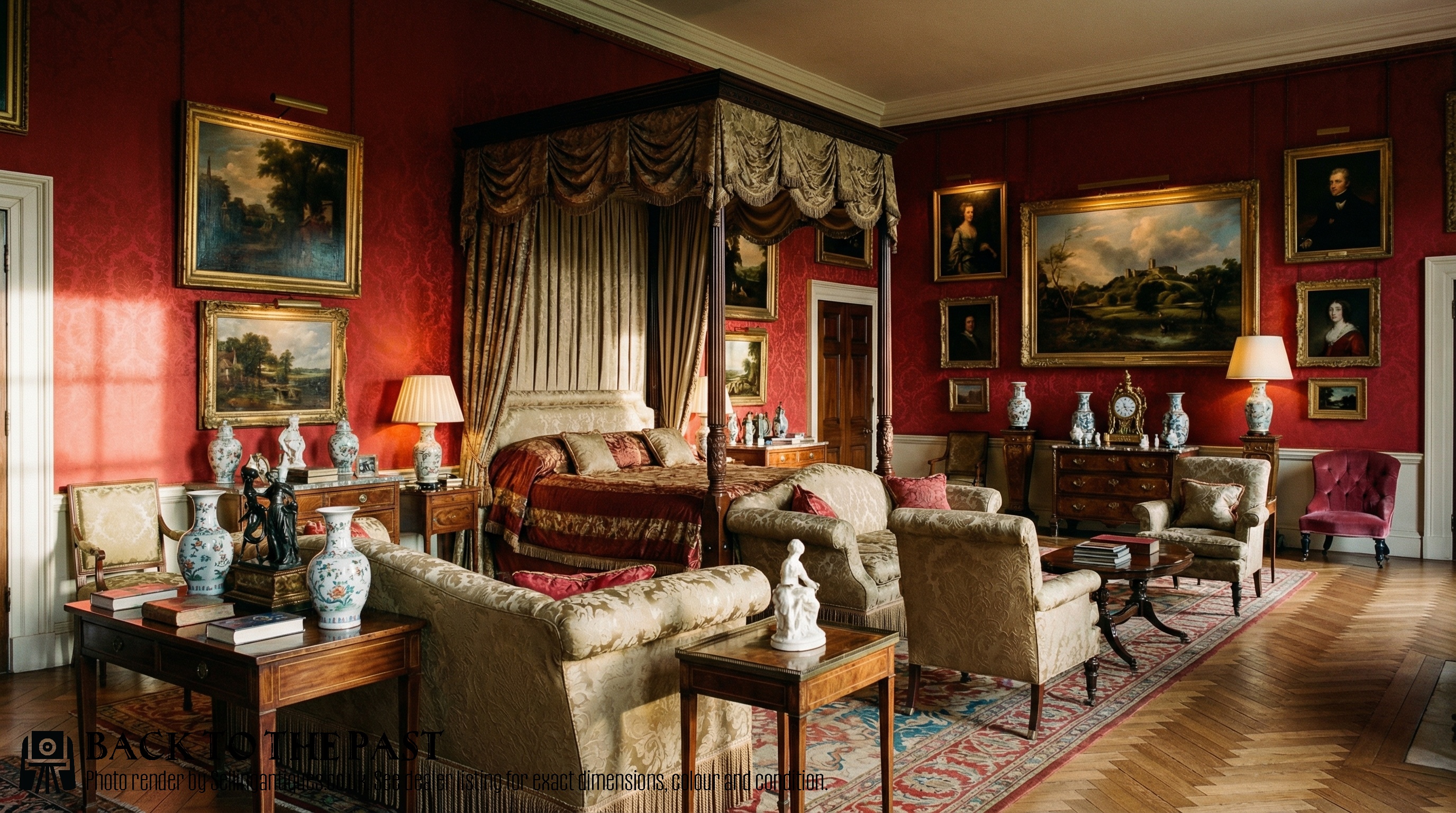
A button backed chair brings together substantial seating forms such as library armchairs, nursing chairs, chaise longues, and Chesterfield sofas. You will most frequently encounter Victorian examples alongside pieces from the nineteenth century, Regency era, and 1920s.
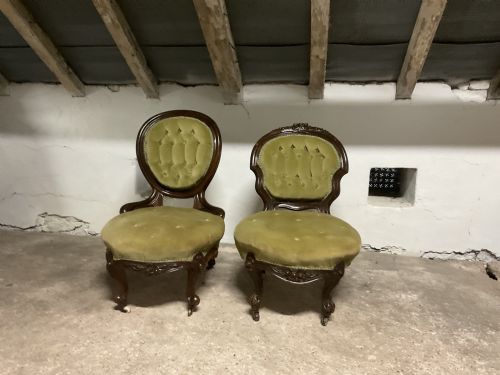
The phrase encompasses diverse seating types including occasional chairs, slipper chairs, and open armchairs framed in mahogany, walnut, oak, and rosewood. These pieces often originate from English country houses or urban parlours, carrying distinct stylistic markers from the Rococo Revival, William IV, and aesthetic movements.
Materials and construction
Timbers such as mahogany, walnut, oak, and rosewood form the rigid framework, often carved with French or Victorian decorative detailing. Brass elements sometimes accent the structure or castors.
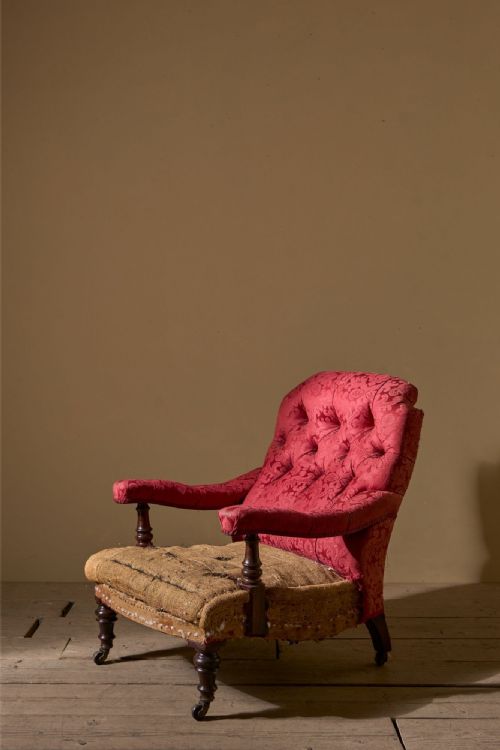
Upholstery relies on traditional sprung bases paired with deep pile brocade, velvet, fabric, calico, rexine, or leather. Deep buttoning secures the covering into the padding, creating the characteristic dimpled surface.
Button Backed Chair Retail Price Guide 2026
Typical asking prices for button backed chair among the pieces listed under this phrase on Sellingantiques today, from the lower quarter to the upper quarter. They describe what is for sale here now, not the wider market.
Listings feature woods including mahogany, walnut, oak, and rosewood paired with leather, velvet, and calico.
Quality and craftsmanship
Superior examples display precise timber carving and robust showwood framing, whereas lesser pieces show simpler construction and heavier secondary woods. The integrity of the underlying frame dictates the longevity of the seating.
Refinishing and re-upholstering history alters the character of individual pieces, with archival work retaining original materials carrying distinct technical merit over later replacements.
Howard and Sons·Gillows·Mellier and Co
The Button Backed Chair Glossary
- Showwood
- Timber framing left visible around the upholstered portions of the chair. It highlights the grain and carved details of woods like mahogany and walnut.
- Nursing chair
- A low-seated chair designed for comfort and ease of movement during infant care. These often feature distinctive buttoned backs.
- Chaise longue
- An elongated upholstered seat intended for reclining, combining armchair and daybed forms. They frequently share the deep buttoning found on contemporary armchairs.
- Calico
- A plain-woven cotton fabric often used as the inner lining or foundation layer beneath top-grade upholstery textiles. It conceals internal webbing and stuffing.
Button Backed Chair: Frequently Asked Questions
How do I date a button backed chair?
Dating relies on identifying the underlying timber, framing style, and upholstery techniques associated with specific eras like the Victorian period or the 1920s. Cabinet-making details and proportions offer further clues to the decade of manufacture.
Archival records show these chairs span the nineteenth and early twentieth centuries, with distinct stylistic shifts from Regency curves to heavy Victorian showwood.
Are these chairs suitable for daily use?
Most antique seating is robust enough for daily use provided the internal sprung base and frame remain structurally sound. Leather and heavy fabric upholstery options handle regular sitting well.
Placing the chair away from direct heat sources helps preserve the timber frame and prevents the leather or textile covering from drying out.
What is the difference between a nursing chair and an armchair?
Nursing chairs sit notably lower to the ground and often feature compact proportions designed for domestic bedroom or parlour settings. Standard armchairs offer higher seats and larger dimensions suited to libraries and drawing rooms.
Both forms make frequent use of buttoned upholstery across Victorian and Edwardian examples.
How should I clean leather buttoned upholstery?
Leather surfaces require gentle dusting and occasional conditioning with appropriate balms to keep the hide supple. Avoid harsh chemical cleaners that can strip the natural finish.
Deep buttoning traps dust in the folds, so careful vacuuming using a soft brush attachment helps maintain the textile or leather over time.