



George III Plate Rack
A george iii plate rack brings immediate rustic character to a kitchen, combining open display shelves with practical storage for ceramics.
George III Plate Rack
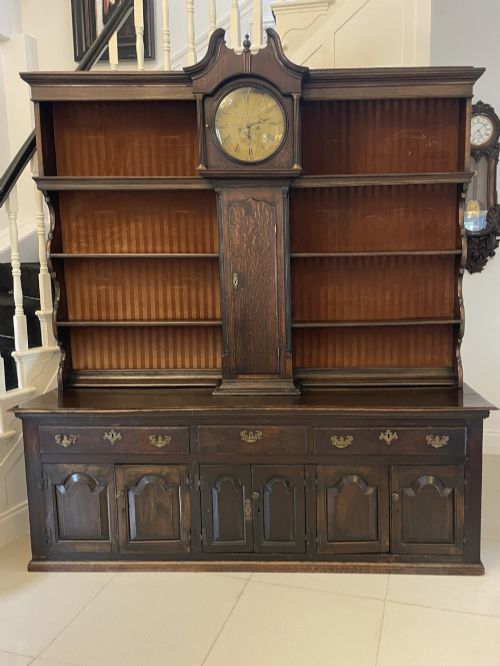
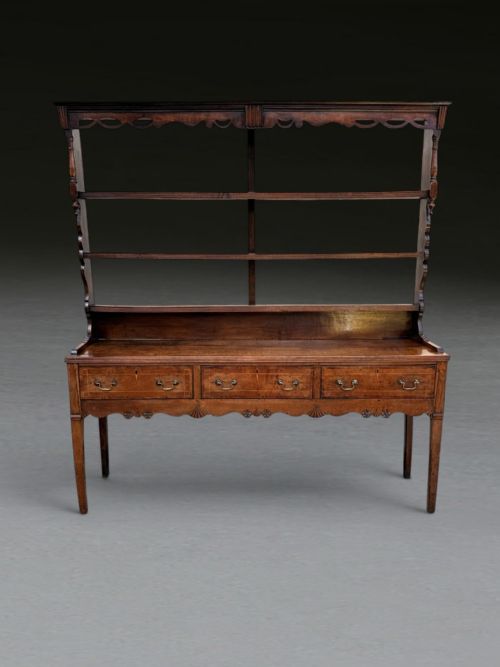
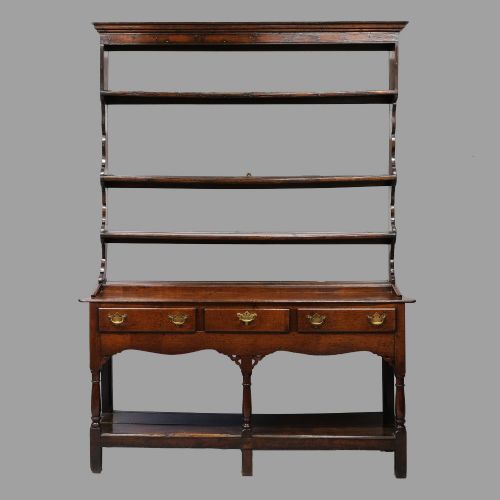
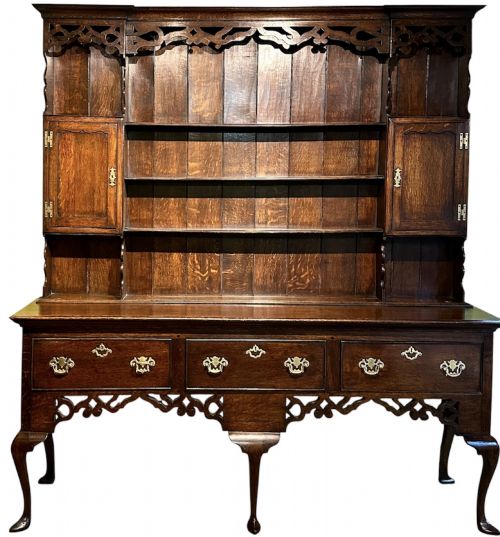
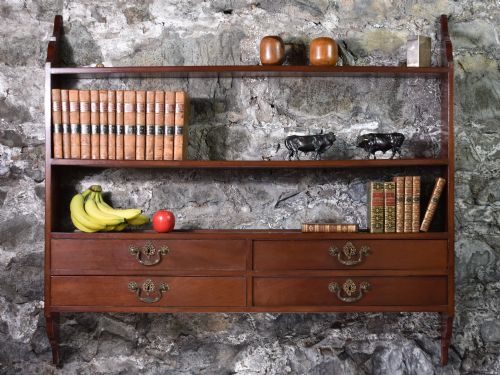
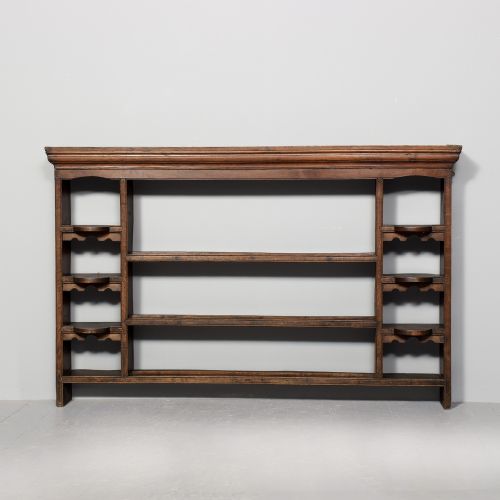
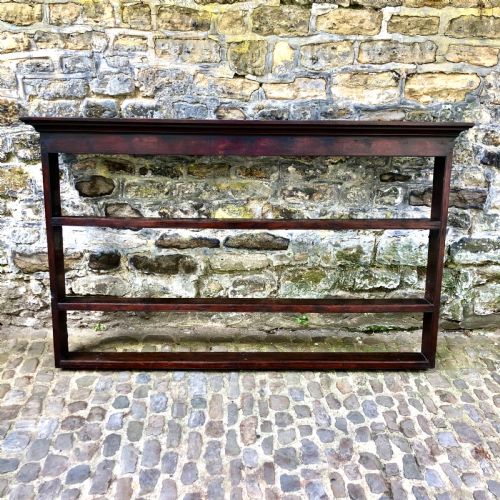
When you search for a george iii plate rack, you encounter practical oak and mahogany storage solutions designed to display ceramic tableware safely against a wall. These pieces range from standalone wall shelves to the upper rack sections belonging to larger dresser combinations.
You are most likely to meet provincial oak versions on this page, often featuring pegged construction and vertical slats to hold dinner plates upright. The forms vary from simple hanging wall shelves to substantial two-part dresser combinations recorded across the Georgian period.
Materials and construction
Makers relied principally on solid oak, mahogany, and occasionally elm to construct these sturdy domestic furnishings. Timber selection dictated the structural integrity needed to bear the weight of heavy earthenware and porcelain plates.
Joinery methods involved traditional hand-cutting techniques, including pegged joints and dovetailed boards. Iron and brass hardware appeared in the form of hanging brackets or structural fixings where necessary.
Object forms span wall shelves, hanging shelves, and full dressers with integrated racks dating from the seventeenth to the nineteenth century.
Judging quality in a rack
Quality rests upon the selection of timber and the crispness of the original joinery. Pieces retaining their unaltered surface texture and untouched structural integrity command greater regard among collectors.
Proportion and decorative restraint distinguish finer examples from plain utility pieces. The presence of original backboards, cornices, and retaining bars elevates the stature of an individual rack.
The George III Plate Rack Glossary
- Plate rack
- A wall-mounted or dresser-integrated shelving unit designed with vertical slats or grooves to display plates upright. These fixtures kept everyday crockery accessible in historical domestic kitchens.
- Potboard dresser
- A base unit featuring a lower open shelf beneath the main surface, often paired with an upper plate rack. This configuration provided additional storage for heavy pots and kitchen utensils.
- Delft rack
- An alternative term for a plate rack, named for the popular tin-glazed earthenware it was built to display. These shelves protected fragile imported ceramics from accidental knocks.
- Verge fusee
- A clock escapement mechanism found in specific horological items listed alongside furniture in this category. It regulates timekeeping using a fusee cone and chain.
- Provincial oak
- Furniture timber originating from regional workshops outside major metropolitan centres. It denotes robust, local craftsmanship rather than courtly London design.
George III Plate Rack: Frequently Asked Questions
What is a george iii plate rack?
A george iii plate rack is a wooden shelving unit designed during the Georgian era to hold plates upright against a wall. They appear either as independent hanging shelves or as the upper component of a large kitchen dresser.
These pieces served a practical function in period homes, keeping ceramic tableware visible and within easy reach during food preparation and dining.
How were these plate racks used?
Historical households used these racks to store and display pewter, earthenware, and delftware pottery. The vertical slats and retaining rails prevented heavy ceramic plates from sliding forward and breaking.
In modern interiors, they function similarly as kitchen wall storage for display collections or everyday tableware.
Are these racks wall mounted?
Many examples on this page are hanging wall shelves designed to be secured directly to kitchen or dining room walls. Other versions sit directly atop a matching dresser base as a two-part combination unit.
Wall-mounted variants require sturdy fixings due to the substantial weight of solid oak timber and heavy ceramics.
What wood was used?
Oak is the predominant timber found across these listings, reflecting the robust vernacular furniture tradition of the period. Mahogany and elm also appear in select wall shelves and hybrid rack designs.
Cabinetmakers selected these hardwoods for their durability and capacity to support heavy loads over long periods of domestic use.