
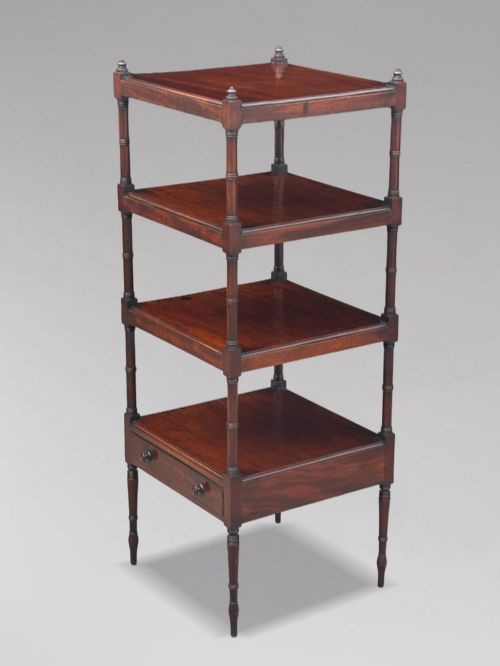
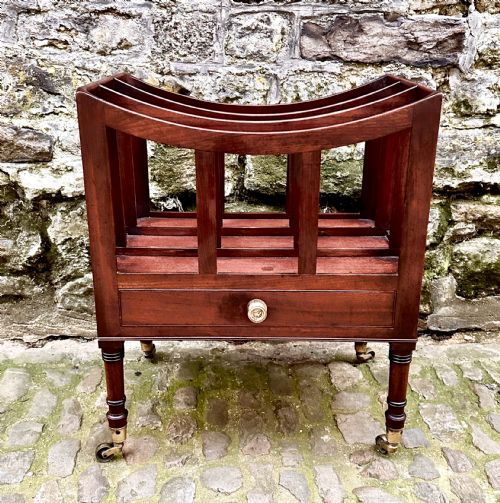
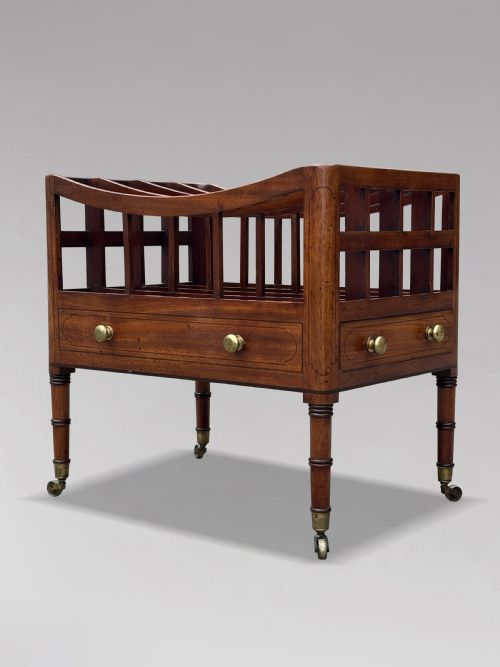


George III Music Stand
A george iii music stand brings adjustable elegance and fine mahogany craftsmanship to any room, offering the practical function collectors desire.
George III Music Stand
When you search for a george iii music stand, you encounter pieces spanning the Georgian period and the nineteenth century, including related forms such as canuterburys, reading tables, and whatnots. These items reflect the refined interior arrangements of their era, serving both musical and reading purposes in period homes.
The selections on this page most frequently present as mahogany or rosewood canuterburys and reading stands, often dating from around seventeen ninety to eighteen ten. They combine compartmentalised storage with adjustable reading surfaces, showing the versatility expected by historical users.
Materials and construction
Cabinetmakers constructed these pieces primarily from solid and figured mahogany, occasionally utilising rosewood for distinct grain patterns and richer colouration. Brass fittings appear as functional elements on adjustable mechanisms and castors, supporting the mobility and utility of the stands.
Joinery methods of the period prioritised durability alongside decorative impact, visible in the construction of drawers, slated partitions, and telescopic stems. The integration of brass hardware allowed owners to alter heights and angles securely during use.
George III Music Stand Retail Price Guide 2026
Typical asking prices for george iii music stand among the pieces listed under this phrase on Sellingantiques today, from the lower quarter to the upper quarter. They describe what is for sale here now, not the wider market.
Listings span mahogany and rosewood across Georgian and nineteenth century periods, uniting music stands, reading tables, and canuterburys.
Assessing quality and character
The standard of a piece rests in the choice of timber figure, particularly the richness and depth of the mahogany or rosewood grain displayed across the panels and shelves. Superior examples exhibit refined proportions and careful attention to structural details like turned supports and drawer dovetailing.
Original brass hardware and the smooth operation of adjustable reading mechanisms elevate a piece above simpler alternatives. Integration of drawers within canuterburys or double music stands indicates higher ambition from the maker.
The George III Music Stand Glossary
- Canterbury
- A low stand featuring partitioned sections for holding sheet music, magazines, or books, often fitted with a drawer below and small castors for easy movement.
- Reading table
- A specialised stand designed to hold books or scores at a convenient angle for the reader, frequently incorporating adjustable stems.
- Whatnot
- An open set of freestanding shelves used for displaying or storing small household items and reading materials.
- Telescopic
- A descriptor for a vertical shaft that allows the height of a stand or reading desk to be adjusted upwards or downwards.
George III Music Stand: Frequently Asked Questions
What is a george iii music stand?
A george iii music stand is a functional piece of antique furniture designed to support scores or books, often combining reading ledges with stands or canuterburys.
These items date from the late eighteenth or early nineteenth century and reflect the period focus on domestic musical and literary pursuits.
How were music stands used historically?
Historically, owners placed these stands in parlours or drawing rooms to hold sheet music for musicians or open books for readers.
The adjustable stems and reading ledges allowed users to alter the height and angle for comfortable performance or study.
Are all these stands adjustable?
Not all pieces share this feature, as the category encompasses reading tables, canuterburys, and whatnots alongside dedicated telescopic stands.
Specific examples feature brass mechanisms that permit height adjustment, while others maintain a fixed platform suitable for holding stacked folios.
Where should I place a music stand at home?
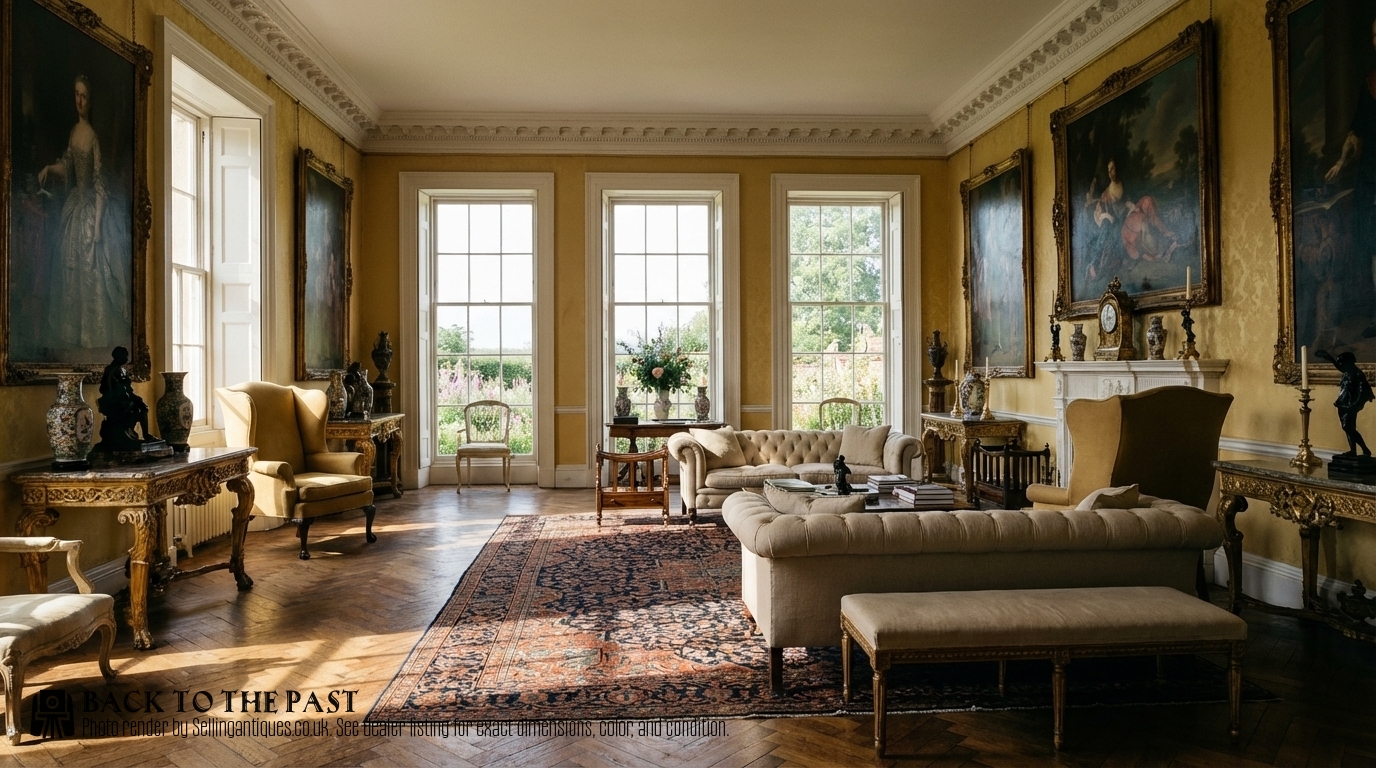
These versatile stands suit studies, living rooms, or music rooms where their wood tones and traditional forms complement existing antique furnishings.
They function effectively beside armchairs or pianos, providing accessible storage for current reading materials or sheet music.