

George III Brass
George iii brass brings together the functional hardware and decorative fittings of the Georgian era, offering enduring craftsmanship and rich metallic warmth.
George III Brass
When searching for george iii brass, a buyer encounters a diverse selection of items ranging from utilitarian coal scuttles and kettles to refined clock faces, wine coolers, and furniture mounts. The pieces most commonly met on this page date from the eighteenth century through to the early nineteenth century, reflecting the prevailing Georgian aesthetic.
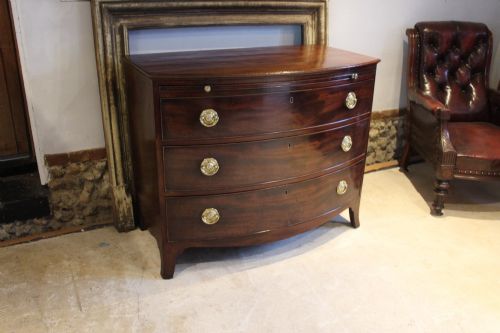
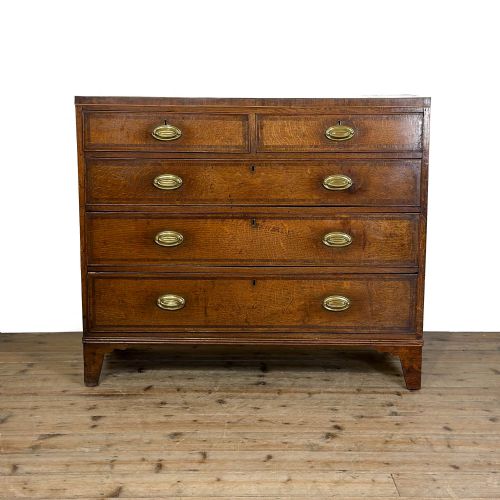
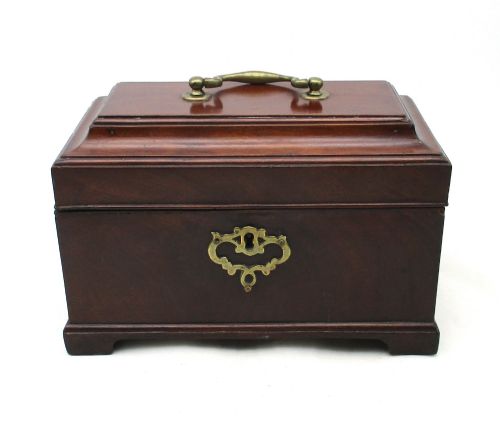
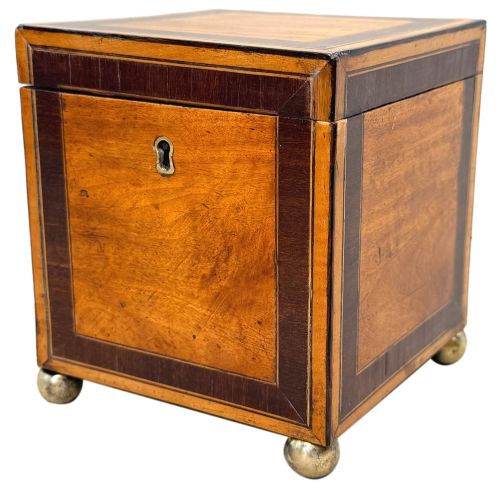
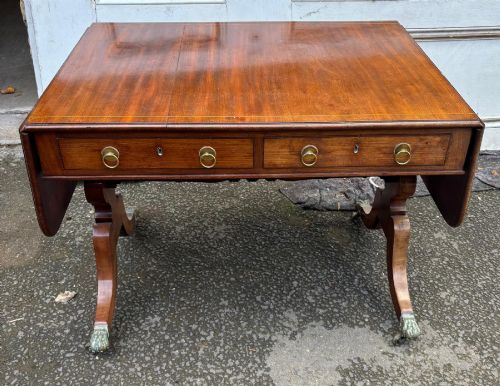
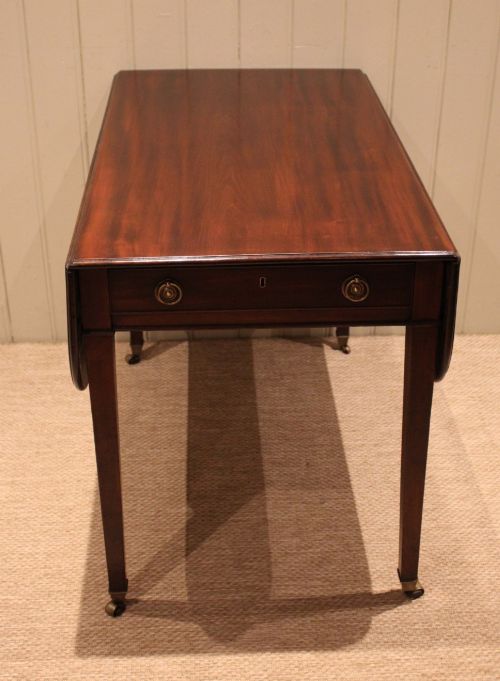
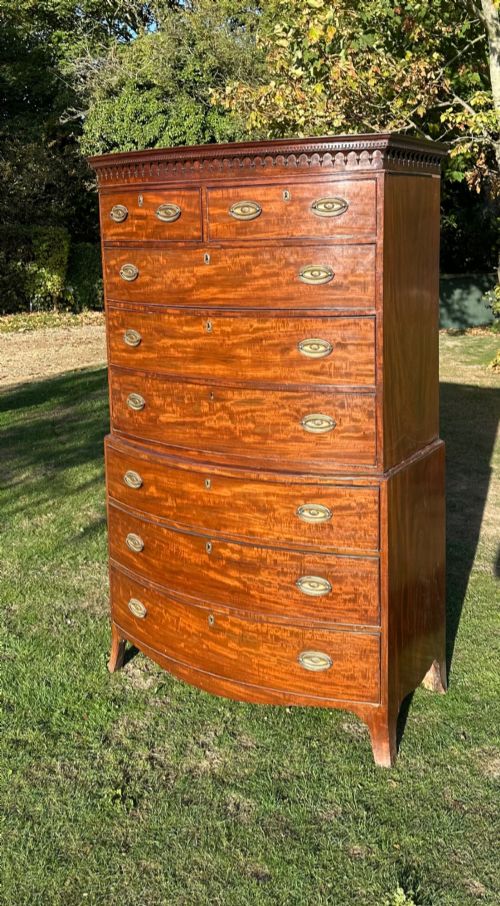
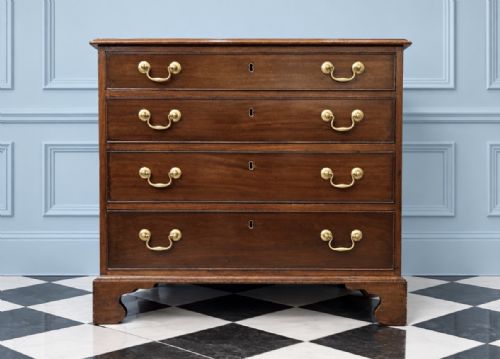
The objects span domestic furniture fitted with original metalwork, such as chests of drawers and desks featuring pierced brasses, alongside dedicated metalware like fire grates and tea caddies. Makers and manufacturers utilised brass extensively for both structural longevity and ornamental contrast against timbers such as mahogany and oak.
Originating predominantly from English workshops, these items serve practical and decorative functions within both period interiors and modern settings. The inventory captures authentic Georgian production alongside later revival styles that emulate the characteristic proportions and metallic detailing of the period.
How george iii brass pieces were made
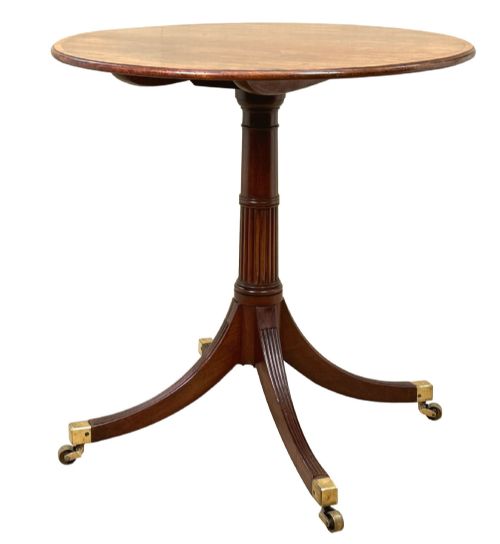
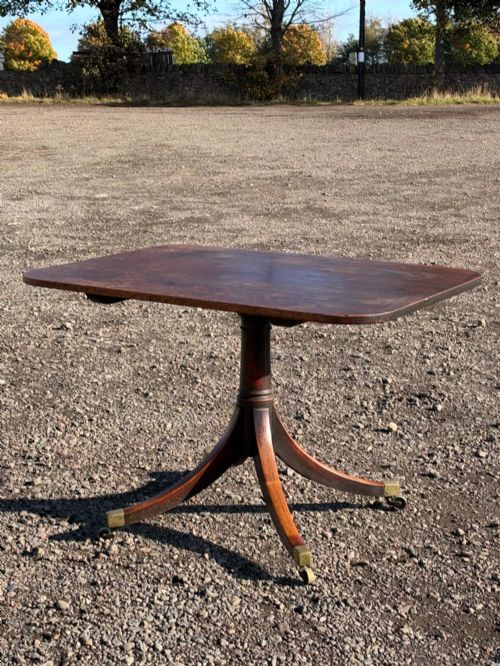
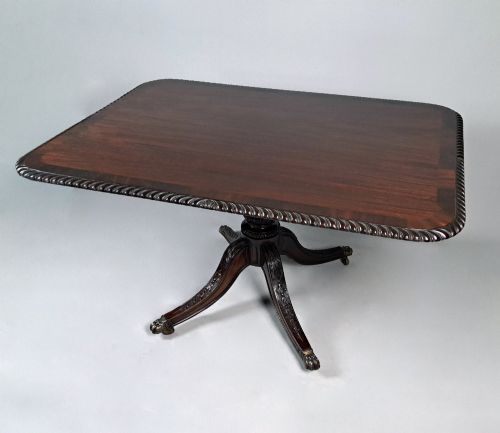
Makers combined cast and sheet brass with dense cabinet timbers like mahogany, oak, and satinwood, securing metal handles, escutcheons, and binding directly to the wood. Furniture components such as dining tables and chests of drawers relied on sturdy joinery complemented by functional brass hinges, castors, and locks.
Metal elements including clock dials, fire grates, and coal scuttles were produced through traditional casting and hand-beating techniques, often finished with engraved detailing. The integration of brass inlay and bound edges demonstrated precise craftsmanship designed to withstand daily household use while retaining a polished appearance.
George III Brass Retail Price Guide 2026
Typical asking prices for george iii brass among the pieces listed under this phrase on Sellingantiques today, from the lower quarter to the upper quarter. They describe what is for sale here now, not the wider market.
A sturdy copper coal scuttle proves that even eighteenth-century fuel storage could look thoroughly dashing beside the hearth.
What varies in quality
The standard of execution depends heavily on the crispness of the brass casting and engraving, particularly on clock faces, dial plates, and decorative mounts. Finer examples display meticulous hand-finishing and retain their original patinated hardware rather than later replacements.
Construction methods and timber selection set apart the best examples, where secondary woods match primary veneers and structural brasswork remains entirely integrated into the piece. The presence of documented maker signatures or original operational elements elevates the integrity of the surviving object.
Charles Shuckburgh·George Bullock·J Moorcroft·Thomas Butler
The George III Brass Glossary
- Escutcheon
- A protective brass plate surrounding a keyhole, designed to prevent the surrounding wood from wearing down through repeated use. These fittings often feature pierced or engraved decoration characteristic of the period.
- Wine cooler
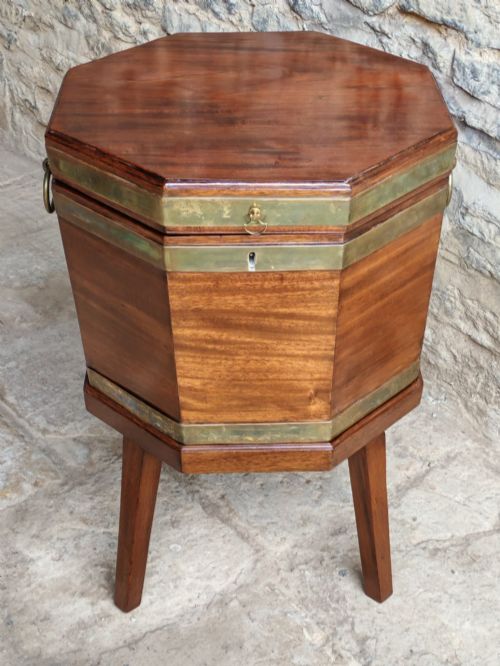
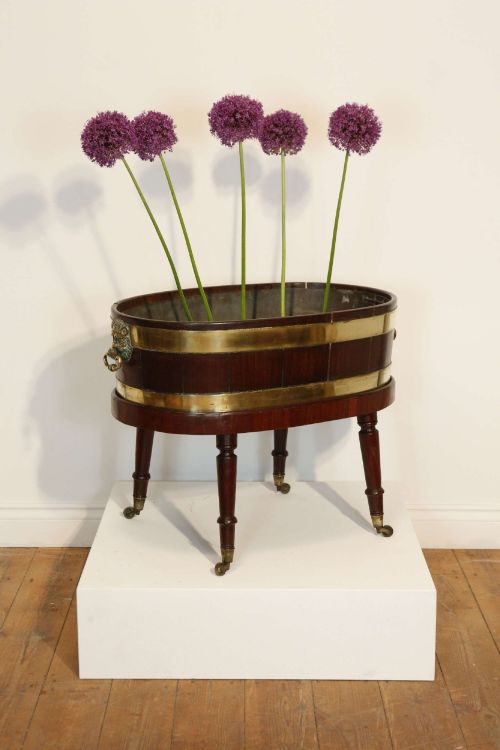
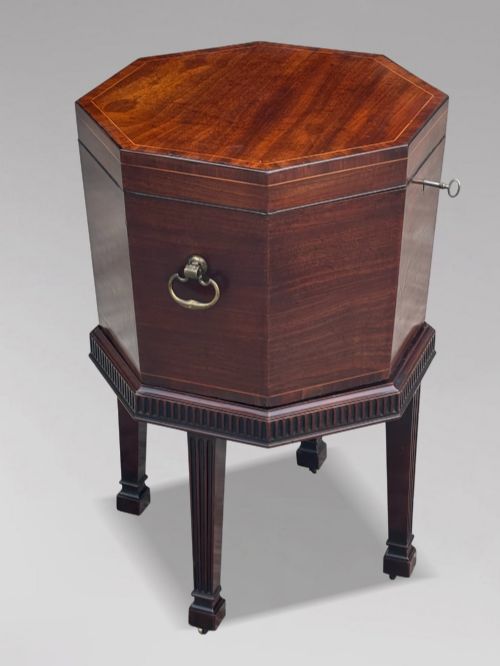
- A lined receptacle used for chilling bottles at the dining table, frequently constructed from solid mahogany and secured with heavy brass bands. They appear in oval or cellarette forms from the late eighteenth century.
- Longcase clock
- A tall freestanding timepiece enclosing swinging weights and a pendulum, commonly featuring a brass dial face inscribed with the maker's name. Enclosed in oak or mahogany cases, they represent high levels of contemporary horology.
- Brushing slide
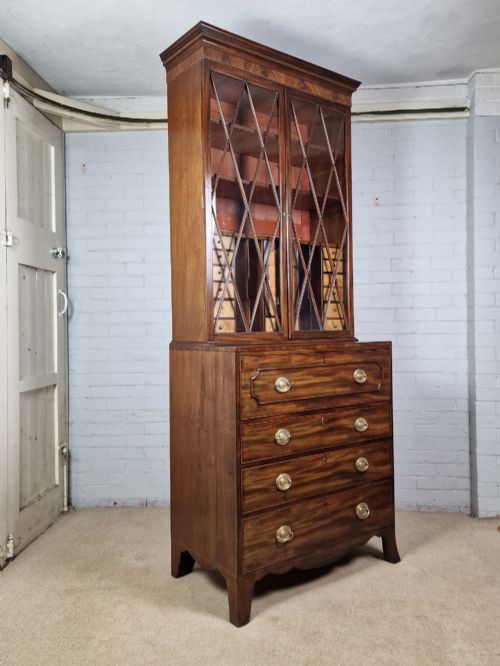
- A pull-out shelf integrated into the upper section of a chest of drawers or bachelors chest, providing a surface for sorting clothing or writing. It typically operates smoothly above the primary drawer tiers.
- Coal scuttle
- A domestic container designed for holding fuel near a fireplace, frequently formed from copper or brass with a hinged lid and carrying handle. Helmet shapes are particularly typical of late eighteenth-century metalware.
George III Brass: Frequently Asked Questions
What defines george iii brass?
George iii brass encompasses the metal hardware, decorative mounts, and standalone items produced during the Georgian period and subsequent revivals. It combines utilitarian metalworking with cabinet timbers to create enduring domestic objects.
Items range from structural furniture bindings and clock dials to coal scuttles and tea caddies. The category highlights the integration of durable metals into everyday eighteenth-century life.
How do I identify original hardware?
Original brass fittings typically exhibit consistent wear patterns, hand-finished casting marks, and appropriate mounting configurations that match the age of the timber beneath. Pierced brasses and backplates should align precisely with historical fixing methods.
Later replacements often display modern screw types or casting textures that differ from authentic eighteenth-century production standards. Examining the interior of drawers or mounting points reveals whether the hardware has remained undisturbed.
Where were these pieces used?
These objects served functional roles across domestic interiors, from formal dining rooms and libraries to kitchens and parlours. Wine coolers and dining tables organised social hospitality, while desks and longcase clocks managed household administration.
Metalware such as fire grates and coal scuttles operated directly within hearth spaces. Their robust construction ensured they could withstand active daily routines while maintaining decorative appeal.
How do I care for brass?
Maintaining brass requires gentle dusting and occasional cleaning with appropriate non-abrasive metal polishes to preserve the surface without stripping historical patina. Excessive shining can diminish the depth of age accumulated over centuries.
Timber components associated with the brass should be treated with traditional wax formulations to keep the wood nourished. Stable indoor humidity levels protect both the metal from corrosion and the timber from splitting.