
George II Writing Desk
A george ii writing desk brings mid-eighteenth-century cabinet work into a room through figured timbers and fitted drawers.
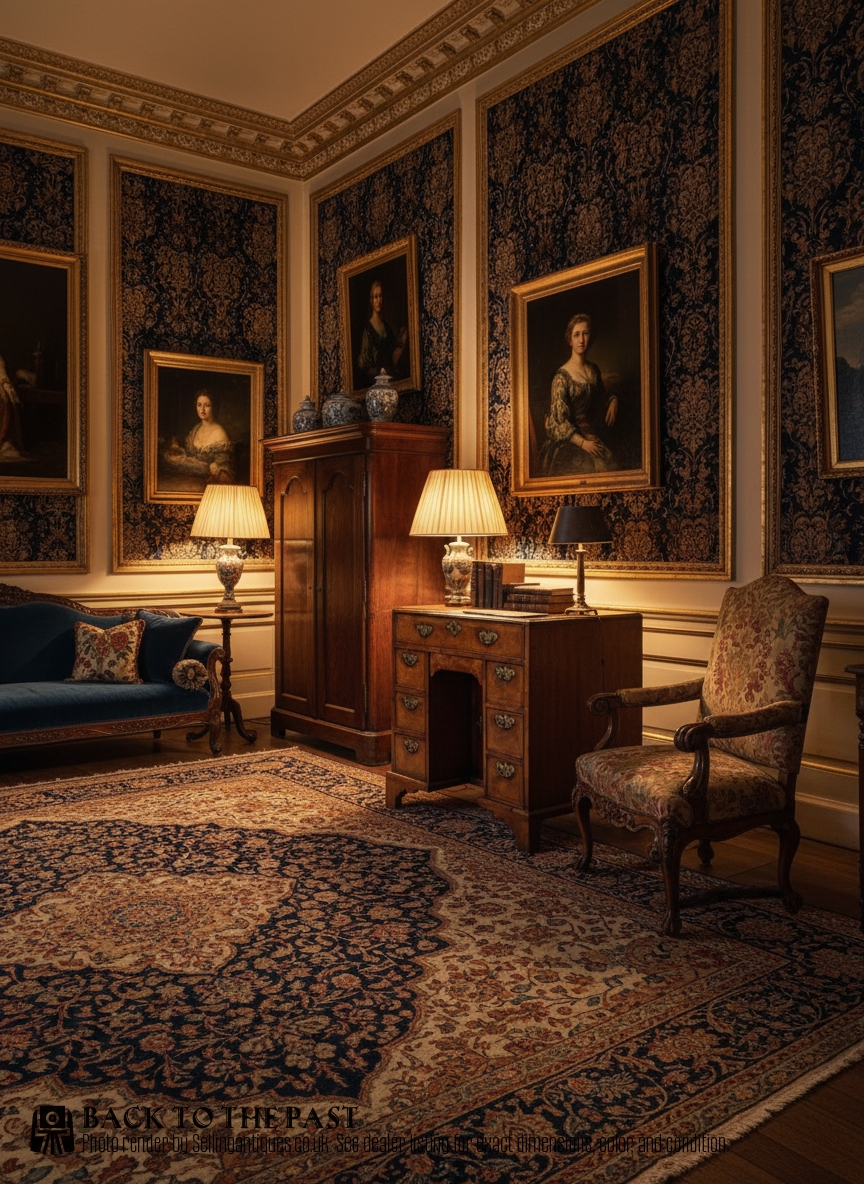
George II Writing Desk
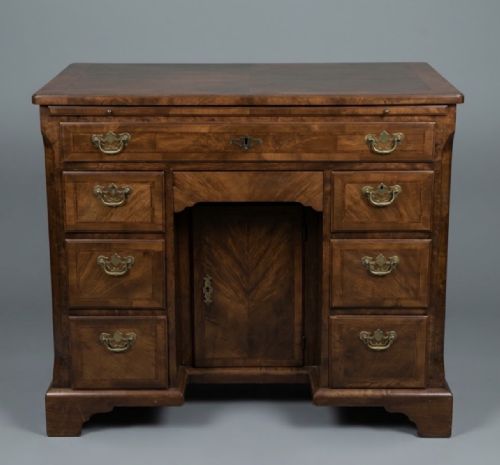
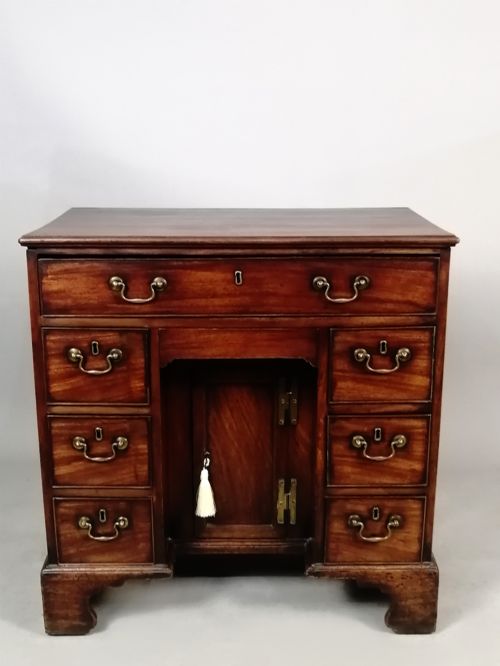
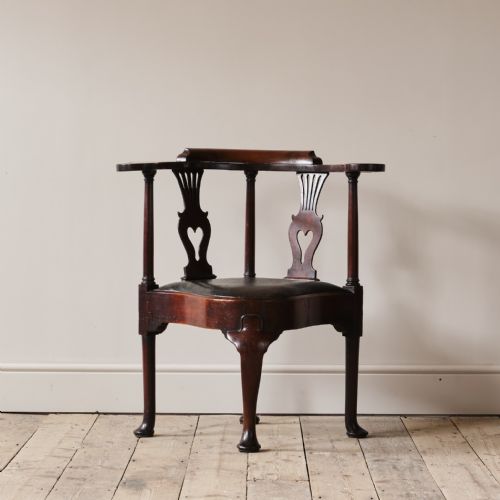
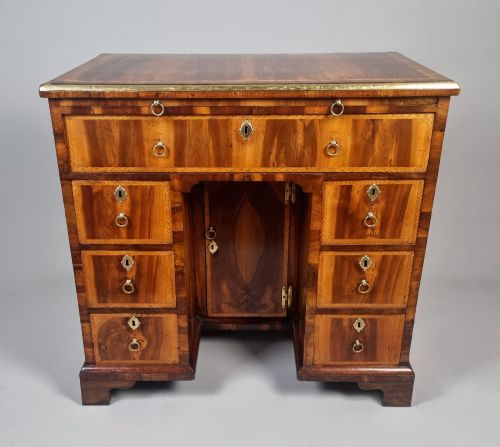
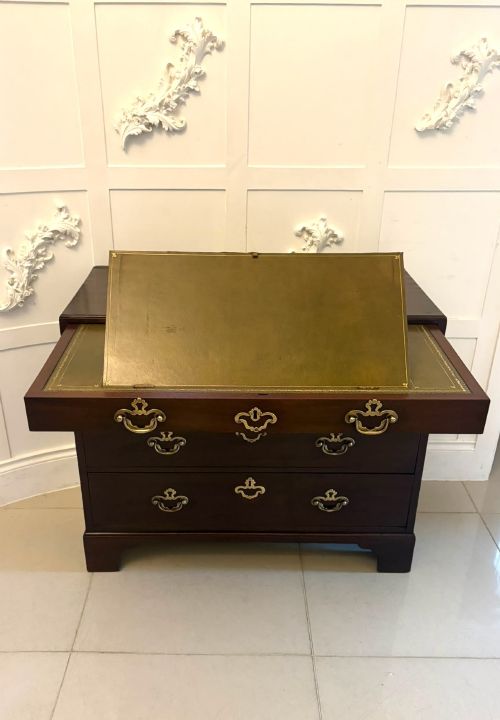
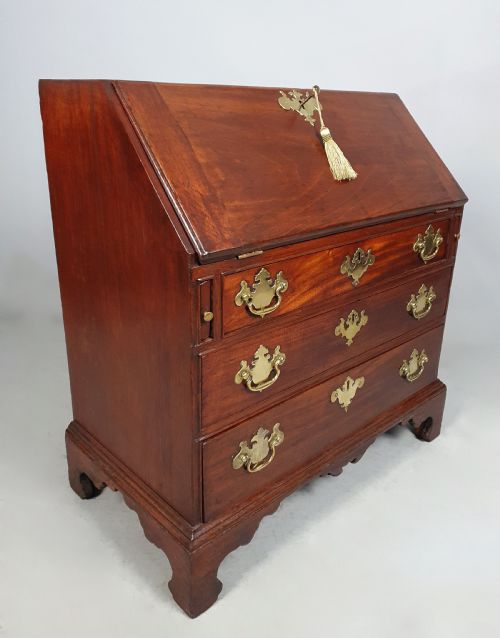
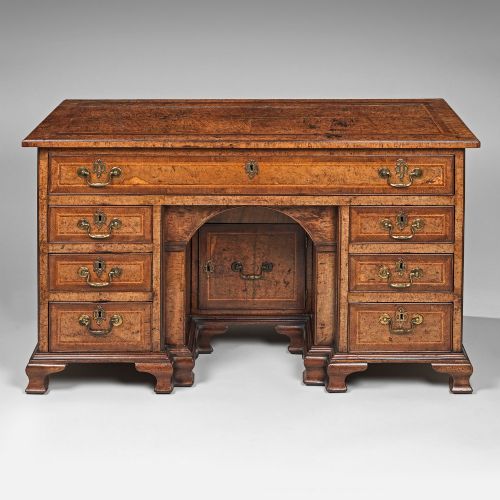
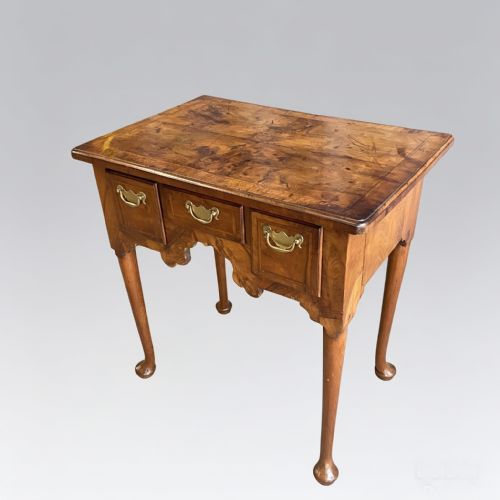
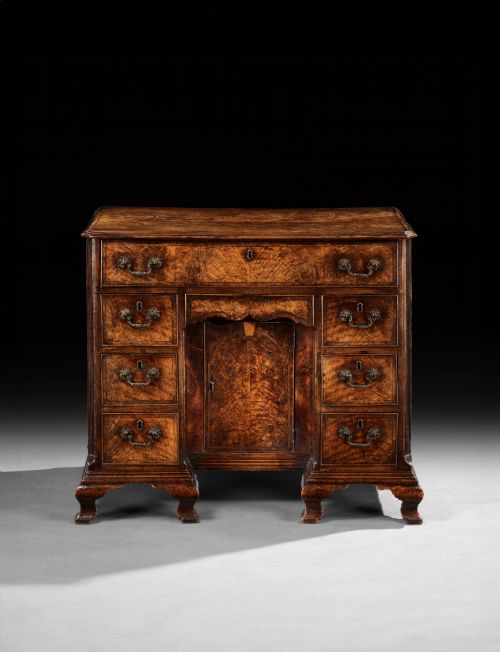
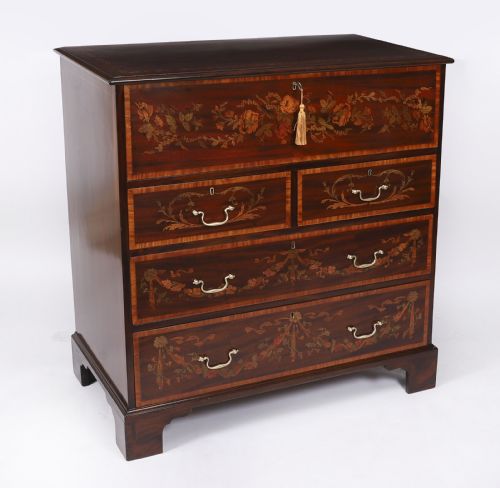
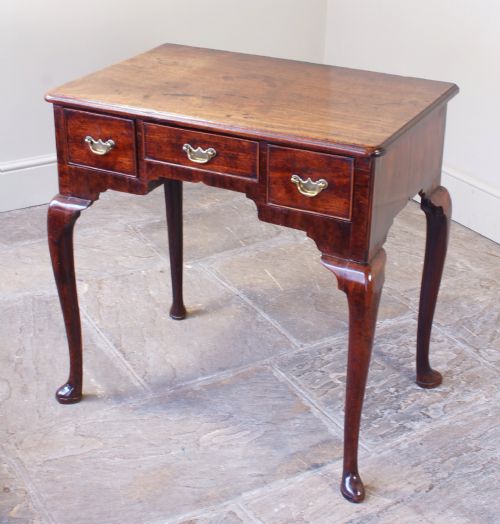
A george ii writing desk encompasses several distinct forms from the eighteenth century, including kneehole desks, bureau bookcases, and lowboys used for writing. These pieces span walnut, mahogany, and oak, often carrying the rich grain patterns favoured during the period.
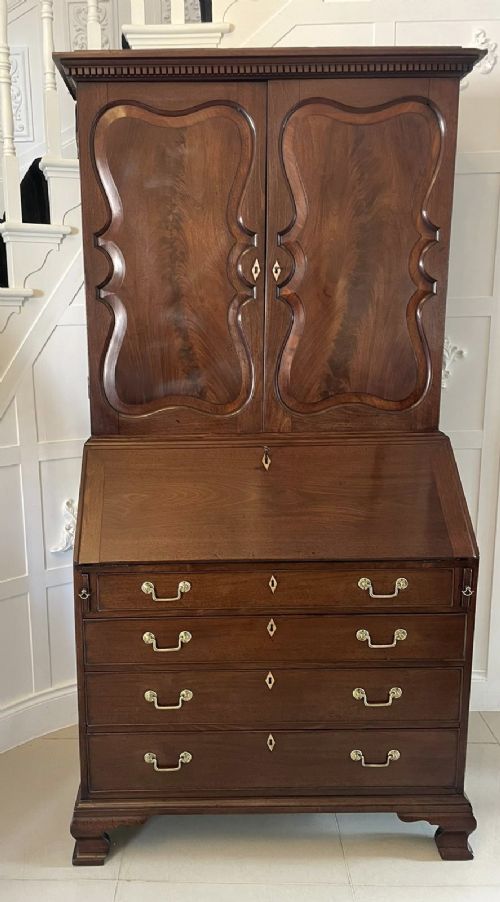
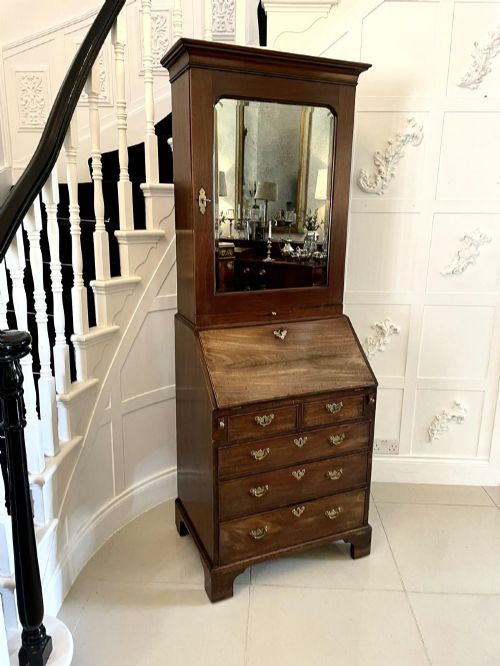
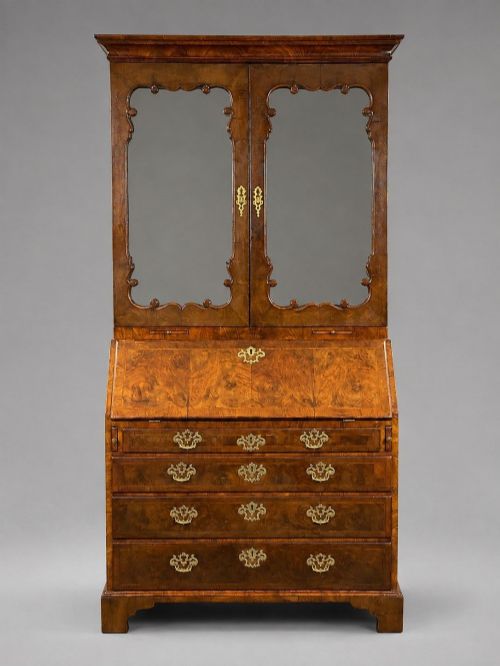
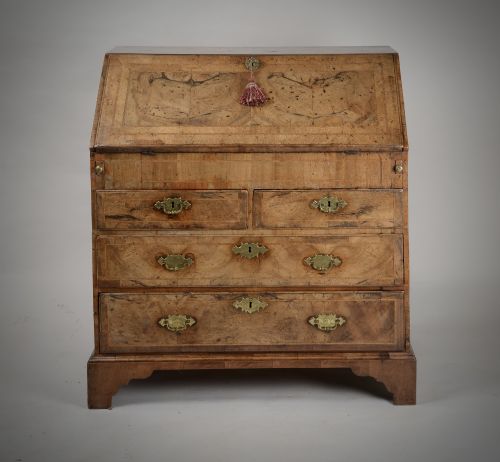
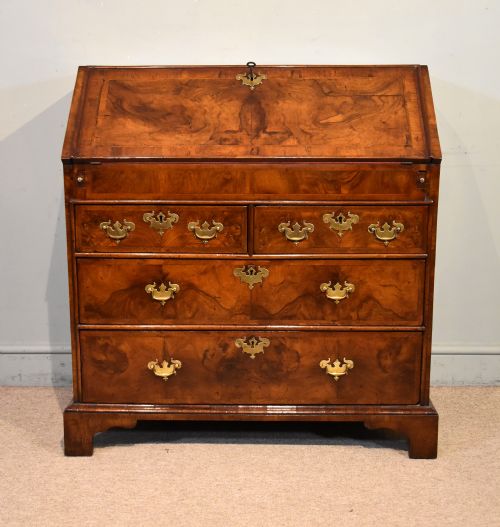
Bureau bookcases and drop-front bureaux dominate the surviving examples, alongside lowboys and kneehole desks that double as dressing tables. While the majority originate from the eighteenth century, later revivals also appear on the market.
Materials and Construction
Cabinet makers utilised dense hardwoods such as mahogany, walnut, burr walnut, and oak, frequently applying fine veneers over secondary timbers like cedarwood. Drawer linings and internal compartments display meticulous secondary wood selection.
Original brass handles, escutcheons, and hinges frequently accompany these pieces, fastened with period fixings. Carved details such as bracket feet and cockbeading frame the primary surfaces.
Listings feature oak, walnut, and mahogany pieces spanning the eighteenth century alongside nineteenth-century revival interpretations.
Execution and Timber Selection
The choice of timber underpins the visual weight of a piece, with figured mahogany, fiddleback walnut, and burr elm commanding attention through their natural grain movement. The intensity and matching of these veneers across drawer fronts reveal the cabinet maker's skill.
Internal configuration and secondary woods dictate the integrity of the construction, from fitted writing compartments to secret drawers. The retention of original brasses and untouched surface patination separates works of high ambition from standard examples.
The George II Writing Desk Glossary
- Kneehole desk
- A compact desk featuring a central recessed cupboard flanked by pedestals of small drawers. This form allows the user to sit comfortably with legroom beneath the writing surface.
- Bureau bookcase
- A tall cabinet combining a sloping drop-front writing desk at the lower section with glazed or panelled shelving doors above. It serves as both a working station and a display case for books.
- Lowboy
- A small side table with one or more rows of drawers beneath the top, frequently utilised as a writing table or dressing chest. These tables stand on slender cabriole or straight legs.
- Fiddleback walnut
- A figured veneer exhibiting a wavy, undulating grain pattern that resembles the wood used for the back of a violin. Cabinet makers prized this selection for its decorative optical depth.
- Cockbeading
- A narrow rounded moulding projecting around the edges of drawer openings. This technique frames the drawer fronts and protects the edges from chipping.
George II Writing Desk: Frequently Asked Questions
What is a george ii writing desk?
A george ii writing desk is a piece of antique English furniture produced during the reign of King George the Second. These works include kneehole desks, drop-front bureaux, and lowboys designed for correspondence and administrative tasks.
Craftsmen built these items using dense timbers such as walnut, mahogany, and oak. They often feature fitted internal compartments, pigeonholes, and small drawers behind the main writing surface.
How were these desks used originally?
Owners used these desks for letter writing, keeping household accounts, and storing private documents. The drop-front bureau provided a concealed writing slope that locked shut when not in use.
Kneehole desks and lowboys offered a stable surface for paperwork while keeping inkwells and stationery close at hand within the surrounding drawers.
How do I care for antique walnut?
Antique walnut surfaces require stable indoor humidity levels and protection from direct sunlight to prevent veneer cracking and fading. Regular dusting with a soft, dry cloth maintains the finish without stripping the historical patination.
Avoid silicone-based polishes and excessive moisture. Traditional wax feeds the timber and preserves the natural lustre developed over centuries.
How do I distinguish eighteenth-century pieces from revivals?
Distinguishing period pieces involves examining the construction methods, tool marks, and ageing of the secondary woods inside the drawers. Eighteenth-century furniture displays hand-cut dovetails and timber shrinkage consistent with age.
Revival pieces from later centuries often employ machine-sawn elements and standardised hardware fittings. The wear patterns on footings and writing surfaces also offer clues to the actual age of the item.