
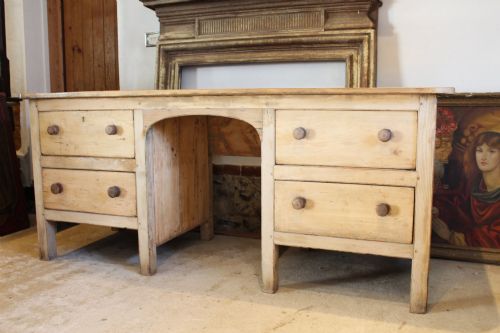


Antique Kneehole Dresser
These antique kneehole dresser options bring practical storage and period character to a room.
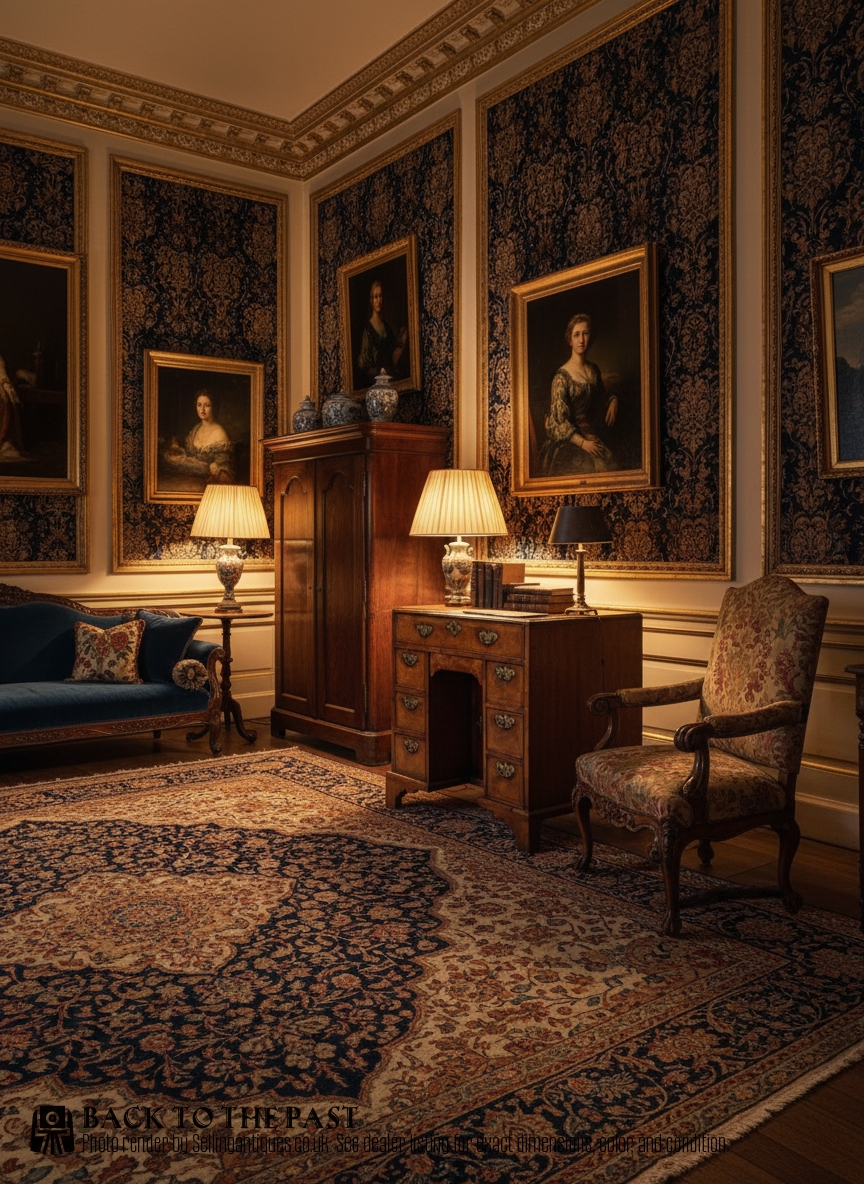
Antique Kneehole Dresser
An antique kneehole dresser encompasses a varied group of wooden furniture pieces designed with a central recess for the legs, often fitted with flanking drawers and cupboards. When searching for an antique kneehole dresser, buyers encounter forms that overlap with writing desks, lowboys, and sideboards from Georgian, Regency, and Victorian periods.
The pieces listed on this page span several stylistic traditions, including English Country iterations in pine and painted finishes alongside more formal Georgian burr walnut and mahogany examples. Makers utilised native timbers such as oak, cherrywood, and sycamore, shaping them into functional items that served as dressing tables, kitchen islands, or writing desks.
Domestic interiors of the eighteenth and nineteenth centuries relied on these versatile items for daily administration and storage. The survival of painted pine country pieces alongside fine mahogany and burr walnut desks demonstrates the broad social spectrum these items originally inhabited.
How they were made
Cabinetmakers constructed these pieces using solid timbers like oak, pine, cherrywood, and sycamore, frequently applying decorative veneers such as burr walnut or mahogany to primary surfaces. Structural elements relied on traditional joinery techniques, while secondary woods like pine appeared in drawer linings and internal framing.
Surface finishes range from clear polish that highlights the natural grain of cherrywood and burr walnut to applied paint layers found on country pieces and simulated pine surfaces. Brass hardware, including handles and escutcheons, completed the construction and provided functional access to drawers.
Dog kennel dressers included a distinct central arch meant to house a pet, blending domestic utility with animal companionship.
What varies in quality
The choice of primary timber significantly dictates the distinction between standard utilitarian items and high-status formal furniture. Finely figured burr walnut and inlaid mahogany demand superior cabinetmaking skills compared to the straightforward construction seen in painted pine country furniture.
The sophistication of the internal joinery and the survival of original brass hardware and surface finishes influence the overall integrity of the piece. Subtle details in carving, such as those found on George II lowboys or Victorian Renaissance Revival sideboards, separate routine production from superior craftsmanship.
The Antique Kneehole Dresser Glossary
- Kneehole
- A recessed space beneath the central part of a desk, dressing table, or dresser designed to accommodate the user's legs. This configuration allows for comfortable seated writing or grooming.
- Lowboy
- A small table with drawers, typically standing on four legs, originating in the late seventeenth century. These pieces often function as dressing tables or side tables.
- Burr Walnut
- A veneer sliced from the deformed growth or burr of a walnut tree, prized for its intricate, swirling grain patterns. Cabinetmakers utilised it on high-status Georgian furniture.
- Simulated Pine
- A painted or decorative surface treatment intended to mimic the appearance of a specific wood grain. Artisans applied this technique during the nineteenth century for decorative effect.
Antique Kneehole Dresser: Frequently Asked Questions
How do I identify periods?
Period identification relies on observing the combination of primary materials, structural proportions, and decorative motifs. Georgian pieces often display restrained classical lines and fine veneers, while Victorian items lean towards heavier proportions or revival styles.
Constructive details, such as the choice of secondary woods and the style of brass hardware, further anchor a piece to its nineteenth or eighteenth-century origin.
Where were they used?
These pieces found placement in bedrooms as dressing tables, in libraries as writing desks, and in kitchens or country houses as multi-purpose islands and sideboards. Their flexible design accommodated the varied domestic routines of past centuries.
Formal versions sat in panelled reception rooms, whereas painted pine iterations belonged in domestic quarters or rural country houses.
How do I care for them?
Maintaining antique wooden furniture involves keeping pieces away from direct heat sources and sudden humidity changes to protect the timber and veneers. Regular dusting with a soft, dry cloth preserves the polished surface.
Harsh chemical cleaners should be avoided in favour of traditional beeswax formulations where a wax finish is present.