
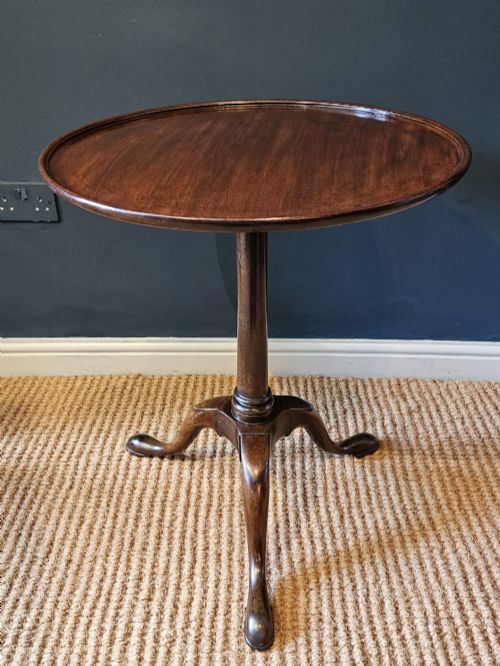
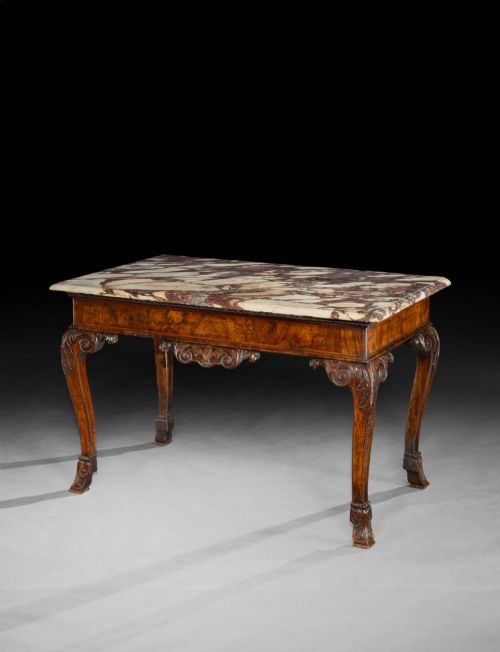

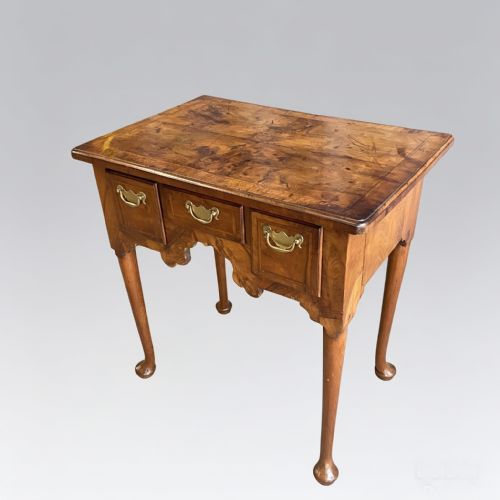
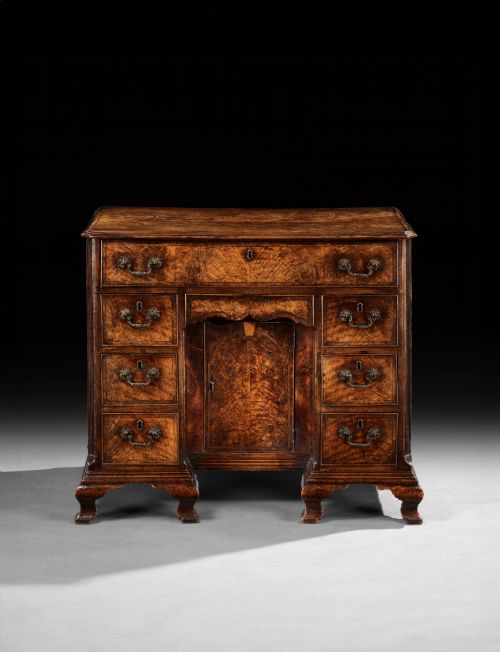
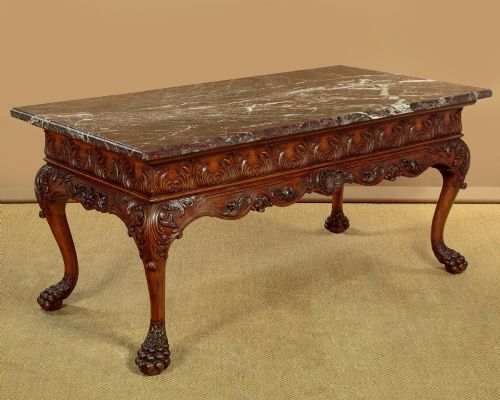
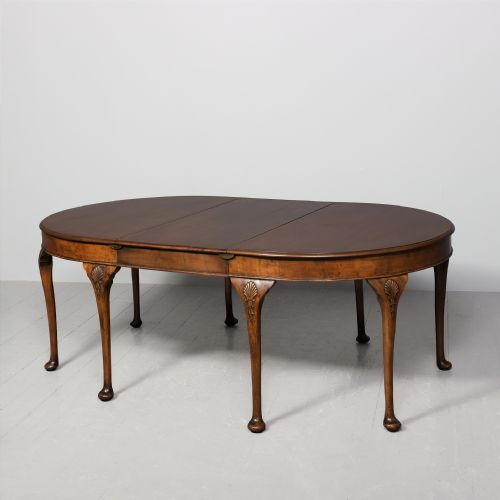


George II Walnut Table
These pieces combine figured timber and restrained proportion, offering the particular warmth of an authentic george ii walnut table in any room.
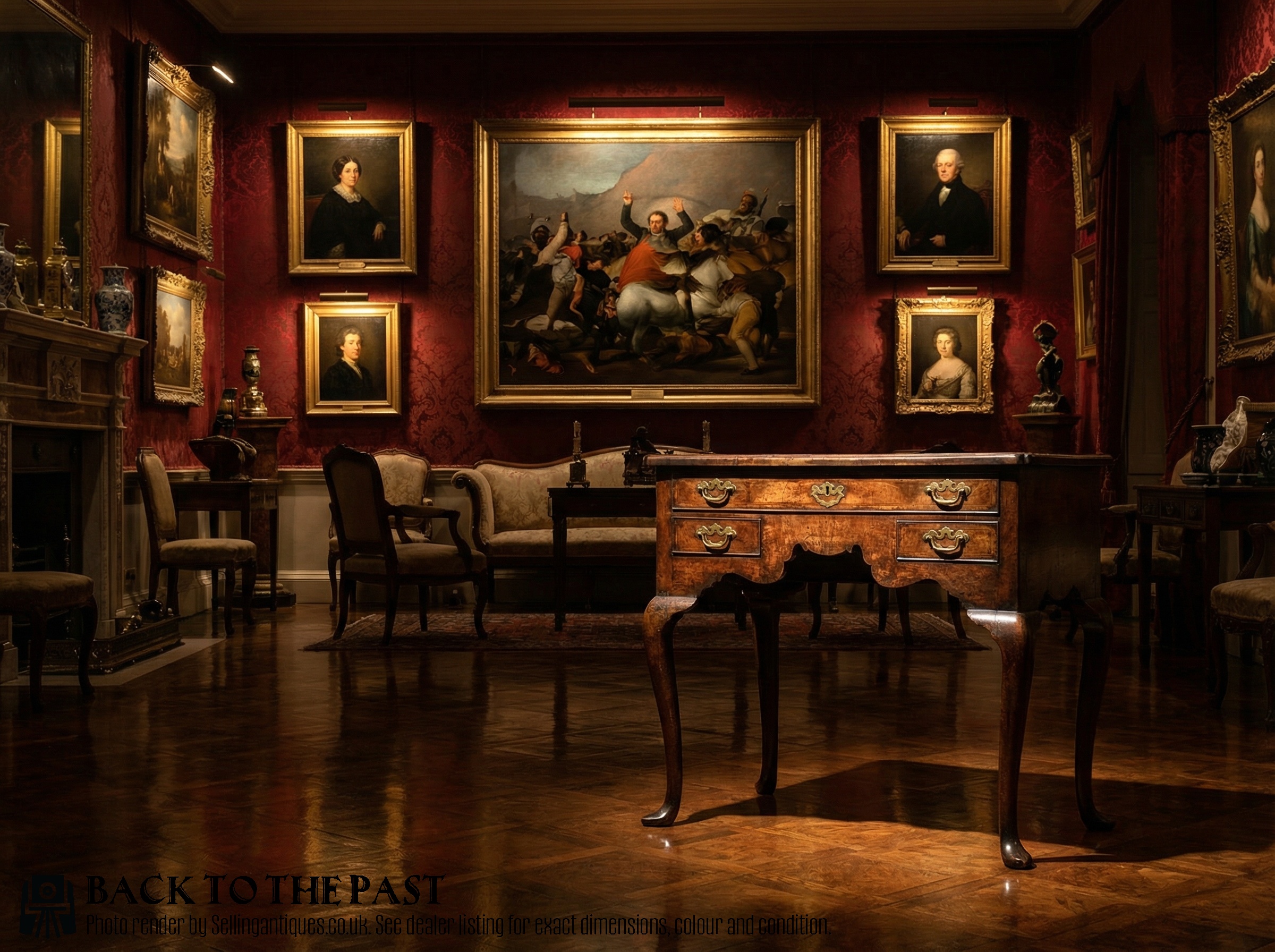
George II Walnut Table
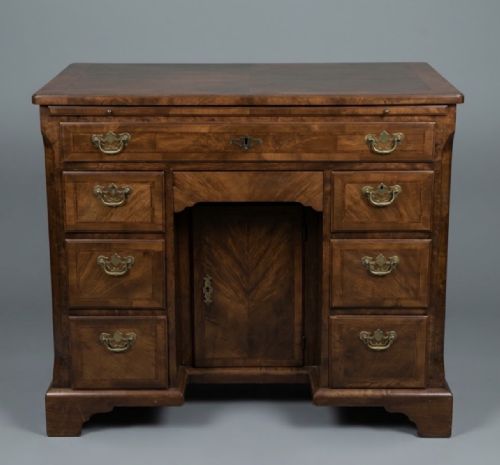
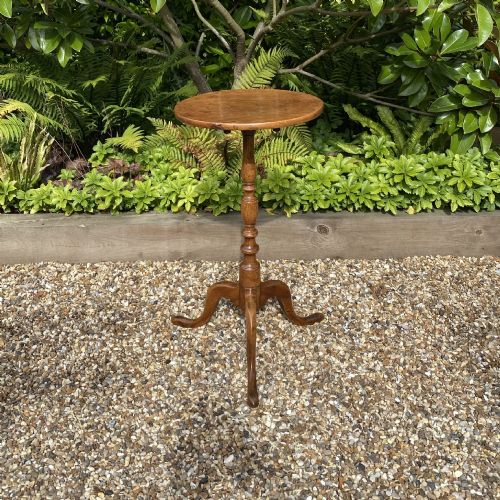
A george ii walnut table encompasses forms built primarily during the eighteenth century, alongside later revival pieces produced through the Victorian era and into the twentieth century. The selection spans utilitarian surfaces and formal furniture, including side tables, lowboys, card tables, and dining pieces.
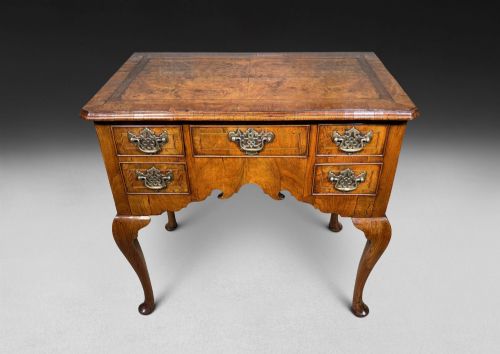
Lowboys and tea tables dominate the selection, often featuring feather banding or plain walnut veneers laid over secondary timbers such as oak. Buyers meet both authentic eighteenth-century examples and revival pieces carrying the distinct proportions of the period.
Materials and construction
Cabinetmakers utilised figured, burr, and red walnut timbers, frequently selecting Virginia walnut or fruitwood for secondary framing and drawer linings. Veneers were applied with deliberate grain matching, sometimes framed by delicate feather banding or cross-banding in lighter woods.
Joinery techniques relied on pegged mortise and tenon frames for structural support, while brass hardware such as drop handles and escutcheons secured drawers and flaps. Timber selection dictated the surface figure, ranging from swirling burr patterns to straight-grained red walnut.
Listings feature eighteenth-century pieces alongside Victorian and twentieth-century revivals, constructed from walnut, red walnut, burr walnut, and fruitwood.
Distinctions in quality
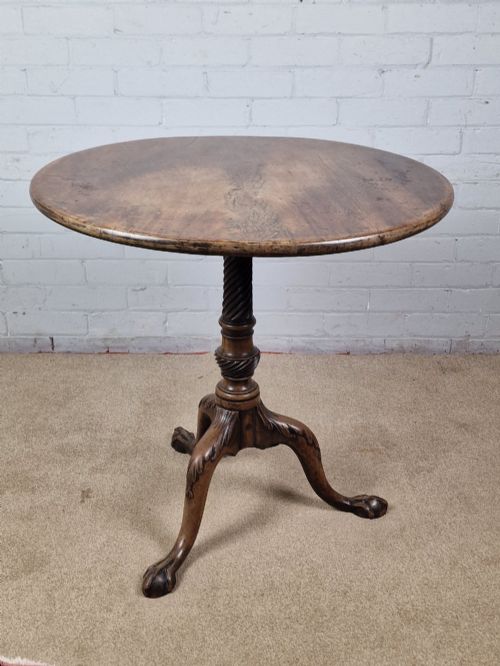
Quality rests upon the selection of the timber veneers and the crispness of any carved detail, such as shell motifs on knees or ball-and-claw feet. Early pieces with untouched surfaces and original brassware command greater regard than those with heavily restored or replaced elements.
The sophistication of the internal construction, including secondary timbers used in drawer boxes and the precision of the feather banding, separates standard provincial work from master cabinetmaking.
Mappin & Webb
The George II Walnut Table Glossary
- Lowboy
- A small dressing table or side table featuring a low set of drawers beneath a rectangular top. These surfaces typically stood on slender cabriole legs ending in pad or hoof feet.
- Feather banding
- An inlay technique using two strips of veneer laid diagonally to meet along a central line, creating a pattern resembling a bird feather. This decorative border usually frames table tops and drawer fronts.
- Snap top table
- A occasional table fitted with a catch and hinge mechanism allowing the top to tilt into a vertical position when not in use. This design saved floor space in smaller eighteenth-century rooms.
- Red walnut
- A dense, richly coloured timber imported from North America during the eighteenth century. Cabinetmakers favoured it for its deep tone and stability under carving.
George II Walnut Table: Frequently Asked Questions
How do I spot a true eighteenth-century table?
Examine the secondary woods inside the drawers, such as oak or pine, and look for hand-cut dovetails and tool marks consistent with period manufacture. Timber shrinkage, colour mellowing under wax, and original construction methods offer reliable guides to age.
Compare the carcass construction against known revival pieces from later centuries, which often display machine-cut elements or modern fixings beneath the surface.
What is the difference between red walnut and burr walnut?
Red walnut refers to the solid American timber known for its deep colour and durability under carving. Burr walnut denotes veneer sliced from the growth warts of the tree, prized for its swirling, highly decorative grain pattern.
Cabinetmakers typically reserved burr walnut for prominent surfaces like table tops and drawer fronts, while using red walnut for structural members and solid tops.
How were tea and games tables used?
Tea tables provided a stable surface for the ritual of serving tea from porcelain sets during the Georgian era. Games tables featured fold-over tops that revealed lined playing surfaces for cards or chess.
These versatile items stood against walls when closed and moved into the centre of the room during social gatherings.