


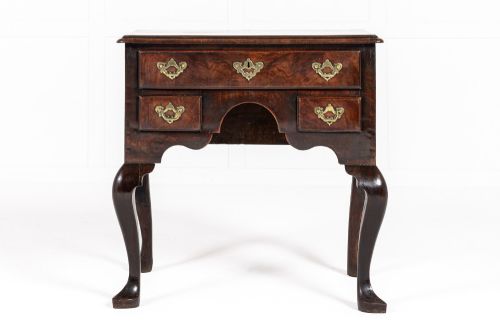
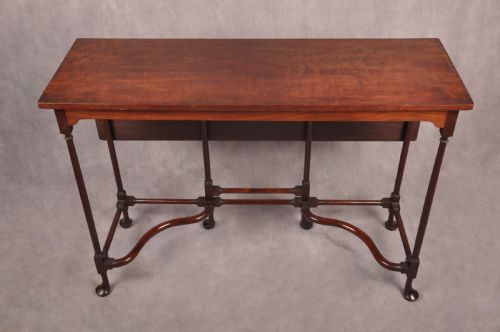

George II Occasional Table
A george ii occasional table brings mid-eighteenth-century proportion and warm timber grain into a room.
George II Occasional Table
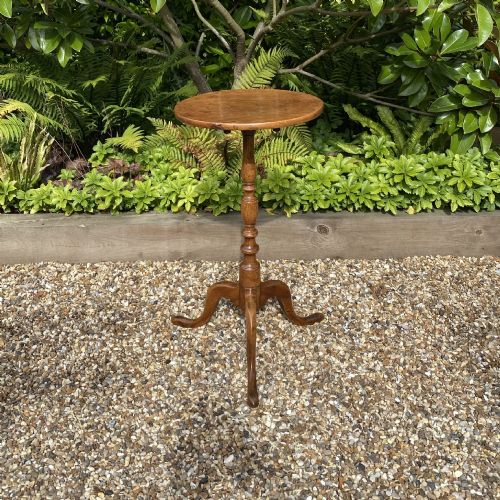
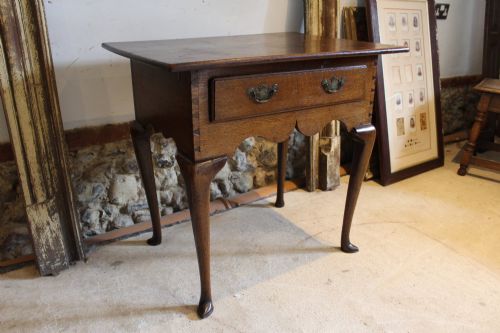
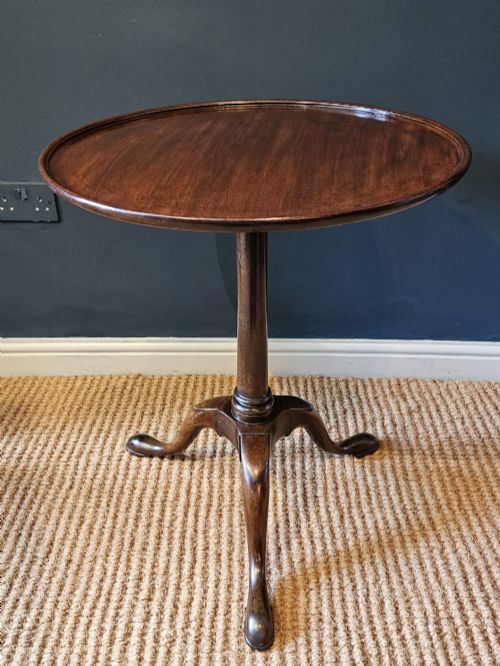
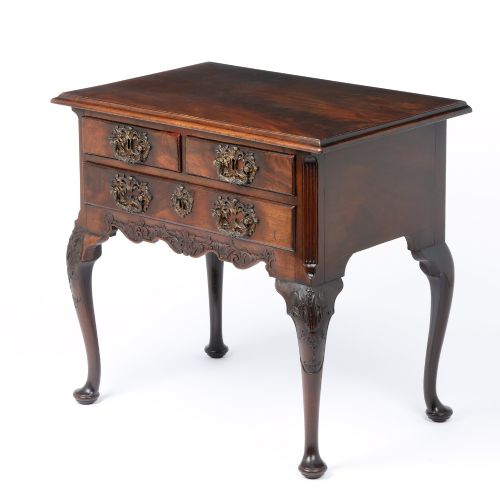
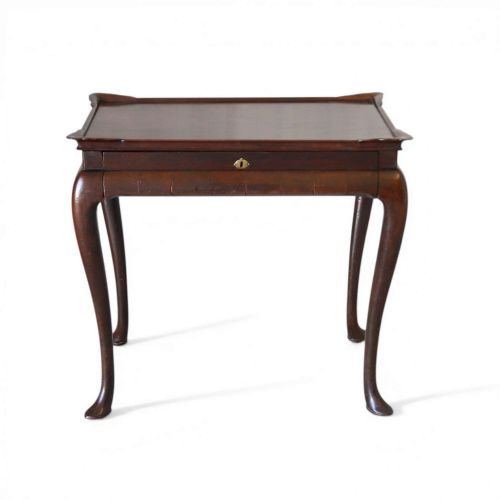
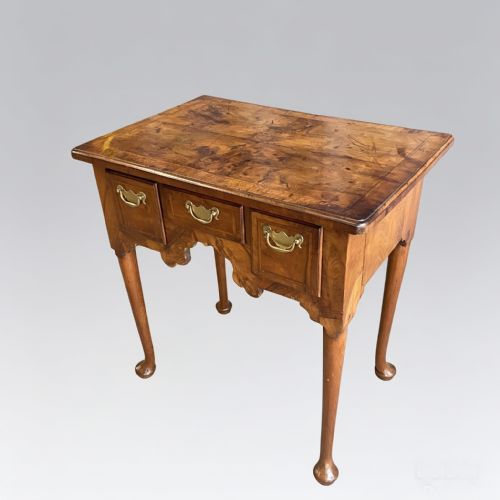
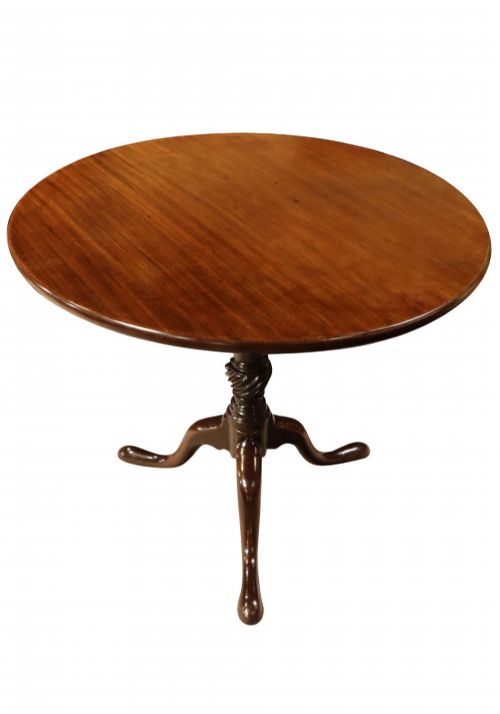
A george ii occasional table encompasses versatile domestic furnishings designed during the mid-eighteenth century, taking the form of wine tables, lowboys, tea tables, and tilt-top tripod pieces. These items served specific functional roles in the Georgian home, from holding silver and candles to supporting tea services or needlework.
How these timbers and structures were shaped
Cabinetmakers constructed these pieces predominantly using native oak and imported dense hardwoods such as mahogany, red walnut, and Cuban mahogany, occasionally incorporating brass hardware and needlework. Timber selection dictated the weight and visual depth of the surface, with Cuban mahogany and red walnut providing robust foundations for carved tripod bases and tray tops.
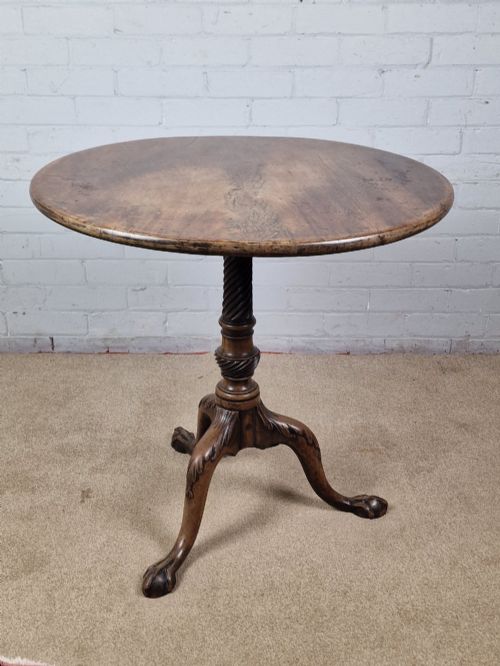
Construction techniques relied on stable joinery to support pivoting tops, drop leaves, and slender cabriole legs. Tripod designs utilised snap-top or tilt-top mechanisms fitted to turned or spiral twist columns, while lowboys and side tables featured dovetailed drawer construction and pad feet.
George II Occasional Table Retail Price Guide 2026
Typical asking prices for george ii occasional table among the pieces listed under this phrase on Sellingantiques today, from the lower quarter to the upper quarter. They describe what is for sale here now, not the wider market.
Spiral twist columns offer an irresistible excuse to run your fingertips along a mid-eighteenth-century grain.
What separates the finest examples
Quality rests in the crispness of timber carving, the preservation of original patination, and the integrity of the structural joints. Pieces retaining undisturbed surface age alongside precise cabriole leg shaping command greater regard among collectors.
Proportion and material selection further distinguish the standard of work. High-grade examples utilise richly figured Cuban mahogany or figured walnut paired with balanced framing and well-proportioned tripod supports.
The George II Occasional Table Glossary
- Lowboy
- A small side table featuring one or more drawers and cabriole legs, commonly used during the eighteenth century as a dressing or writing surface.
- Snap top
- A hinged tabletop that tilts vertically when not in use, secured horizontally by a catch or spring mechanism.
- Tripod table
- A small occasional table supported by a central pillar resting on three curving legs.
- Pad foot
- A simple rounded foot shape terminating a cabriole leg, frequently seen on mid-eighteenth-century tables.
- Tray top
- A tabletop finished with a raised moulded rim designed to prevent items from rolling off the edge.
George II Occasional Table: Frequently Asked Questions
What is a george ii occasional table used for?
These pieces function as compact display surfaces, bedside stands, or drink supports within modern and traditional interiors. Their modest scale allows them to fit easily beside seating arrangements.
Historically, specific forms handled tea service, candle lighting, or needlework storage. Today, they serve equally well as lamp tables or decorative accents.
How do you date a george ii occasional table?
Dating relies on timber species, construction joinery methods, and characteristic leg profiles such as the cabriole shape. Eighteenth-century pieces display hand-cut joinery and period-specific surface wear.
Later nineteenth and twentieth-century revivals often utilise machine-sawn timber or different secondary woods beneath the primary surface.
Are these tables sturdy enough for daily use?
Solid hardwood construction provides considerable natural strength for everyday domestic tasks. Tripod and tilt-top mechanisms remain functional when joints are properly maintained.
Placing items with balanced weight distribution preserves the stability of slender central columns and tripod legs over time.
How do walnut and mahogany pieces differ?
Walnut variants belong typically to the earlier portion of the period, displaying rich figuring and softer warm tones. Red walnut and Cuban mahogany introduced denser grain patterns and darker patination.
Both timbers respond well to traditional wax maintenance, developing deeper surface character through generations of handling.