


George II Hall Table
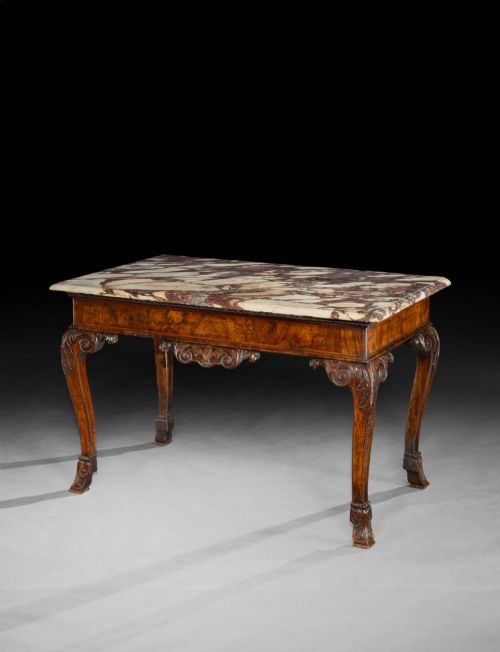
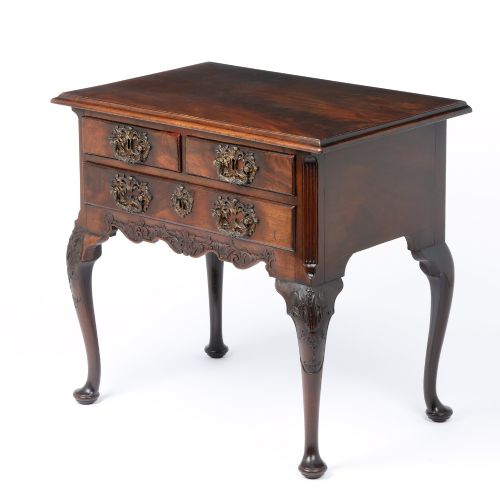
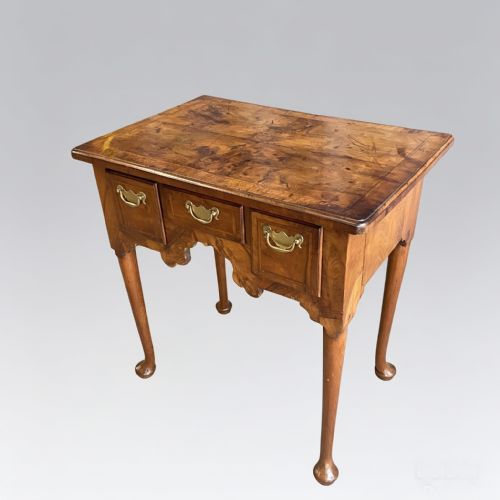
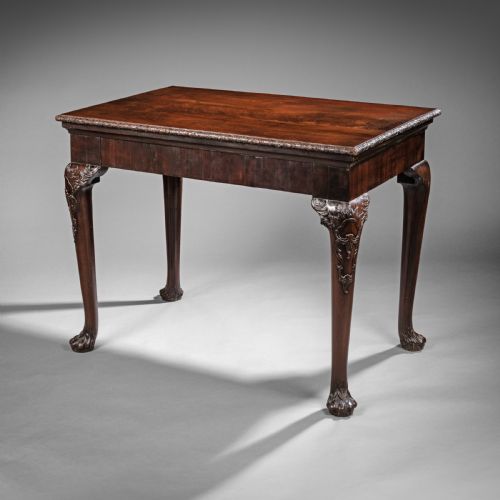
When you want a george ii hall table, you are looking at lowboys, side tables, and console tables from the mid-eighteenth century.
George II Hall Table
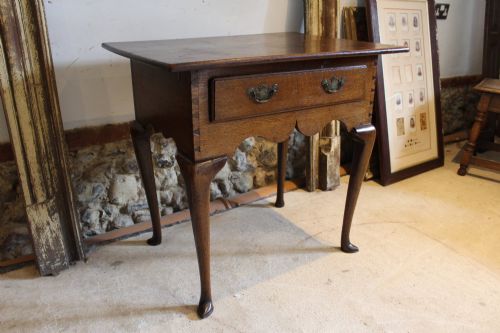
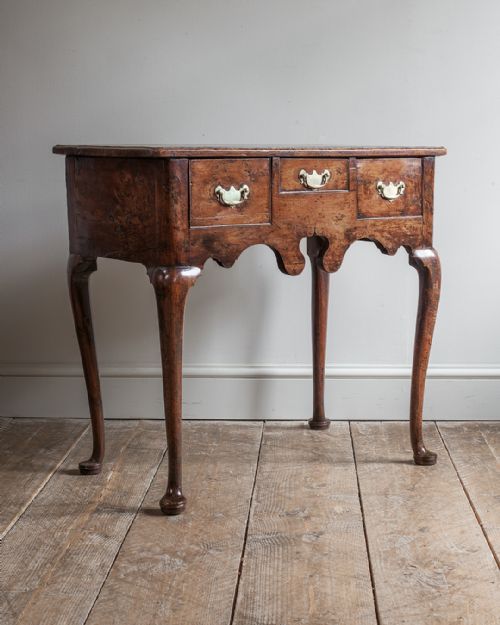
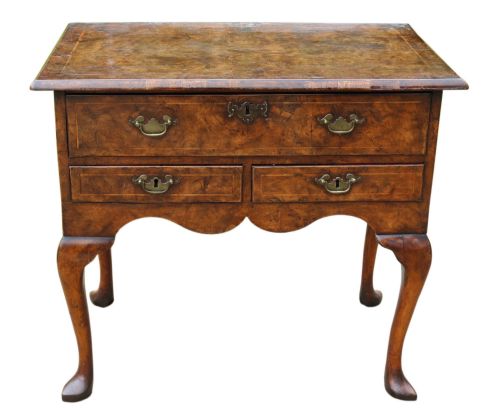
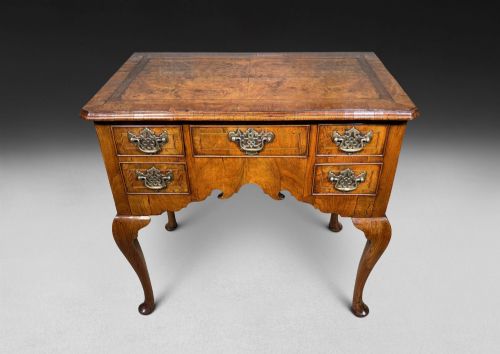
A george ii hall table generally takes the form of a lowboy or a side table built during the mid-eighteenth century. These pieces serve functional purposes in hallways and reception rooms, often featuring multiple drawers for storage.
The selections available span various timber types from the period, including oak, walnut, and mahogany. Many pieces reflect regional cabinet-making traditions, such as Irish console tables or provincial English oak examples.
How they were made
Cabinet-makers of the period utilised solid native and imported timbers, pairing oak and walnut with figured mahogany and burr veneers. Surfaces often incorporate marble inserts or display detailed carving on the frieze and legs.
Construction techniques involve traditional jointing methods, such as dovetails for drawer construction and tenons for framing. Cabriole legs frequently terminate in pad or claw-and-ball feet, reflecting the prevailing style.
Listings for a george ii hall table frequently feature oak, walnut, and mahogany timbers alongside marble tops.
What varies in quality
The standard of a george ii hall table depends heavily on the choice of timber and the complexity of its carving. Highly figured burr walnut and Cuban mahogany elevate a piece above standard regional oak variants.
Proportion and the crispness of carved details distinguish finer examples from simpler provincial work. Original surface patination and minimal timber replacement also play a significant role in determining overall character.
Gillows of Lancaster
The George II Hall Table Glossary
- Lowboy
- A small table with drawers, commonly used as a dressing table or side table during the eighteenth century.
- Cabriole leg
- A furniture leg that curves out and then in, typically mimicking animal limbs.
- Pad foot
- A simple foot shape where the leg terminates in a flat or rounded pad resting directly on the floor.
- Console table
- A table designed to be fixed against a wall, frequently supported by ornamental brackets or legs.
- Burr walnut
- Timber taken from a tree growth featuring intricate, swirling grain patterns highly prized for veneer work.
George II Hall Table: Frequently Asked Questions
What is a george ii hall table used for?
These tables function as surface furniture in entryways and reception rooms for holding lamps, decorative items, or correspondence.
Historically, lowboys and console tables provided a convenient spot near the entrance of a home for placing everyday items.
Are these tables made of solid mahogany?
Many tables utilise solid timbers, particularly in regional pieces made from oak, cherrywood, or fruitwood.
Finer urban pieces frequently employ mahogany or walnut veneers applied over secondary woods like oak or pine.
Where were these tables manufactured?
Production occurred across both metropolitan workshops in London and provincial cabinet-makers operating throughout English and Irish counties.
Regional differences in timber availability often dictated whether a maker used local oak and fruitwood or imported mahogany.