

George II Drawers
These george ii drawers represent the cabinetmaker's art of the mid-eighteenth century, offering substantial storage built in rich walnut, mahogany, and oak.
George II Drawers
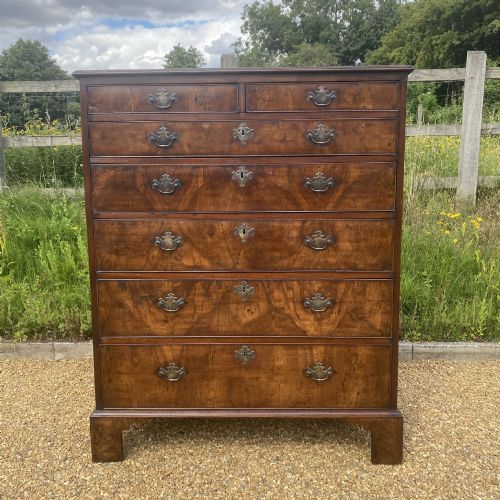
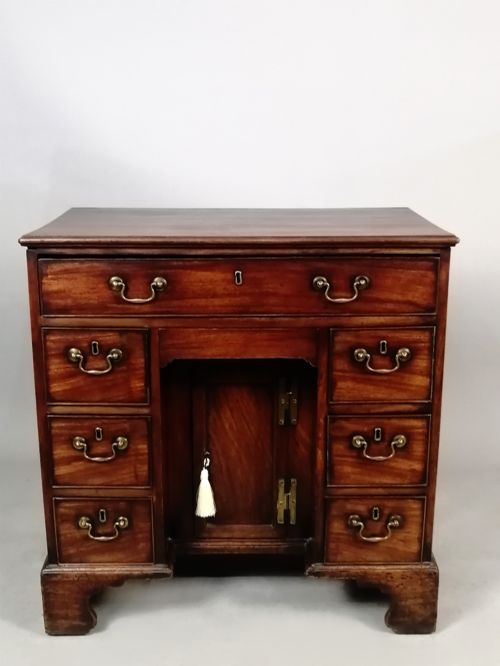
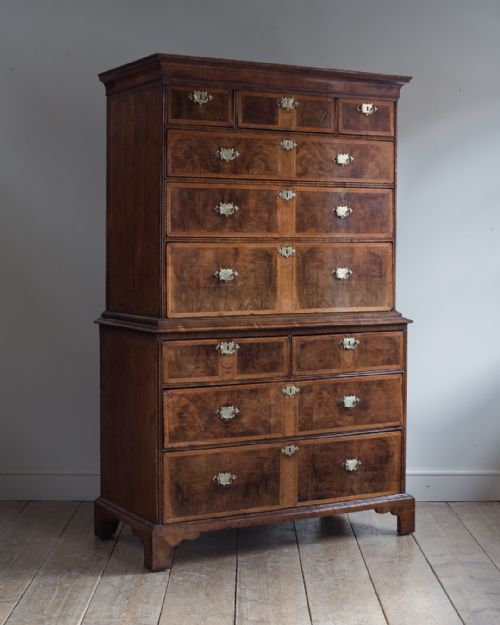
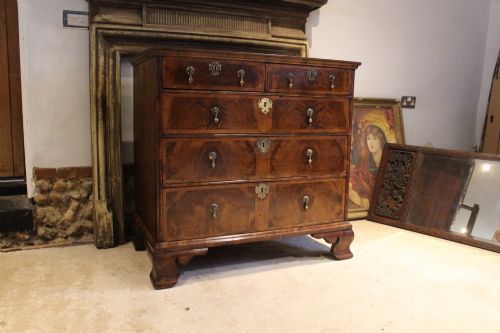
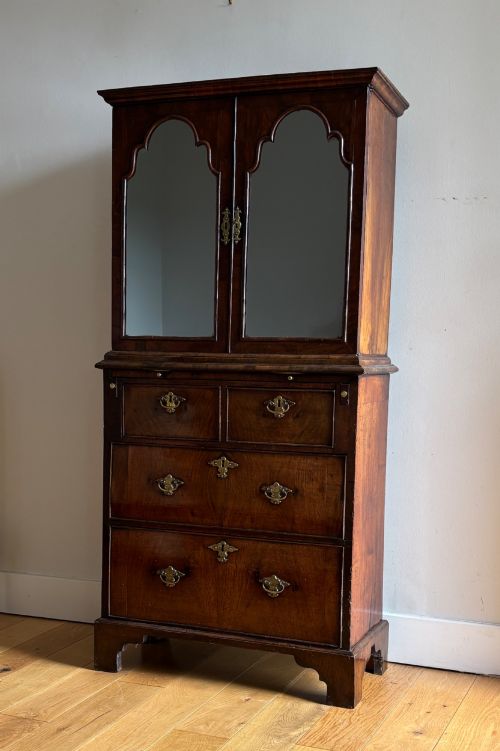
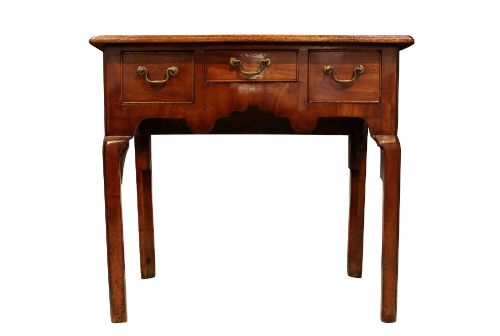
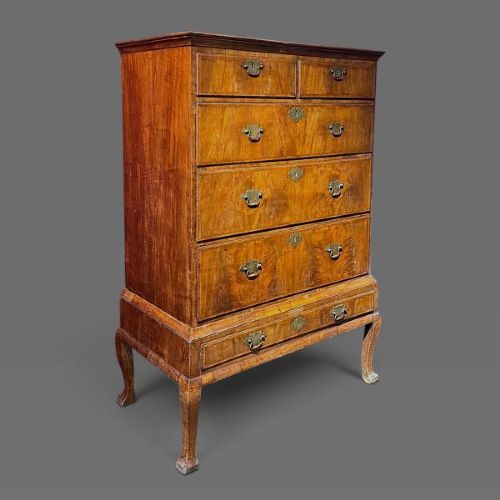
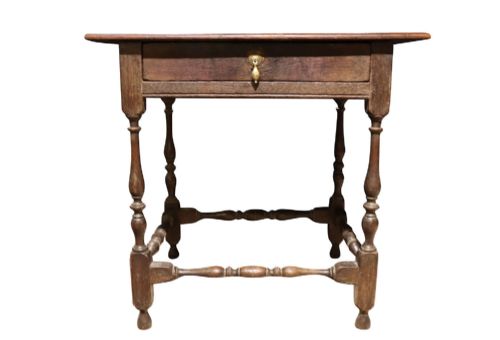
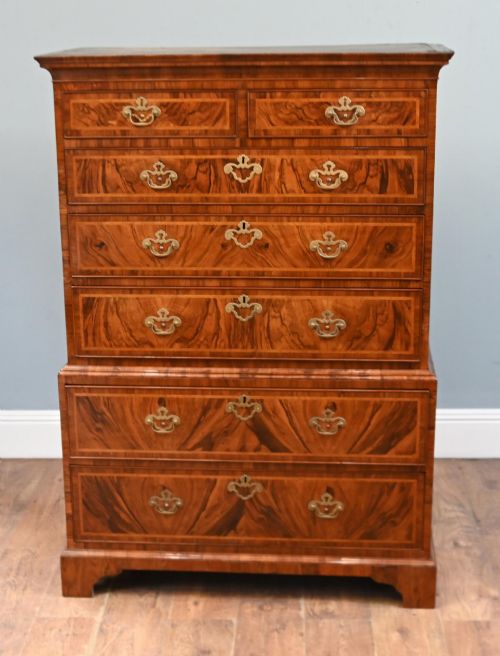
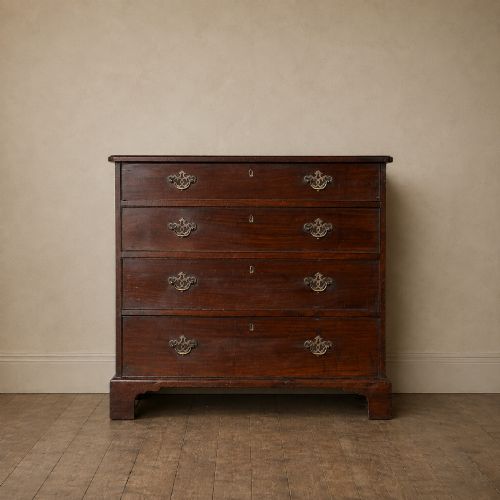
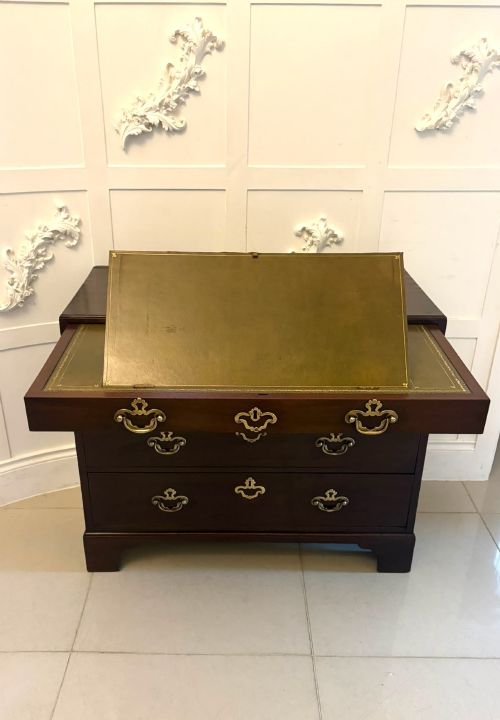
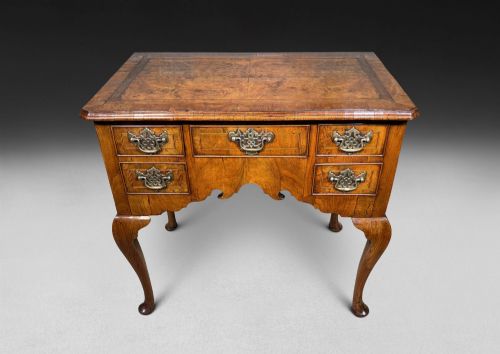
When searching for george ii drawers, buyers encounter pieces originating primarily from the eighteenth century, spanning periods marked by stylistic transitions from walnut to mahogany. The selection incorporates upright chests of drawers, multi-tiered chests on chest, and practical lowboys fitted with multiple smaller compartments.
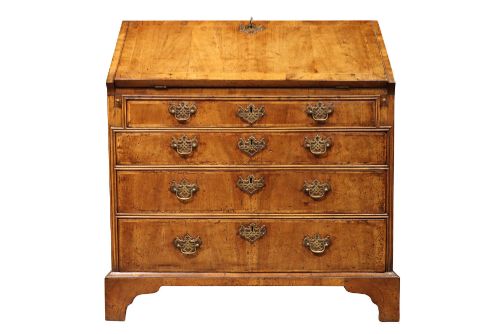
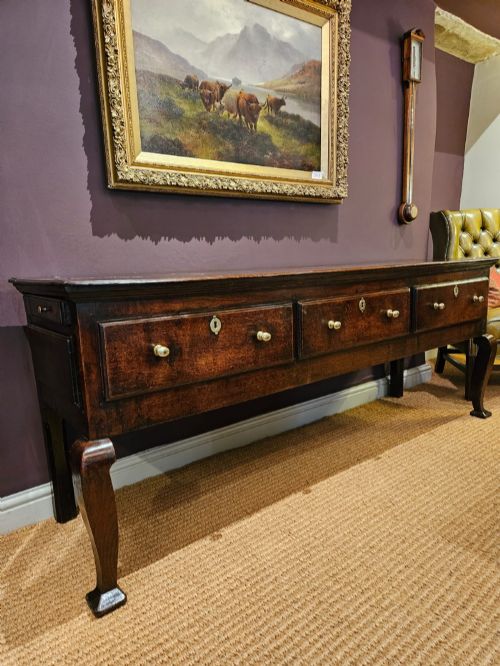
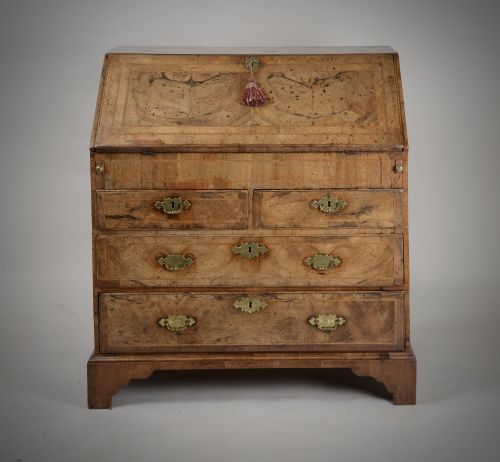
Beyond standard drawer units, the category encompasses related forms featuring integrated writing surfaces such as bureaux, alongside dresser bases and side tables with drawer configurations. Most visible examples display the proportions and timber selections typical of the 1700 to 1760 decades, with occasional revival pieces from later centuries.
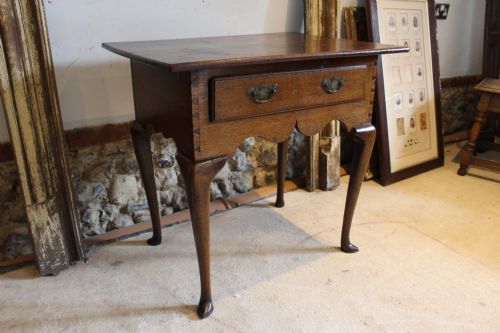
Origins range from formal urban cabinet shops utilising exotic imported hardwoods to regional workshops employing native British timbers like oak and cherrywood. Buyers frequently meet walnut chests featuring figured veneers alongside mahogany examples produced during the Chippendale period.
Assessing Quality
Quality rests upon the selection and matching of timber veneers, where superior examples exhibit symmetrical figuring and careful grain continuity across drawer fronts. The crispness of hand-cut mouldings and the integrity of the underlying joinery distinguish exceptional workshop production from utilitarian output.
Proportions and scale dictate value, with smaller dimensions and well-balanced facades commanding greater attention. The preservation of original brass hardware, secondary timber linings, and undisturbed surface patination further separates superior survivals from altered pieces.
George II Drawers Retail Price Guide 2026
Typical asking prices for george ii drawers among the pieces listed under this phrase on Sellingantiques today, from the lower quarter to the upper quarter. They describe what is for sale here now, not the wider market.
Current listings feature eighteenth-century pieces constructed from walnut, mahogany, and oak, alongside later revival interpretations.
The George II Drawers Glossary
- Chest on chest
- A tall storage unit comprising two separate carcases stacked vertically, with a smaller upper section resting on a wider base.
- Lowboy
- A small side table fitted with one or more rows of drawers, typically supported on slender cabriole legs.
- Bureau
- A writing cabinet featuring a sloping fall-front that opens to reveal internal pigeonholes and small drawers.
- Feather banding
- A decorative inlay technique using veneer strips cut diagonally to form a herringbone pattern around drawer perimeters.
- Brush slide
- A pull-out shelf integrated above the top drawer, traditionally utilised for dusting garments or writing.
George II Drawers: Frequently Asked Questions
How do I identify a genuine period piece?
Examine the construction methods visible within the drawer linings and carcase joints, looking for hand-cut dovetails and tool marks consistent with eighteenth-century workshop practices.
Material composition also provides clues, as period makers utilised specific secondary timbers and native woods that differ from later revival manufacturing standards.
What timber was most commonly used?
Early examples frequently employ walnut, often featuring figured or burr veneers applied over oak or pine carcases.
As the century progressed, mahogany became dominant, particularly in Cuban and red varieties utilised by cabinetmakers during the Chippendale period.
Where were these items placed historically?
Chests of drawers and tallboys stood principally within bedchambers to store linens and personal garments out of sight.
Lowboys and side tables occupied reception rooms or hallways, serving functional roles for writing or holding small objects.
How should I care for wooden surfaces?
Maintain consistent indoor humidity levels to prevent timber shrinkage and veneer separation caused by central heating.
Apply traditional wax polishes sparingly and buff gently with soft cloths to preserve the historic surface patination without stripping the finish.