



George II Desk Chair
A george ii desk chair brings substantial timber and period proportion to a study, offering a commanding seat designed for writing or reading.
George II Desk Chair
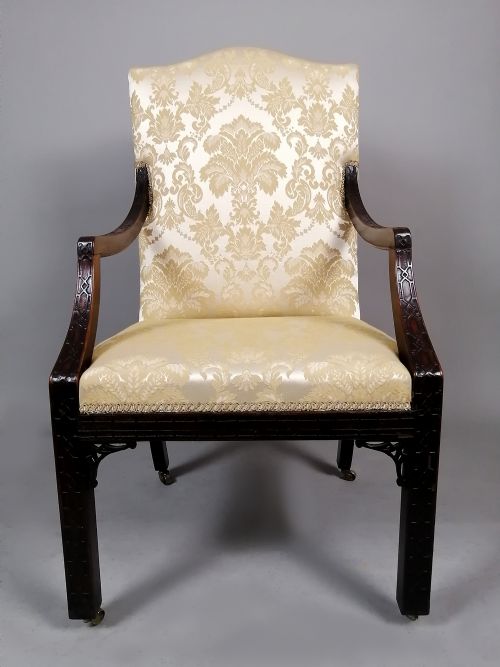
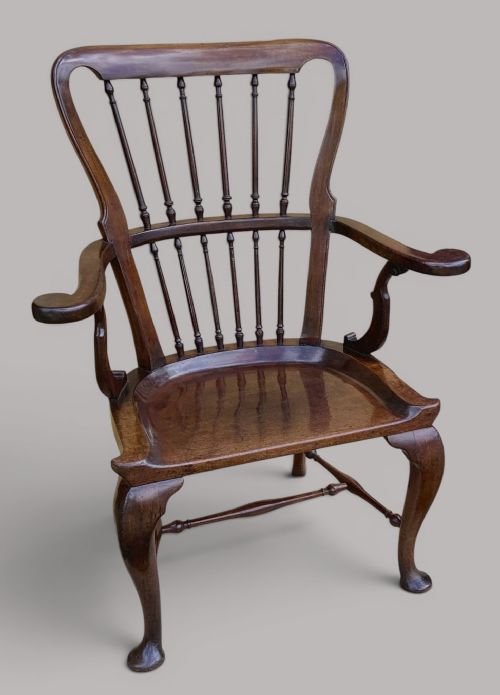
When you search for a george ii desk chair, you encounter robust seating forms designed for writing, reading, and administrative tasks. The listings here present pieces originating from the eighteenth century alongside later nineteenth and twentieth-century revivals.
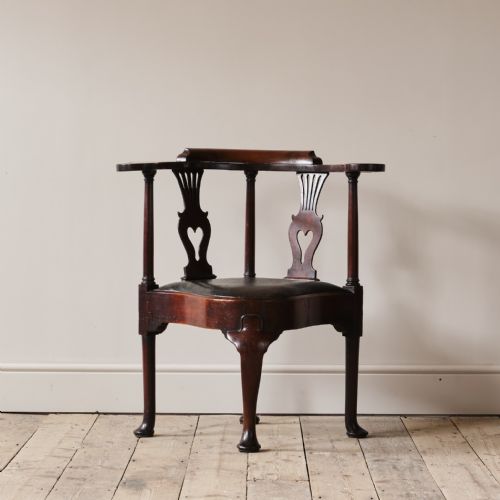
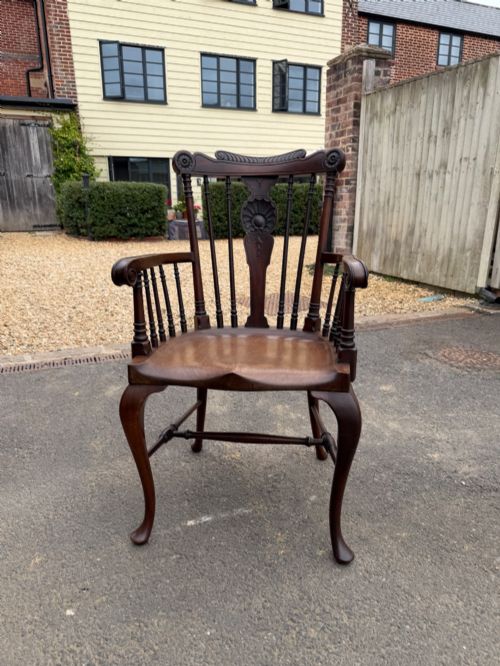
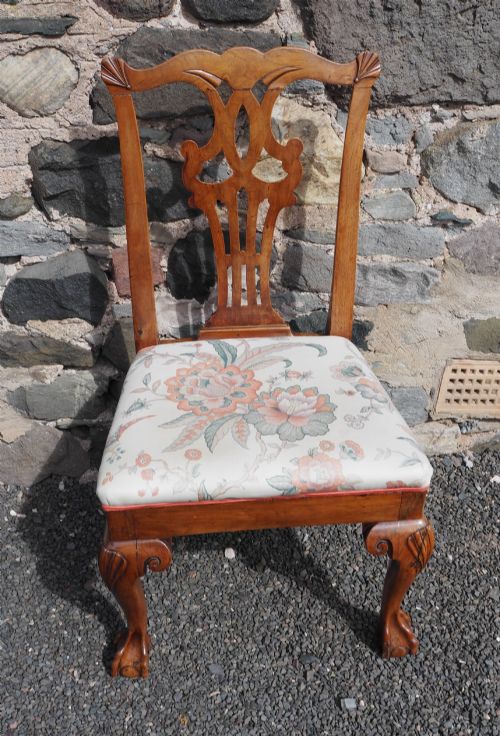
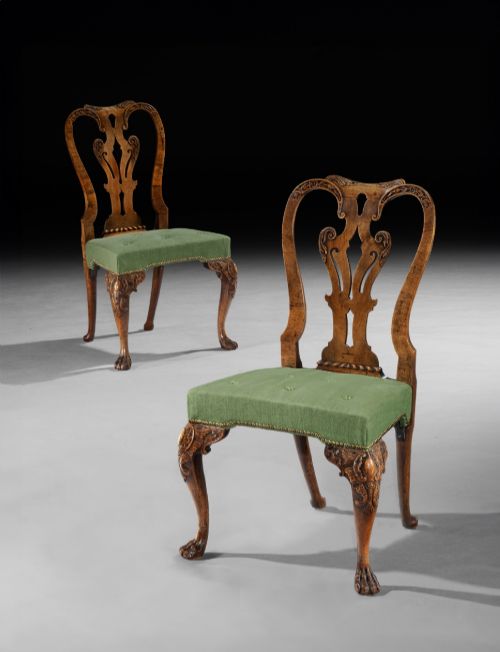
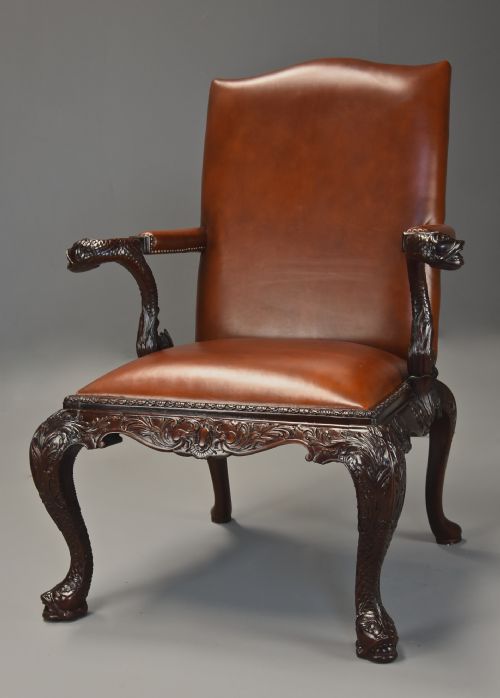
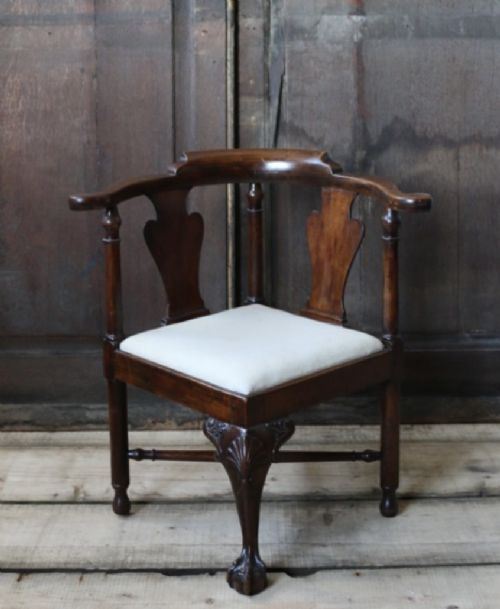
The selections span distinct configurations, including open armchairs, library chairs, corner chairs, and side chairs. Many incorporate upholstered seats in leather, velvet, or fabric, adapting the classic form for regular daily use.
Materials and Construction Methods
Cabinetmakers built these seats primarily using dense hardwoods such as mahogany and walnut, occasionally employing oak for structural frames. Timber selection dictated the weight and durability of each piece, supporting intricate carving along the crest rails and frame edges.
Upholstery techniques involved durable textiles, leather, and brass elements to secure and finish the seats. Joinery relied on traditional peg and tenon methods, ensuring stability across both eighteenth-century originals and later revival pieces.
George II Desk Chair Retail Price Guide 2026
Typical asking prices for george ii desk chair among the pieces listed under this phrase on Sellingantiques today, from the lower quarter to the upper quarter. They describe what is for sale here now, not the wider market.
One walnut hand chair waits patiently on the floor, offering an unusual grasp for any prospective writer.
Distinctions in Execution and Preservation
The depth of carving and the crispness of detail on cabriole legs and arm terminals distinguish finer examples. Superior pieces display harmonious proportions and careful timber selection that accentuates the grain.
The degree of original surface preservation and the integrity of the frame construction determine the standing of an individual chair. Later revivals vary according to the fidelity of their adherence to mid-eighteenth-century design principles.
The George II Desk Chair Glossary
- Cabriole leg
- A furniture leg that curves outward at the knee and tapers inward toward the foot, typical of eighteenth-century design. This profile often terminates in pad or claw and ball feet.
- Gainsborough armchair
- A wide, open-armed easy chair with a padded back and seat, designed during the mid-eighteenth century. It frequently appears in mahogany or walnut with upholstered leather.
- Corner chair
- A seating form designed to fit into the corner of a room, featuring a curved backrest supported by multiple posts. These pieces often include a drop-in seat above a cabriole or square leg arrangement.
- Chippendale revival
- A later nineteenth or twentieth-century reinterpretation of mid-eighteenth-century styles. These pieces replicate the distinctive carved motifs and proportions associated with Thomas Chippendale's workshop designs.
George II Desk Chair: Frequently Asked Questions
How do I identify a genuine period piece?
Examine the timber shrinkage, joinery methods, and tool marks visible on the underside of the frame. Eighteenth-century pieces exhibit hand-cut joints and patination that develop naturally over centuries of use.
Compare the carving depth and wood density against known period examples. Revival pieces from the nineteenth and twentieth centuries often display machine-tooled elements and different secondary woods.
Can I use these chairs for daily desk work?
These seats were originally built for writing and administrative duties in period interiors. Their sturdy mahogany or walnut frames provide a solid foundation for modern study use.
Consider pairing the chair with an appropriate desk height and ensure the upholstered leather or fabric seat meets your comfort requirements for extended sitting.
How should I care for walnut and mahogany wood?
Maintain the timber by keeping the chair away from direct heat sources and fluctuating humidity levels. Apply a microcrystalline wax periodically to nourish the surface and protect the historic finish.
Avoid liquid polishes that contain silicone, which can penetrate the wood pores and degrade the patination over time.