

George II Chest of Drawers
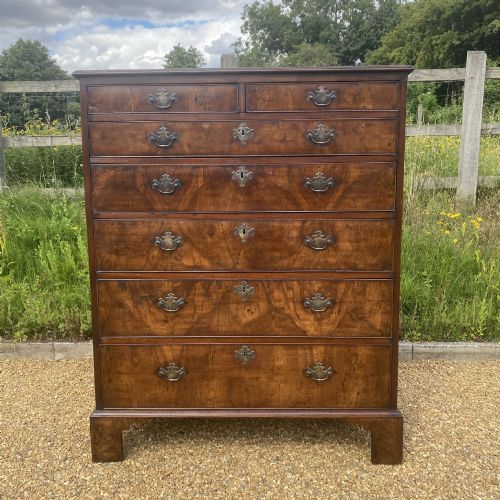
A george ii chest of drawers brings architectural proportion and rich timber figure into a room.
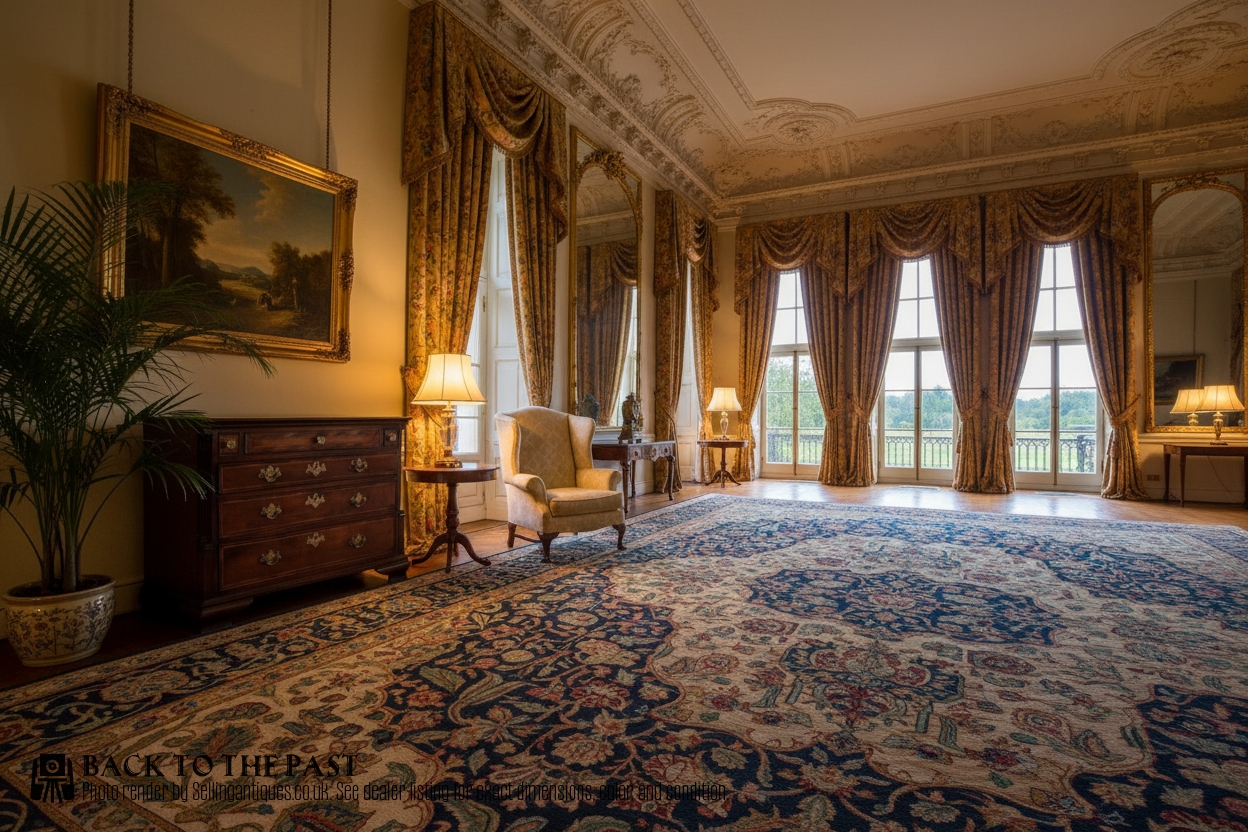
George II Chest of Drawers
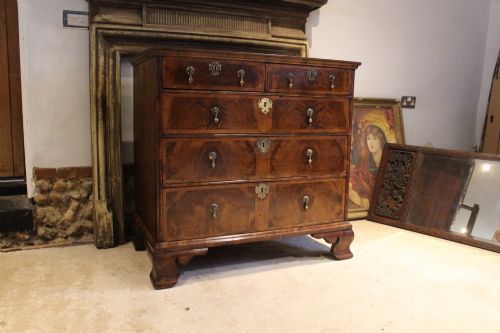
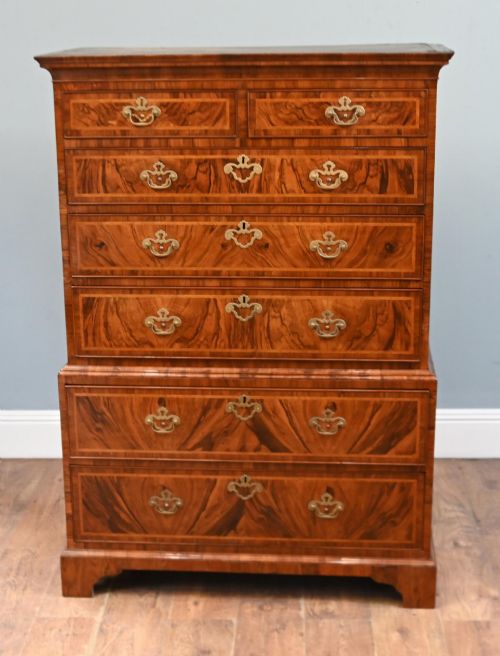
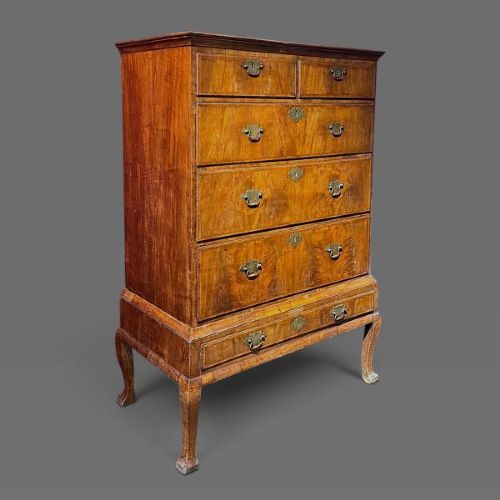
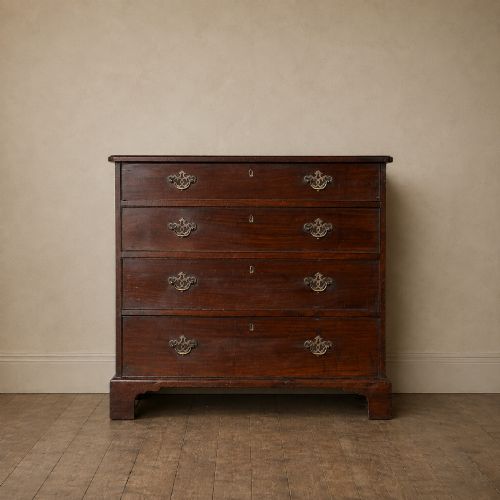
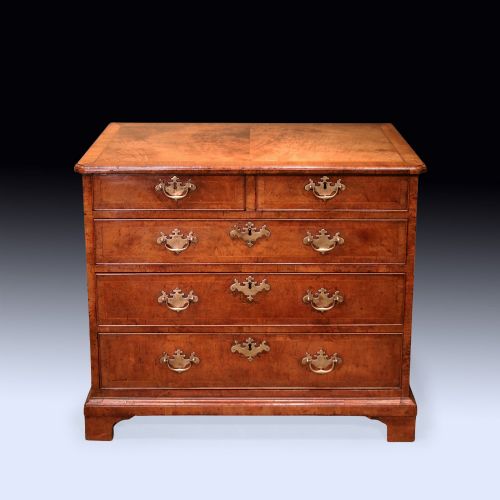
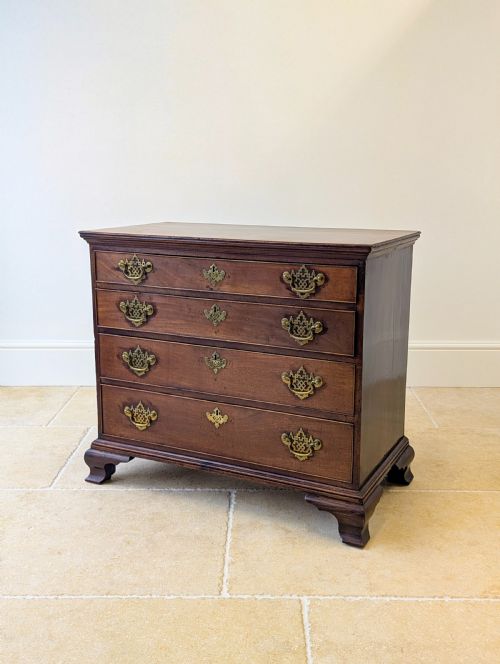
A george ii chest of drawers appears most frequently as a rectilinear walnut or mahogany carcass resting on bracket or ogee feet. These pieces originate from the eighteenth century, spanning the decades between seventeen hundred and seventeen sixty, with occasional later revival pieces from the twentieth century.
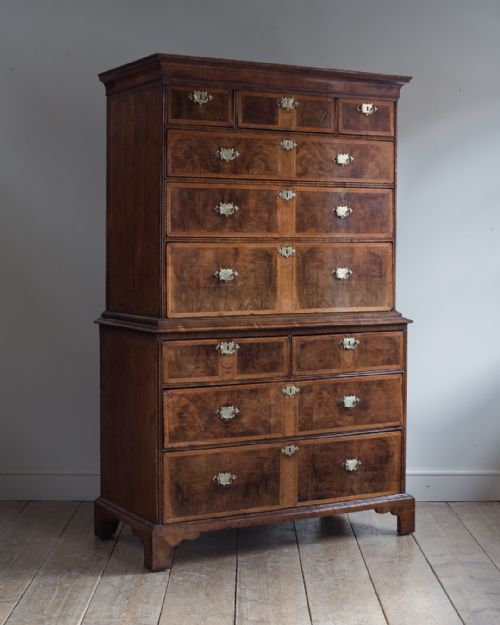
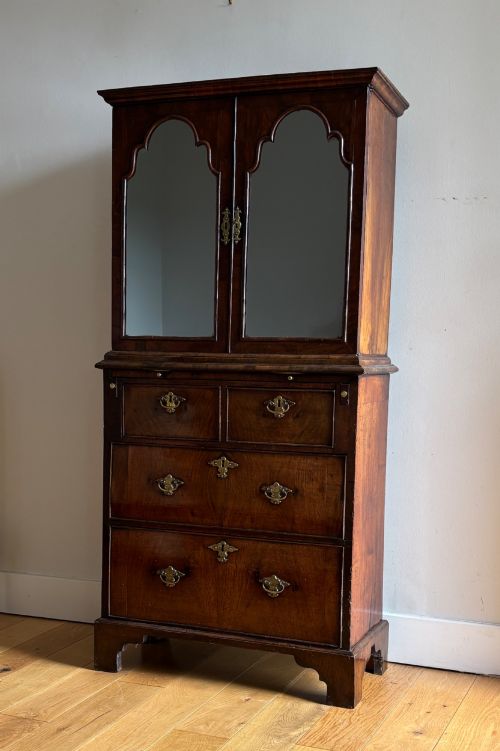
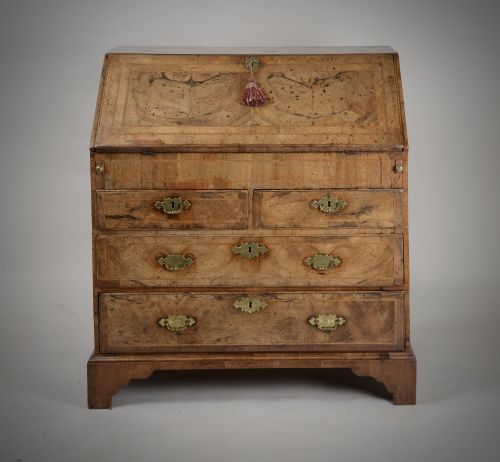
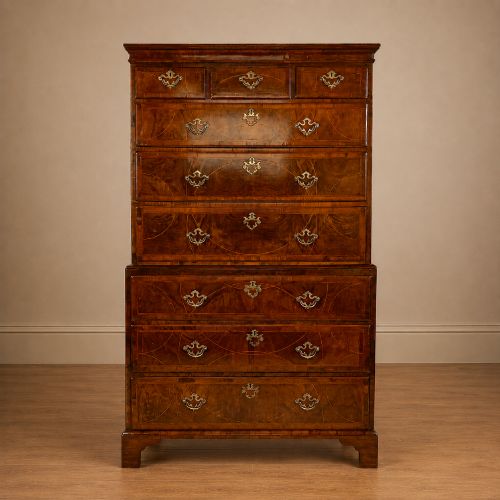
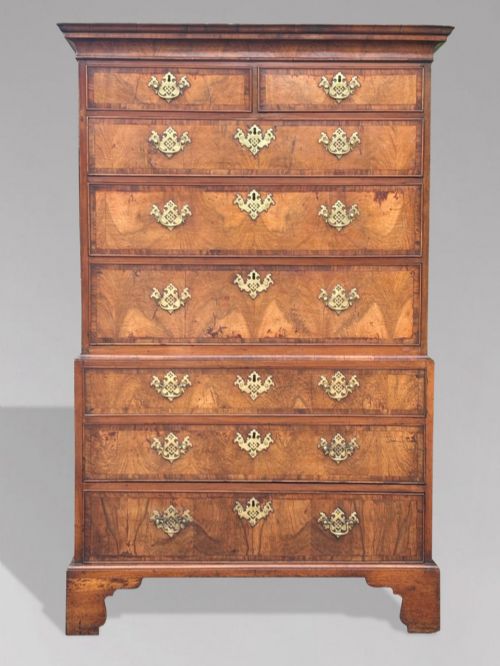
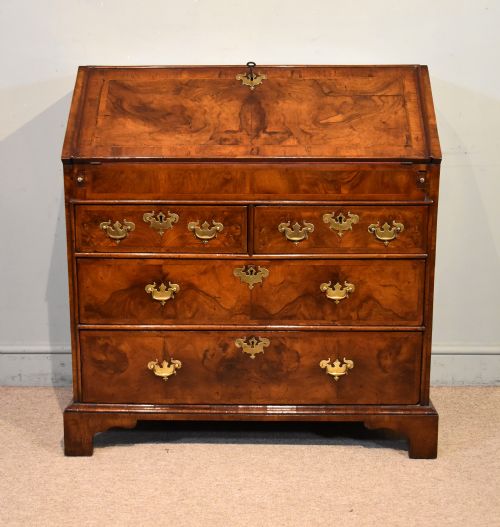
Beyond the standard drawer configuration, the selection encompasses taller forms such as the chest on chest and tallboy, alongside compact variants like the bureau, lowboy, and miniature furniture. Regional examples utilise native timbers such as oak and fruitwood alongside imported hardwoods.
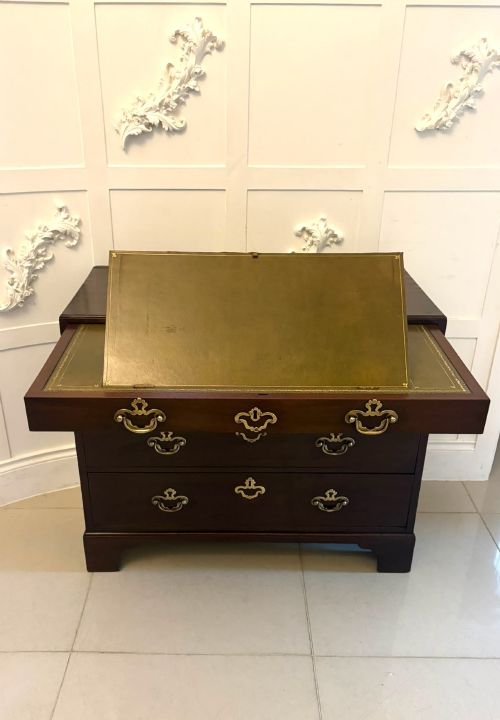
The internal arrangement frequently includes auxiliary writing compartments, brushing slides, or fitted desks. These functional additions distinguish domestic chambers from grander public spaces of the Georgian interior.
Materials and construction
Cabinet makers built these pieces using solid and veneered timbers, selecting figured walnut, burr walnut, and dense mahogany for primary surfaces. Secondary structural elements inside the carcass often rely on oak or pine.
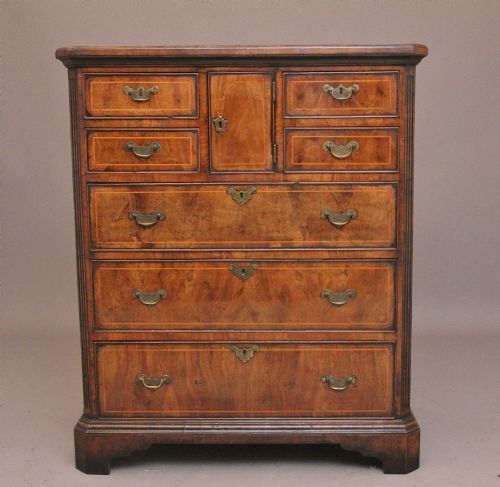
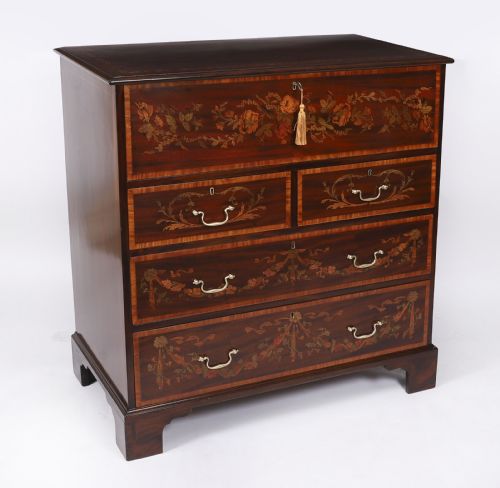
Decoration incorporates fine line inlay, crossbanding, and sunburst motifs set into drawer fronts and top panels. Solid brass handles and escutcheons secure the drawer operation and punctuate the dark timber grain.
George II Chest of Drawers Retail Price Guide 2026
Typical asking prices for george ii chest of drawers among the pieces listed under this phrase on Sellingantiques today, from the lower quarter to the upper quarter. They describe what is for sale here now, not the wider market.
Listings feature eighteenth-century walnut and mahogany alongside twentieth-century revival pieces in walnut.
Craftsmanship and proportion
The standard of a george ii chest of drawers depends on the integrity of the timber selection and the precision of the veneer matching across the drawer fronts. Superior examples maintain balanced proportions, particularly in smaller dimensions or architectural tallboys.
Original feet, brass hardware, and working sliding surfaces elevate the standing of a piece. The crispness of hand-cut dovetailing in the drawer construction separates master workshop output from simpler provincial carpentry.
Gillows
The George II Chest of Drawers Glossary
- Brushing slide
- A pull-out shelf located above the top drawers, used for writing or brushing dust from garments.
- Chest on chest
- A tall storage unit formed by stacking a smaller set of drawers directly on top of a deeper base chest.
- Crossbanding
- A decorative border of veneer laid around the perimeter of a drawer front with the grain running perpendicular to the centre panel.
- Ogee feet
- An S-shaped bracket foot that curves outward at the top and inward at the base, common on mid-eighteenth-century case furniture.
- Bureau
- A desk form featuring a sloping fall-front that opens to reveal internal pigeonholes and small drawers.
George II Chest of Drawers: Frequently Asked Questions
What is a brushing slide?
A brushing slide is a pull-out wooden shelf integrated into the upper section of the chest carcass. It allowed the owner to write notes or shake garments without opening the main drawers.
Cabinet makers finished these slides with matching veneers so they remained hidden when closed.
How do I spot walnut from mahogany?
Walnut displays a softer, figured grain with warm golden-brown tones and occasional darker feathering. Mahogany offers a denser, reddish-brown hue that deepens with age.
Both timbers were standard choices across the eighteenth century.
What is a tallboy?
A tallboy, or chest on chest, combines two sets of drawers into a single vertical storage column. The upper section is slightly narrower than the lower base unit.
This form maximises vertical capacity without claiming excessive floor space.