

18th Century Walnut Tallboy
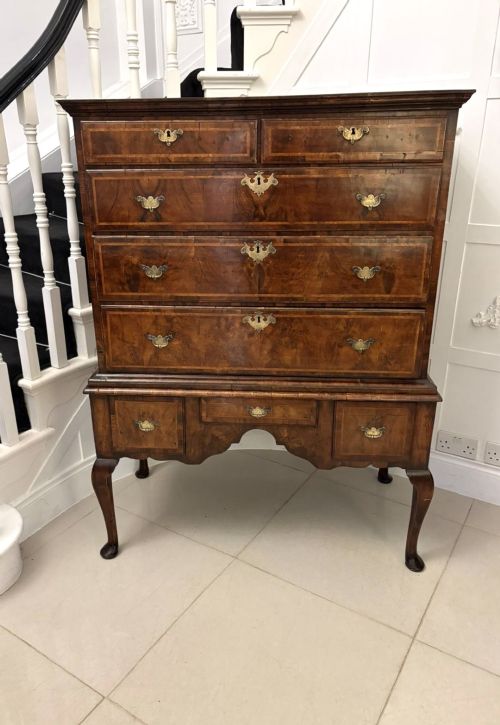
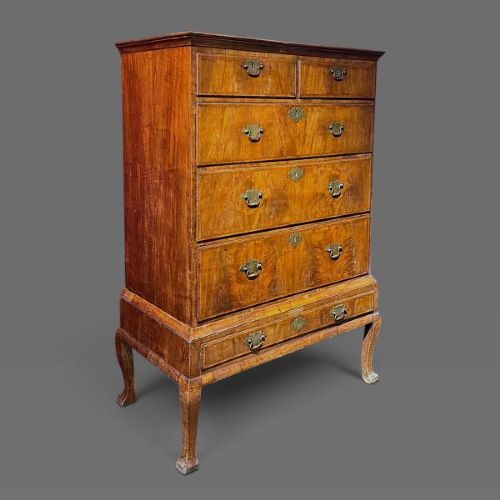
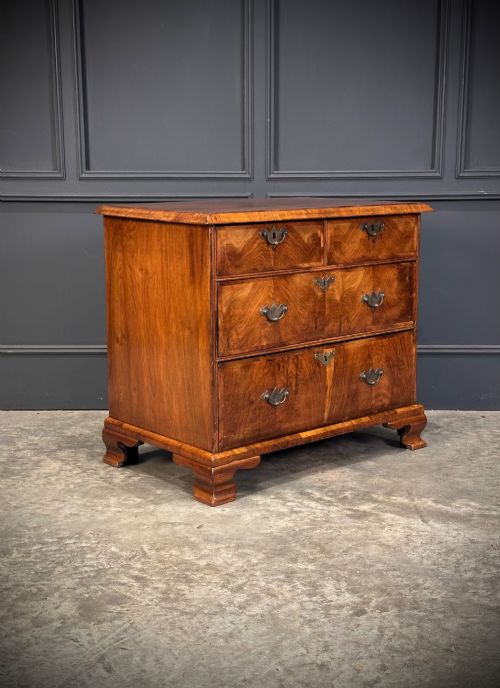
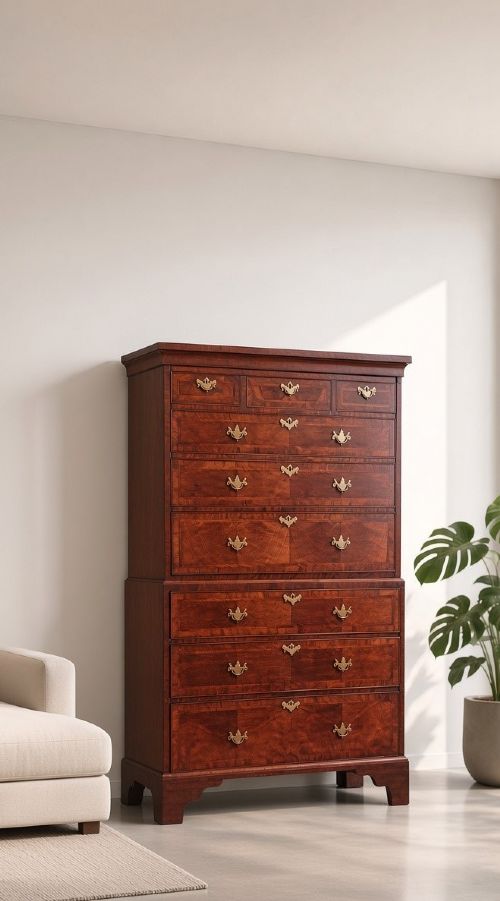
An 18th century walnut tallboy brings vertical presence and rich grain figure to a room, offering substantial storage within a stately stacked chest format.
18th Century Walnut Tallboy
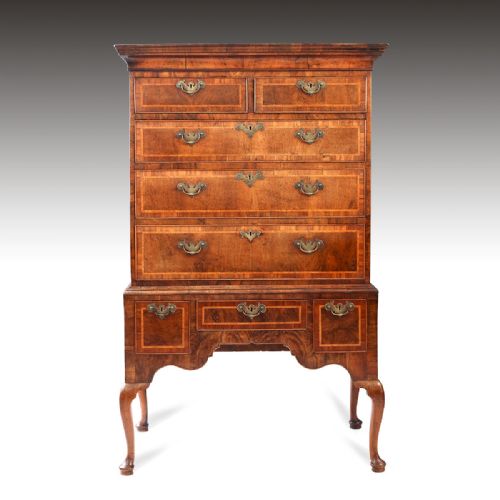
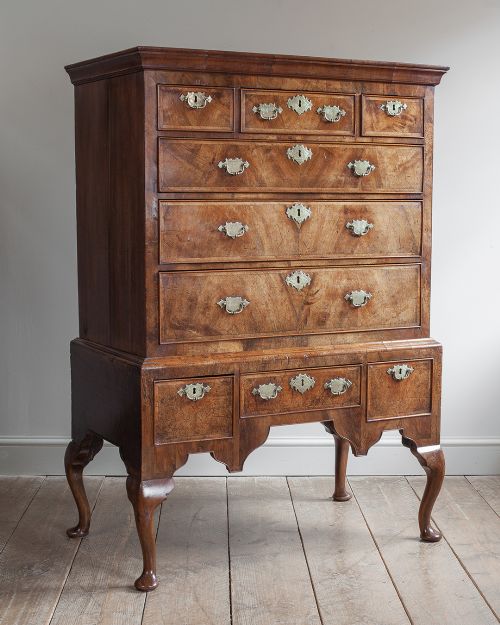
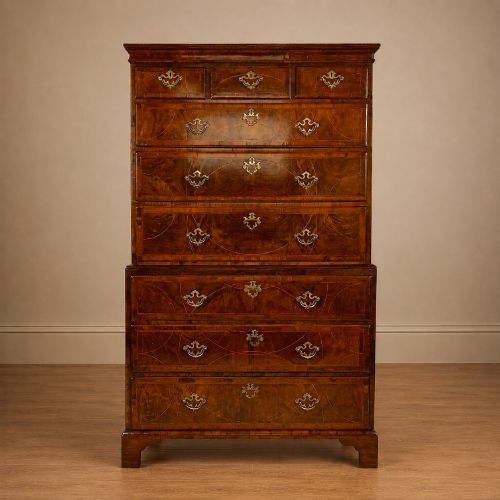
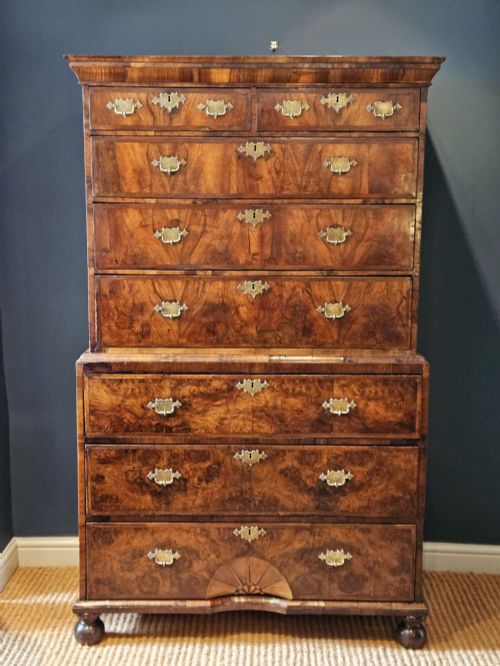
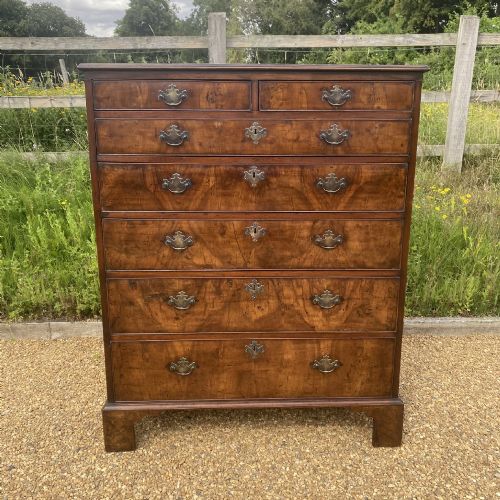
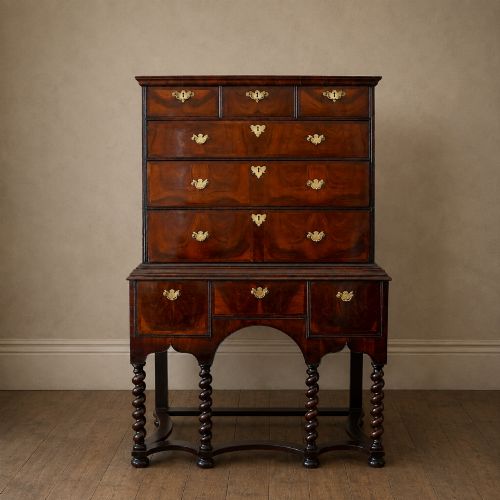
An 18th century walnut tallboy typically comprises a chest on chest or chest on stand configuration, rising higher than a standard drawer set to maximise storage. The form unites a lower cabinet or base with an upper section, creating a towering silhouette rooted in the Georgian, Queen Anne, and George periods.
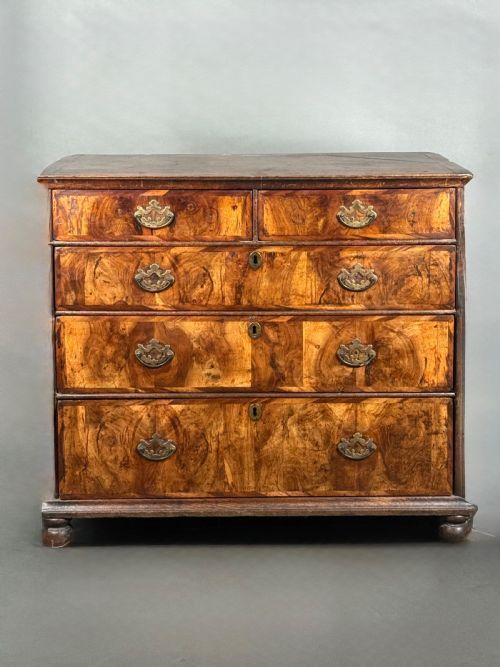
Buyers encounter numerous variations on this page, including Dutch marquetry examples with floral inlay, burl surfaces, and pieces featuring herringbone banding or crossbanded borders. While many date to the 1700s and 1750, later revivals from the early 20th century also appear.
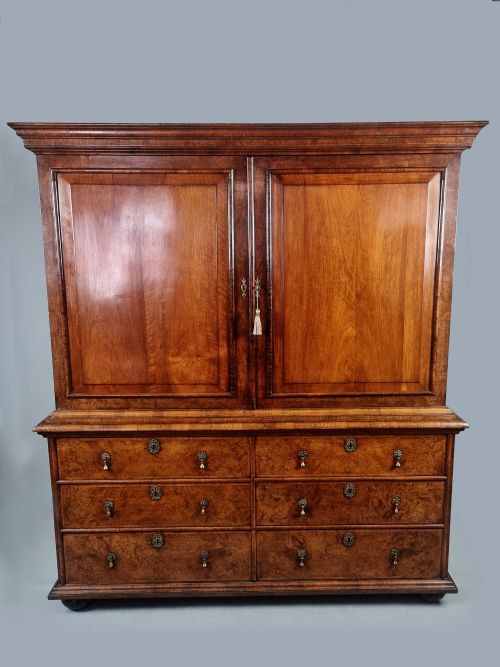
Alongside traditional chests of drawers, the selection incorporates linen presses, cabinets, and secretaire variants that integrate writing surfaces or cupboard doors into the upper tiers.
How they were made
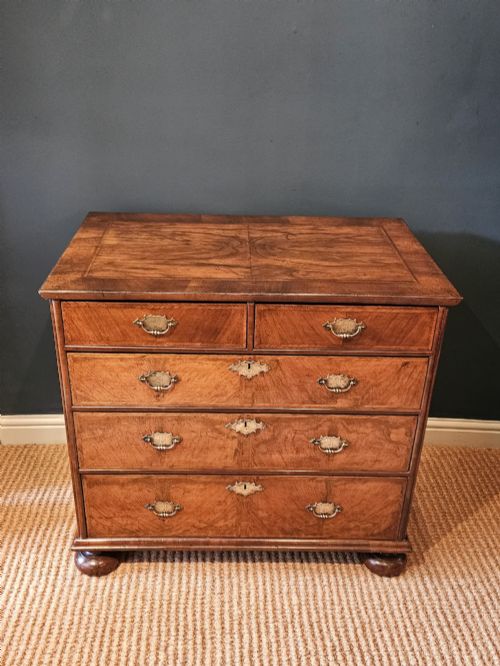
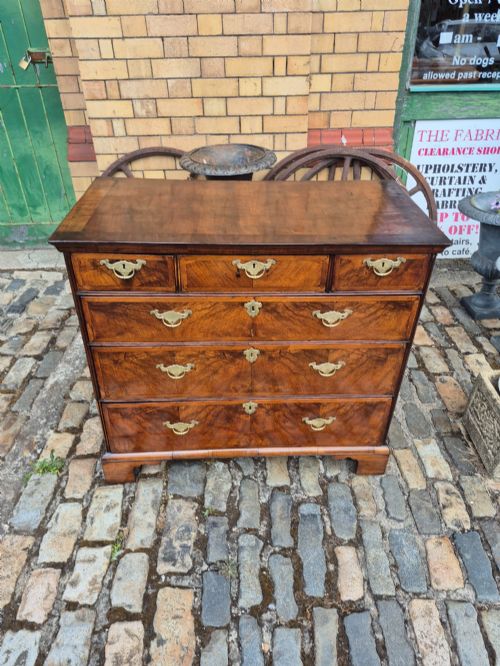
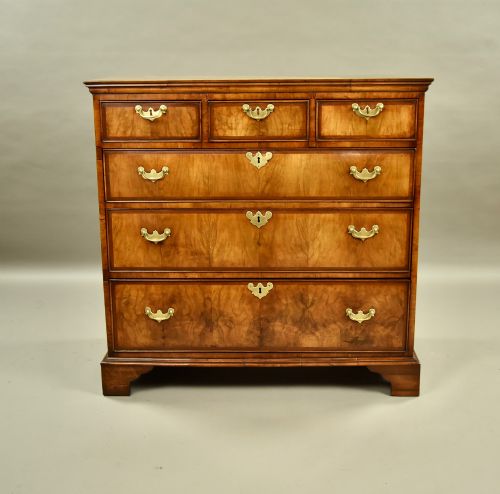
Cabinetmakers constructed these pieces using primary woods like walnut, burr walnut, and solid fruitwood, frequently backed by secondary timbers such as oak and pine. Walnut veneer and figured grain sections were carefully applied to visible surfaces to create striking patterns across the drawer fronts and panels.
Fine decorative techniques define the construction, including herringbone banding, line inlay, feather-banded borders, and Dutch floral marquetry. Brass drop handles and escutcheons punctuate the drawer faces, secured alongside dovetailed drawer construction and period joinery.
Some cabinetmakers cleverly concealed secret compartments within the cornice moulding of the upper chest.
What varies in quality
Quality rests in the selection and matching of the walnut veneer, where symmetrical burr figuring and unbroken grain patterns elevate a piece far above plain timber surfaces. The crispness of inlaid banding, the subtlety of crossbanding, and the integration of original brass hardware distinguish finer workshops from simpler regional output.
Proportion and structural integrity dictate the standing of a tallboy, with superior examples maintaining harmonious scale between the upper and lower chests without heavy timber distortion. The precision of the drawer dovetailing and the retention of the original stand or base components determine historical integrity.
The 18th Century Walnut Tallboy Glossary
- Tallboy
- A tall chest of drawers, usually formed by stacking one chest on top of another chest or stand. This vertical format provides generous storage while occupying a modest floor footprint.
- Chest on Chest
- A two-part storage furniture type where a narrower upper chest sits directly upon a wider lower chest. The design emerged strongly during the early 18th century.
- Herringbone Banding
- A decorative inlay technique where small pieces of veneer are cut and arranged in a V-shaped pattern resembling the skeleton of a herring. It frames drawer perimeters on better pieces.
- Marquetry
- The art of creating decorative patterns and pictures by fitting together small pieces of different coloured veneers. Dutch examples often display intricate floral motifs.
- Feather Banding
- A narrow decorative border made from two strips of veneer cut diagonally to meet down the centre at an angle, resembling a feather shaft. It highlights the edges of drawer fronts.
18th Century Walnut Tallboy: Frequently Asked Questions
Where should I place a tallboy?
These tall stacked chests suit bedrooms, hallways, or dressing rooms where vertical storage is required without sacrificing significant floor space.
Ensure the room has sufficient ceiling clearance to accommodate the elevated profile of a chest on chest.
How do I maintain walnut surfaces?
Keep walnut furniture away from direct sunlight and heat sources to prevent the wood and delicate veneers from drying out or splitting.
Apply traditional wax polish occasionally to nourish the grain and maintain a natural sheen.
What is a chest on stand?
A chest on stand places an upper drawer section upon a raised frame supported by legs, distinguishing it from the standard two-part chest on chest.
This lighter architectural format was particularly popular during the Queen Anne and George I periods.
How do I identify period walnut?
Period walnut displays rich warm tones, intricate figuring, and authentic construction methods such as hand-cut dovetails and oak drawer linings.
Closer inspection reveals the subtle variations of hand-applied veneers rather than uniform modern laminates.