


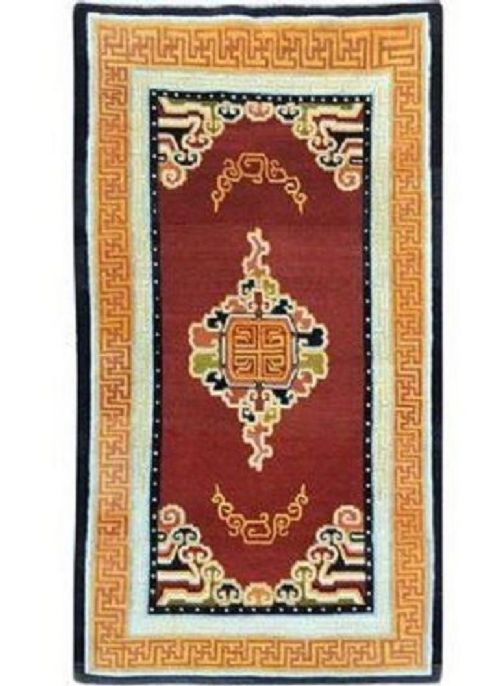
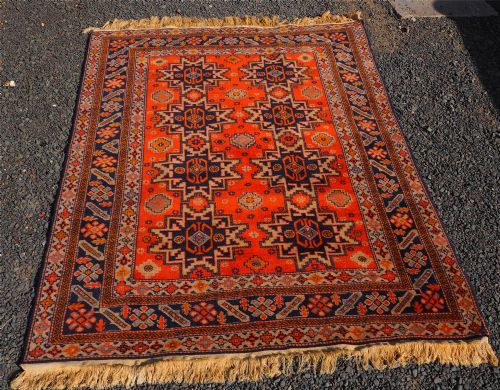
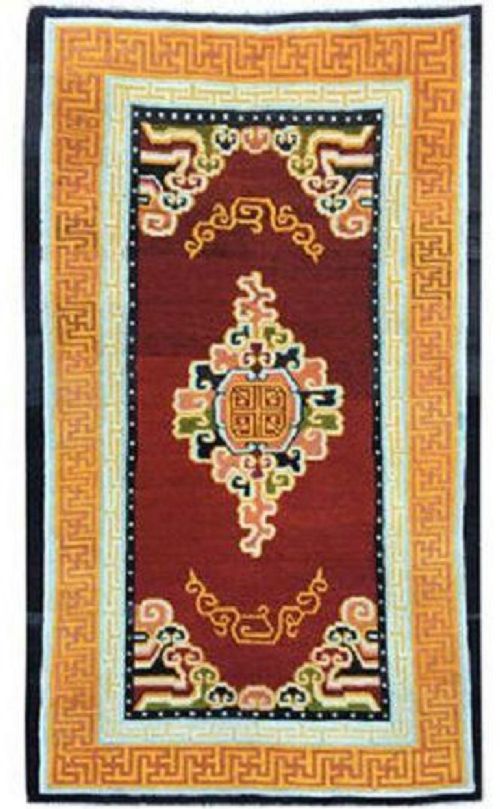
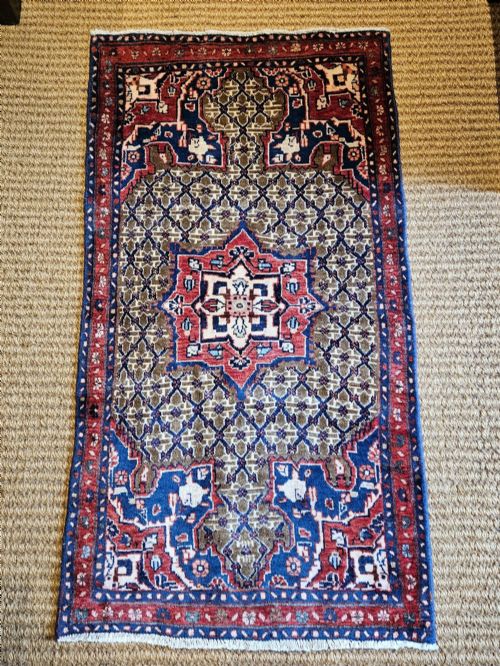
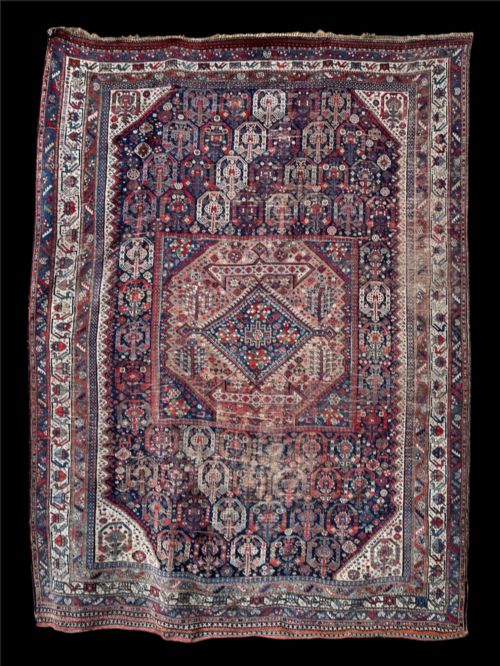
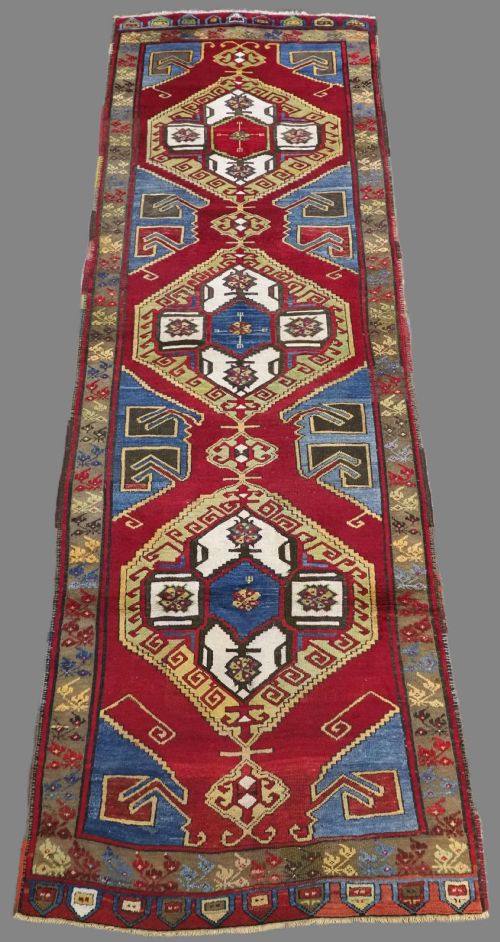
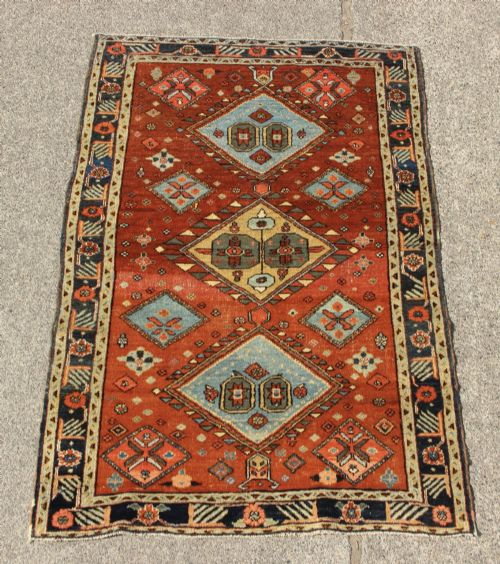
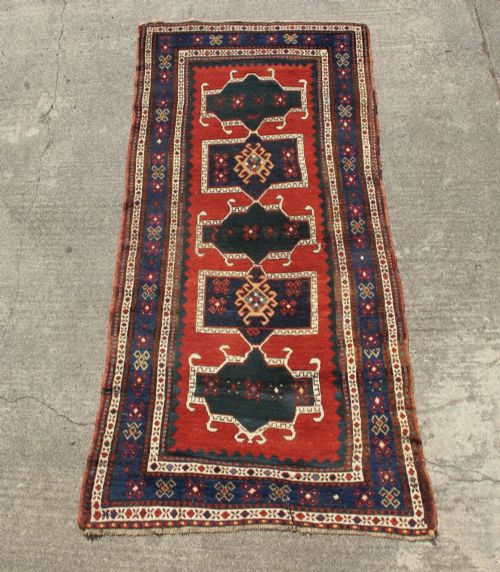
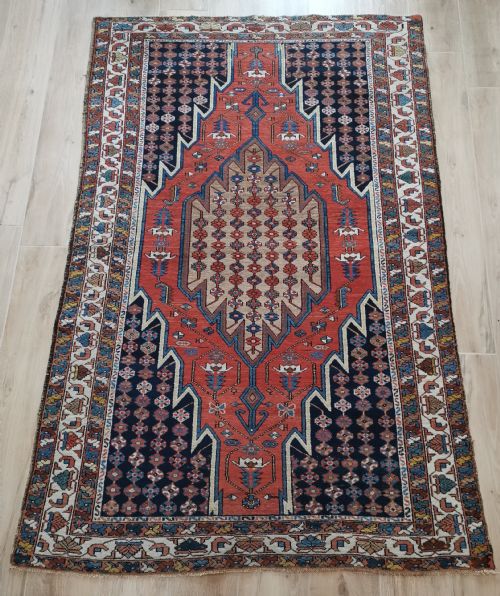

Geometric Medallion Runner
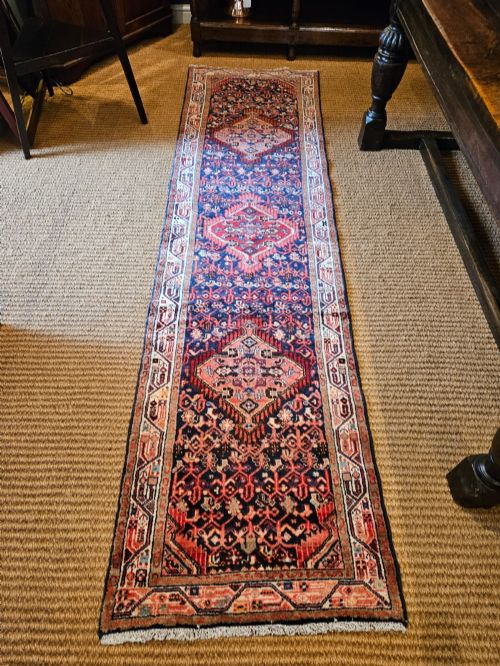
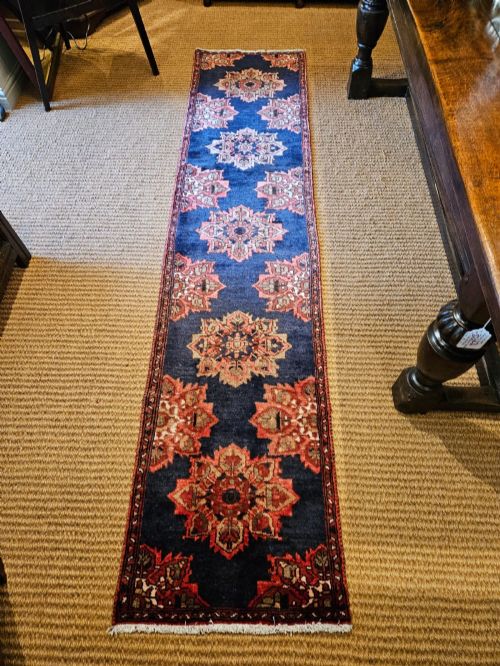
These antique geometric medallion runner pieces bring warm tribal wool into long hallways with strong rectilinear patterns.
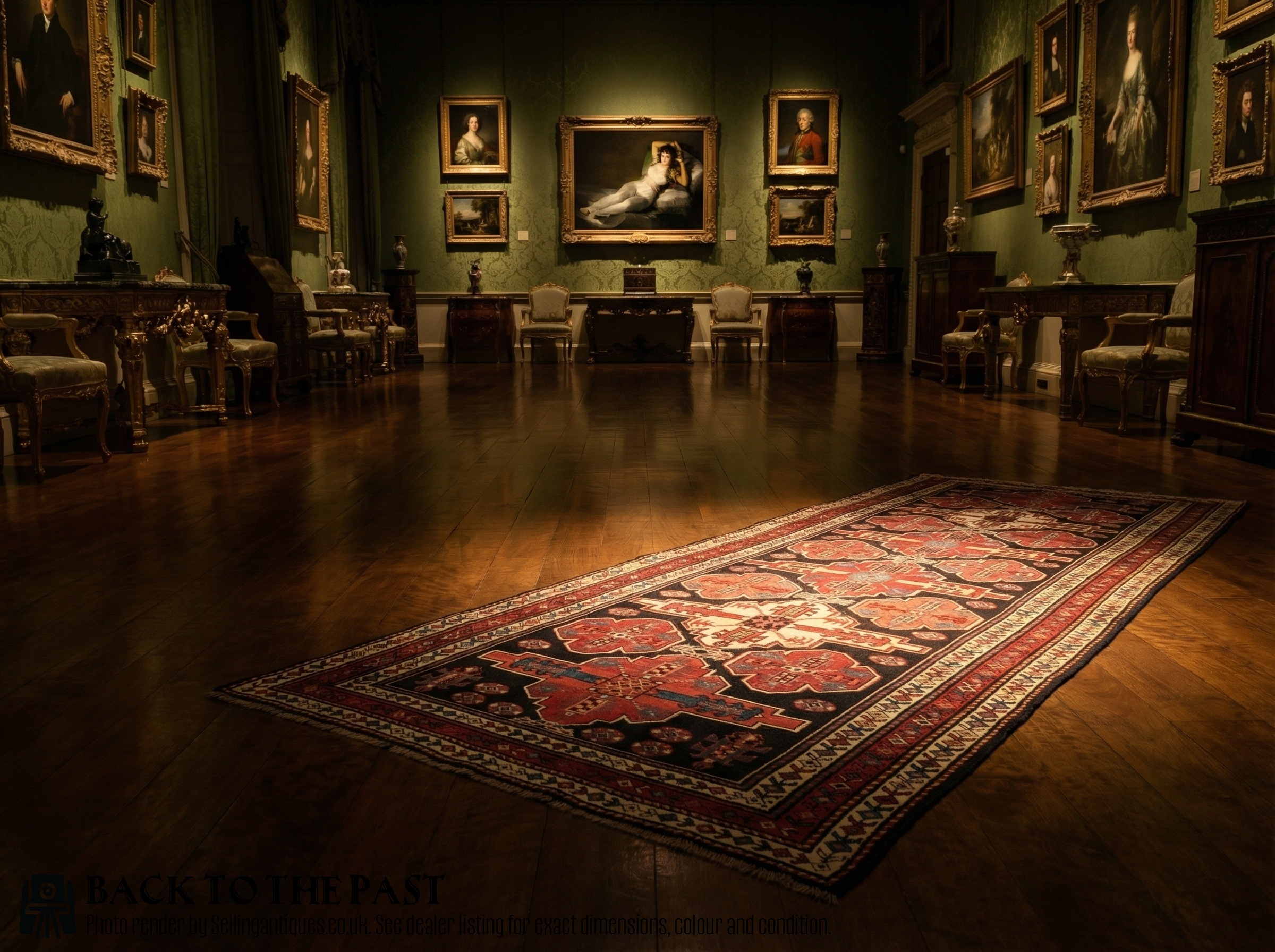
Geometric Medallion Runner
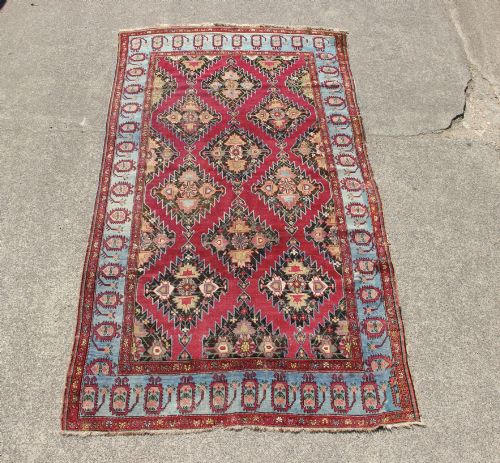
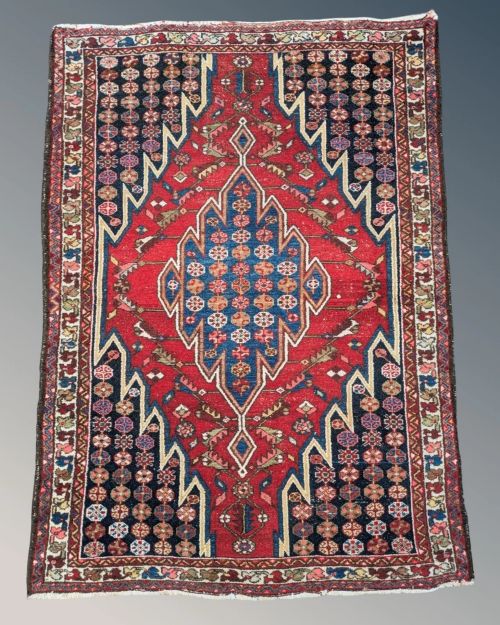
A geometric medallion runner is a long floor covering defined by repeating central motifs and tribal patterns. You are most likely to meet pieces originating from Persian and Caucasian regions dating between eighteen eighty and nineteen twenty.
The format suits corridors and narrow spaces, employing striking rectilinear layouts rather than curving florals. These rugs bring distinct regional character to interior floors through bold central medallions.
How they were made
Weavers utilised natural wool, hand-spun wool, cotton foundations and occasional camel hair to build these durable textiles. Traditional looms supported the knotted pile construction necessary for heavy domestic use.
Natural dye stuffs provided the deep navy blues and rich earthen tones recorded across the listed examples. The materials were selected for resilience in high traffic areas.
Geometric Medallion Runner Retail Price Guide 2026
Typical asking prices for geometric medallion runner among the pieces listed under this phrase on Sellingantiques today, from the lower quarter to the upper quarter. They describe what is for sale here now, not the wider market.
Current listings span from eighteen eighty to nineteen twenty, featuring wool, hand-spun wool, cotton and camel hair materials.
What varies in quality
Quality rests in the precision of the geometric drawing and the density of the wool pile. Finer knotting allows sharper definition within the medallion motifs and borders.
Material selection also dictates grade, with superior hand-spun wool and camel hair yielding greater tactile depth and resilience over time.
The Geometric Medallion Runner Glossary
- Medallion
- A central ornamental motif set within the field of the rug. It forms the primary focal point of the geometric design.
- Runner
- A long, narrow carpet format designed specifically for corridors, hallways and stairs. The proportions require balanced repeating patterns along the length.
- Pile
- The upright yarn surface formed by individual knots tied to the warp and weft foundations. Pile depth affects both handle and durability.
- Warp
- The longitudinal threads stretched tightly on the loom that carry the structural weight of the rug. Fringe ends typically originate from these parallel strands.
Geometric Medallion Runner: Frequently Asked Questions
Where should I place a runner?
These long carpets suit narrow corridors, hallways and galleries where floor protection and visual warmth are required.
The linear format directs the eye down the space while anchoring the interior design.
How do I care for antique wool rugs?
Gentle vacuuming without a rotating brush protects the antique wool pile from unnecessary friction and fibre loss.
Professional cleaning suited to historic textiles maintains the natural lanolin and dye stability.
What is a geometric medallion?
A geometric medallion is a central design element composed of straight lines, angles and rectilinear polygons.
Unlike curvilinear floral styles, these motifs reflect tribal weaving traditions from the Caucasus and Persia.
How do I identify a runner?
Runners are distinguished by their elongated proportions, typically significantly longer than they are wide to fit hallways.
The field design repeats harmoniously to fill the narrow rectangular format.