
Gentlemen Walking Cane
A gentleman walking cane is a traditional support and statement of social standing, combining practical utility with refined craftsmanship.
Gentlemen Walking Cane
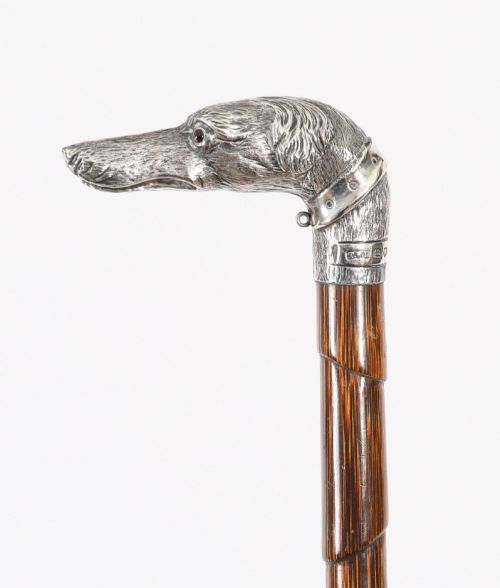
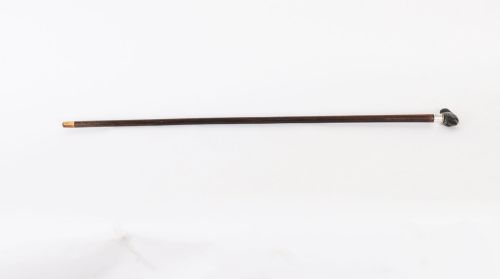
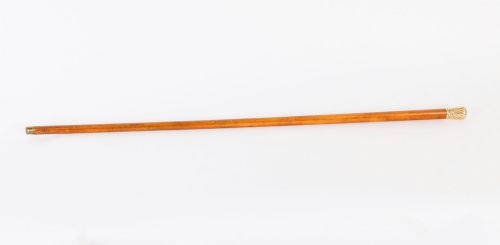
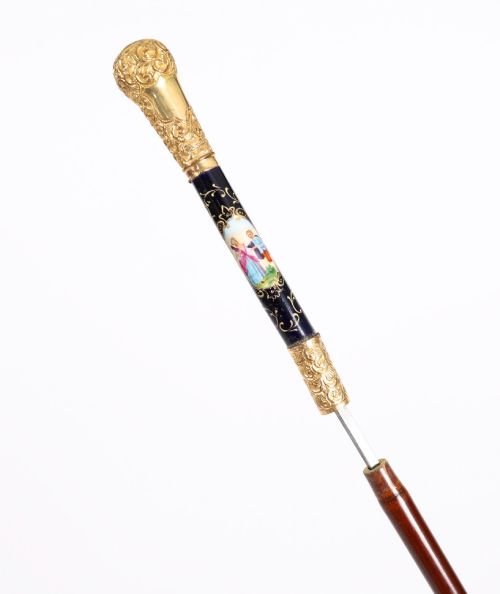
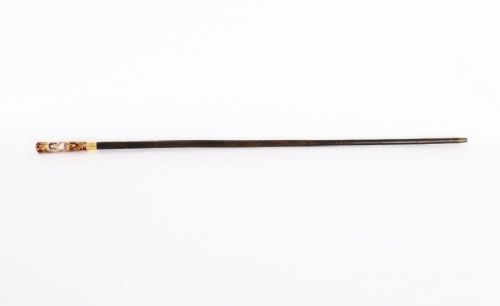
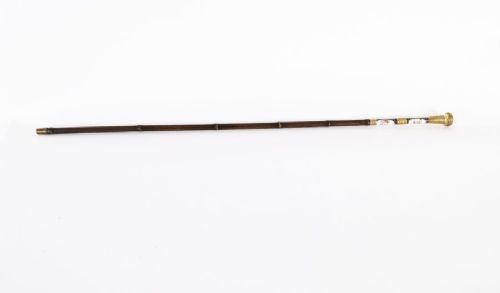
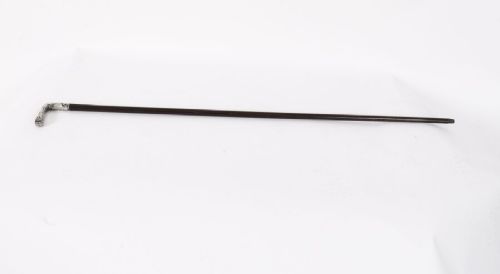
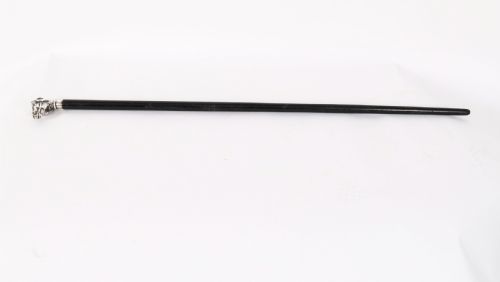
Most pieces date from the nineteenth century up to the nineteen-thirties, reflecting diverse regional origins such as France, Germany, and Ireland. Forms range from plain hardwood shafts to elaborate novelty handles carved into animal heads or decorated with porcelain.
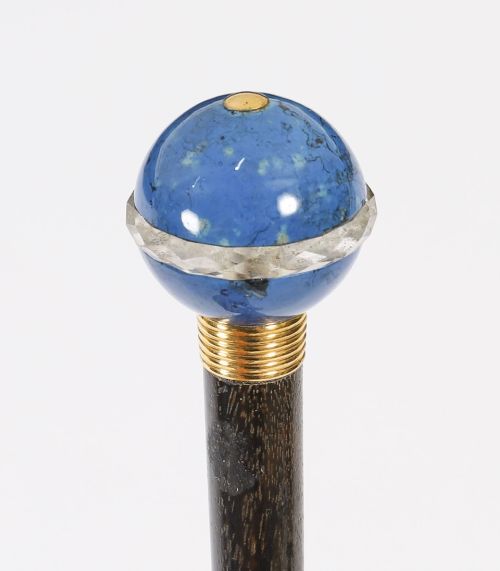
Makers such as Briggs and Wilkinson are represented, alongside military and masonic variants. Collectors encounter materials varying from simple partridge wood and bamboo to precious metals and lapis lazuli.
How they were made
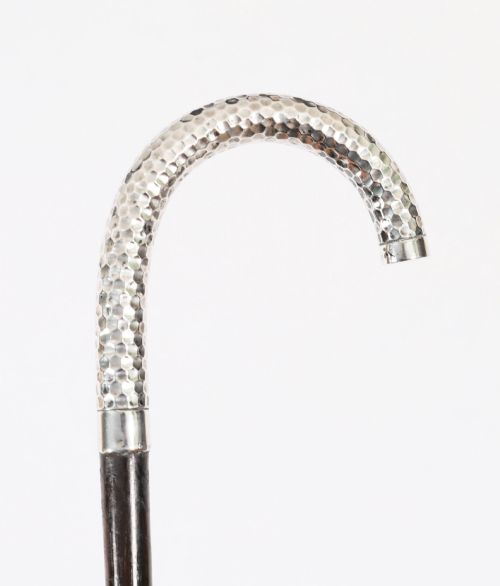
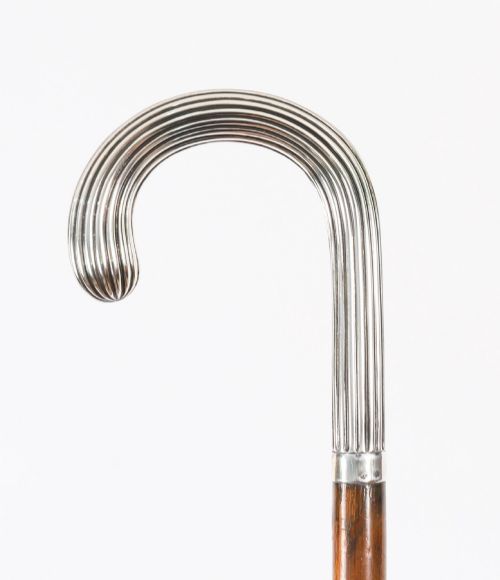
Shafts are shaped from timbers such as malacca, cherrywood, partridge wood, bamboo, and rosewood, often paired with natural horn or antler. Metal components utilise steel, brass, silver, and gold plate to form collars, pommels, and concealed blades.
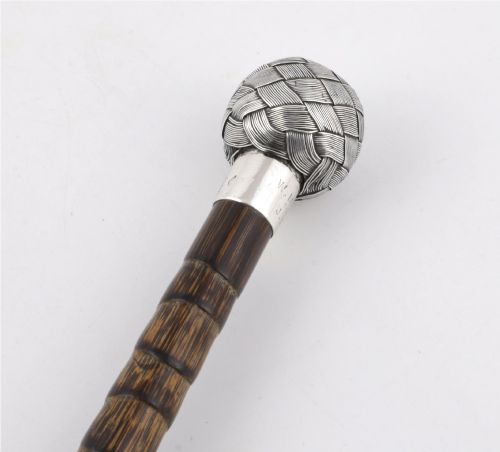
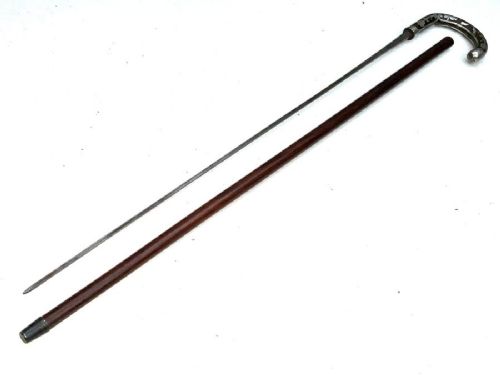
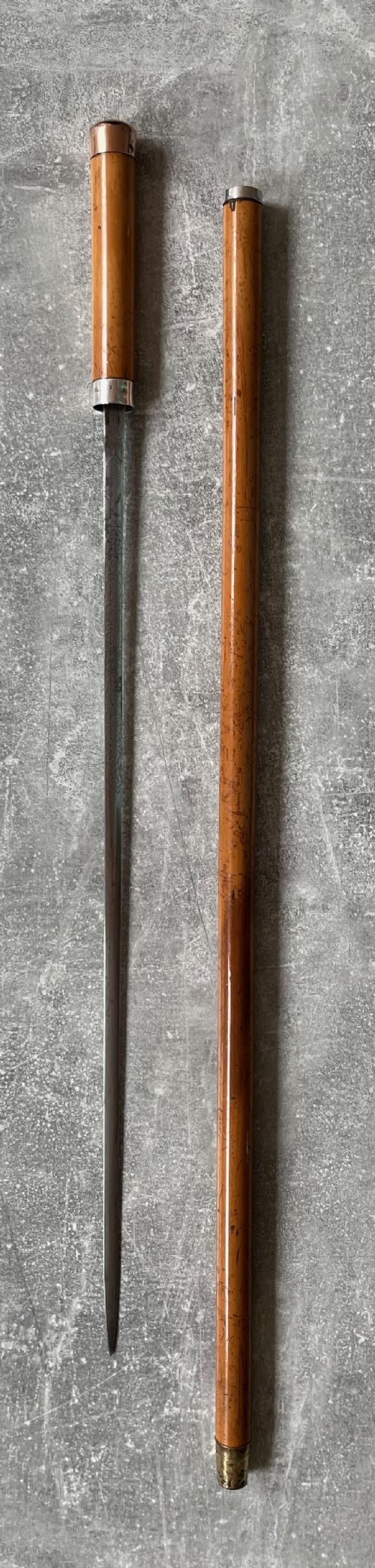
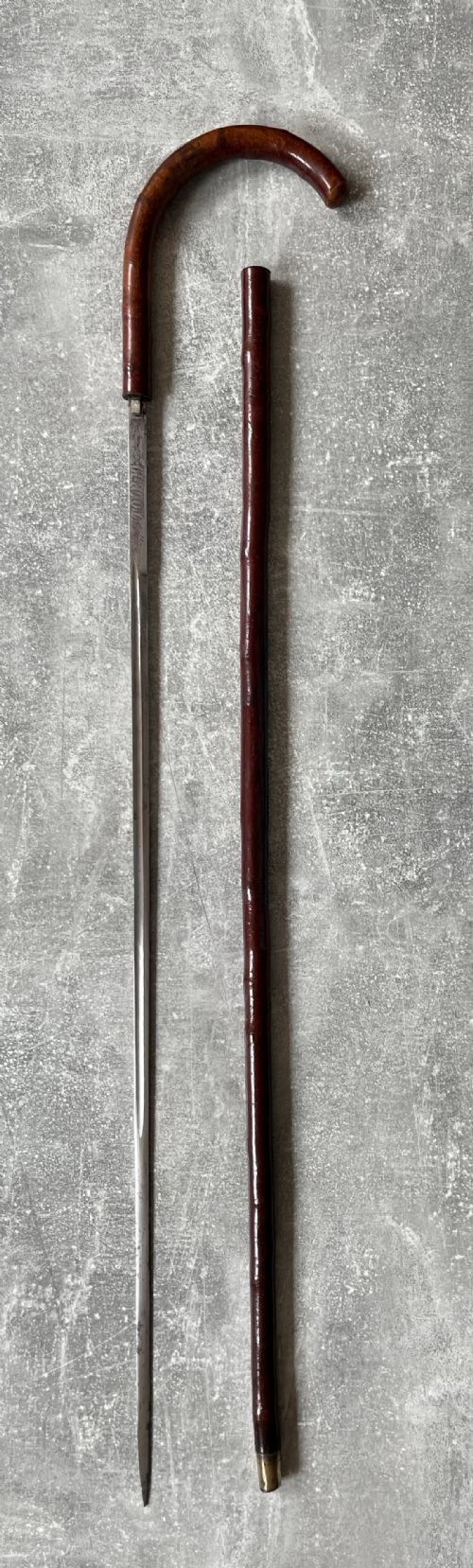
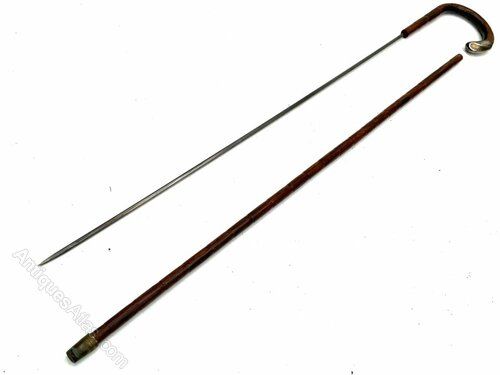
Handles incorporate detailed craftsmanship including porcelain plaques, silver wire work, and carved animal motifs depicting greyhounds, horses, and boars. Specialised sword sticks integrate button release mechanisms and etched Toledo steel blades.
Listings feature woods such as malacca and partridge wood paired with silver, gold, and porcelain handles across the Victorian and Edwardian periods.
What varies in quality
The standard of a gentleman walking cane depends on the quality of materials and the complexity of its execution. Fine examples display precious metal mounts, detailed hand-carved handles, and signed blades from established makers.
Simpler versions rely on plain hardwood shafts and basic metal collars. The precision of the release mechanism in concealed sword sticks and the artistic merit of novelty handles distinguish superior pieces.
Briggs·Wilkinson·Henry Borlase Stevens
The Gentlemen Walking Cane Glossary
- Pommel
- The rounded handle or knob at the top of a cane. It is often cast in silver or gold and sometimes shaped into an animal head.
- Sword stick
- A walking cane containing a concealed blade within the shaft. These typically feature a button release mechanism.
- Malacca
- A type of mottled rattan cane imported from Southeast Asia. It is prized for its strength and distinctive speckled appearance.
- Toledo blade
- A steel blade produced in Toledo, Spain, known for its flexibility and historical association with weapon-making.
- Collar
- The metal band encircling the shaft just below the handle. It frequently carries maker marks or hallmarks.
Gentlemen Walking Cane: Frequently Asked Questions
What materials were used?
Canes utilise a range of woods including malacca, bamboo, rosewood, and cherrywood for the shafts. Handles and mounts incorporate silver, gold, brass, steel, horn, antler, and porcelain.
Precious stones such as lapis lazuli occasionally appear in the handle construction. Metal components frequently feature hallmarks or maker signatures.
How do sword sticks work?
Sword sticks contain a concealed steel blade fitted securely inside the wooden shaft. A physical release mechanism, such as a push button or screw fitting, holds the blade in place until activated.
Many examples house blades originating from Toledo or bearing maker inscriptions. The join between the handle and shaft is engineered to conceal the blade seam.
How are periods identified?
Dating relies on stylistic indicators, metal hallmarks, and recorded maker marks. Victorian and Edwardian pieces reflect the prevailing design trends of their respective decades.
Materials and manufacturing techniques also provide chronological context. French Belle Epoque and Art Deco influences help narrow down early twentieth-century examples.
Were these used as weapons?
Sword sticks served a dual purpose as walking supports and personal defence items during the nineteenth and early twentieth centuries. Military officers and civilians alike carried them for protection and social display.
Specialist variants were also produced for masonic and fraternal orders. Despite the concealed blades, their primary function remained everyday pedestrian use.