


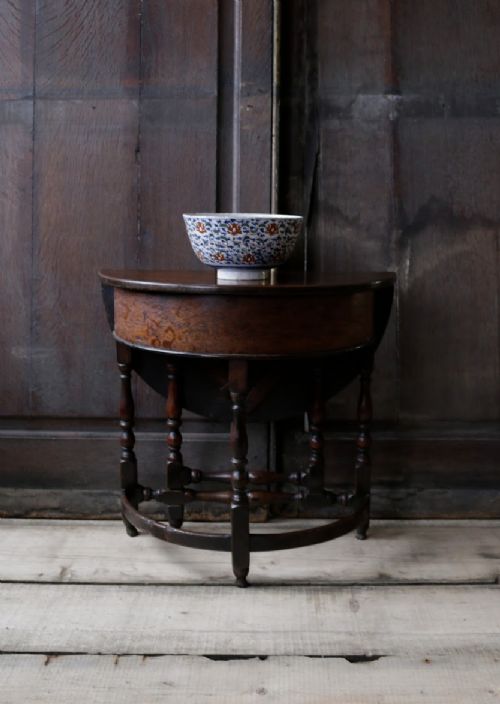

Gateleg Occasional Table
When you want a gateleg occasional table, you are looking at practical timber folding furniture built for versatility.
Gateleg Occasional Table
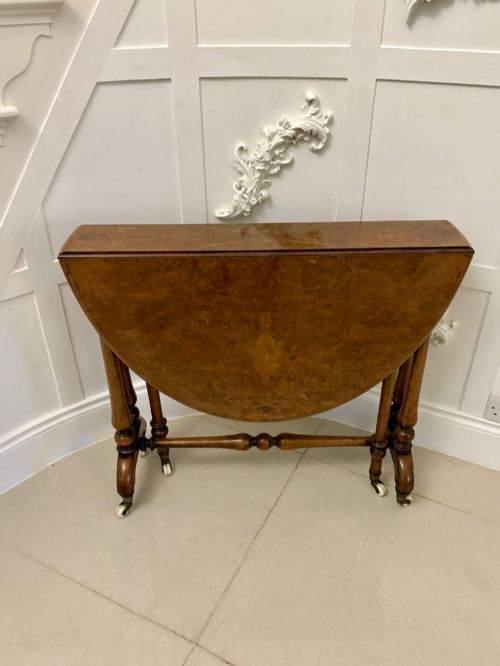
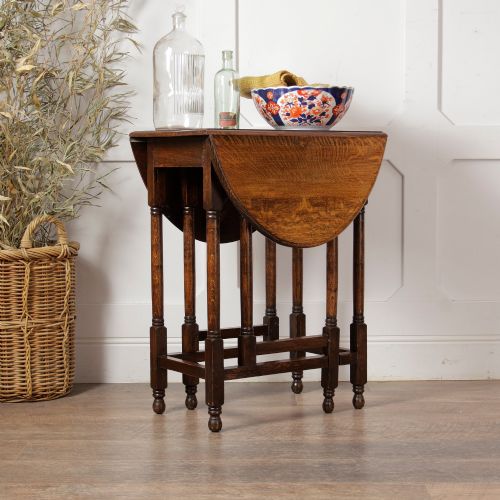
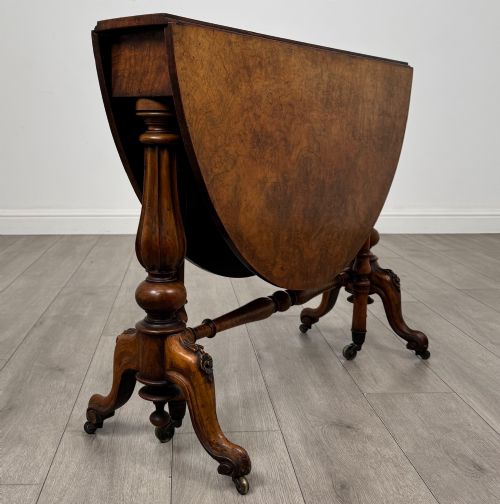
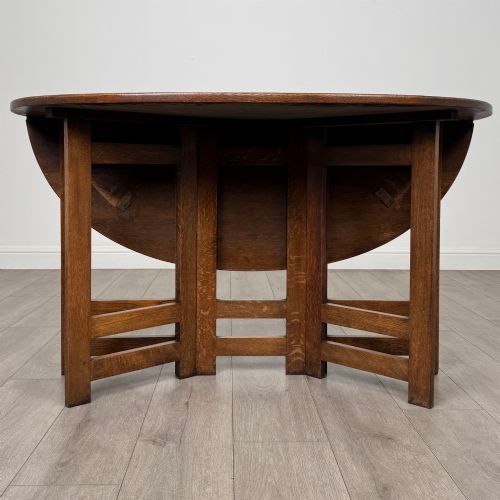
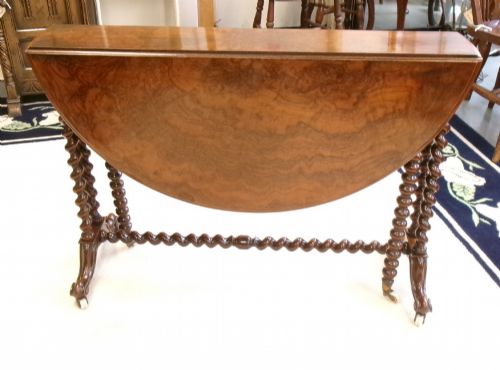
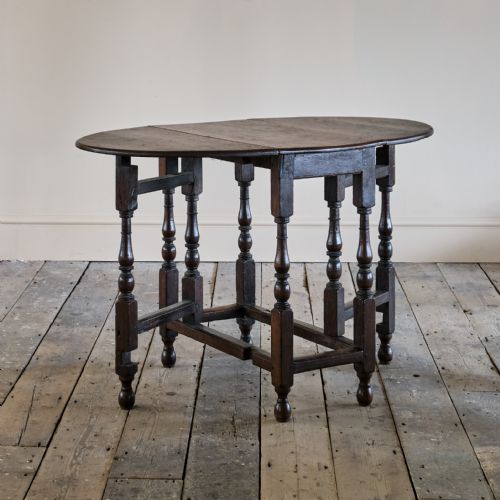
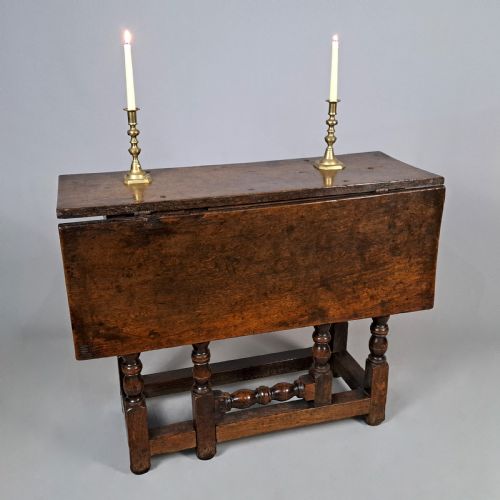
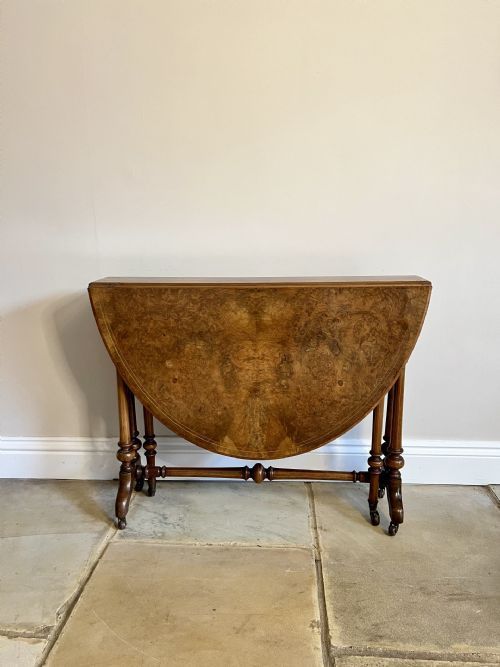
A gateleg occasional table provides a folding surface supported by hinged legs that swing out like a gate. When you search for a gateleg occasional table, you encounter pieces spanning from the seventeenth century through the Edwardian period and into the twentieth century. These tables range from substantial oak dining pieces to compact walnut and mahogany occasional forms.
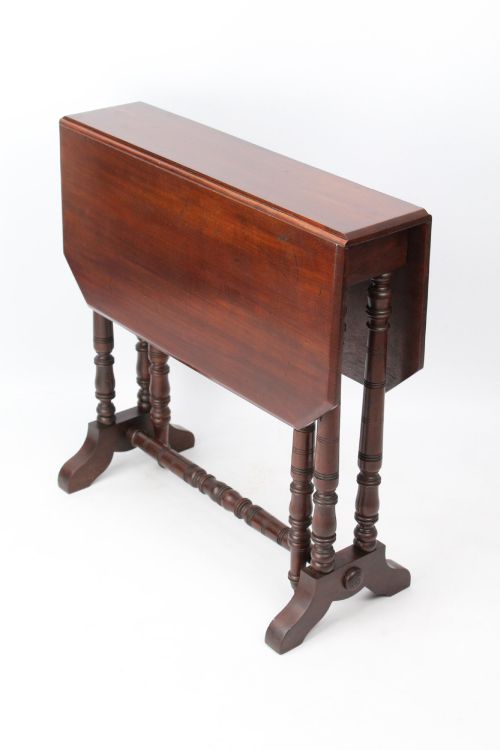
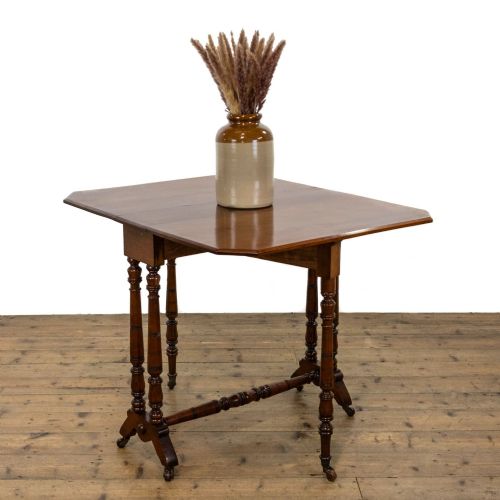
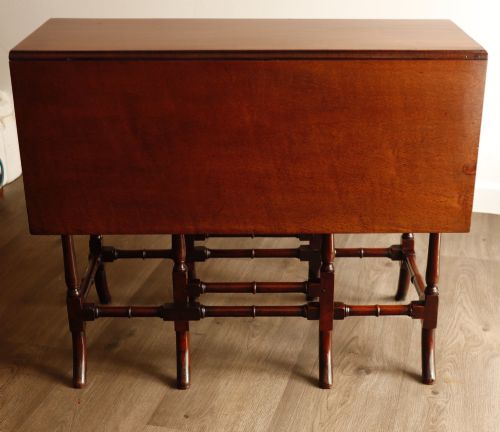
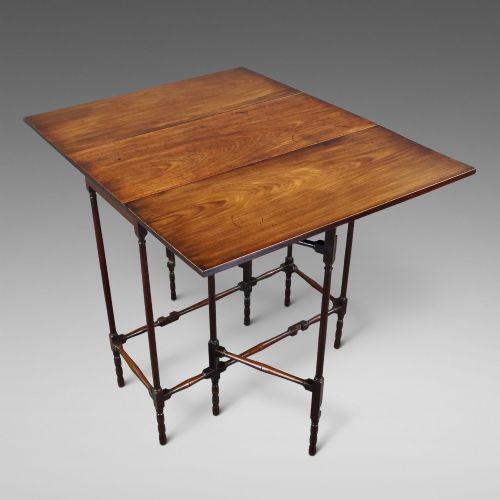
The most common variations on this page include Victorian and Edwardian Sutherland tables, alongside earlier oak drop-leaf tables and slender Georgian spider leg tea tables. Makers constructed these items in diverse timbers such as burr walnut, satinwood, and honey oak to serve as tea tables, side tables, and small coffee tables.
Materials and Construction
Craftsmen built these tables primarily using solid oak for seventeenth and eighteenth-century examples, shifting towards mahogany, walnut, and satinwood during the Victorian and Edwardian eras. Turnery techniques produced distinctive leg supports, including barley twist, bobbin, and delicate spider leg configurations.
Hinged drop leaves and swinging gate legs required precise joinery to ensure stability when open. Cabinetmakers often enhanced finer surfaces with marquetry inlay, brass fittings, and polished veneer work.
Some tiny Victorian tables were affectionately dubbed baby gatelegs because they looked like full-sized furniture viewed through the wrong end of a telescope.
Evaluating Quality
Quality rests upon the choice of timber and the crispness of the turning on the legs. Finely figured burr walnut and rich mahogany indicate higher status pieces compared to utility oak.
Structural integrity of the gate mechanism and the tightness of the knuckle joints determine how well the folding leaves operate over time. Original untouched surfaces and subtle marquetry inlay separate superior examples from standard workshop output.
Maple and Co
The Gateleg Occasional Table Glossary
- Gateleg table
- A table with hinged leaves supported by one or more legs that swing outward on a gate-like pivot.
- Sutherland table
- A narrow drop-leaf table with exceptionally slim legs and leaves that fold down almost vertically.
- Spider leg
- A table design featuring extremely slender turned wooden legs, typical of lightweight Georgian and Edwardian tea tables.
- Drop leaf
- A hinged table flap that can be raised and supported or lowered when not in use.
- Barley twist
- A spiral turning technique used on table legs, popular in seventeenth-century and Edwardian revival furniture.
- Bobbin leg
- Turned furniture legs resembling a string of spools or bobbins, found frequently on seventeenth and nineteenth-century oak pieces.
Gateleg Occasional Table: Frequently Asked Questions
What is a Sutherland table?
A Sutherland table is a specific form of gateleg table featuring exceptionally narrow fixed central top sections and wide drop leaves. They were designed to fold down into a very compact footprint when not in use.
Victorian and Edwardian makers produced these in mahogany, walnut, and satinwood for use as tea tables or occasional furniture in smaller drawing rooms.
How do I date an oak gateleg table?
Dating relies on examining the construction methods, timber type, and turning style of the legs. Seventeenth-century examples typically display hand-split oak, pegged joints, and heavy bobbin or early columnar turnings.
Later nineteenth-century and Edwardian revivals often utilise softer machine-cut timbers, modern fixings, and brighter honey-coloured finishes.
Were spider leg tables used for dining?
Spider leg tables were intended primarily for light domestic tasks such as serving tea, holding books, or displaying decorative items. Their extremely slender turned legs lacked the robust framing required for heavy dining.
Most eighteenth and Edwardian spider leg examples function as occasional, Pembroke, or tea tables rather than substantial dining furniture.
How do I care for a walnut table?
Walnut furniture benefits from placement away from direct sunlight and strong heat sources to prevent the veneers from drying and cracking. Regular dusting with a soft cloth keeps the polished surface clean.
Applying a traditional beeswax periodically nourishes the timber and helps maintain the deep lustre of the grain.