

Compact Folding Side Table
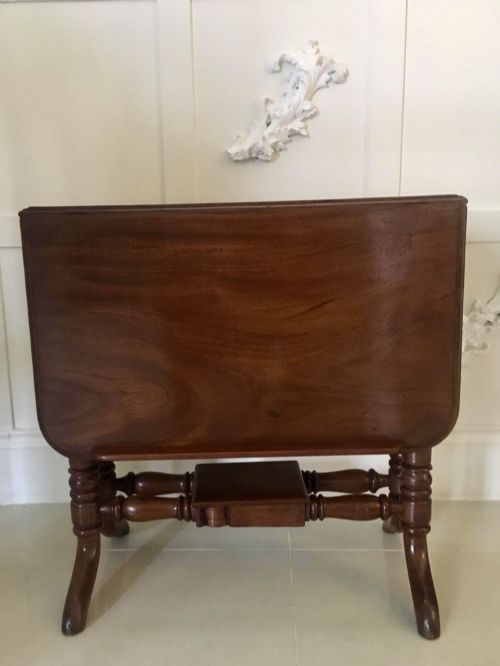
A compact folding side table is a versatile surface designed to save space, and these examples combine period charm with practical ingenuity.
Compact Folding Side Table
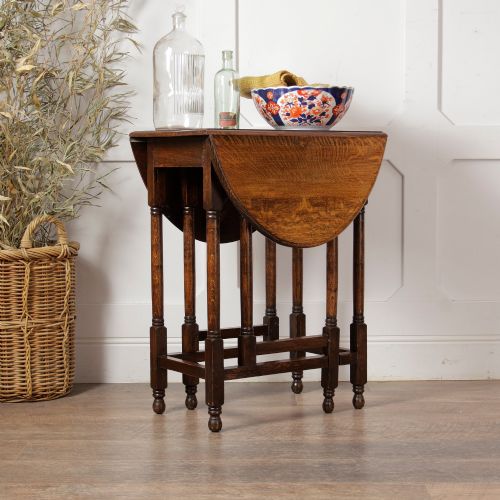
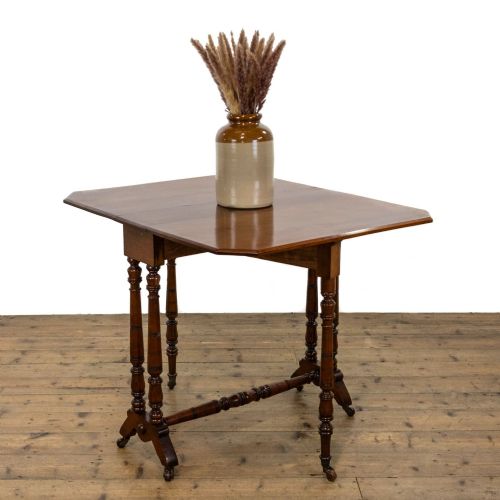
A compact folding side table encompasses nimble occasional surfaces designed to fold flat when not in use. Buyers searching for a compact folding side table frequently encounter drop-leaf and gateleg designs from the Victorian and Edwardian eras.
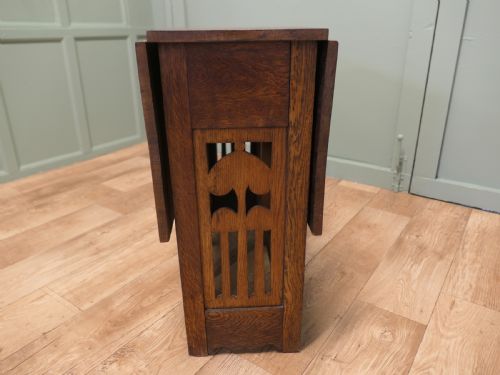
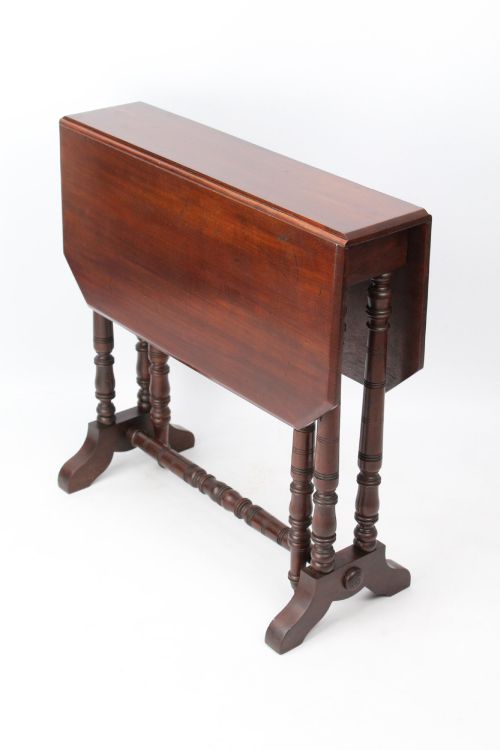
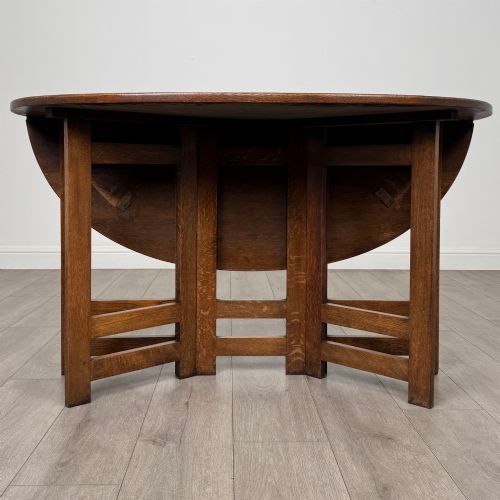
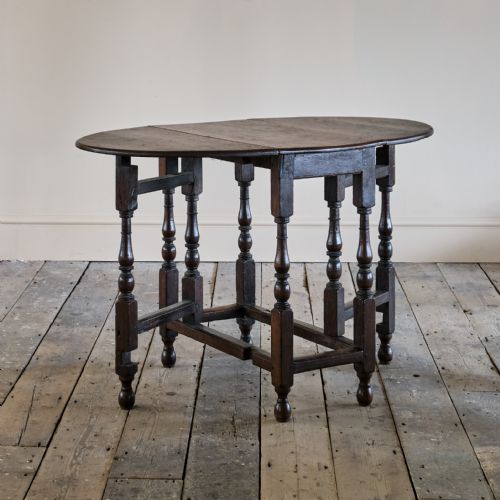
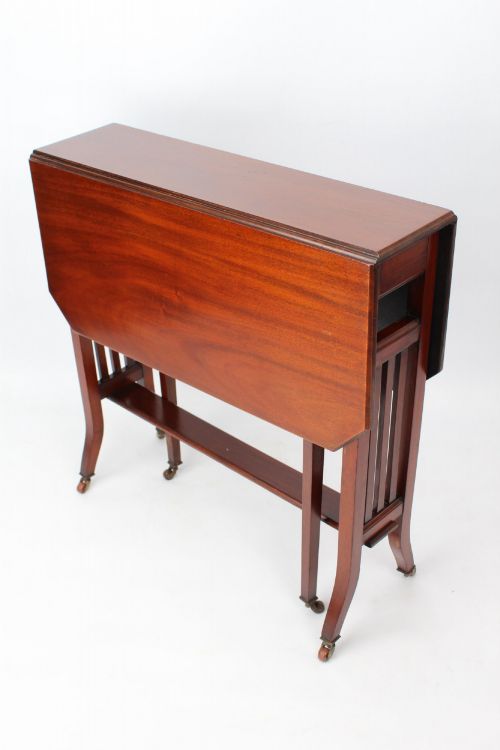
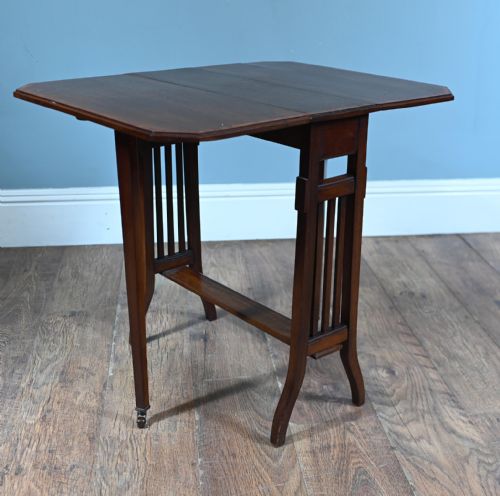
The selections span slender Sutherland tables with narrow drop leaves alongside sturdy oak gateleg forms. These pieces originated to serve multiple domestic functions in period drawing rooms and parlours where floor space was at a premium.
Makers of the period utilised timber frames that could collapse instantly into narrow profiles. This focus on portability and space-saving utility remains the defining characteristic of the form across all listed centuries.
Materials and construction methods
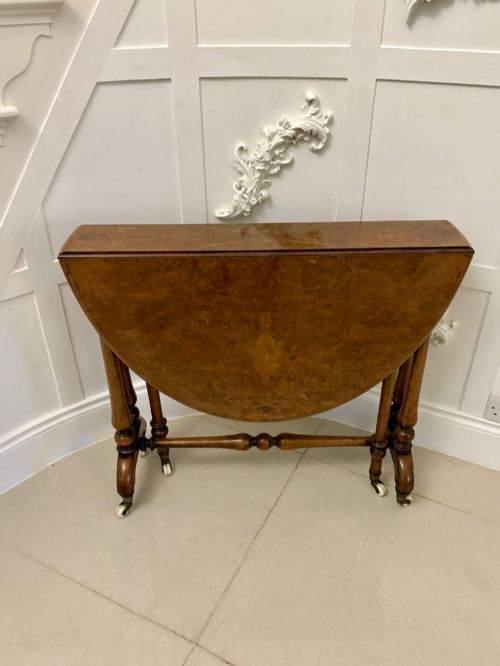
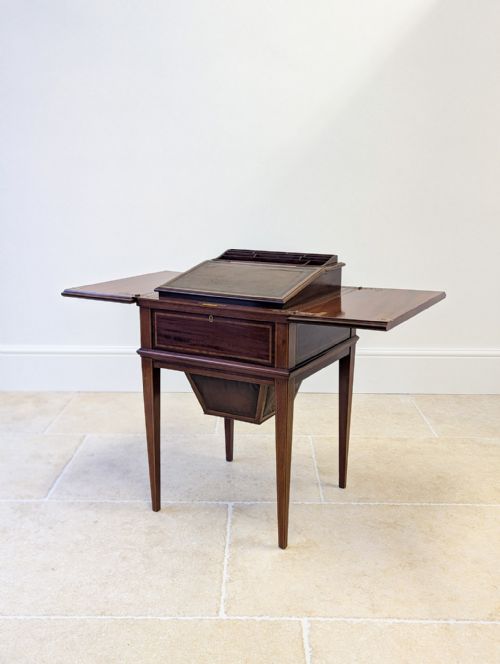
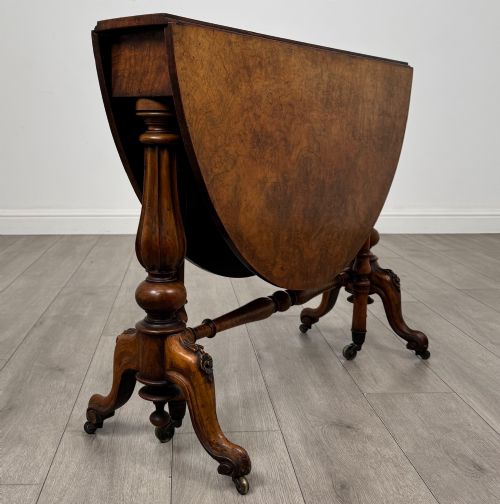
Craftsmen built these tables using hardwoods such as mahogany, walnut, and oak, often selecting burr veneers to add decorative grain patterns to tabletops. Boxwood and satinwood stringing frequently embellished Edwardian mahogany surfaces.
Gateleg and Sutherland constructions relied on hinged flaps supported by pivoting wooden legs or swing-out frames. Brass hinges and castors provided the necessary mechanical movement for folding mechanisms.
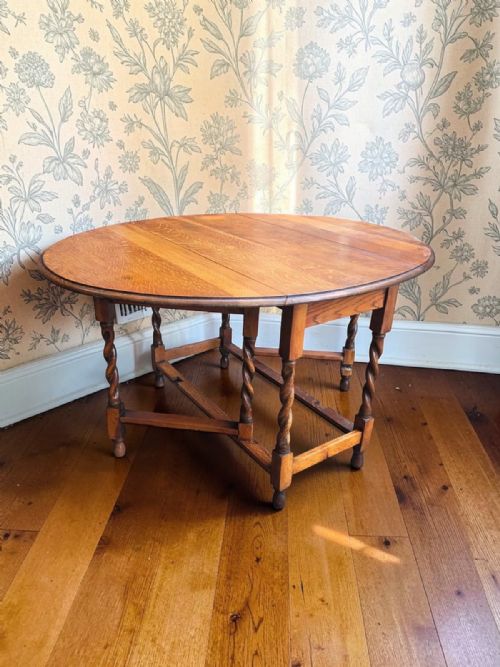
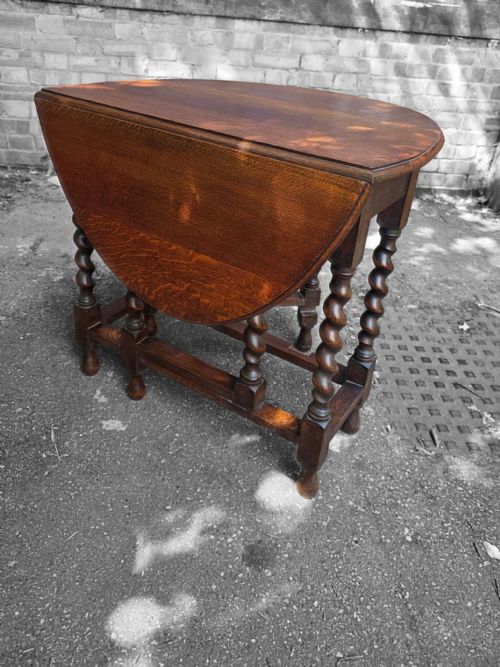
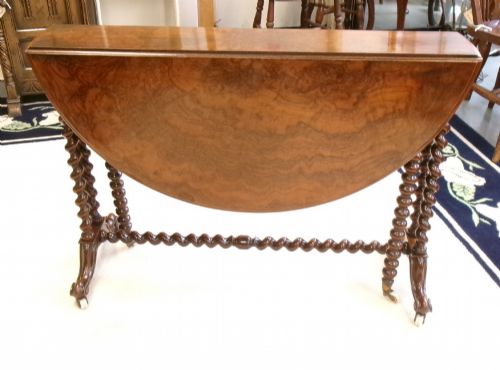
Barley twist turnings and bamboo-effect mouldings demonstrated the decorative lathe work applied to structural legs and stretchers. Joinery techniques ensured stability when the leaves were raised despite the folding design.
Listings feature folding side tables spanning from the seventeenth-century style up to the nineteen-twenties, constructed in mahogany, oak, and burr walnut.
Indicators of superior craftsmanship
Quality rests upon the crispness of the timber turning and the precision of the hinge placement. Superior pieces maintain absolute rigidity in the frame when extended, showing no looseness at the pivot points.
The choice of face veneers dictates visual distinction, with finely figured burr walnut and rich satinwood inlay marking out the more ambitious commissions. Plain secondary timbers underneath reveal the honesty of period workshop standards.
Maple & Co
The Compact Folding Side Table Glossary
- Sutherland table
- A narrow-drop-leaf table with exceptionally slim legs and flaps that fold almost vertically. It was named after the Duchess of Sutherland in the nineteenth century.
- Gateleg table
- A table with hinged leaves supported by legs that swing outward like a gate. This design provides robust support for drop leaves.
- Barley twist
- A spiral carving resembling a twisted rope applied to furniture legs and supports. It became popular during seventeenth-century revivals.
- Drop leaf
- A hinged horizontal surface that folds down when not in use. It allows tables to reduce their footprint significantly.
Compact Folding Side Table: Frequently Asked Questions
How do I use a Sutherland table?
Raise the narrow drop leaves on either side and swing the supporting leg frames outward until they lock beneath the top. This provides a stable surface for tea or writing while maintaining a minimal footprint against a wall when folded.
Lower the leaves simply by lifting the leg gate slightly and swinging it back toward the centre. The table collapses into a flat profile that slips easily behind a sofa or into a narrow hallway.
Where did gateleg tables originate?
Gateleg tables evolved during the seventeenth century to provide flexible dining and work surfaces in English homes. The clever swing-leg mechanism allowed large tabletops to fold away compactly when rooms needed to be cleared.
By the Victorian and Edwardian periods, smaller iterations of the gateleg design re-emerged as convenient side and coffee tables. These later versions adapted traditional joinery for more intimate drawing-room use.
Can I use these tables in small rooms?
These folding tables excel in restricted spaces because their leaves drop down to create a slim profile. You can keep them folded flat against a wall and expand them only when extra surface area is required.
Their lightweight construction also makes them easy to reposition around a room as your seating arrangement changes. The variety of woods available ensures they integrate smoothly into modern or traditional interiors.