



Galle Overlay Glass Vase
These galle overlay glass vase pieces bring Art Nouveau botanicals and landscapes to a room through layered glass.
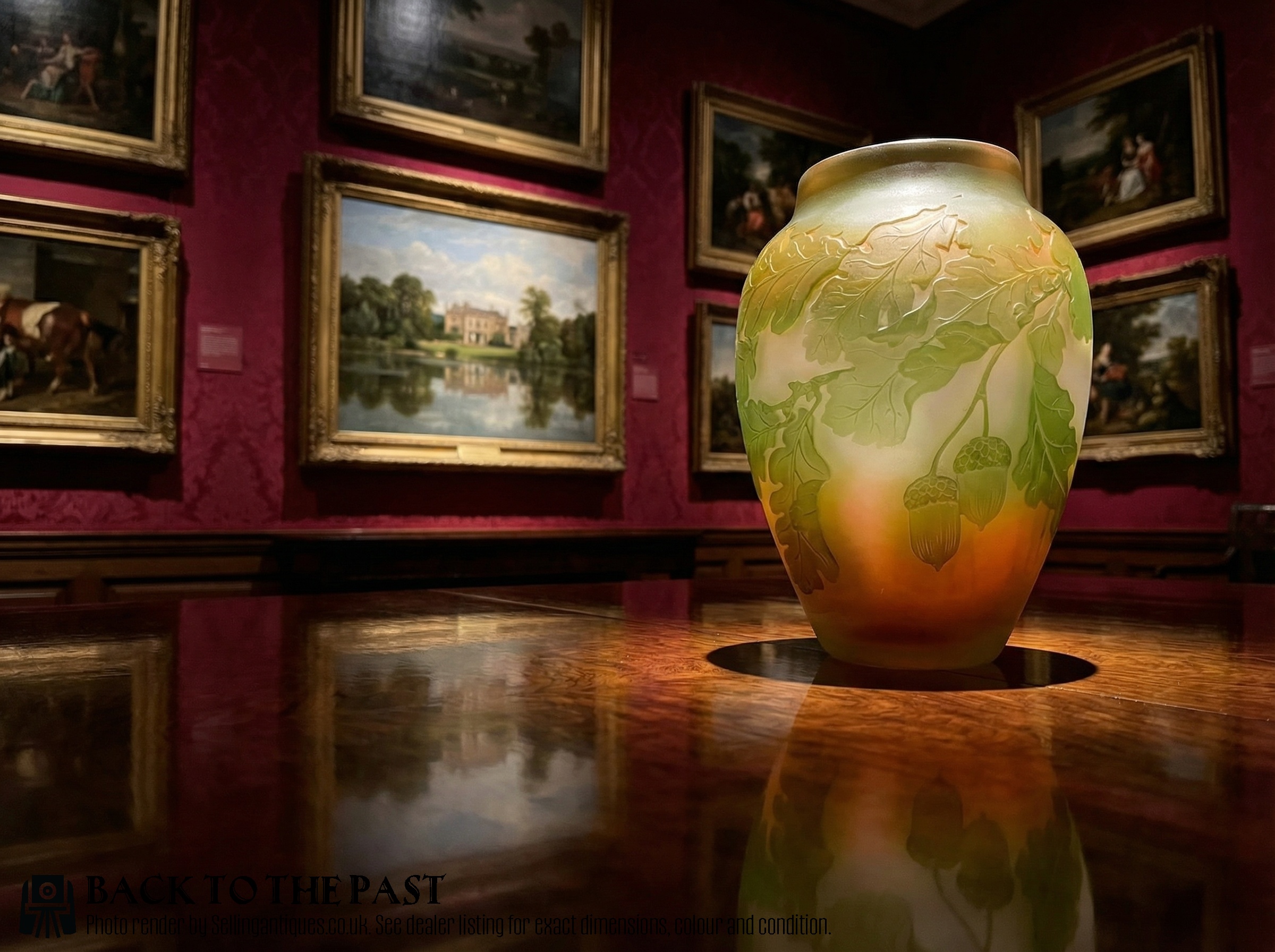
Galle Overlay Glass Vase
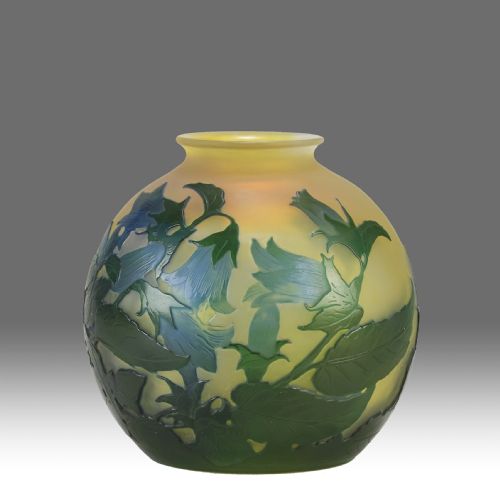
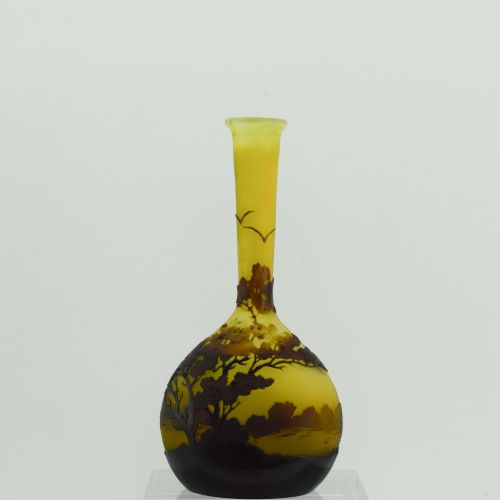
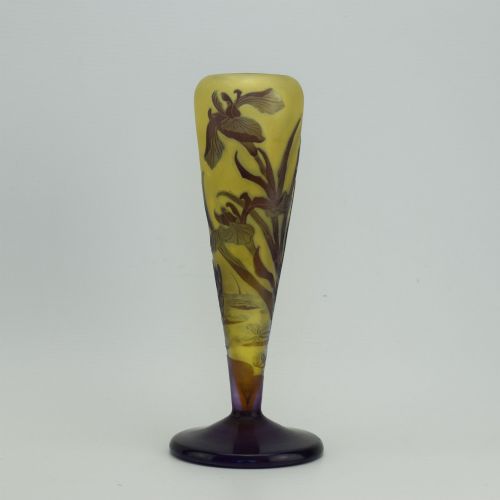
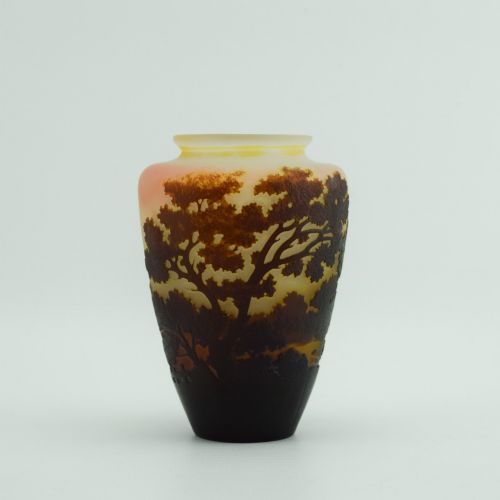
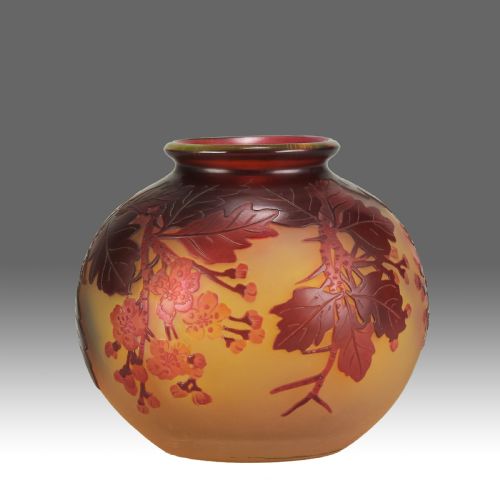
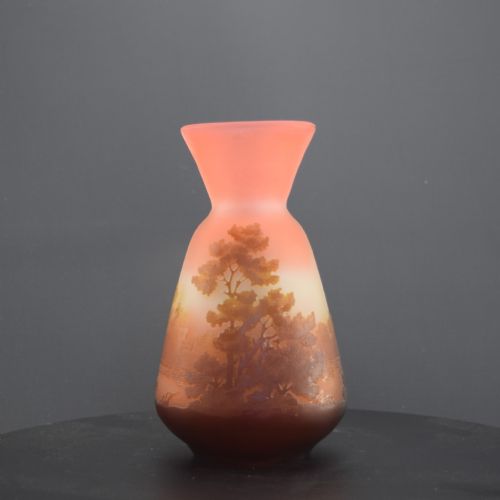
A galle overlay glass vase displays the distinct aesthetic of early twentieth century French glassmaking. Collectors searching for a galle overlay glass vase encounter forms decorated with botanical subjects like cornflowers, campanula, apple blossom, and iris alongside naturalistic landscape scenes.
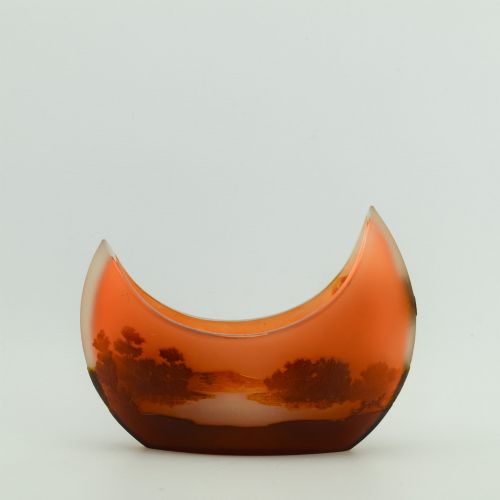
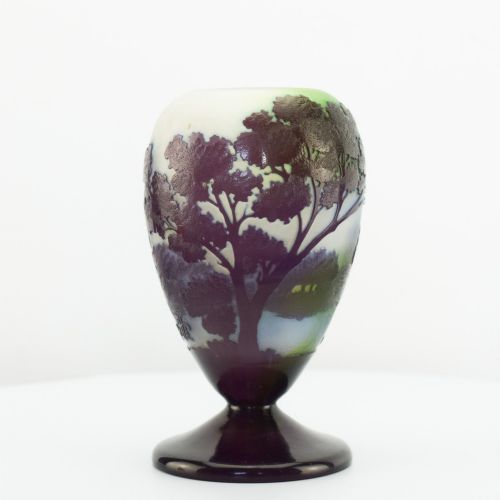
The objects appearing on this page span the nineteen hundreds, nineteen tens, and nineteen twenties. Typical shapes range from tall bodies and footed vessels to crescent and banjo profiles.

How they were made
Maker studios built these pieces using cameo glass techniques, fusing multiple layers of coloured glass together. Artisans then employed acid-etching to cut back the outer layers and reveal contrasting designs beneath.
Frosted glass and standard etched glass finishes create the textured backgrounds seen on these items. The contrast between brown, peach, and floral tones relies entirely on this controlled chemical and manual reduction.
Oak leaves, acorns, and crescent moons share shelf space here with delicate cornflowers.
What varies in quality
The distinction between ordinary and exceptional examples rests on the depth of the carving and the complexity of the landscape or floral motifs. Pieces featuring intricate aquatic scenes or detailed foliage demonstrate superior handling of the layered glass.
The clarity of the acid-etching and the balance of the colour palette determine visual success. Finer works maintain crisp definition across every leaf and stem without losing the harmony of the underlying hues.
Emile Gallé
The Galle Overlay Glass Vase Glossary
- Cameo glass
- Glass vessels created by fusing two or more distinct layers of coloured glass together. Artisans carve or acid-etch the exterior layers to expose the contrasting colour underneath.
- Acid-etched glass
- Glass decorated by applying acid to eat away exposed surfaces while protected areas remain raised. This method allows for precise control over the depth of the relief.
- Frosted glass
- Glass treated to produce a textured, non-reflective surface finish. It provides a soft background that makes coloured overlay motifs stand out clearly.
- Art Nouveau
- The decorative style defining these works, characterised by flowing organic lines, floral themes, and natural motifs. This movement dominated design during the early twentieth century.
- Overlay
- A technique involving layers of different coloured glass gathered together in the molten state. The outer layers provide the material that artists carve away to form patterns.
Galle Overlay Glass Vase: Frequently Asked Questions
What is a galle overlay glass vase?
These pieces are layered glass vessels produced in France during the early twentieth century. They utilise cameo techniques to display botanical and landscape designs.
Artisans created them by fusing different coloured glass layers and etching away the surface to reveal the pattern. Collectors value them for their Art Nouveau aesthetic and skilled craftsmanship.
How do I date these vases?
Dating relies on stylistic indicators and production periods spanning from nineteen hundred to the nineteen twenties. Early twentieth century examples often feature specific floral titles and signatures.
Comparing the complexity of the landscape or floral motif helps place the piece within this timeline. The materials and forms shift subtly across these decades.
What motifs appear on these vases?
Designs draw heavily from nature, showing floral subjects like iris, cornflowers, campanula, and apple blossom. Other pieces display landscape scenes including Vosges views, trees, and fern patterns.
Aquatic themes also feature prominently among the available forms. Every motif reflects the natural focus of the Art Nouveau period.
How were these vases used?
These vessels served primarily as decorative display pieces rather than everyday flower holders. Their artistic value lay in the coloured glass layers and carved relief work.
Placed on display surfaces, they caught the light to highlight the etched cameo designs. Today they remain decorative display objects for interior spaces.
How do I care for a glass vase?
Maintenance involves gentle dusting and careful handling to protect the etched surface and layered glass structure. Avoid harsh cleaning agents that might affect the frosted or etched finishes.
Display the piece away from direct hazards where it might be knocked. Proper placement ensures the cameo details remain visible and secure.