
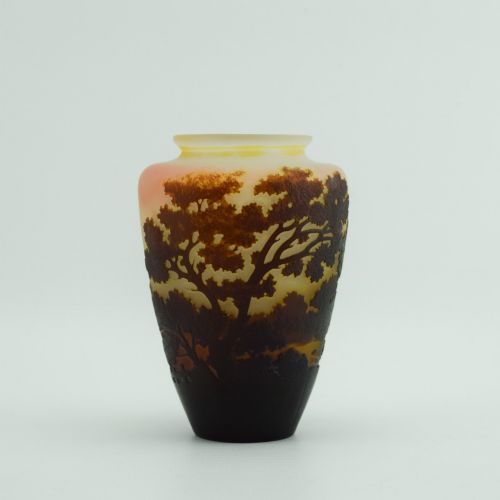
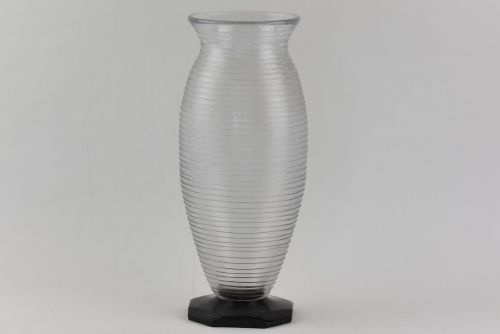


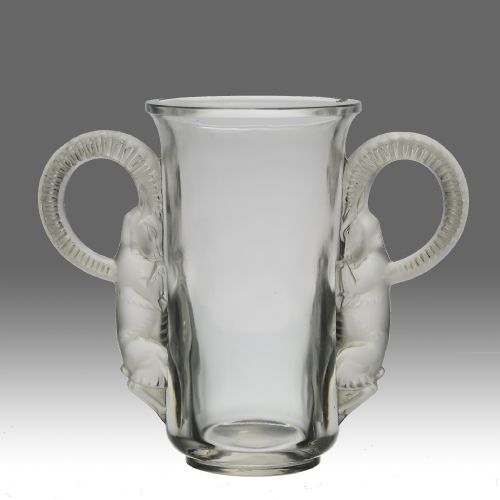
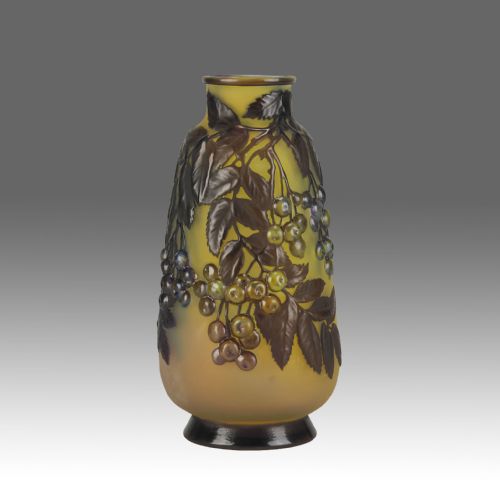


Frosted Glass Vase
A frosted glass vase brings a tactile, light-diffusing quality to an interior, transforming simple floral displays through disciplined acid-etching, cameo carving and moulding.
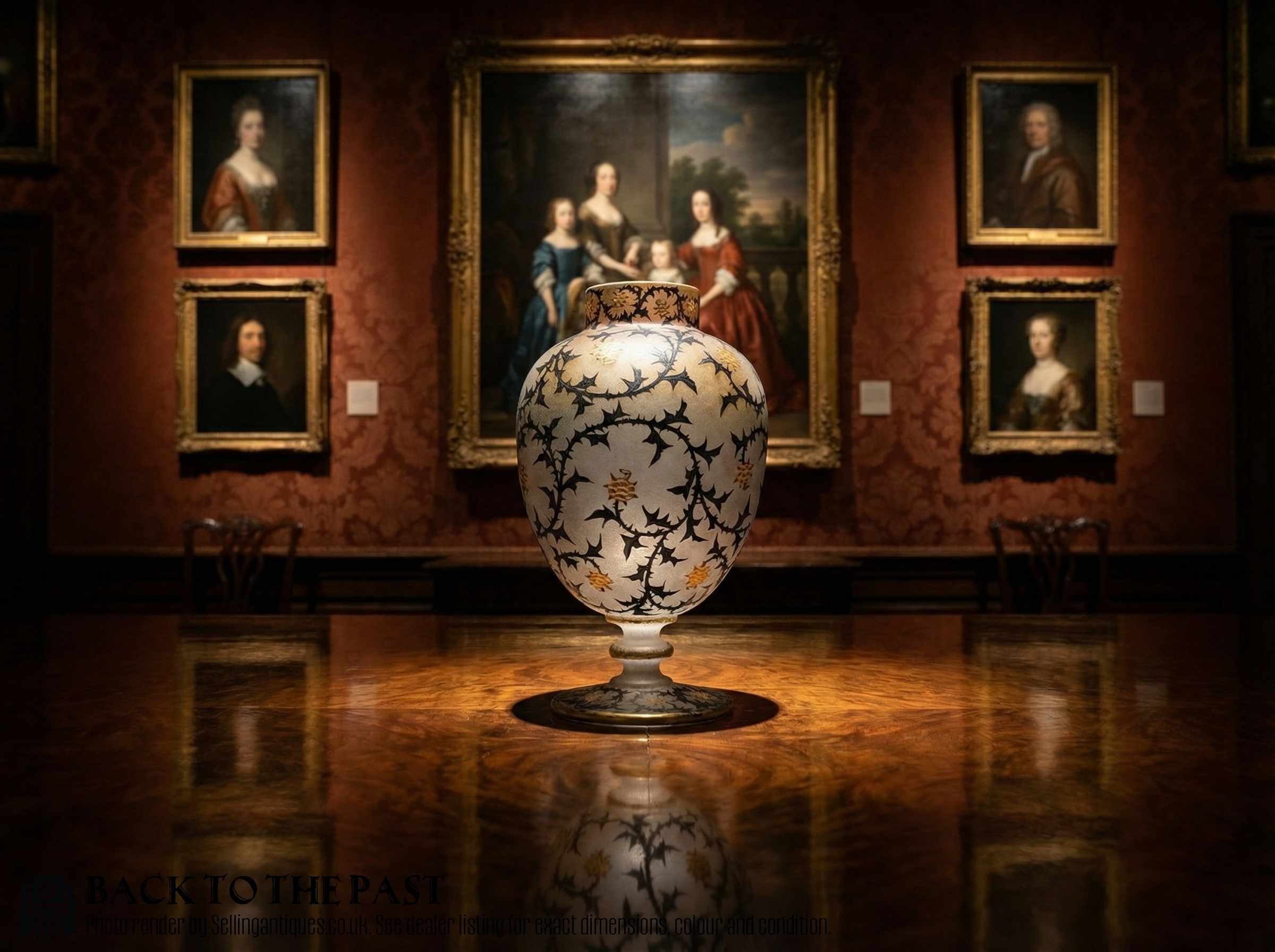
Frosted Glass Vase
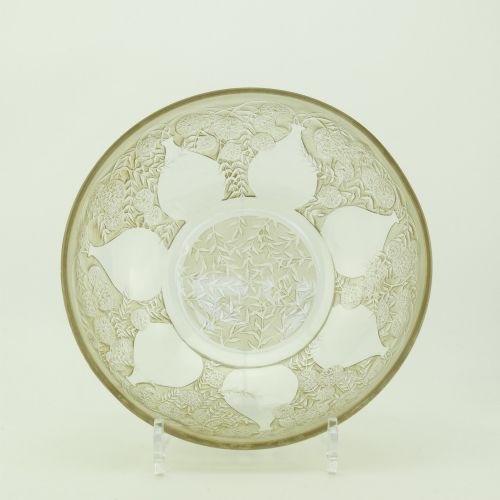
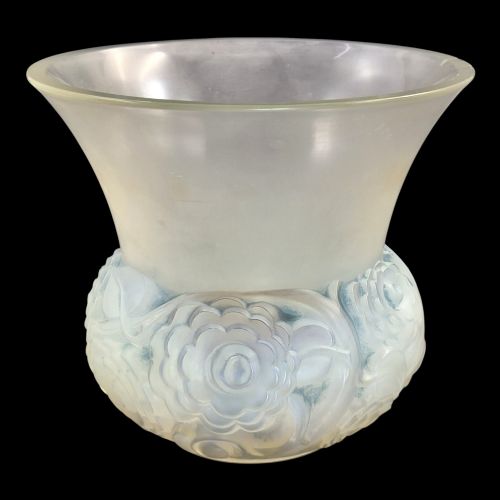
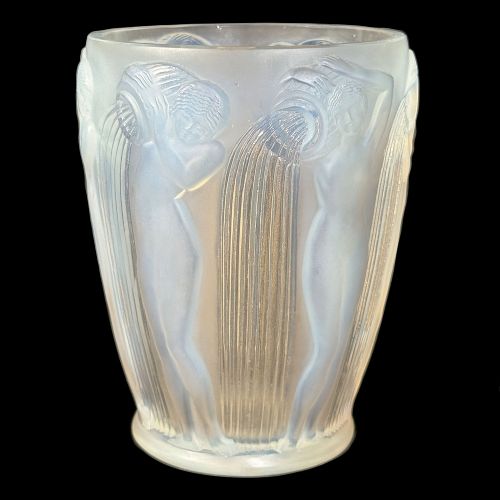
A frosted glass vase is an ornamental vessel defined by its matte, non-reflective surface finish, appearing across Victorian, Art Nouveau and Art Deco periods. Buyers seeking these pieces will frequently encounter French production alongside Victorian British examples, spanning tall urns, footed bowls and slender cylinder forms.
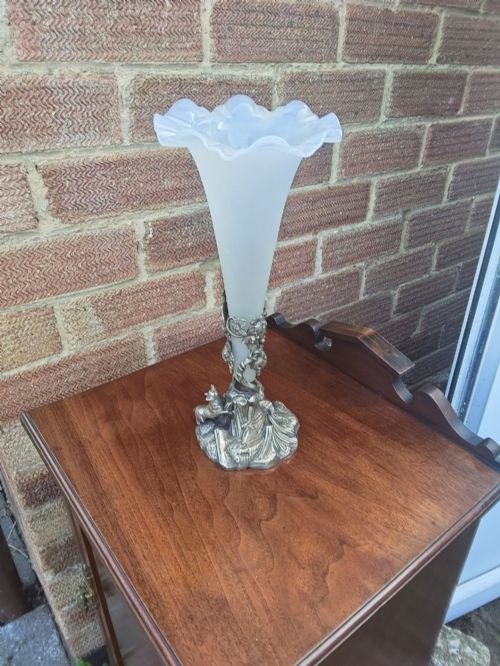
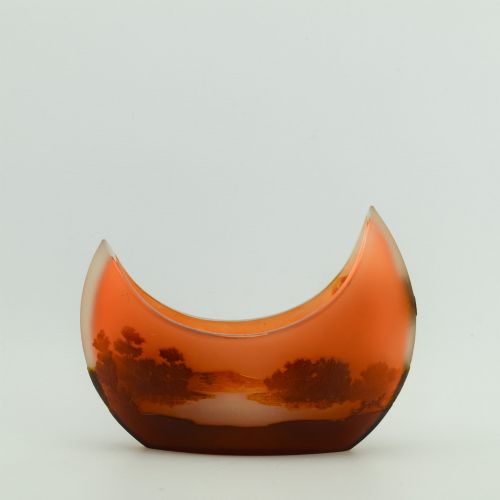
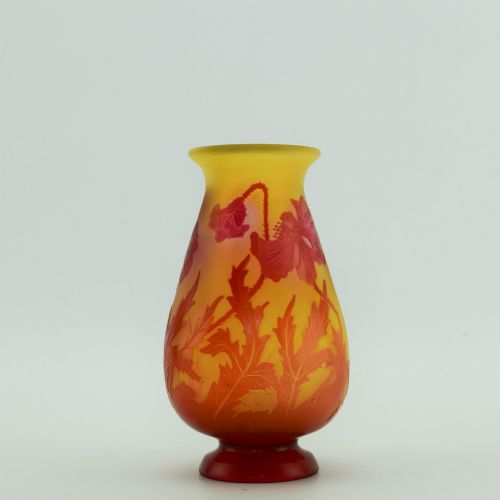
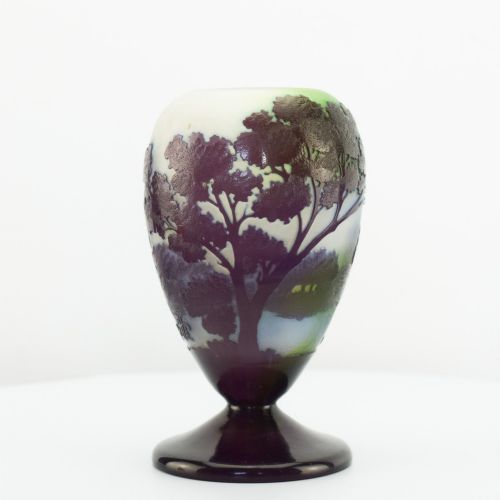
The selection ranges from Victorian satin glass and table lustres to sophisticated early twentieth-century opalescent creations and layered cameo glass. Forms extend from simple decorative bowls to elaborate epergnes and landscape-decorated vessels featuring botanical or geometric motifs.
Materials and production methods
Makers utilised acid-etching and chemical treatments to dull the surface of clear, coloured or opalescent glass, creating the characteristic matte texture. Cameo glass vessels required layering different coloured glasses before carving away the exterior layers by hand or acid to reveal contrasting designs.
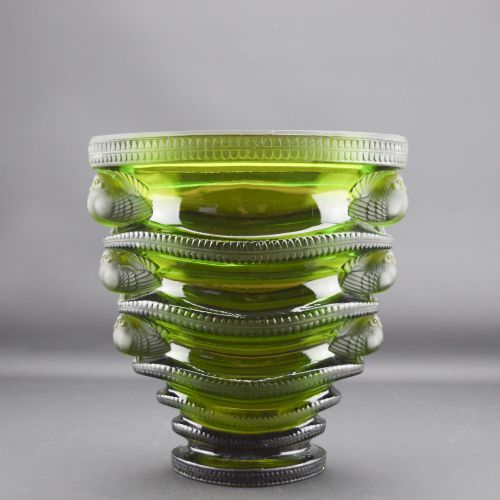
Moulded and pressed glass techniques allowed workshops to produce complex high-relief motifs in large batches, particularly during the Art Deco era. Enamel additions and metallic details were sometimes applied to the surface before a secondary firing fixed the pigment.
Frosted Glass Vase Retail Price Guide 2026
Typical asking prices for frosted glass vase among the pieces listed under this phrase on Sellingantiques today, from the lower quarter to the upper quarter. They describe what is for sale here now, not the wider market.
Some Victorian table lustres were designed to hold fruit between their crystal prisms, serving double duty as opulent fruit bowls.
Distinctions in craftsmanship
Quality rests in the depth of the relief work, the crispness of the moulded or carved details, and the subtlety of the colour transitions within the glass body. Superior examples demonstrate expert control over acid-etching depth, ensuring the matte areas possess a uniform softness without losing the definition of the underlying design.
The weight and purity of the crystal or glass blank set finer pieces apart from standard utilitarian wares. Hand-finished details, precise signatures, and balanced proportions across complex forms like epergnes or multi-layered cameo pieces indicate higher workshop standards.
Rene Lalique·Galle·Daum Nancy·Thomas Webb And Sons·Legras·Daum Freres·Verre Francais Schneider
The Frosted Glass Vase Glossary
- Cameo Glass
- Glass vessels created by fusing two or more distinct layers of coloured glass together before carving away the exterior layer to form a raised design. This technique requires exceptional skill to maintain consistent depth across the entire motif.
- Acid-Etched Glass
- Glass treated with hydrofluoric acid to eat away the surface, producing a frosted matte texture or a shallow carved pattern. It permits intricate botanical and geometric designs that would be laborious to cut by hand.
- Opalescent Glass
- Glass that appears milky bluish-white when viewed with transmitted light, but takes on warm amber or orange tones when lit from the front. It gained widespread popularity in French Art Deco design.
- Table Lustre
- An ornamental glass vase fitted with a matching set of hanging crystal prisms around the rim. They were placed on dining tables and mantelpieces during the nineteenth century to catch and refract candlelight.
- Satin Glass
- Victorian art glass featuring a velvety, matte finish produced by acid-treating a blown glass vessel. It often appears in vibrant shades of blue, pink or yellow.
Frosted Glass Vase: Frequently Asked Questions
What is the difference between frosted and satin glass?
Frosted glass describes any glass surface rendered matte through acid-etching, sandblasting or mechanical grinding to diffuse light. Satin glass is a specific Victorian variant typically characterised by a soft, velvety sheen and often featuring shaded pastel colours.
While all satin glass is technically frosted, traditional Victorian satin glass usually involves a distinct chemical treatment applied during the blowing process. Acid-etched frosted glass found in Art Deco pieces generally exhibits sharper geometric or high-relief botanical details.
How can I tell Art Deco from Victorian pieces?
Victorian examples tend to display naturalistic floral motifs, bright satin colours, or ornate attachments like crystal prisms and metal epergne frames. They lean toward decorative elaboration and traditional nineteenth-century table aesthetics.
Art Deco items feature stylised symmetry, opalescent tones, geometric patterns, and heavy moulded glass construction. Signatures from major French studios frequently appear on the bases of these twentieth-century works.
Are these vases signed by the maker?
Many fine pieces carry acid-stamped, engraved or moulded signatures identifying the studio or designer on the base or lower rim. Unsigned examples still occur frequently, particularly among Victorian production and general continental art glass.
Signatures should be examined closely for consistency with known workshop practises of the period. The absence of a signature does not preclude quality if the weight, material quality and execution match known standards.