



French Writing Slope
A french writing slope is a portable or fitted desk designed for correspondence, bringing tactile elegance and historical charm to any room.
French Writing Slope
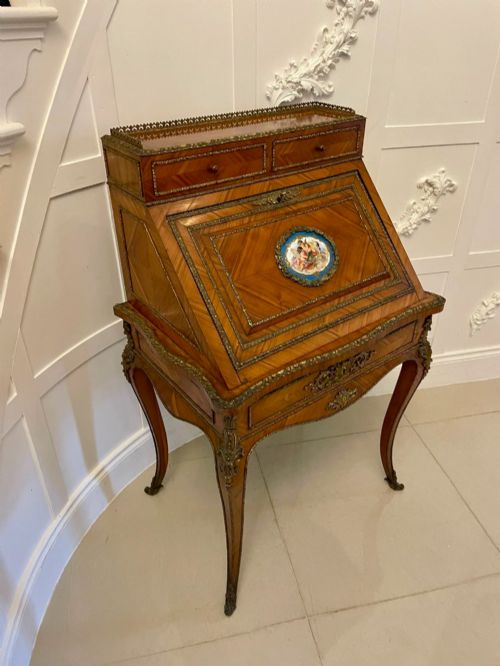
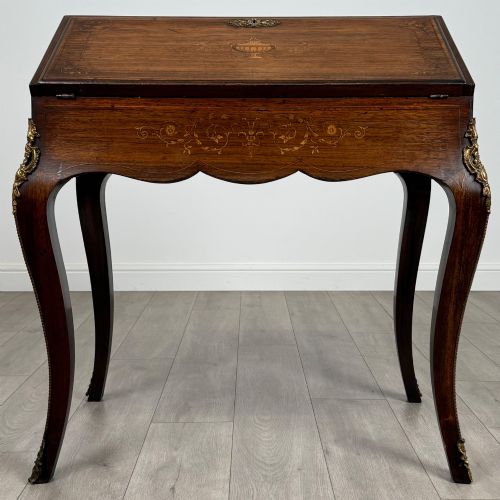
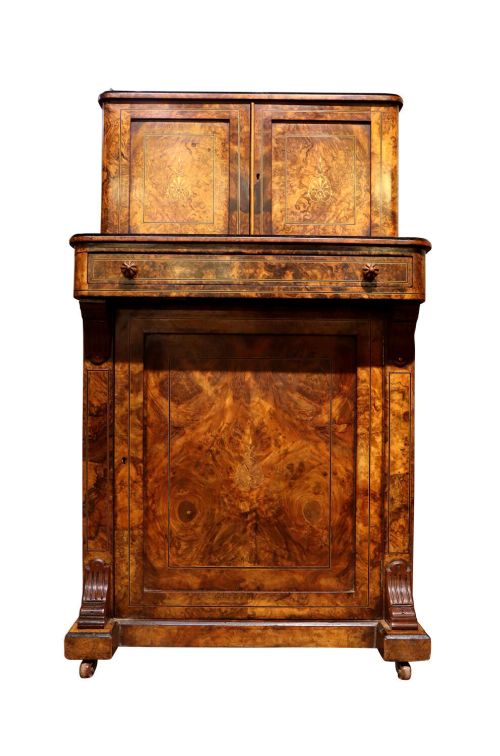
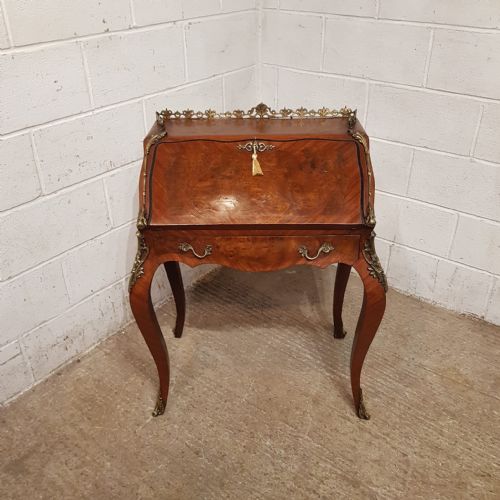
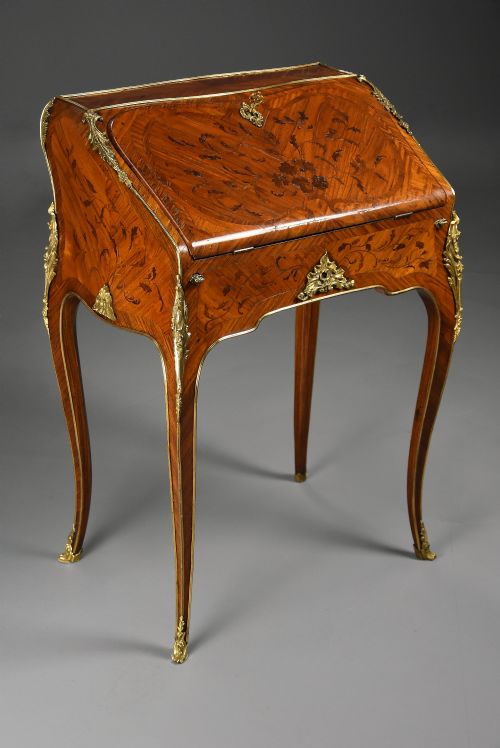
When you search for a french writing slope, you encounter portable lap desks, bureau de dame forms, and compact writing furniture originating across the eighteenth, nineteenth, and early twentieth centuries. The pieces on this page span diverse stylistic revivals, including Louis XV, Empire, and Victorian interpretations of classic continental forms.
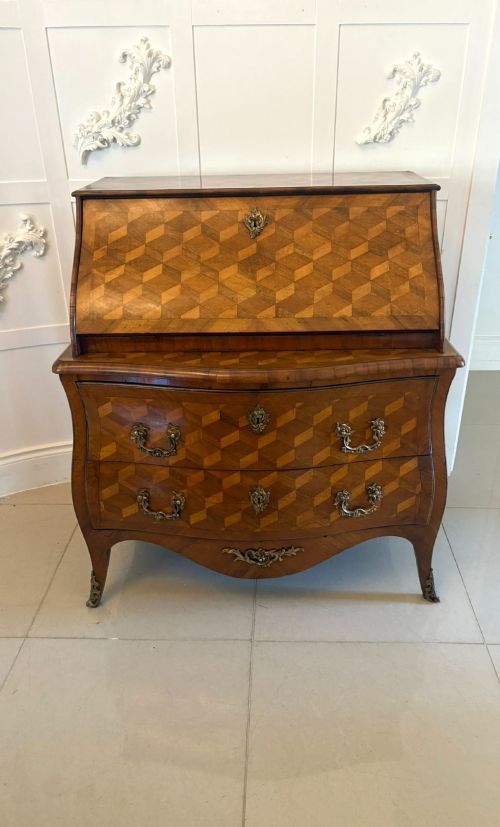
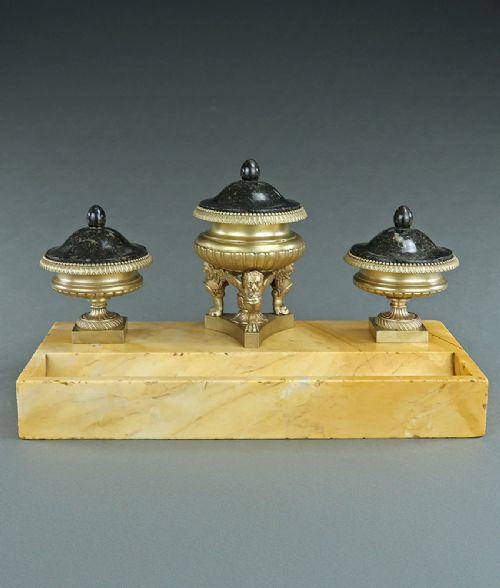
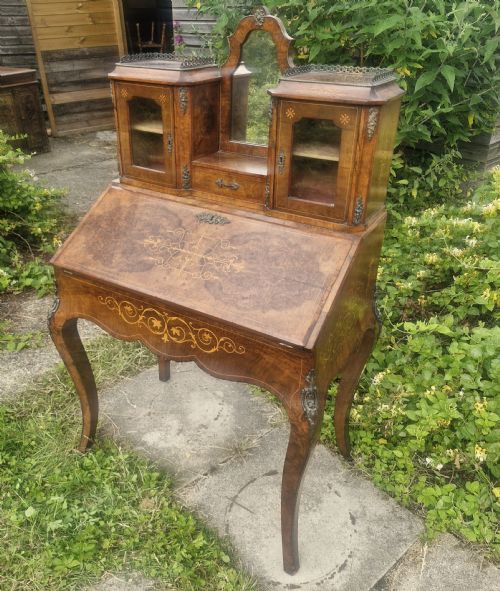
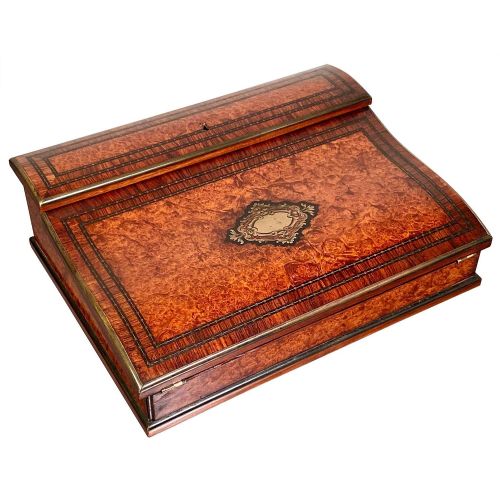
You are most likely to meet walnut and rosewood bureau de dame variations alongside campaign writing slopes featuring brass inlay and fitted interior compartments. These objects range from miniature parquetry desks to freestanding ladies writing desks equipped with integrated inkstands and stationary caskets.
Materials and Construction Techniques
Cabinetmakers constructed these pieces using dense hardwoods like walnut, rosewood, mahogany, and kingwood, frequently applying burr veneers to create striking grain patterns across the sloping lids and desk surfaces. Marquetry and parquetry techniques added geometric or floral pictorial motifs using contrasting timbers and satinwood inlay.
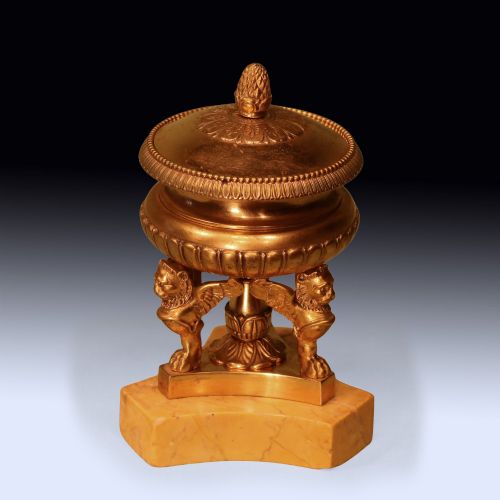
Metal mounts in brass, ormolu, and gilt bronze provide structural reinforcement and decorative framing along edges, hinges, and key escutcheons. Internal components often incorporate glass inkwells, marble bases, and leather-lined writing surfaces tailored for correspondence.
Listings feature nineteenth-century walnut, rosewood, and kingwood alongside eighteenth-century examples and twentieth-century revival pieces.
Assessing Craftsmanship and Distinction
The distinction between standard workshop production and exhibition quality work rests on the precision of the veneer matching, the crispness of the gilt metal mounts, and the complexity of the internal fittings. Superior examples exhibit seamless parquetry, tightly fitted secret drawers, and substantial bronze or ormolu hardware rather than lightweight plated substitutes.
Proportion and material selection dictate overall merit, with figured burr walnut and rich kingwood commanding greater visual presence than simpler mahogany or oak variants. The integration of specialised decorative elements, such as Sienna marble bases or hand-painted porcelain plaques, elevates individual pieces above standard utility forms.
Lefebvre of Belgium
The French Writing Slope Glossary
- Bureau de Dame
- A ladies writing desk, typically featuring a sloping lid or fitted superstructure with small drawers and pigeonholes.
- Ormolu
- Gilt bronze ornamentation applied to furniture and decorative objects during the eighteenth and nineteenth centuries. This technique involved amalgamating gold and mercury to create a rich, durable golden finish.
- Parquetry
- Geometric wood inlay forming patterned surfaces using contrasting timber veneers. Cabinetmakers arranged small wood tiles into cubes, chequered designs, or intricate mosaics.
- Bonheur du Jour
- A light ladies writing table featuring a raised cabinet or set of shelves upon the main desk surface. This form gained popularity during the mid-eighteenth century and saw revivals throughout the Victorian era.
French Writing Slope: Frequently Asked Questions
What is a french writing slope?
A french writing slope is a specialised desk or portable box featuring an angled writing surface designed for holding paper and writing implements.
These pieces range from portable campaign boxes with brass inlay to freestanding ladies desks with fitted internal compartments and inkwells.
How were these desks used?
Owners used these slopes to write letters, store stationery, and house personal documents securely while travelling or within private chambers.
The sloping lid provided an ergonomic angle for handwriting before fountain pens and modern desks became standard.
Where should I place one?
These compact desks suit living rooms, studies, or bedrooms where a full-sized writing table might overwhelm the floor space.
Freestanding bureau de dame models look effective placed against panelled walls or near natural light sources.
How do I date these pieces?
Dating relies on identifying timber choices, brass hardware styles, and decorative motifs associated with specific periods like the Victorian era or Louis XV revival.
Secondary woods, construction joints, and lock mechanisms provide additional clues to the exact decade of manufacture.