





French Wooden Bedstead
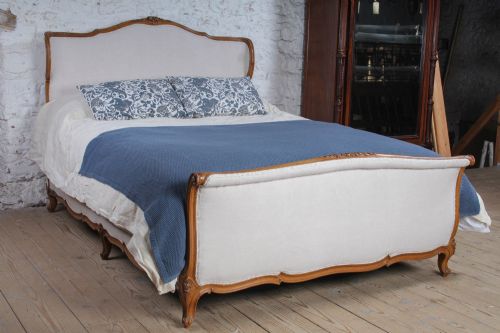
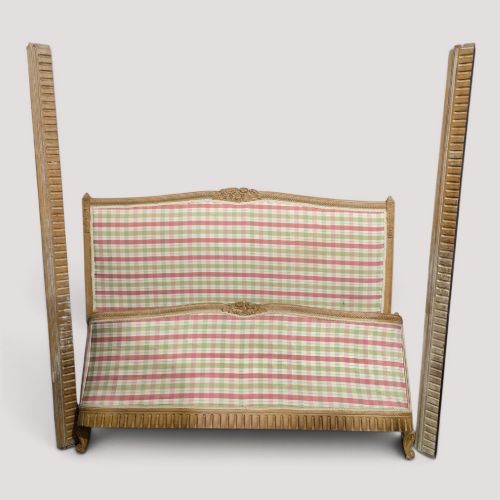
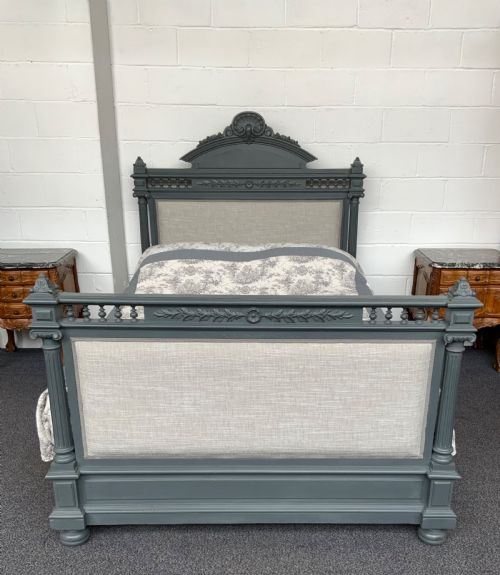
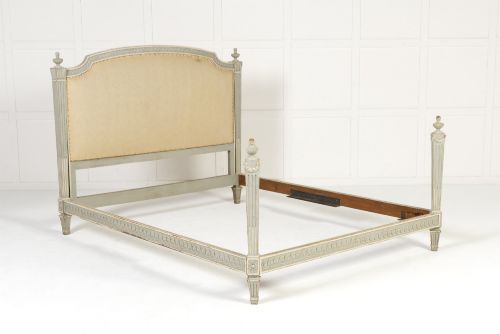
A french wooden bedstead brings continental grace to a bedroom through curved timber frames and classic revival details.
French Wooden Bedstead
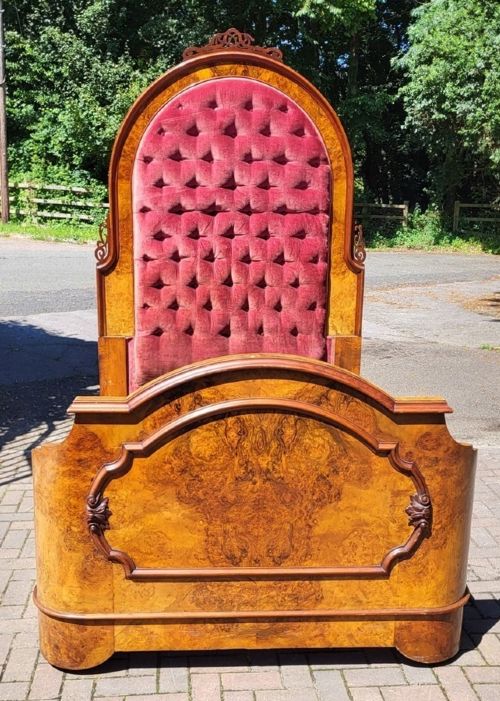
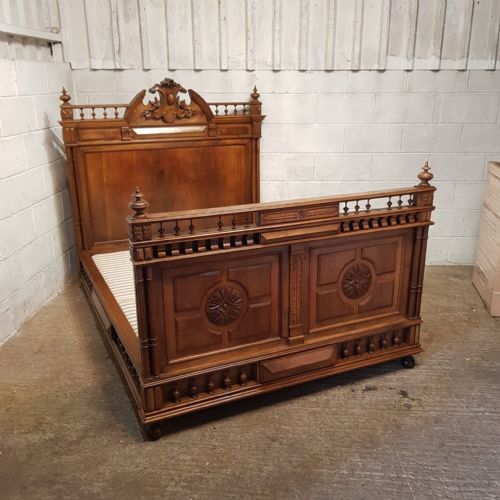
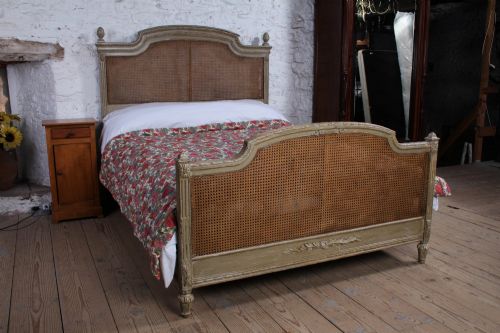
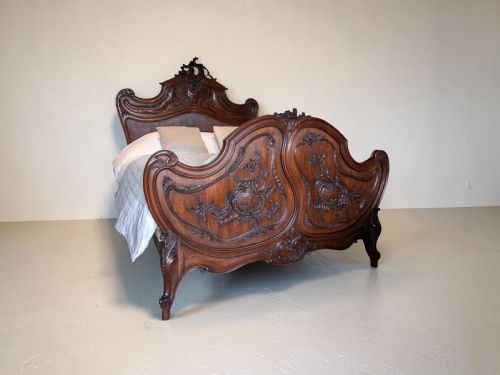
The pieces appearing on this page span from the late nineteenth century into the early twentieth century, including Victorian and Edwardian examples. Common forms feature decorative carved wooden panels, caned inserts, and upholstered button backs.
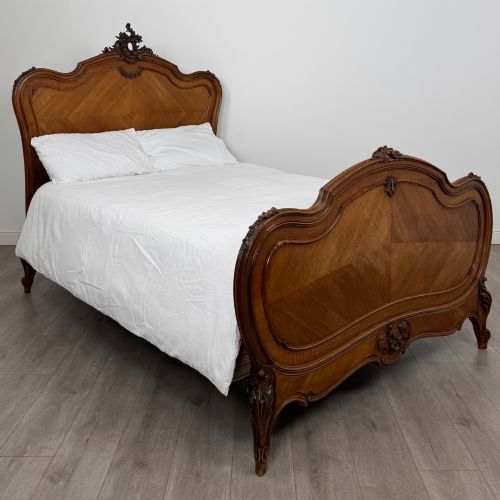
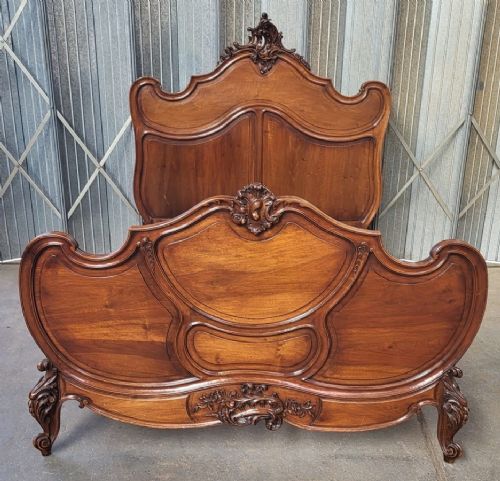
Stylistic influences heavily draw upon Louis periods, featuring neoclassical symmetry or rococo revival curves. Walnut and painted timber predominate the selection, often finished with subtle brass detailing or floral hand-painted panels.
Materials and construction methods
Cabinet makers utilised dense hardwoods such as walnut, mahogany, and oak to construct the primary framework of each bedstead. Quarter veneered surfaces and fruitwood parquetry display the high level of woodworking skill applied during the nineteenth and early twentieth centuries.
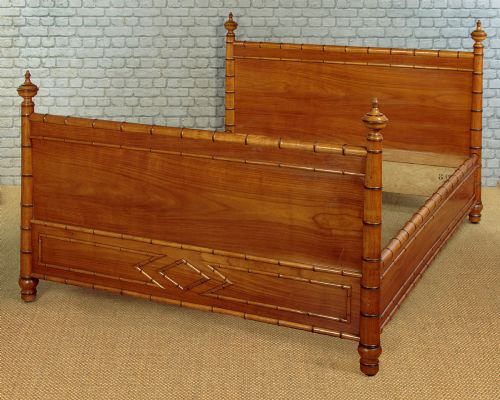
Decorative elements frequently include hand-carved floral motifs, faux bamboo turnings, and applied brass detailing. Painted wood finishes and delicate floral panels provide alternative surface treatments alongside natural polished grain.
The listings feature walnut predominantly as the primary timber, alongside painted wood, mahogany, and oak across multiple periods.
Assessing craftsmanship and finish
The distinction between standard examples and exceptional pieces rests in the depth of the hand-carving and the choice of timbers. Finely figured walnut veneers and intricate marquetry demonstrate superior workshop execution.
Proportion and decorative restraint elevate certain designs, particularly where brass mounts and cane work integrate cleanly into the structural timber. The condition of original upholstery panels and applied decorative trim further defines the stature of each bedstead.
The French Wooden Bedstead Glossary
- Louis XVI Style
- A neoclassical design vocabulary characterised by straight lines, symmetry, fluted columns, and restrained classical ornamentation. This aesthetic offers a more geometric alternative to earlier curved revival styles.
- Parquetry
- A geometric mosaic of wood pieces used for decorative inlay on furniture surfaces. Skilled artisans arrange contrasting timbers like mahogany and fruitwood to create detailed patterns.
- Caning
- Woven rattan or cane material fitted into wooden frames for headboards and footboards. This technique provides lightweight textural contrast against solid timber structures.
- Quarter Veneered
- A method of slicing timber logs into quarters to produce symmetrical grain patterns across large panel surfaces. Cabinet makers apply these thin slices to stable secondary woods.
- Rococo Revival
- A nineteenth-century design movement mimicking the asymmetrical scrolls, shell motifs, and natural curves of the eighteenth-century French style. Carvings in this tradition emphasise fluid movement and organic forms.
French Wooden Bedstead: Frequently Asked Questions
What sizes are available?
The selection includes double, king size, and single dimensions to suit various bedroom layouts.
Larger formats often showcase more elaborate headboard carvings and extended wooden footboards.
How do I identify the period?
Dating relies upon stylistic markers such as nineteenth-century revival motifs, walnut veneers, and hand-carved details.
Later pieces from the early twentieth century often incorporate painted finishes or simplified cane panels.
Are mattresses easy to fit?
Most antique wooden bedsteads accommodate standard modern mattress sizes with appropriate modern internal slats or supports.
Buyers should verify internal dimensions prior to purchase to ensure proper alignment with standard bedding.
How should I care for the wood?
Maintain timber surfaces by dusting regularly with a soft cloth and avoiding direct sunlight.
Apply suitable furniture wax periodically to nourish walnut and mahogany finishes without sealing the grain.