


French Vernis Martin Cabinet
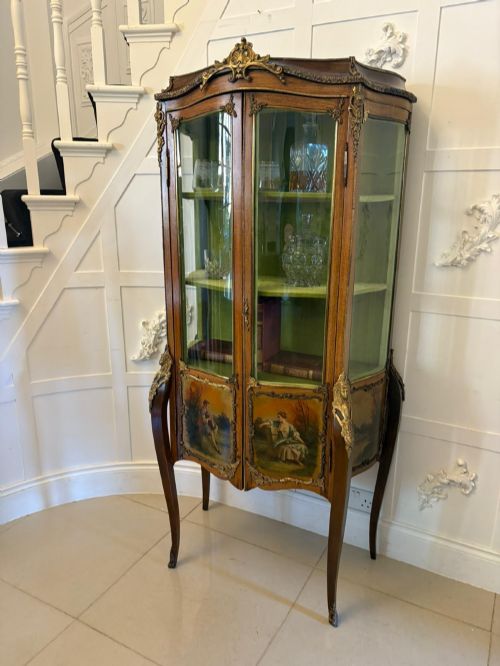
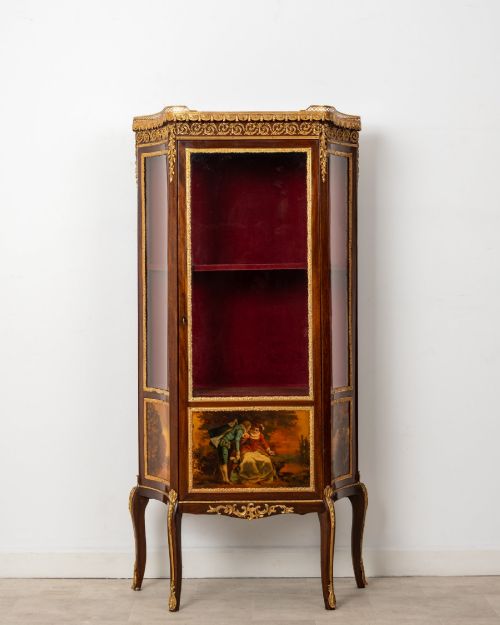
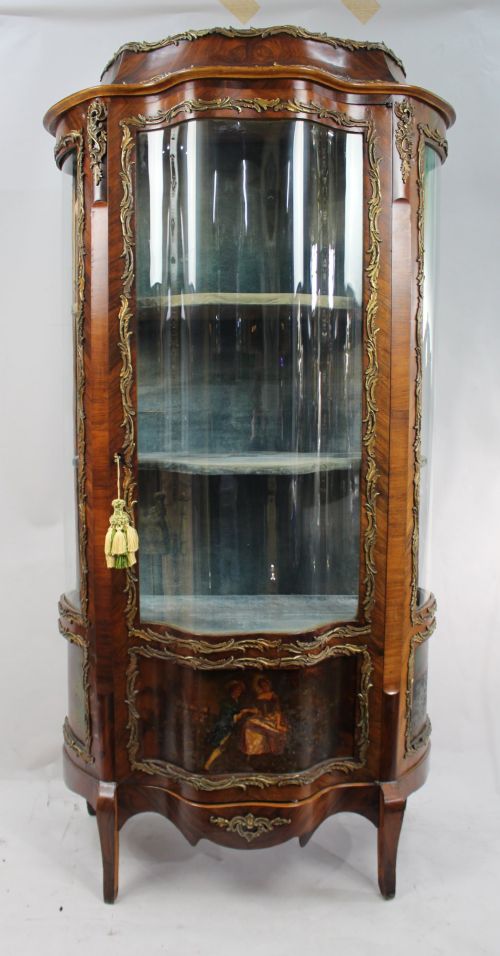
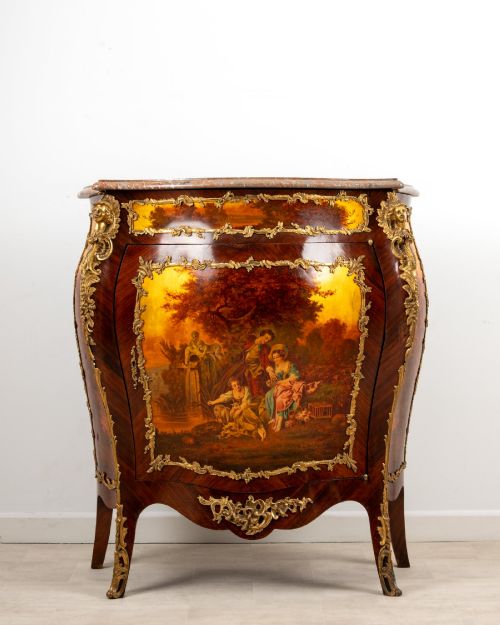
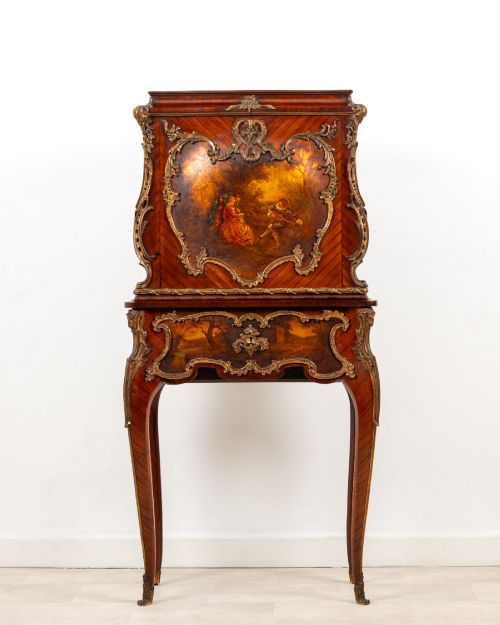
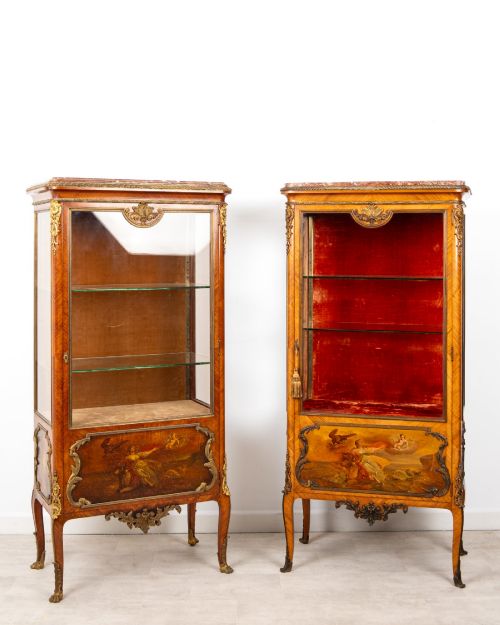
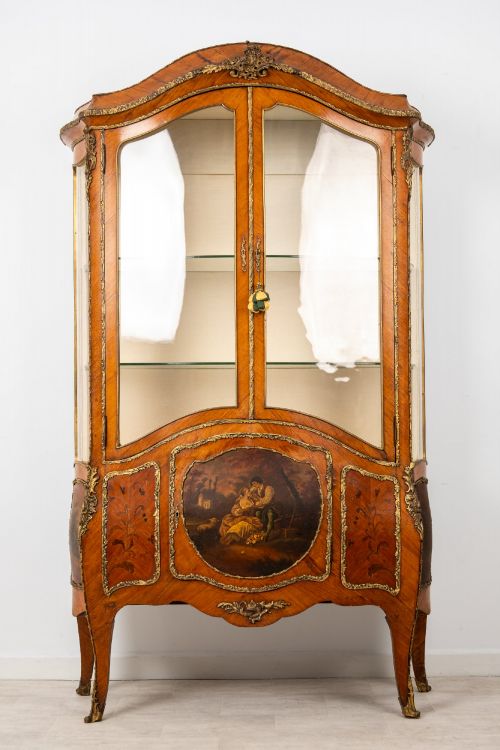
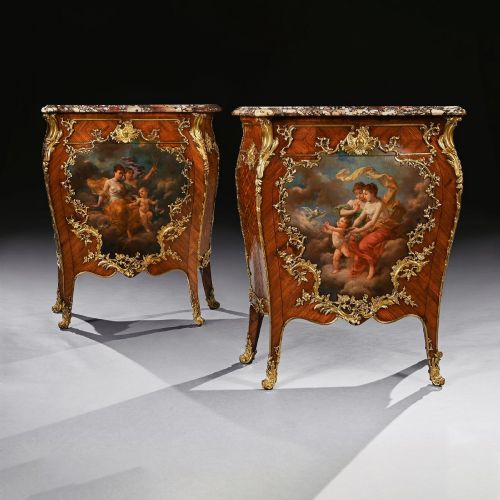
A French vernis martin cabinet brings together painted figural panels, rich timber veneers, and cast bronze mounts to create a focal point for any room.
French Vernis Martin Cabinet
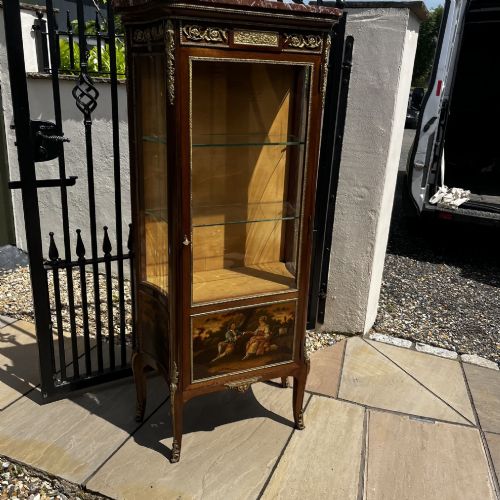
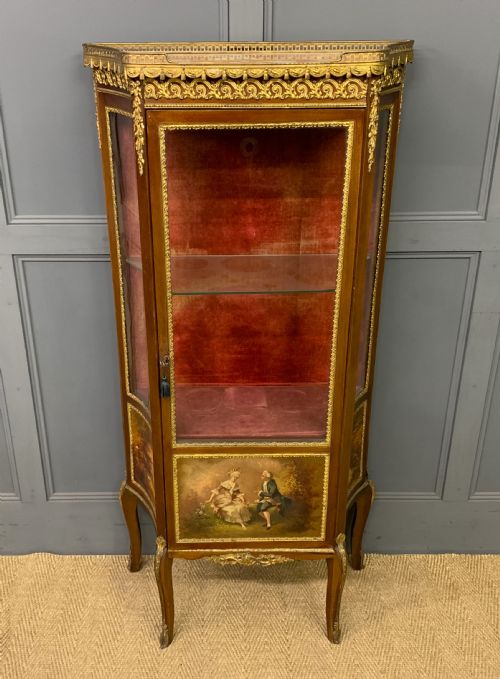
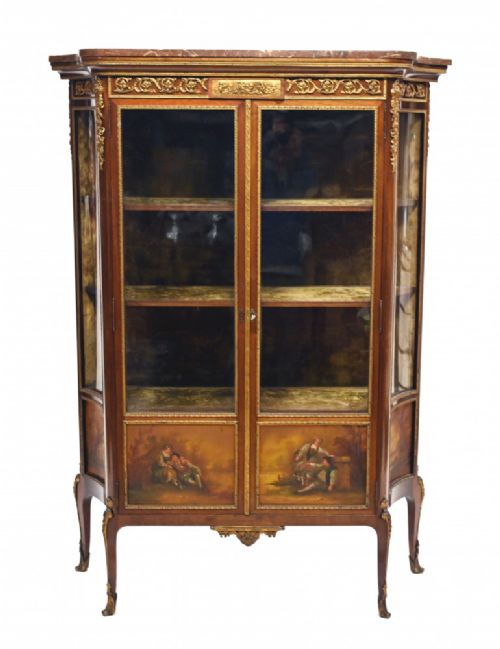
A french vernis martin cabinet is a piece of furniture designed for display or storage, characterised by its distinctive varnished painted panels depicting pastoral or romantic scenes. These items primarily date from the nineteenth century, encompassing periods such as the Edwardian era and the years around eighteen-eighty to nineteen-hundred.
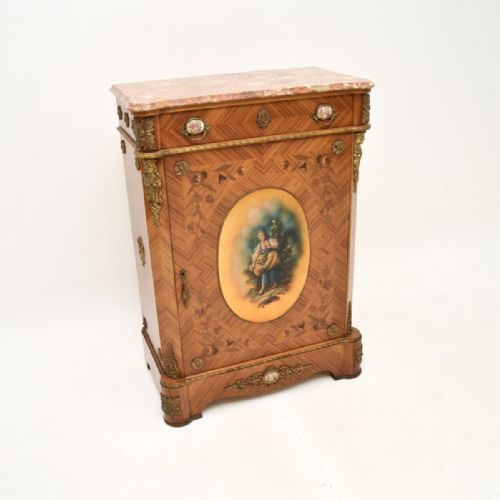
The forms vary widely from tall glass-sided vitrines and side cabinets to smaller commodes, secrétaires and desks. Many examples reflect the influence of French revival styles, drawing heavily on Louis XV and Louis XVI aesthetics.
Most pieces encountered on the market combine these painted panels with fine timber carcases and gilt metal trims, often topped with marble slabs. They serve as both practical storage and decorative showcases within domestic interiors.
How They Were Made
Makers constructed the carcases using timbers such as kingwood, mahogany, and walnut, frequently applying veneers in decorative patterns. Over these wooden foundations, artisans laid down multiple layers of translucent varnish over painted figural scenes, a technique developed to emulate Asian lacquer work.
Mounts made from ormolu or gilt bronze were cast and chased before being applied to corners, legs, and framing edges to accentuate the curves of the furniture. Glass panels were shaped to fit curved bombé doors and sides, while marble tops were cut and polished to finish the upper surfaces.
The furniture styles recorded on this page span Louis XV revival, Louis XVI style, and French chateau aesthetics.
What Varies in Quality
The standard of a french vernis martin cabinet rests heavily on the execution of the painted panels and the crispness of the bronze mounts. Finer pieces display detailed brushwork and depth within the varnish layers, whereas simpler versions rely on more mechanical or flat decoration.
The choice and matching of wood veneers across the carcase also signal the tier of the piece, alongside the weight and depth of the ormolu castings. Cabinets featuring serpentine or bombé shapes demand greater joinery skill than straight-sided alternatives.
François Linke
The French Vernis Martin Cabinet Glossary
- Vernis Martin
- A type of lacquer and varnish finish developed in eighteenth-century France, later revived on nineteenth-century cabinets and vitrines. It uses multiple translucent layers over painted decoration to achieve a glossy depth.
- Ormolu
- Gilt bronze mounts used extensively as decorative trims on French revival furniture. The metal is cast, chased, and gilded to provide a bright metallic contrast against dark timber veneers.
- Vitrine
- A glass-fronted display cabinet designed to showcase porcelain, glassware, or small objets d'art. These pieces often feature glass on the sides as well as the doors to maximise interior illumination.
- Bombé
- A swelling, outward-curving contour found on the front and sides of commodes and cabinets. This shaping requires advanced woodworking techniques to bend and fit the timber carcase.
- Secrétaire à abattant
- A tall cabinet featuring a hinged writing flap that drops down to reveal a fitted desk interior. Many examples incorporate painted panels alongside internal small drawers and compartments.
French Vernis Martin Cabinet: Frequently Asked Questions
What is a French vernis martin cabinet?
A French vernis martin cabinet is a decorative display or storage piece featuring specialist varnished painted panels. These cabinets emerged from nineteenth-century revivals of earlier French court styles.
They combine glazed sections, timber veneers, and gilt bronze mounts to showcase decorative objects or books within a room.
How were these cabinets used originally?
These pieces were built to display prized possessions like porcelain, silver, and small collectibles behind glass. Vitrines and side cabinets kept dust away from delicate items while adding a decorative element to reception rooms.
Writing cabinets additionally provided a private fold-down desk surface for correspondence and paperwork.
Where should I place a cabinet in my home?
A glass-sided vitrine works well in a drawing room or living space where natural light can pass through the side panels to illuminate the interior shelves. Placing the cabinet away from direct sunlight helps protect the painted panels and varnished surfaces over time.
Side cabinets and commodes fit comfortably against principal walls in dining rooms or hallways as focal storage points.
How do I identify the revival style?
Revival pieces incorporate design cues from the reigns of Louis the fifteenth and Louis the sixteenth, such as cabriole legs, asymmetrical mounts, and classical symmetry. Makers of the nineteenth century adapted these historical motifs using contemporary veneering and casting techniques.
Examining the shape of the bronze mounts and the style of the painted pastoral scenes helps connect the piece to its nineteenth-century period.