



Francois Linke Style Cabinet
These francois linke style cabinet pieces bring exceptional French revival craftsmanship and grand gilt bronze mounts into your room.
Francois Linke Style Cabinet
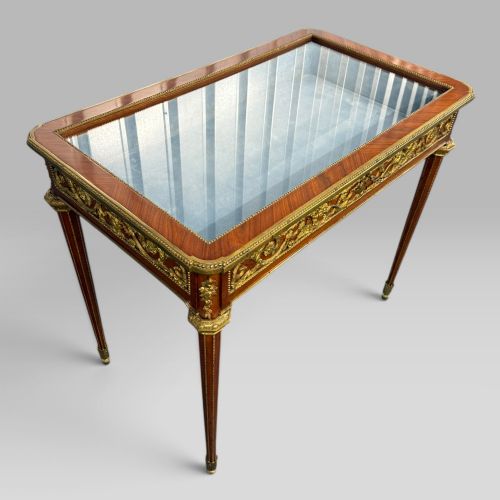
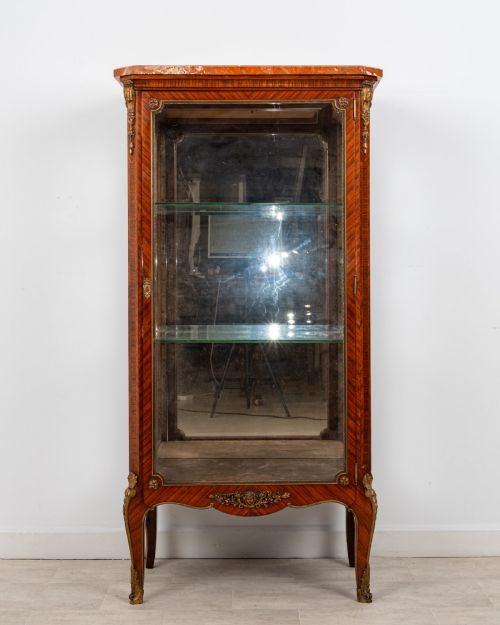
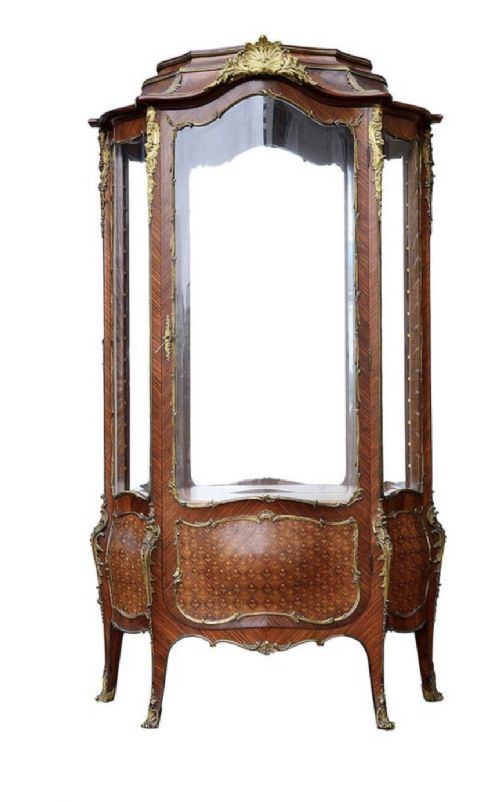
When you search for a francois linke style cabinet, you are looking for opulent display furniture that echoes the finest French cabinet-making of the nineteenth century. These pieces include vitrines, bedside tables, and display tables designed in revival styles.
The version you are most likely to meet on this page is a nineteenth century display cabinet in kingwood or mahogany. They typically feature elaborate ormolu mounts and marble tops reflecting Louis XV and Louis XVI revivals.
How they were made
Workshops built these cabinets using dense hardwoods such as kingwood, mahogany, and rosewood as a foundation for intricate decorative schemes. Cabinet-makers applied rich veneers and incorporated glass panels into vitrines and display tables.
Craftsmen mounted detailed ormolu and gilt bronze ornaments across the frames, often combining them with marble tops. Some variations also incorporate fabric linings or Vernis Martin panels within the display sections.
Francois Linke Style Cabinet Retail Price Guide 2026
Typical asking prices for francois linke style cabinet among the pieces listed under this phrase on Sellingantiques today, from the lower quarter to the upper quarter. They describe what is for sale here now, not the wider market.
Even a bedside table in this style demands a gilded bronze embrace.
What varies in quality
The distinction between tiers of quality rests on the crispness of the gilt bronze mounts and the depth of the timber work. Finer examples display meticulously chased ormolu details that integrate seamlessly with the carcase.
Subtleties in the selection of veneers, such as figured kingwood or mahogany, define the upper range. Pieces attributed directly to makers or closely following specific revival styles demonstrate superior sculptural balance.
François Linke
The Francois Linke Style Cabinet Glossary
- Ormolu
- Gilt bronze mounts applied to furniture as decorative enrichment. These metallic ornaments define nineteenth century French revival cabinet-making.
- Vitrine
- A glass-fronted display cabinet intended for porcelain and curiosities. The term covers tall cabinets and smaller display tables alike.
- Vernis Martin
- A type of decorative lacquer work developed in eighteenth century France. It appears on panelled sections of select cabinets.
- Louis XVI Revival
- A classical design movement characterised by straight lines and symmetry. It heavily influences the architectural mounts of these cabinets.
Francois Linke Style Cabinet: Frequently Asked Questions
Where should I place a display cabinet?
These cabinets suit principal reception rooms where their glass panels and gilt mounts catch the light. They provide secure display space for ceramics and small collectables.
Ensure the floor is level so the doors and glass remain properly aligned. Keep them away from direct sunlight to protect the timber veneers and fabric linings.
How do I identify Louis XV style?
Louis XV pieces display asymmetrical curves, naturalistic floral motifs, and flowing rococo lines. The mounts often wrap organically around the corners of the cabinet.
In contrast, Louis XVI revival pieces adopt straighter structural lines and classical symmetry. Look for architectural details like fluted columns and ribbon twists.
What is ormolu?
Ormolu refers to gilded bronze mounts cast and chased by hand to adorn furniture. It adds metallic highlights and sculptural depth to the timber frame.
On finer pieces, the chasing remains sharp and detailed even in recessed areas. This finish defines the luxury aesthetic of nineteenth century French furniture.
Are these cabinets purely decorative?
While highly ornamental, these vitrines and bedside tables served practical storage and display functions in period homes. The glass doors protected delicate porcelain and ornaments from dust.
Table models offered surface space alongside internal display compartments. Their sturdy hardwood construction supported daily domestic use.