

French Upholstery Chairs
French upholstery chairs bring centuries of continental craftsmanship into a room, offering tactile comfort and refined seating.
French Upholstery Chairs
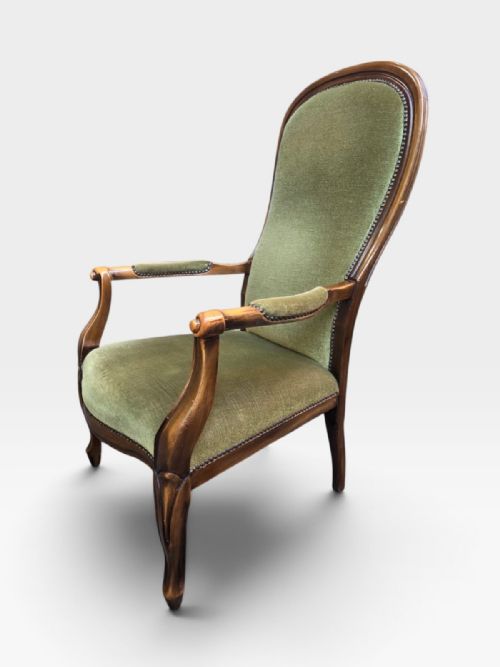
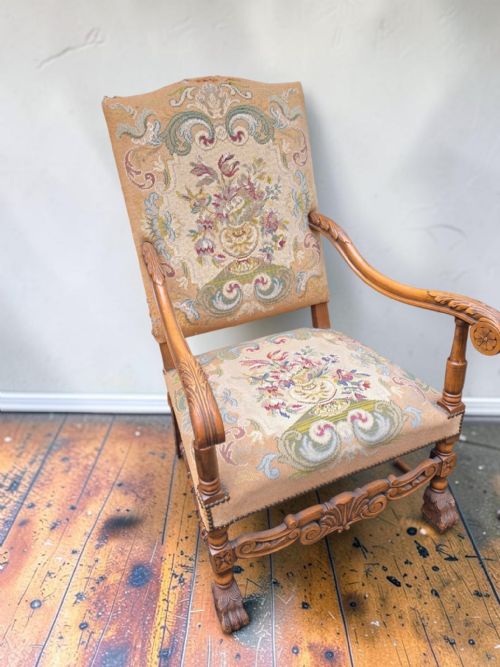
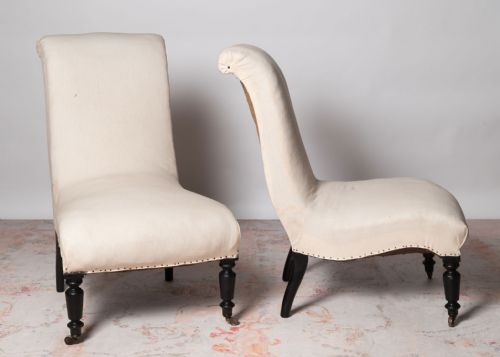
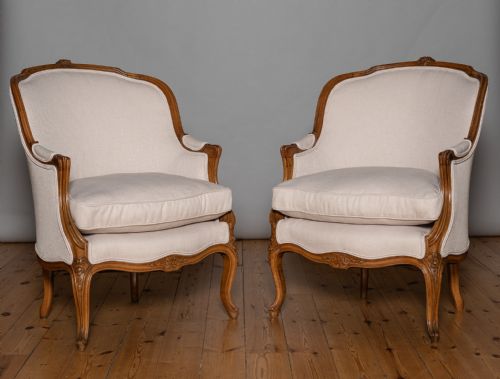
When searching for french upholstery chairs, buyers encounter a diverse selection of seating ranging from grand salon suites and carved armchairs to intimate slipper chairs and dining sets. The inventory spans several centuries, drawing heavily on classic continental designs such as Louis XV, Louis XVI, and Napoleon III aesthetics.
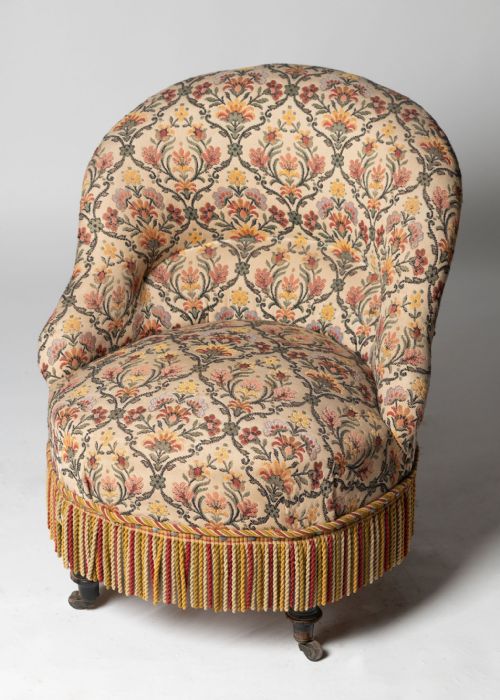
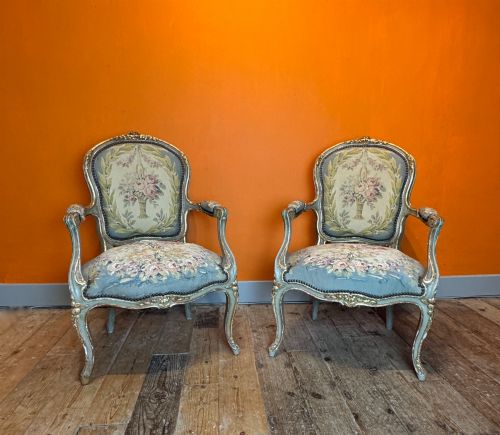
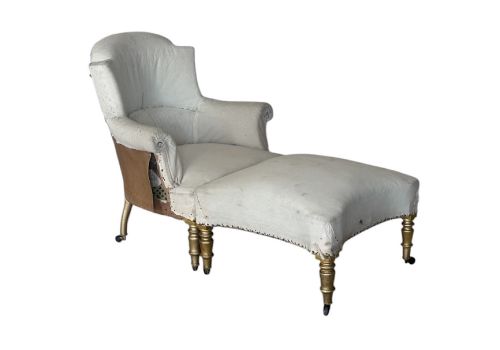
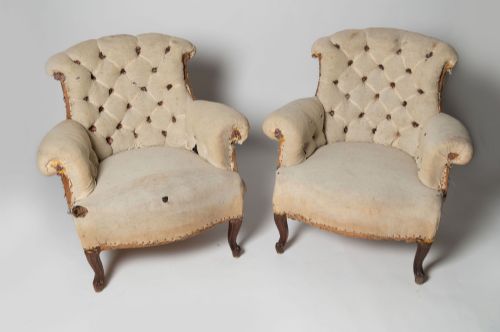
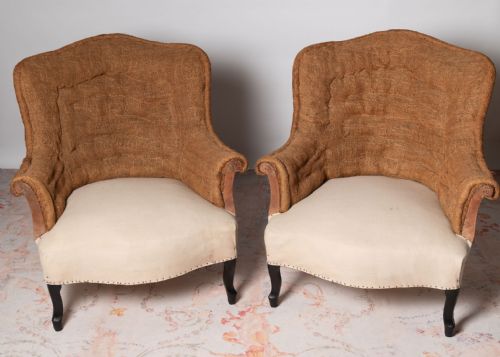
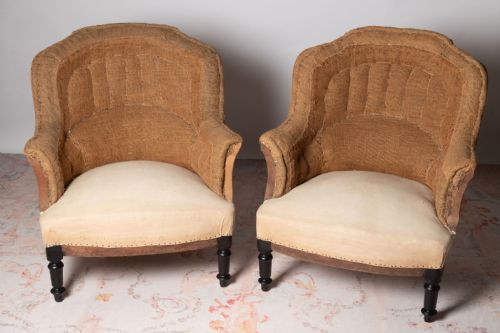
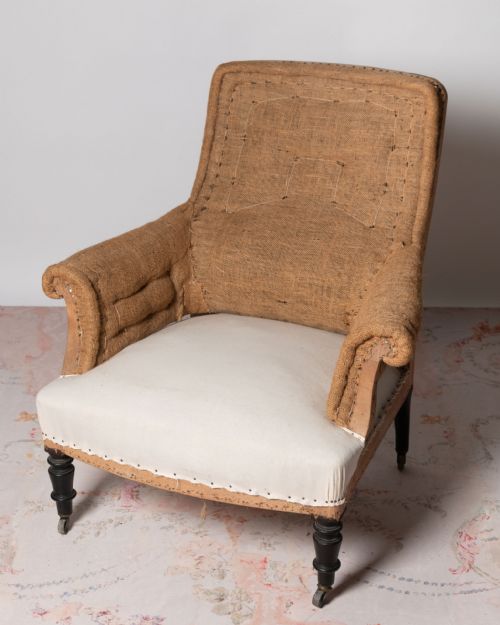
Most pieces on this page originate from the nineteenth century or the early twentieth century, reflecting both finished upholstered seating and bare frames awaiting restoration. Common forms include pairs of fauteuils, bergeres, and multi-piece drawing room suites upholstered in traditional fabrics like tapestry, damask, and needlework.
How they were made
Traditional makers built these frames using robust hardwoods such as walnut, beech, and mahogany, often enhanced by painted finishes, parcel gilding, or elaborate carved details. Structural integrity relied on time-tested joinery tailored to the specific demands of each armchair, settee, or salon chair.
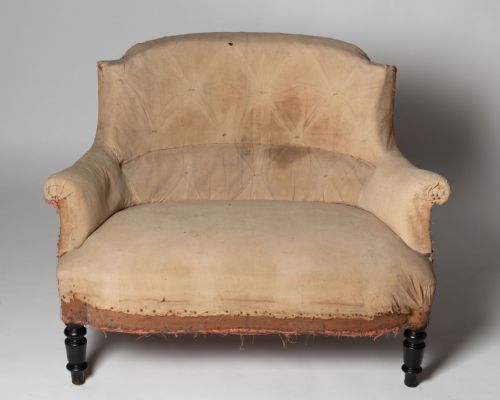
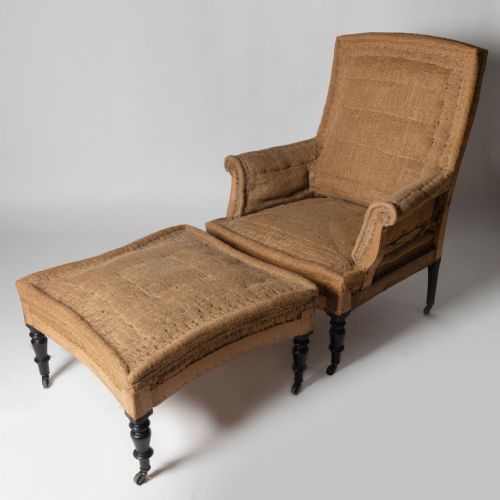
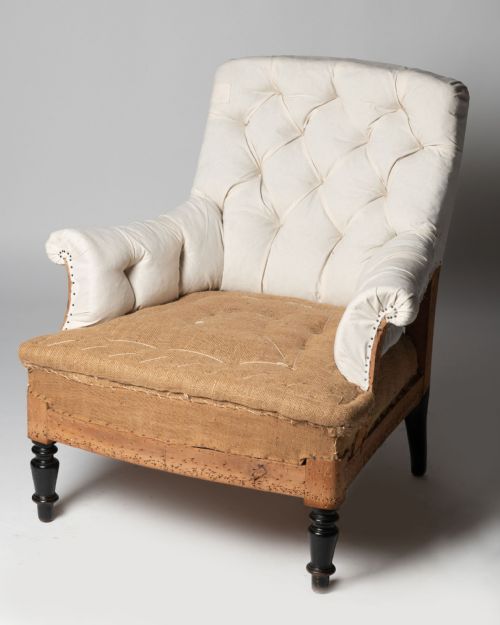
Upholstery techniques incorporated foundational layers like hessian and calico to support traditional stuffing materials before applying decorative outer textiles secured with brass tacks.
French Upholstery Chairs Retail Price Guide 2026
Typical asking prices for french upholstery chairs among the pieces listed under this phrase on Sellingantiques today, from the lower quarter to the upper quarter. They describe what is for sale here now, not the wider market.
Listings incorporate both eighteenth-century survivals and nineteenth-century revival pieces, utilising materials such as beech, walnut, hessian, and giltwood.
What varies in quality
The standard of carving and the crispness of detail on the wooden frames dictate the upper tiers of quality, distinguishing hand-carved flourishes from simpler production work. Superior walnut or giltwood frames retain their original sculptural definition and structural soundness over generations of use.
The French Upholstery Chairs Glossary
- Fauteuil
- An open-armed upholstered armchair originating in France, typically featuring an exposed wooden frame. These chairs combine formal elegance with comfortable seating for the salon.
- Bergere
- An enclosed upholstered armchair with solid upholstered sides resting on a wooden frame. This design offers a cozy, deep-seated alternative to open-armed chairs.
- Giltwood
- Wood that has been coated with a thin layer of gold leaf or gilt powder for decorative effect. This finish frequently highlights the intricate carvings on formal salon suites.
- Needlepoint
- A type of canvas work embroidery utilised for durable and decorative furniture coverings. Pieces featuring needlework often display floral or pictorial scenes.
- Damask
- A reversible figured fabric woven on a loom, featuring patterns created through contrasting warp and weft threads. Silk versions add considerable formality to dining and salon chairs.
French Upholstery Chairs: Frequently Asked Questions
What styles are common among French upholstery chairs?
The listings feature prominent revival styles including Louis XV, Louis XVI, and Napoleon III designs. These variations reflect the shifting aesthetic preferences across the eighteenth and nineteenth centuries.
Buyers will find curved cabriole legs on Louis XV pieces, while Louis XVI items typically showcase straighter, neoclassical lines and fluted legs.
Are these chairs sold ready to use?
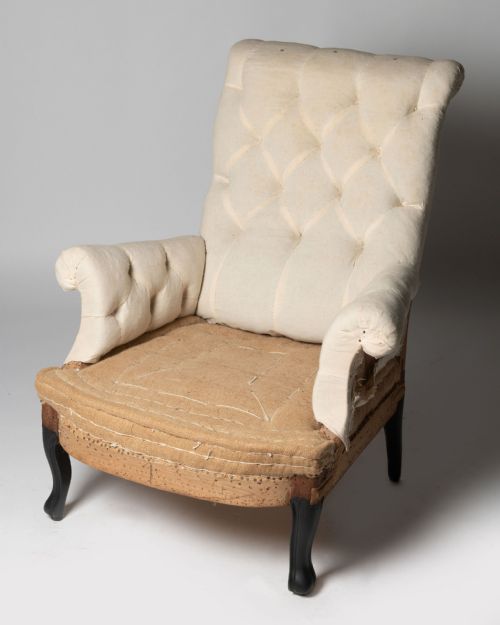
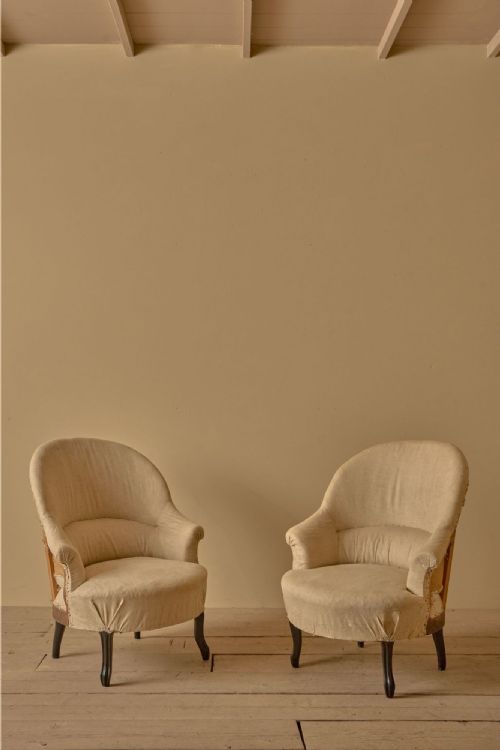
Many chairs arrive fully upholstered in traditional fabrics such as tapestry, silk, or damask, allowing for immediate placement in a room. Other items are listed explicitly as frames for re-upholstery or restoration.
Uncovered pieces provide an opportunity to select bespoke textiles that match a specific interior scheme.
What timber was used for the frames?
Carved frames are predominantly constructed from dense hardwoods like walnut, beech, and mahogany. These timbers provided the necessary strength for intricate hand-carved details.
Some pieces also incorporate secondary woods or feature painted and parcel gilt surfaces.
How do I care for antique upholstered seating?
Preserving these chairs involves protecting delicate textiles from direct sunlight to prevent fading. Regular gentle vacuuming with a soft brush attachment helps remove dust from deep buttoning and crevices.
Wooden frames benefit from occasional dusting and avoiding harsh chemical polishes that can degrade historic finishes.