

Antique Velvet Dining Chairs
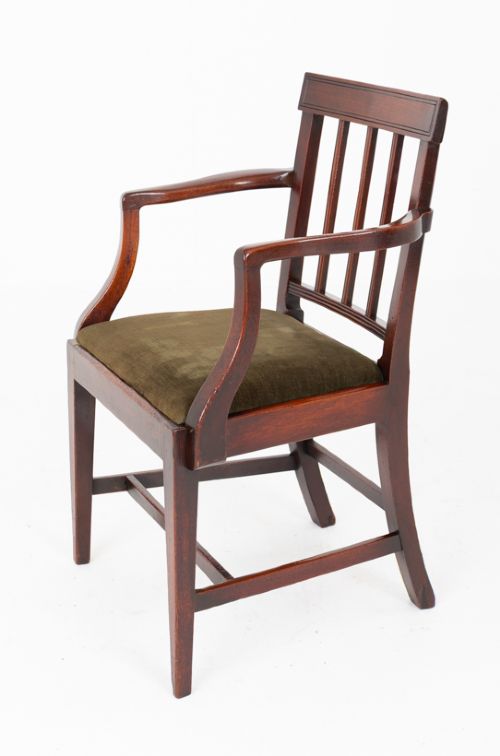
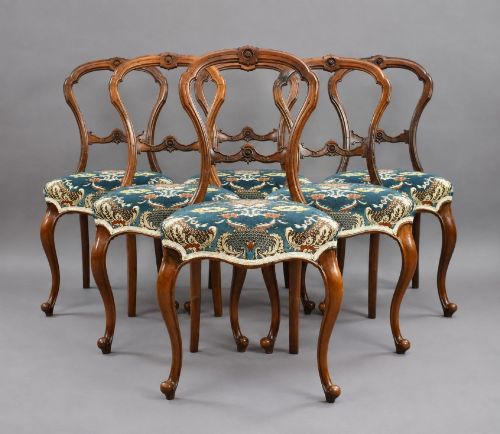
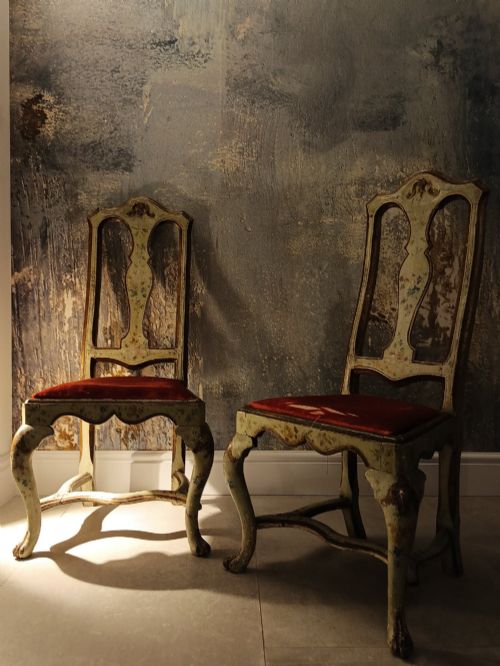
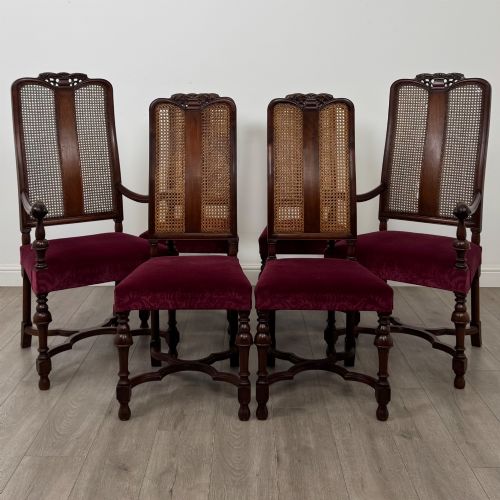
Antique velvet dining chairs bring tactile depth to the table, spanning robust oak, rich mahogany and walnut frames from Georgian to Edwardian periods.
Antique Velvet Dining Chairs
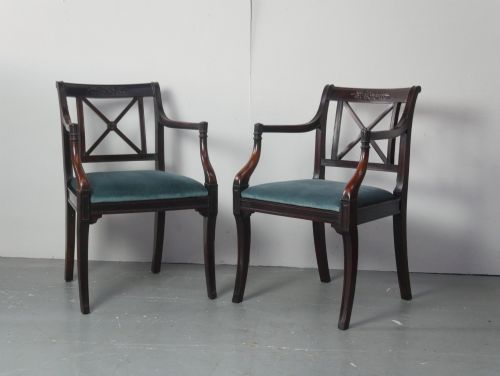
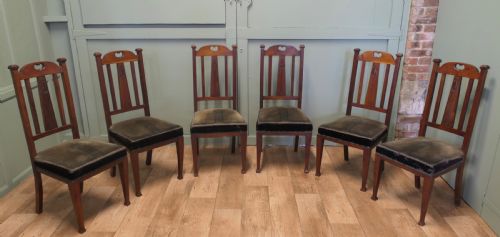
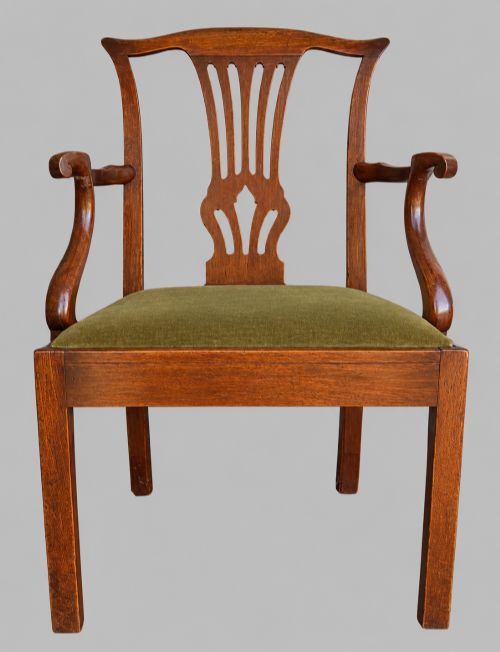
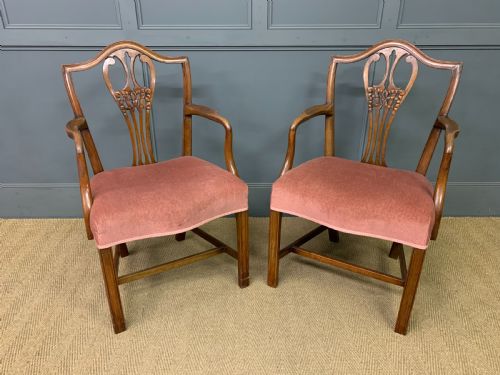
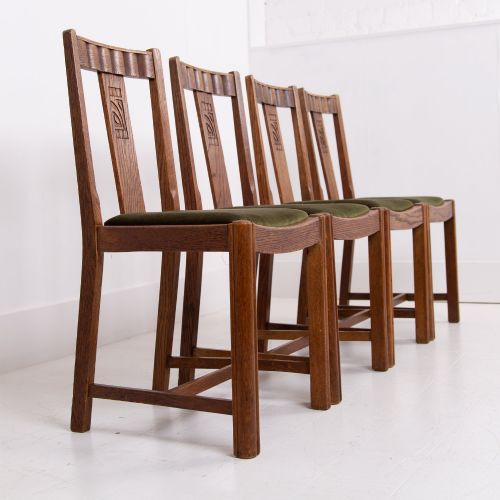
When you search for antique velvet dining chairs, you encounter seating designed for the dining room across several centuries, primarily taking the form of sets or pairs of side chairs and armchairs. The listings show a strong presence of mahogany and oak frames shaped by Georgian, Victorian, Edwardian and Arts and Crafts design principles.
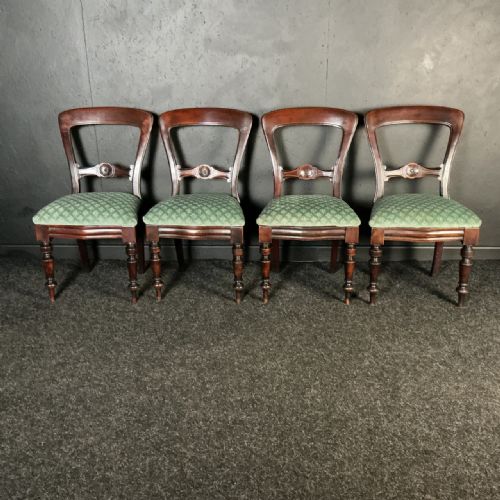
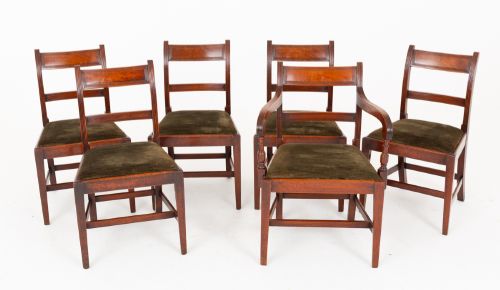
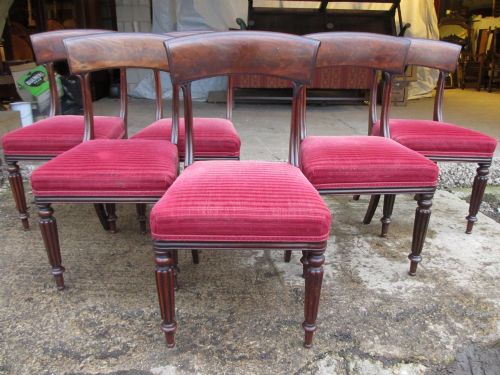
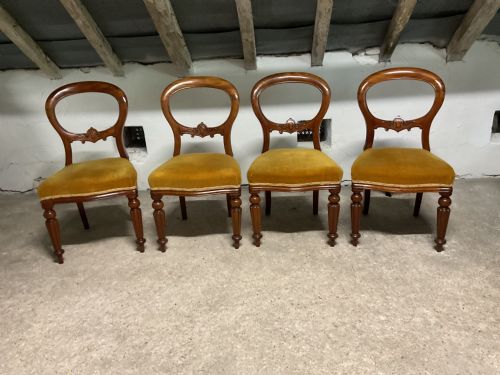
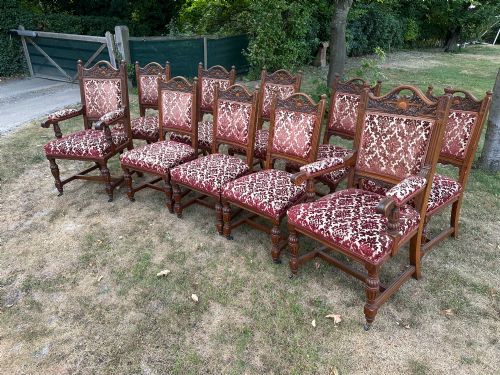
You are most likely to meet Victorian mahogany balloon back chairs and Georgian mahogany sets, alongside Edwardian examples in oak and mahogany. These pieces range from single side chairs to extensive sets of ten or twelve, often featuring upholstered pads and seats covered in velvet and other textiles.
How they were made
Cabinetmakers constructed these frames using dense timbers such as mahogany, oak, walnut and rosewood, frequently employing traditional joinery to ensure stability under daily use. Carved details like scroll arms, crown backs and shield backs demonstrate the hand of the maker on solid wood.
Upholstery involved textile coverings like velvet secured over supportive internal stuffing, sometimes accented with brass tacks or applied fabric borders. Woods were often polished to a deep finish that highlights the grain of the mahogany or the figure of the walnut.
Clan chairs bearing carved heraldic crests remind us that dining rooms once doubled as assembly halls for Scottish chieftains.
What varies in quality
The distinction between ordinary and exceptional seating lies in the depth of the carving and the integrity of the timber frame. Pieces attributed to notable workshops or makers display superior proportion and crisper execution in details like shield backs and carved armorial crests.
Complete sets maintain higher distinction than assembled groups, especially when the underlying timber and velvet upholstery remain uniform across all chairs. Refined turning on the legs and substantial gauge in the mahogany or oak separate utilitarian examples from high-status dining suites.
Gillows·Strahan·Cowtan and Sons·Hille
The Antique Velvet Dining Chairs Glossary
- Balloon back
- A rounded, oval-shaped chair back popular during the Victorian period, designed to support the spine comfortably. This form appears frequently in mahogany dining sets.
- Shield back
- A chair back shaped like a heraldic shield, characteristic of late 18th-century and Edwardian revival furniture. It often incorporates delicate carved splats.
- Carver
- An armchair, usually with open arms, designed for the head of the dining table and built to match the surrounding side chairs. These often accompany larger sets of dining chairs.
- Elbow chair
- Another term for an armchair with short armrests that project from the sides, providing comfortable support during long meals.
- Scroll arm
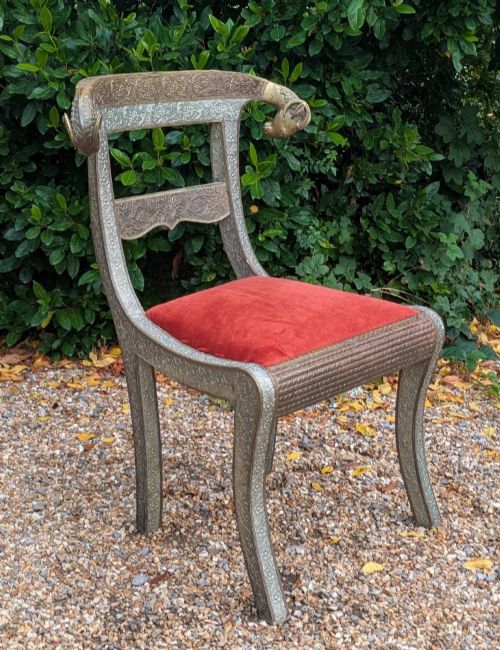
- A curved, volute-shaped armrest found on Regency and Victorian chairs. This feature adds a sculptural element to the timber framework.
Antique Velvet Dining Chairs: Frequently Asked Questions
Are large sets difficult to find?
Finding matching sets of eight, ten or twelve chairs requires patience because many original suites were separated over time. Smaller groups of four or six appear much more frequently in historical furniture inventories.
When large sets do survive intact, they usually represent formal dining rooms of substantial houses. Matched sets assembled later in history also occur alongside genuine unified production.
Can I mix armchairs with side chairs?
Mixing armchairs, often called carvers, with side chairs follows traditional dining room arrangements where the head of the table received a larger seat. Antique sets frequently include two carvers alongside a larger number of side chairs.
Ensure the wood tone and height correspond if you combine pieces from different sources. Matching the period style maintains visual harmony around the dining table.
How should I care for velvet upholstery?
Protect velvet upholstery from direct sunlight to prevent fading of the pile and colour over time. Regular gentle brushing maintains the nap and removes surface dust without crushing the textile.
Avoid placing these chairs near direct heat sources that could dry out the underlying wood and frame joints. Professional cleaning is advisable for treating spills or deep marks on antique textiles.