

Gilded French Chairs
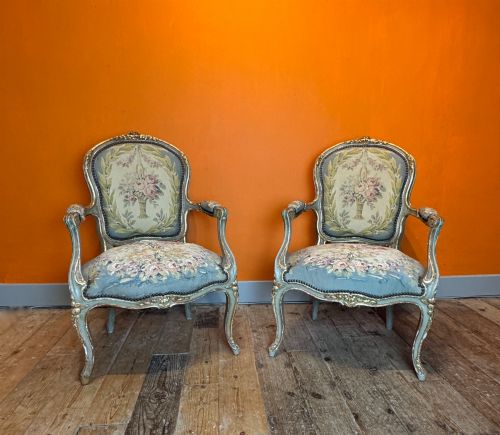
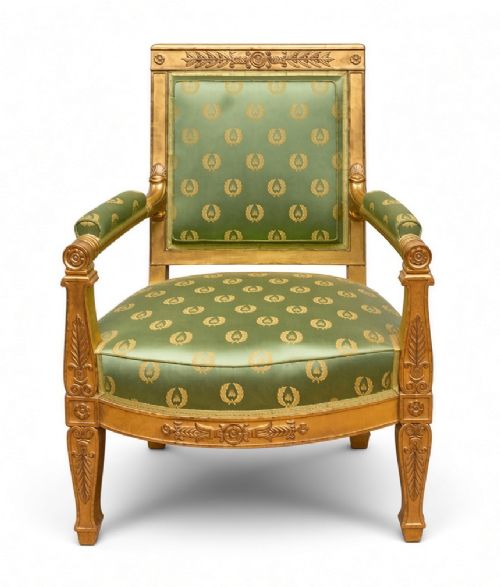
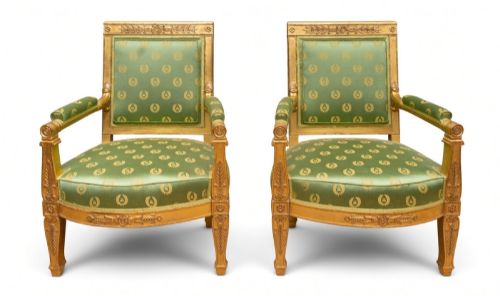
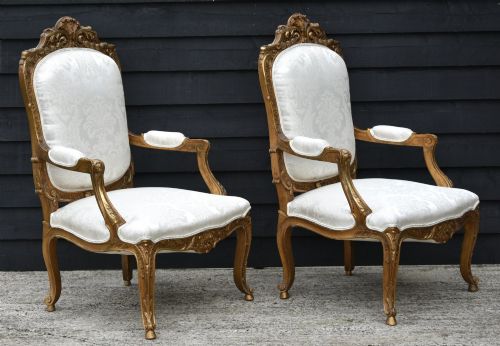
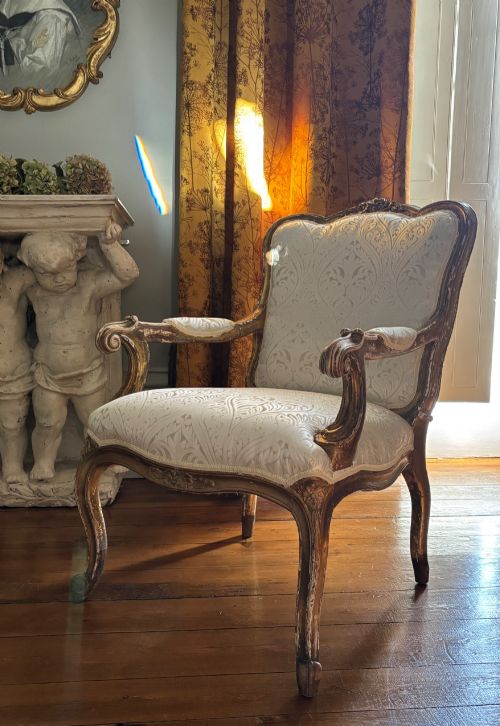
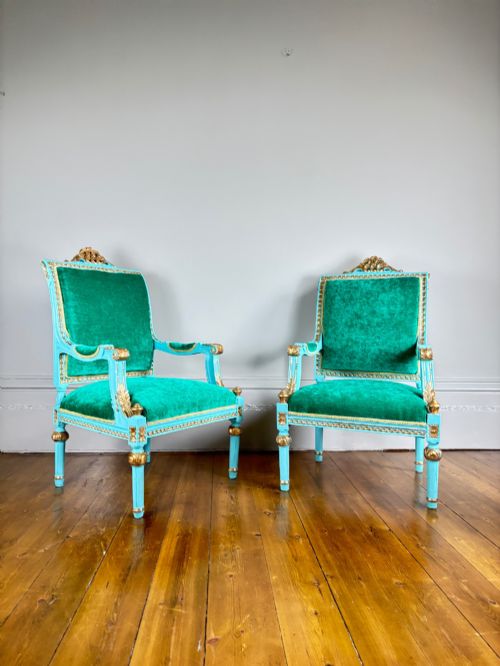
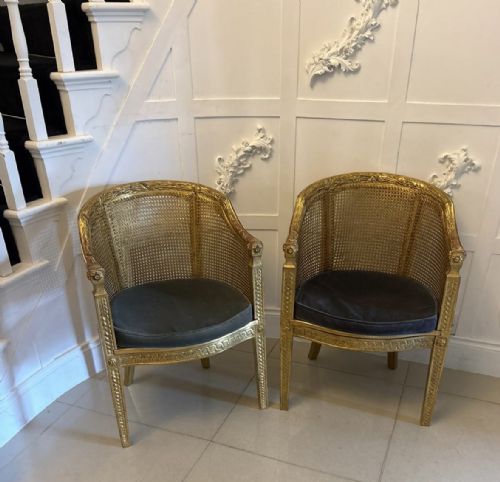
Gilded french chairs bring gilded surfaces and upholstered seats together in forms ranging from salon chairs to bergères.
Gilded French Chairs
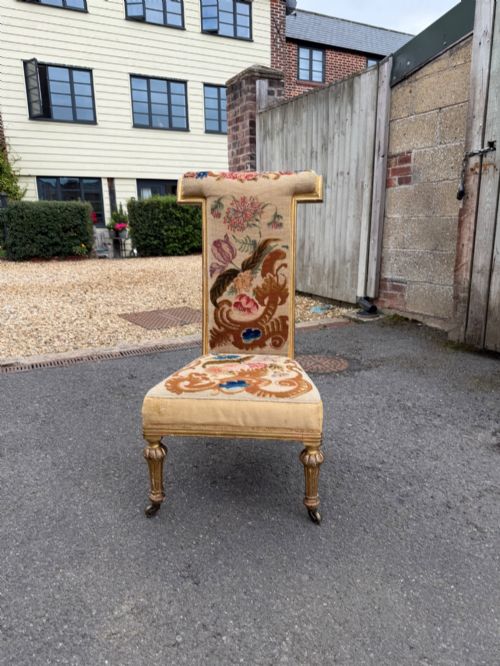
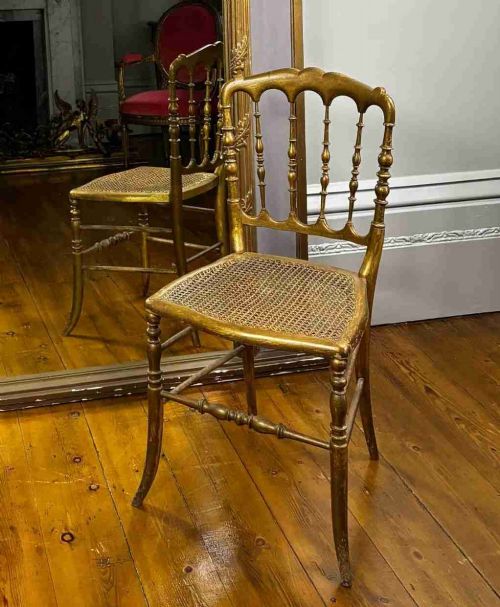
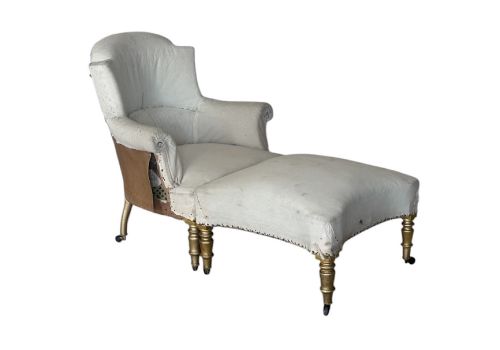
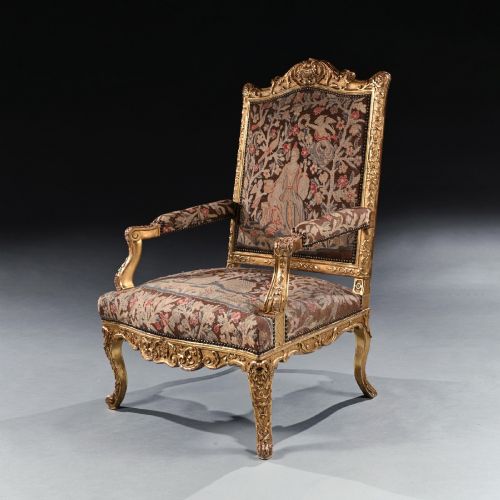
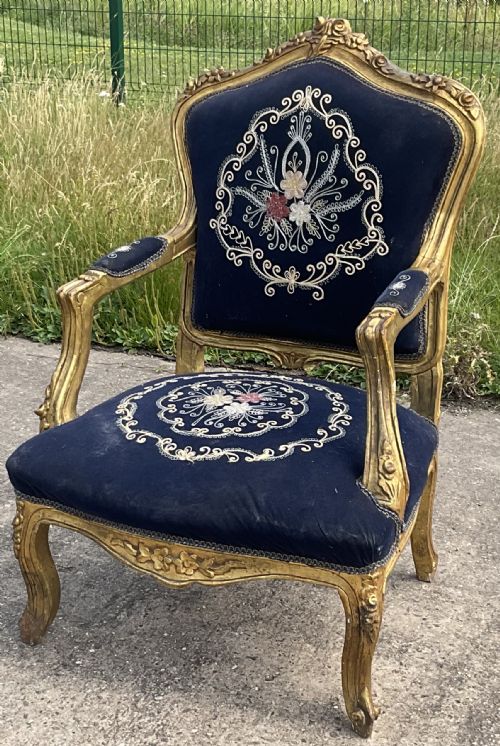
When searching for gilded french chairs, buyers encounter seating designed for formal reception rooms, boudoirs and parlours across several centuries. The selection centres heavily on nineteenth-century pieces, including revival styles that emulate earlier royal tastes.
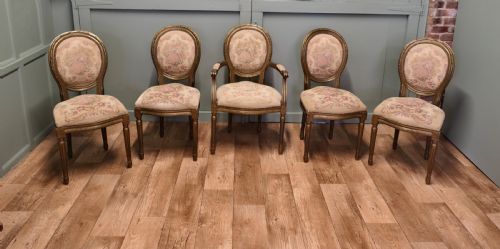
Forms span from open armchairs and closed bergères to dining chairs, salon suites and occasional seating. Beech and timber provide the structural frames beneath the gilt finish, often paired with silk, velvet or tapestry upholstery.
How they were made
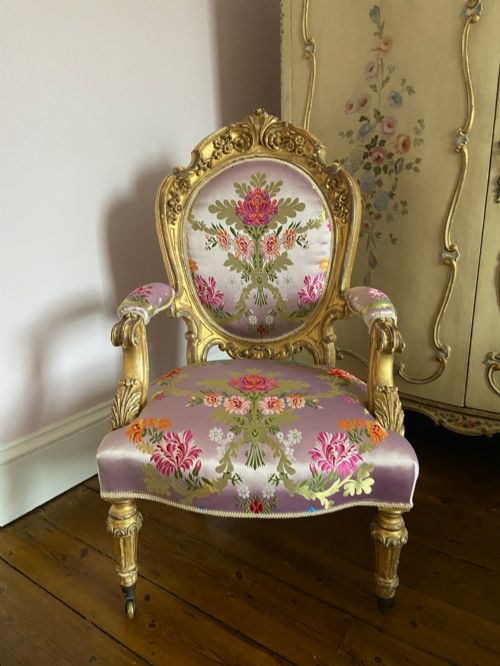
Craftsmen shaped frames primarily from beech and timber, employing traditional joinery to support elaborate carved ornamentation. Giltwood surfaces applied to the wood required meticulous preparation with gesso and gold leaf.
Upholstery techniques involved traditional stuffing methods finished with silk, velvet, tapestry or caned seats. Painted and parcel gilt treatments also appear alongside burnished gold leaf.
Miniature salon chairs built specifically for children let miniature aristocrats practice their posture in style.
What varies in quality
Quality rests in the crispness of the wood carving and the depth of the gilding applied to the frame. Superior examples display refined proportions and hand-carved details rather than cast composition ornament.
The integrity of the underlying timber frame and the authenticity of the surface finish dictate the standing of a piece. Period upholstery materials and traditional stuffing methods further distinguish finer specimens.
Jacob-Desmalter·Blaise Maucuy·Holland & Sons
The Gilded French Chairs Glossary
- Giltwood
- Wood coated with gold leaf or gold paint applied over a prepared gesso ground. This finish defines the reflective surface characteristic of these seats.
- Bergère
- An enclosed upholstered armchair with padded sides set between the arms and back. It provides a more enclosed seat than an open armchair.
- Fauteuil
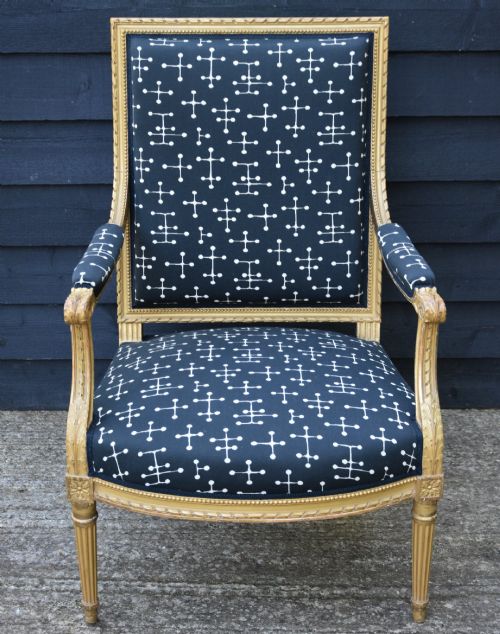
- An open-arm armchair with wooden armrests and exposed carved frame elements. It originates from French seating design.
- Caned
- Woven rattan or cane applied to seat frames or backs to create a porous, textured panel. This technique lightened the visual weight of salon chairs.
- Regence
- A transitional stylistic period preceding the Rococo, known for lighter carved motifs and curved lines. Pieces from this era display early baroque influences.
Gilded French Chairs: Frequently Asked Questions
What is a bergere armchair?
A bergère is a closed armchair featuring upholstered panels set between the armrests and the back. It offers a deeper and more enclosed seat than an open fauteuil.
These chairs were designed for comfortable lounging in formal reception rooms and private chambers.
How do I identify louis xvi style?
Louis XVI style seating is characterised by straight tapered legs, often fluted, and geometric framework shapes like ovals or rectangles. Carved details lean towards classical motifs such as ribands and acanthus leaves.
This aesthetic emerged as a neoclassical reaction against the curved asymmetries of the preceding rococo period.
Were these chairs used in dining rooms?
While many examples served in salons and bedrooms, matching sets of dining chairs also exist in this aesthetic. These larger suites provided formal seating around dining tables in grand houses.
Dining variants maintained the carved frames and gilded finishes of their salon counterparts.
What is parcel gilt?
Parcel gilt refers to a decorative technique where only specific portions of a wooden frame receive gilding. The remaining areas are typically painted or left as exposed timber.
This method highlights particular carved details without covering the entire surface in gold leaf.