


French Upholstered Bench
A french upholstered bench brings a touch of continental elegance to a room, offering practical seating shaped by centuries of classic design.

French Upholstered Bench
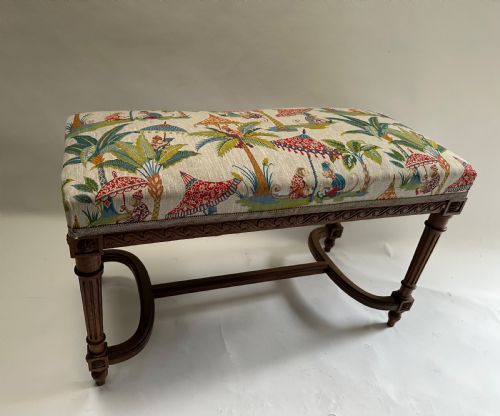
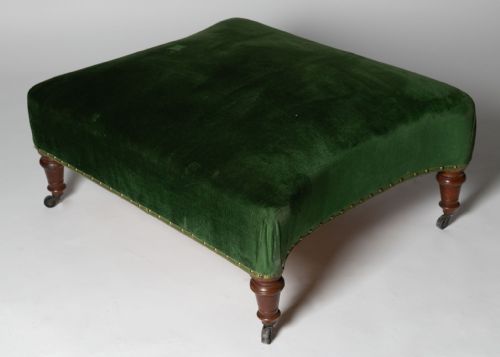
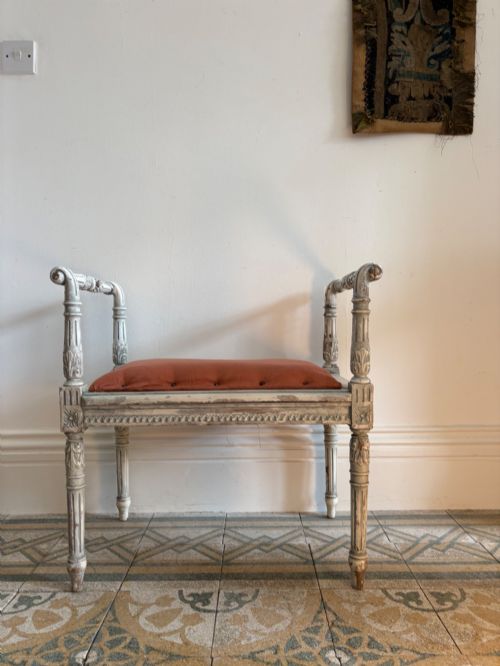
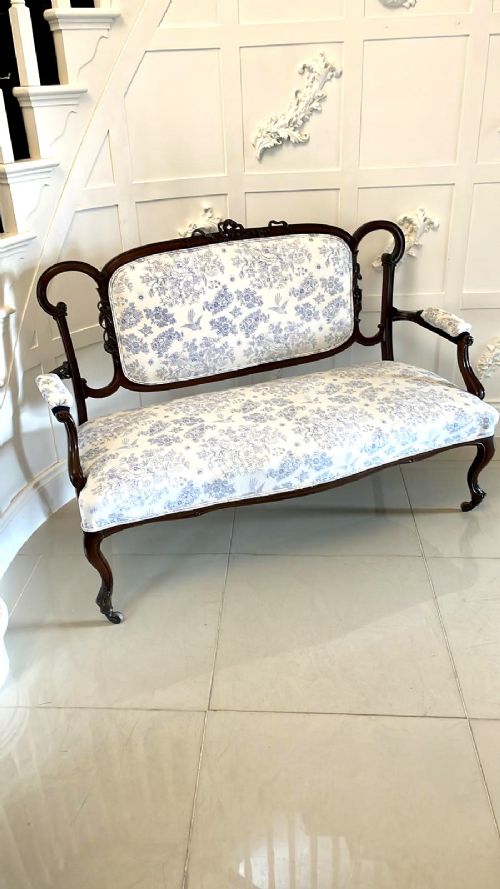
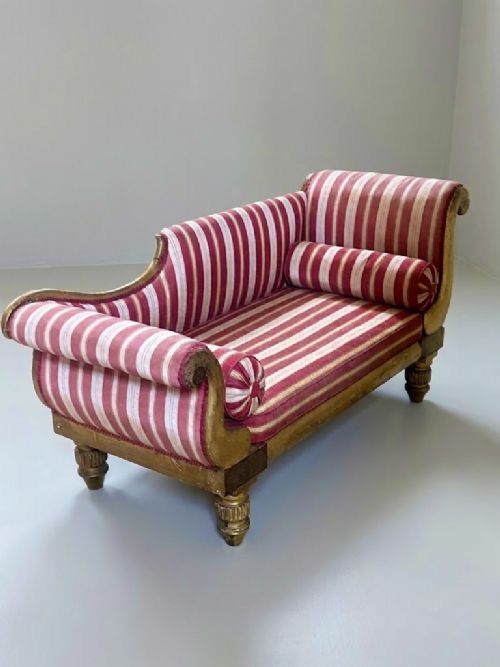
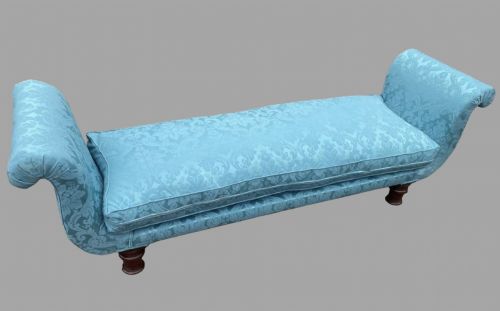
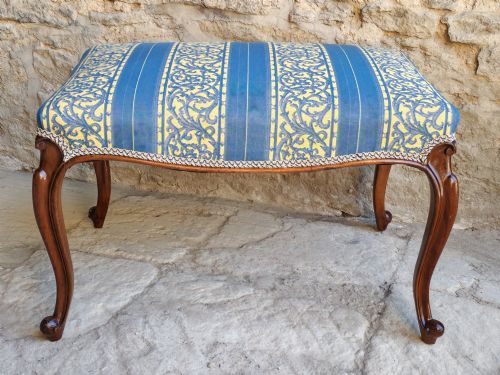
A french upholstered bench encompasses a varied selection of seating forms, ranging from compact stools and window seats to generous settees and daybeds. Buyers browsing this selection encounter pieces primarily dating from the nineteenth century into the early twentieth century, alongside items reflecting distinct revival aesthetics.
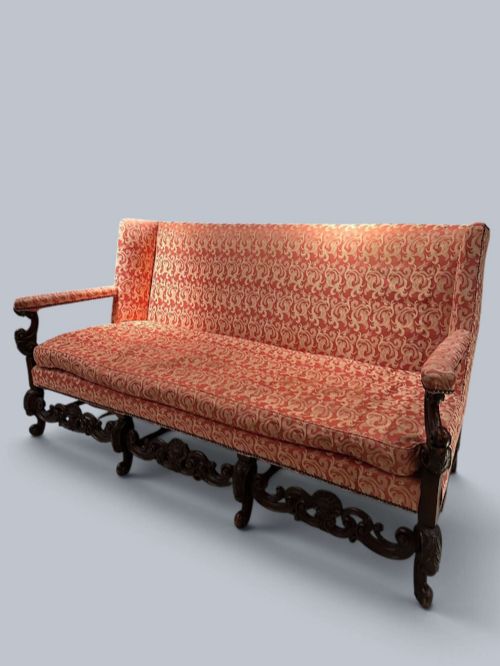
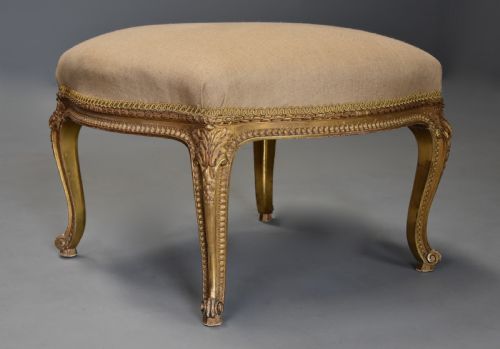
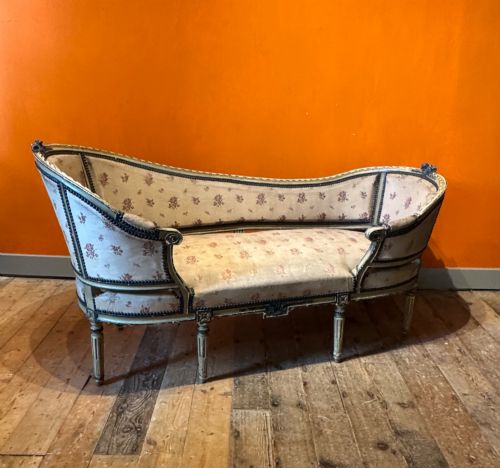
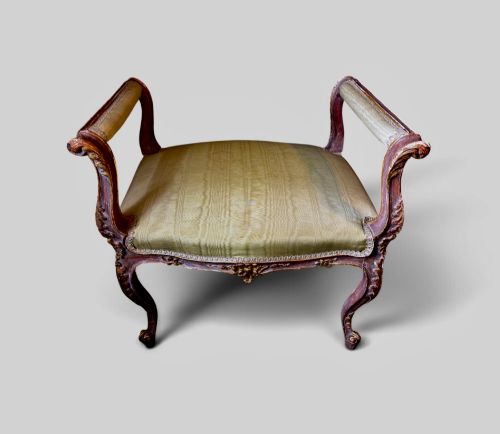
The objects appear in multiple guises, including carved wooden frames, painted finishes, and long seating formats designed for salons and boudoirs. Many examples showcase historic continental styling, drawing inspiration from classical periods such as the reigns of Louis XIV, Louis XV, and Louis XVI.
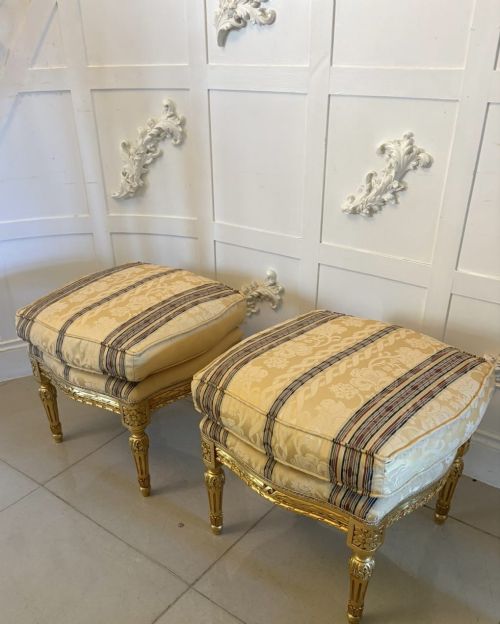
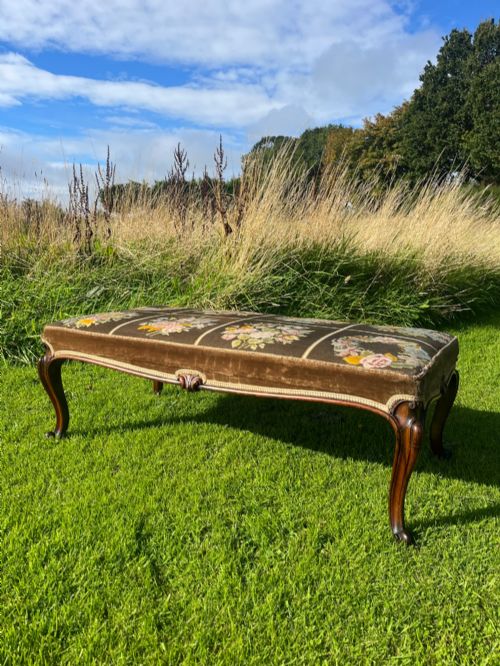
Stools and banquettes sit alongside larger couches and canapés, providing options for hallways, bedrooms, and principal living spaces. The assortment leans heavily toward carved walnut and gilded woodwork upholstered in silk, velvet, and patterned textiles.
Materials and Construction
Carpenters and cabinetmakers utilised robust hardwoods such as walnut and mahogany alongside softer timbers destined for painted or gilded treatments. Frames often feature intricate hand-carved detailing, visible in cabriole legs, fluted supports, and structural rails.
Surface decoration frequently involved layers of gesso and gold leaf to create opulent giltwood finishes, or decorative paint applied to white and ebonised frames. Ormolu mounts and parcel gilt highlights further augmented the decorative presence of salon seating.
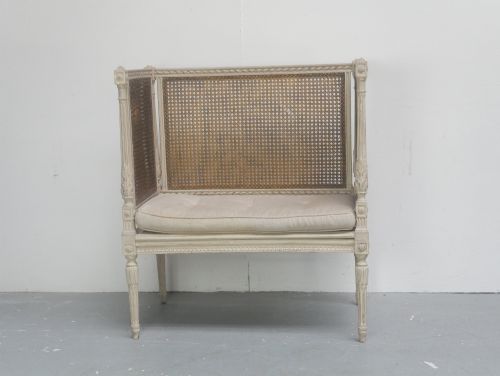
Upholstery techniques relied on traditional stuffing and textile application, securing fabrics like silk, velvet, and antique stripes directly to the wooden foundations or integrating cane panels into backs and seats.
French Upholstered Bench Retail Price Guide 2026
Typical asking prices for french upholstered bench among the pieces listed under this phrase on Sellingantiques today, from the lower quarter to the upper quarter. They describe what is for sale here now, not the wider market.
Materials recorded across the selection include solid walnut, mahogany, cast iron, painted wood, and giltwood frames.
Factors of Quality
The distinction between standard examples and superior pieces rests upon the crispness of the timber carving and the architectural proportion of the frame. Master carvers produced deeply articulated foliage and scrollwork that retained sharp relief, whereas lesser pieces display softer, more generalised execution.
Selection of primary materials dictates the grade of the work, with dense walnut frames and heavy fire-gilded ormolu mounts marking out the more ambitious commissions. The integrity of the original construction, seen in stable joinery and balanced proportions, governs the enduring appeal of each seat.
The French Upholstered Bench Glossary
- Canapé
- An upholstered sofa or settee, typically featuring an exposed carved wooden frame in the French taste. These pieces often exhibit stylistic traits associated with specific royal periods.
- Giltwood
- Timber treated with a thin layer of gold leaf applied over a prepared gesso ground. This finish appears frequently on formal salon furniture from the eighteenth and nineteenth centuries.
- Banquette
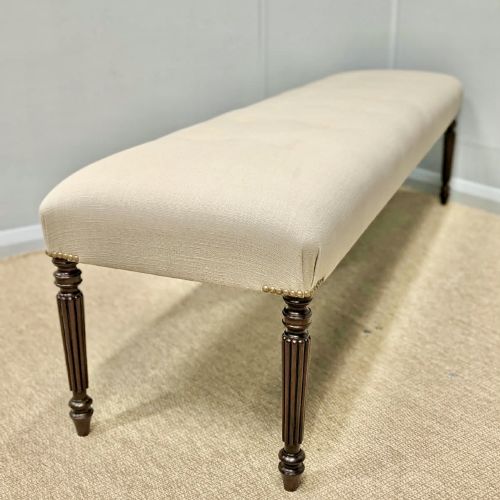
- A long upholstered bench or stool lacking a backrest, designed for communal seating in hallways and reception rooms. Examples often incorporate decorative wooden legs and trimmed textile covers.
- Ormolu
- Cast bronze that has been mercury gilded or electroplated to produce a bright gold appearance. It serves as an ornamental mount on high-status nineteenth-century revival furniture.
French Upholstered Bench: Frequently Asked Questions
Where should I place a French bench?
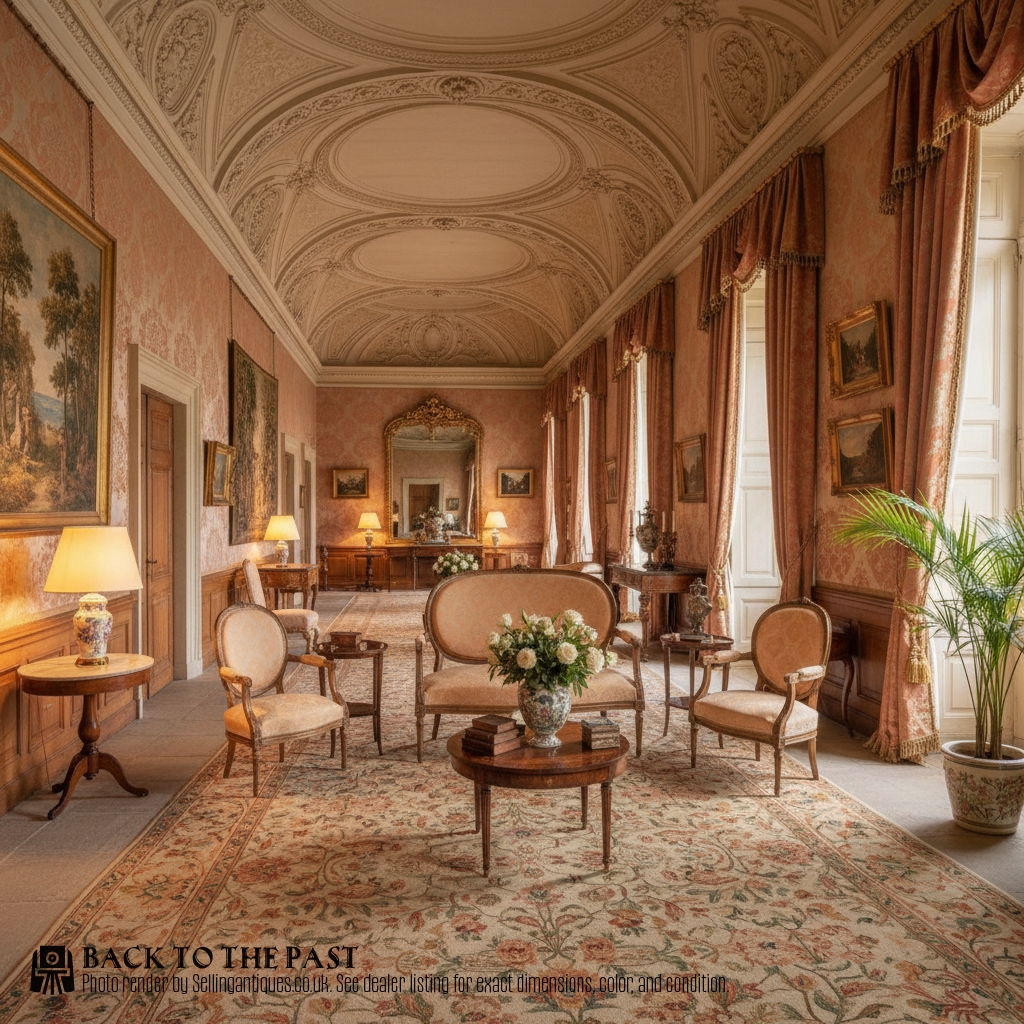
These benches suit narrow hallways, the foot of a bed, or placement beneath a window as a dedicated seat. Their decorative frames allow them to function as standalone accent pieces in principal reception rooms.
Shorter stools fit easily into dressing rooms and smaller alcoves, while longer settees provide functional seating alongside living room upholstery.
How do I identify Louis XV style?
Louis XV style pieces are defined by asymmetrical curved lines, naturalistic floral carvings, and flowing cabriole legs. The overall silhouette avoids straight edges in favour of graceful, organic contours.
Craftsmen working in this manner emphasised comfort and decorative movement, avoiding rigid symmetry.
What is a canapé?
A canapé is an antique upholstered sofa featuring an exposed wooden frame, usually carved from walnut or finished in giltwood. These seats were principal furnishings in formal continental reception rooms.
They are distinguished from standard modern sofas by their open armrests, slender legs, and traditional stuffed upholstery.
Are these benches comfortable?
Comfort depends upon the firmness of the traditional padding and the depth of the seat frame. Many period examples offer supportive upright seating intended for formal conversation rather than lounging.
Upholstered daybeds and larger settees provide more relaxed proportions for resting within a boudoir or bedroom setting.