



French Tabouret Bench
A french tabouret bench is a low, movable seat built for versatile use, offering classic nineteenth-century elegance and carved timber frames.
French Tabouret Bench
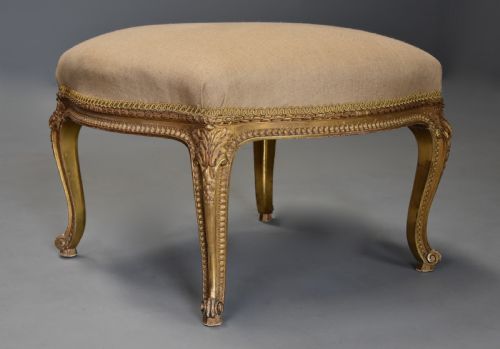
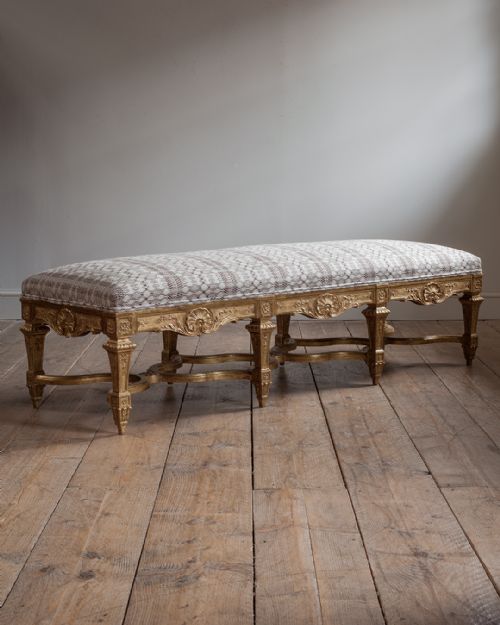
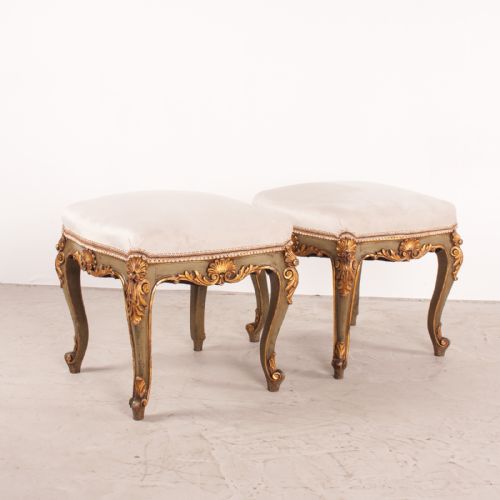
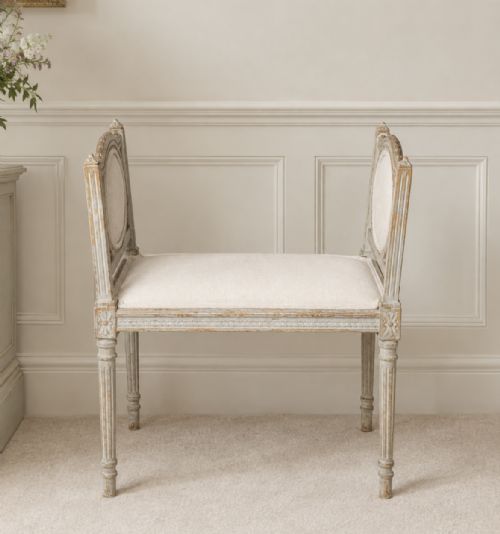
When you search for a french tabouret bench, you examine low seating pieces typically classified as footstools, centre stools, or decorative benches from the nineteenth century. These items emerge in revivalist aesthetics, including Louis XIV, Louis XV, Louis XVI, and Empire styles, reflecting historical French design motifs.
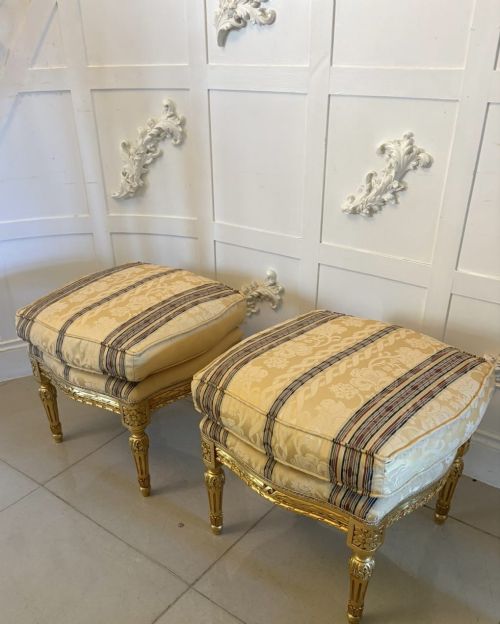
The versions you are most likely to meet on this page include carved giltwood frames and X-frame structures dating between 1860 and 1900. Makers and workshops constructed these seats in pairs or as large singular examples, often upholstered in fabric or linen.
Originating as practical yet ornate furnishings for period interiors, these stools function equally well today as footstools or low occasional seating. Their forms range from simple wooden frames to elaborate carved giltwood creations covered in gold leaf.
How they were made
Craftsmen built these stools using solid timbers such as walnut and general wood substrates, shaping the structures through detailed carving. Workshops applied gold leaf or painted finishes to the wooden surfaces to achieve the desired giltwood and parcel gilt appearance.
Upholstery completed the pieces, utilising fabric and linen stretched over internal padding. Makers stamped their work directly into the wood on occasion, as seen with specific nineteenth-century Parisian ateliers.
French Tabouret Bench Retail Price Guide 2026
Typical asking prices for french tabouret bench among the pieces listed under this phrase on Sellingantiques today, from the lower quarter to the upper quarter. They describe what is for sale here now, not the wider market.
Current listings feature nineteenth-century pieces utilising giltwood, walnut, and carved wood within Louis XIV and Empire styles.
What varies in quality
The distinction between standard and superior pieces rests on the depth and crispness of the hand-carving upon the wooden frame. Deeply carved giltwood displays sharper botanical and scroll motifs than simpler, plain timber versions.
Original surface treatments, such as genuine gold leaf application rather than later paint, dictate the visual richness of the piece. Furthermore, maker stamps provide documentary evidence of origin that elevates specific examples.
Loidrault Freres Paris
The French Tabouret Bench Glossary
- Giltwood
- Wood that has been coated with gold leaf or gold paint. This finish creates a bright, reflective surface characteristic of formal nineteenth-century French seating.
- Parcel gilt
- A decorative technique where only specific portions of an object are gilded, leaving the underlying wood or paint visible elsewhere on the frame.
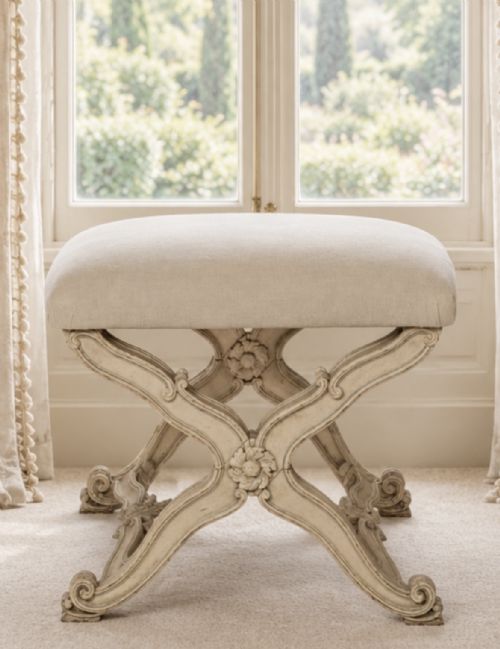
- X-frame
- A structural furniture design featuring intersecting legs shaped like the letter X. This form provides stable support for compact stools and folding seats.
- Louis XIV Revival
- A nineteenth-century design style emulating the heavy, grand proportions and ornate carving of the seventeenth-century French royal court.
French Tabouret Bench: Frequently Asked Questions
What is a french tabouret bench?
A french tabouret bench is a traditional low stool or seat designed without a backrest, originating from French decorative traditions.
These pieces typically date from the nineteenth century and incorporate carved wooden frames finished with giltwood or paint.
How were these stools used historically?
Historically, these low seats served as movable furniture for salons and drawing rooms, used for resting feet or sitting near low tables.
Their portable nature allowed servants to reposition them easily within large reception rooms as needed.
How do I date a nineteenth-century stool?
Dating relies on identifying stylistic revival markers, such as Louis XIV or Empire details, alongside construction methods visible in the timber.
Maker stamps and original material patination also help narrow the specific decade of production within the eighteen hundreds.
Where should I place this in my home?
These benches fit well at the foot of a bed, beside a fireplace, or beneath a console table as supplementary low seating.
Their compact scale makes them practical additions to living areas without overwhelming the surrounding floor space.
What materials make up these frames?
Frames consist primarily of walnut and general timber, shaped through detailed hand-carving by period artisans.
Surfaces are frequently enhanced with gold leaf, giltwood, or painted finishes to mimic earlier royal aesthetics.