


Gilt Wood Vanity Stool
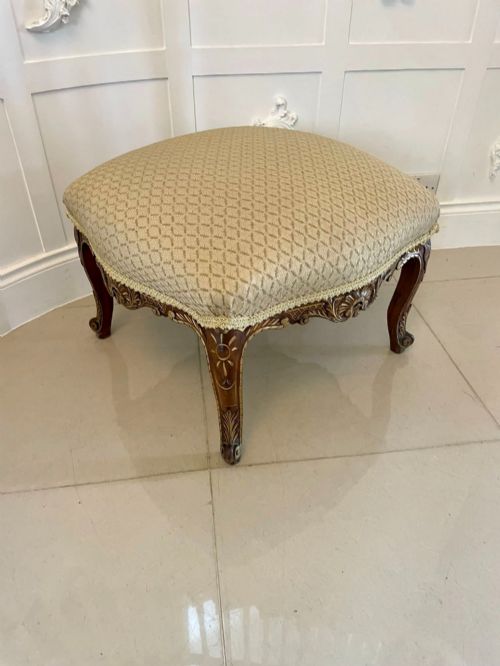
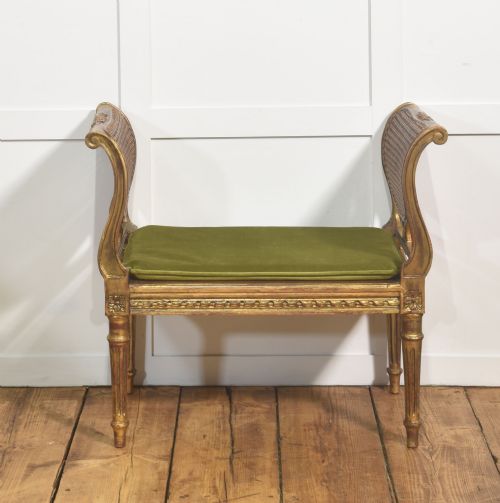
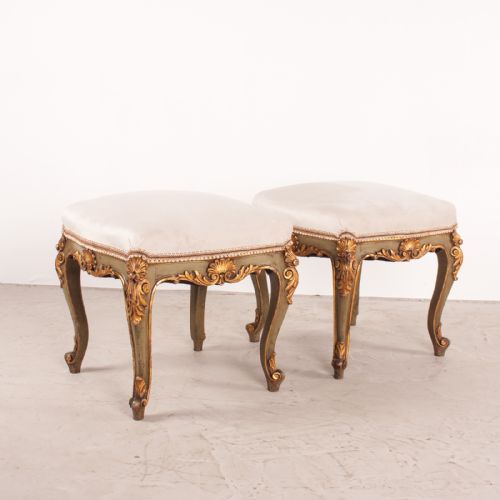
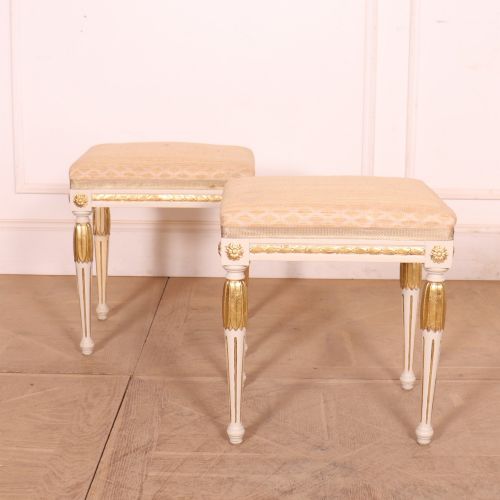
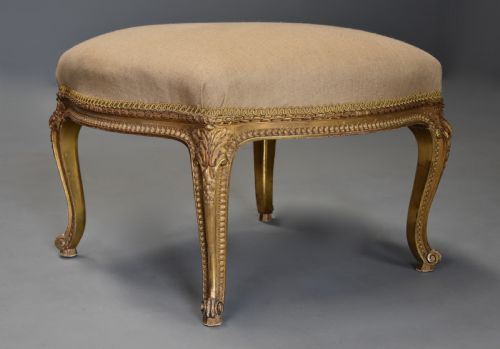
A gilt wood vanity stool brings giltwood, painted wood, and carved detail to dressing rooms, drawing heavily on Louis XVI style and 19th-century craftsmanship.
Gilt Wood Vanity Stool
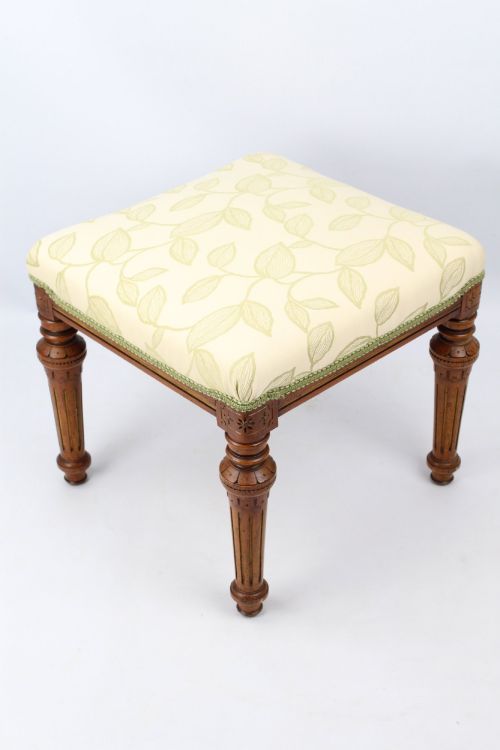
A gilt wood vanity stool provides a low seating option for dressing tables and bedrooms, merging functional utility with ornamental presence. Buyers searching for a gilt wood vanity stool will encounter various forms across this page, including piano stools, window stools, and curule stools.
The pieces recorded in the evidence span the nineteenth century, featuring Victorian, Gustavian, Neoclassical, Empire, and French Rococo Revival styles. Swedish painted stools and French giltwood examples form a significant portion of the available selection.
Makers and workshops range from nineteenth-century Parisian makers such as Loidrault Freres to regional cabinetmakers working in oak, walnut, and gessoed wood. These seating options often incorporate cane panels, adjustable screw mechanisms, and upholstered pads in linen or assorted fabrics.
How they were made
Constructed primarily from hardwood foundations such as oak, walnut, and pine, these frames received intricate carved ornamentation or applied gesso before gilding. Artisans applied gold leaf or paint finishes directly onto the prepared wood surfaces to achieve the characteristic metallic sheen.
Upholstery techniques involved traditional webbing and stuffing secured beneath various textiles, including natural linen and decorative fabric. Specialised pieces utilised mechanical components like wooden or iron screw mechanisms to allow height adjustment for piano seating.
Some nineteenth-century pianists enjoyed adjustable screw-top seating, proving that even classical musicians appreciated a custom fit.
What varies in quality
The refinement of the carving and the purity of the gilding separate standard production from superior examples. Crisp execution in carved giltwood and gesso indicates skilled workshop output rather than hurried commercial work.
Structural integrity of the frame joints and the authenticity of the surface finish dictate the enduring value of each piece. Original painted surfaces and well-preserved gold leaf carry greater integrity than later overpainting.
Loidrault Freres Paris
The Gilt Wood Vanity Stool Glossary
- Giltwood
- Wood that has been coated with gold leaf or gold dust. This finish creates a luminous metallic surface characteristic of formal period seating.
- Curule stool
- An ancient Roman stool form featuring X-shaped legs. Nineteenth-century revivals adapted this classical shape for domestic use.
- Parcel gilt
- A finishing technique where only specific raised details or carved elements are gilded while the rest of the wood remains painted or exposed. This highlights particular decorative motifs on the frame.
- Gesso
- A plaster mixture applied to wood frames to create a smooth base for gilding and fine relief carving. It allows crisp detail work before the application of gold leaf.
Gilt Wood Vanity Stool: Frequently Asked Questions
What is a gilt wood vanity stool used for?
These low seats were originally placed in bedrooms and dressing rooms to provide comfortable seating while attending to hair and attire. Their decorative frames also suited them for placement in formal drawing rooms and window recesses.
Today, they function effectively as standalone accent pieces or practical vanity seating in contemporary interiors, combining compact proportions with historical character.
How do I identify a 19th-century piece?
Nineteenth-century construction methods often rely on traditional joinery techniques, hand-carved wooden details, and genuine gold leaf applied over gesso preparation. Examination of the timber and the wear patterns on the finish helps confirm the age of the frame.
Stylistic cues such as Neoclassical motifs, Empire proportions, or Rococo Revival curves also point toward nineteenth-century manufacture rather than modern reproduction.
How do I care for antique gilded furniture?
Gilded surfaces require gentle maintenance using a soft, dry cloth to remove dust without abrasive pressure. Moisture and cleaning chemicals can damage delicate gold leaf and historical gesso layers.
Placement away from direct sunlight and humidity fluctuations preserves the stability of the wood frame and prevents the finish from degrading over time.