



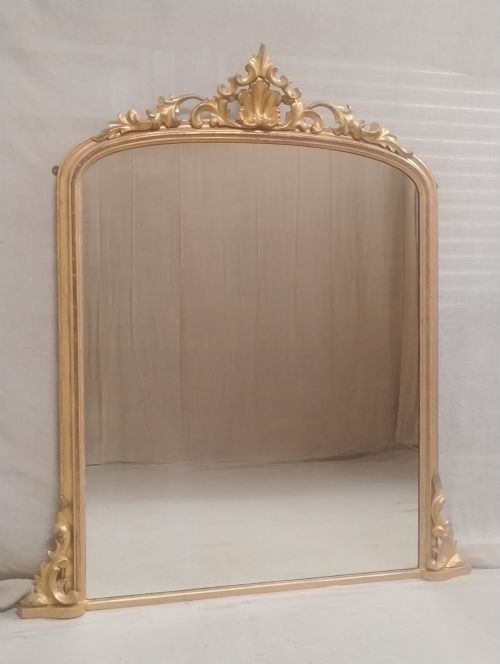
French Style Mantel Mirror
A french style mantel mirror brings architectural scale and gilded reflection to a room, framed by the curves and crests of the nineteenth century.
French Style Mantel Mirror
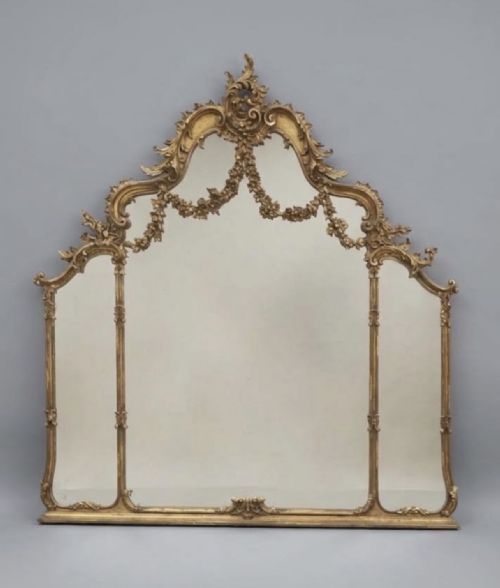
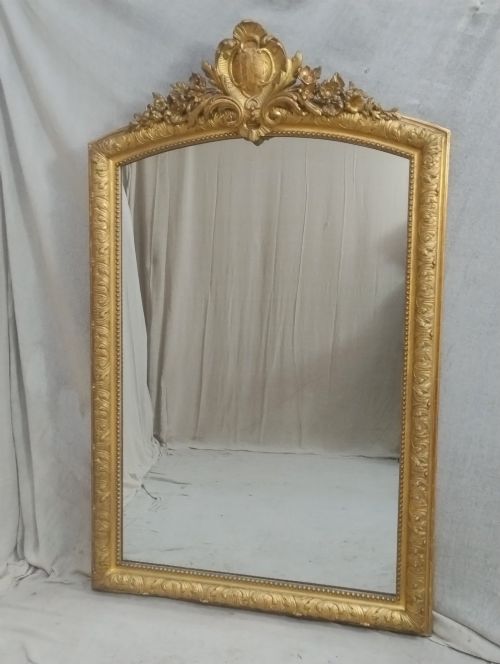
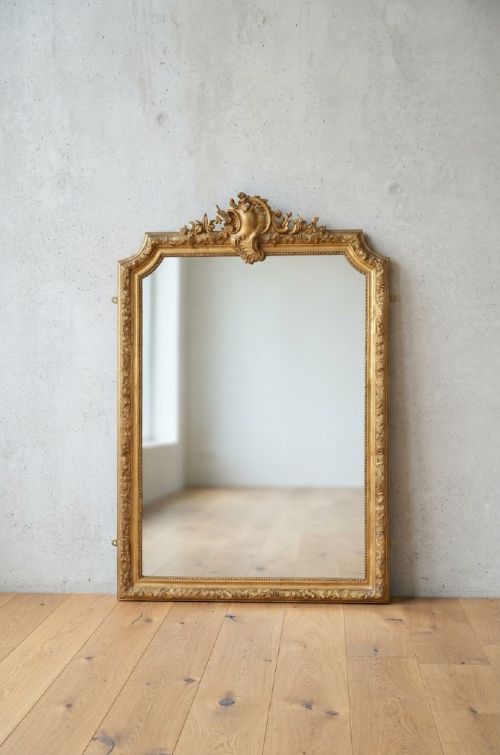
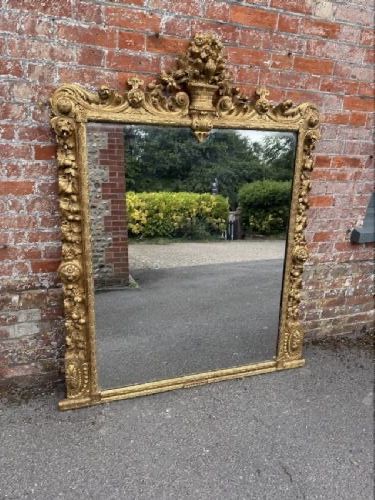
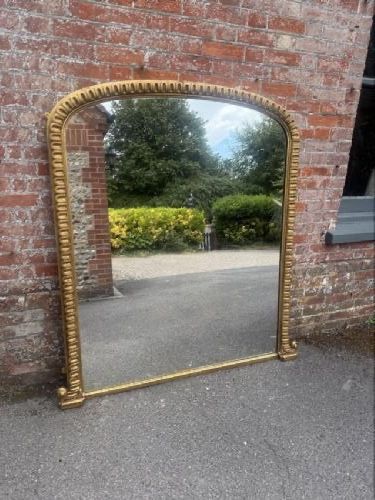
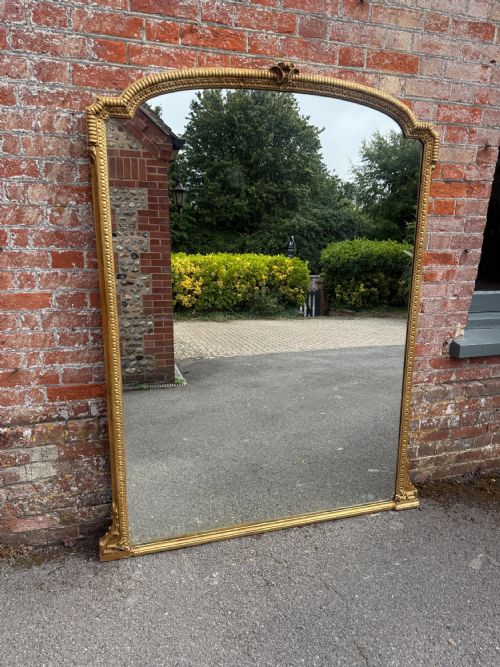
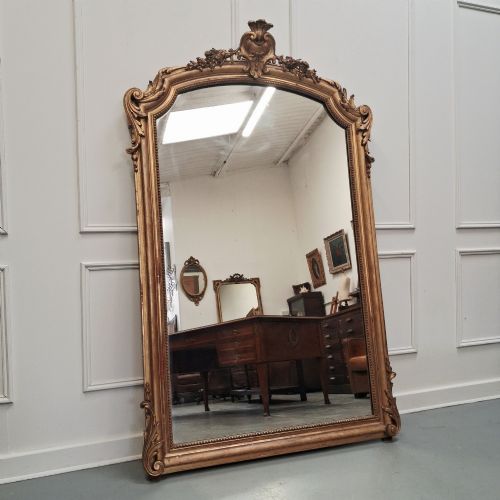
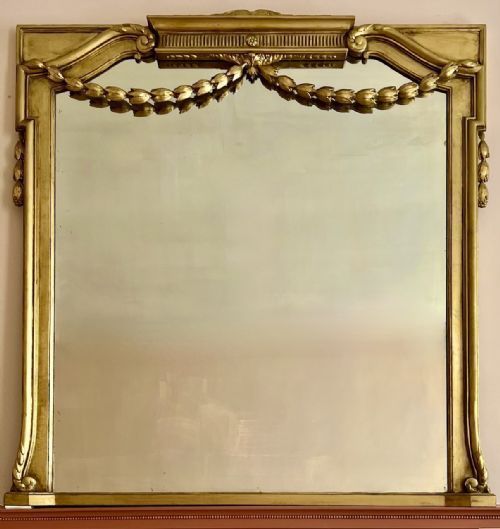
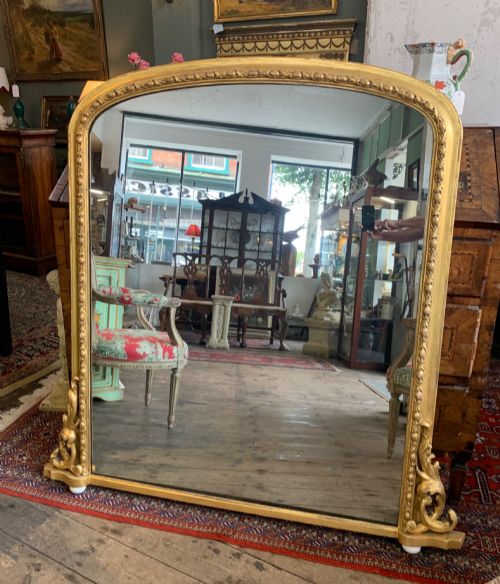
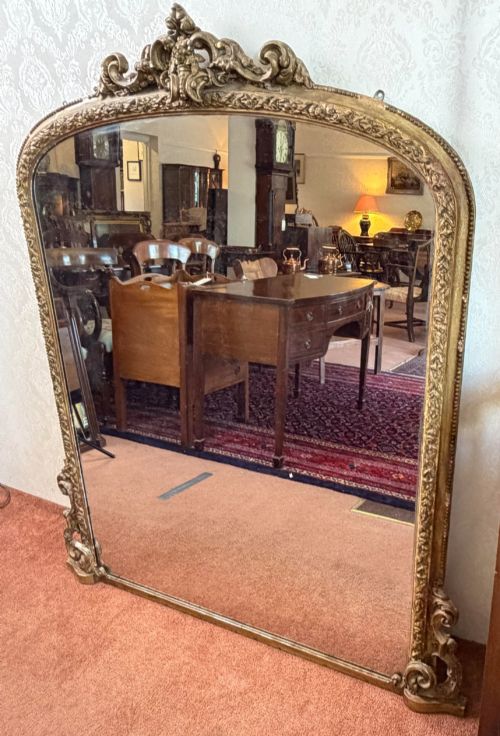
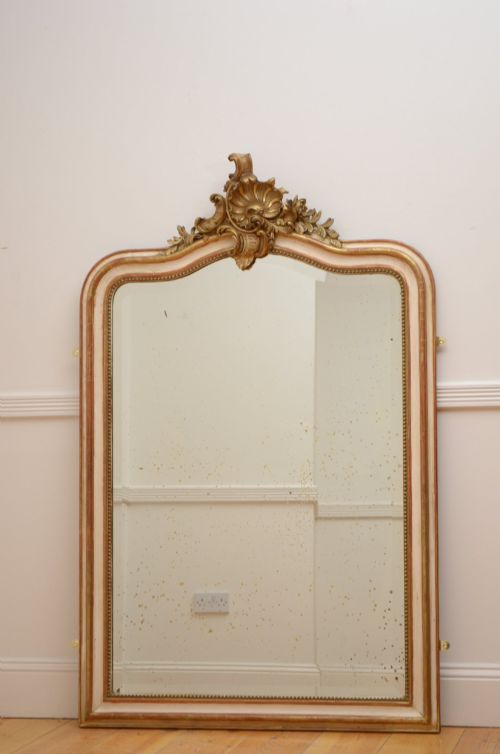
A french style mantel mirror is primarily encountered as a large nineteenth century overmantel mirror designed to sit above a fireplace. These substantial pieces typically feature arched or shaped tops moulded in carved wood, gesso, and giltwood.
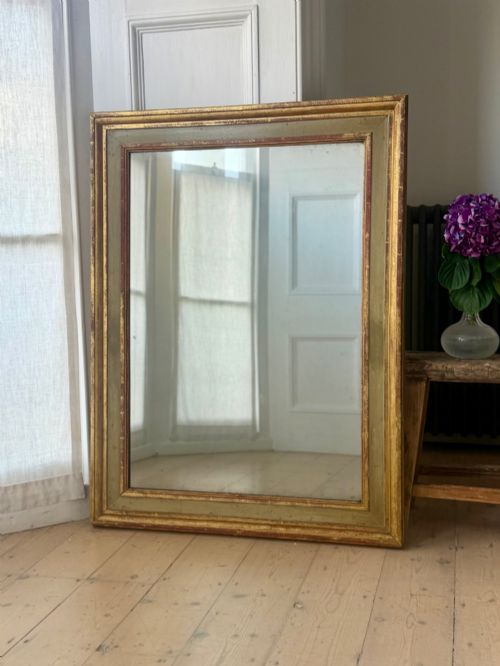
The selection includes examples from Victorian periods alongside continental pieces displaying Rococo Revival and Neoclassical influences. Forms range from simple architectural frames to monumental crested designs with mercury glass.
How they were made
Carved wooden foundations provide the structural framework for these mirrors, shaped into arches, crests, and cartouches. Artisans then applied layers of gesso and composition material to build up high-relief ornamentation before applying gold leaf or paint.
Reflecting plates of the period include mercury glass alongside traditional mirror glass secured within the heavy wooden rabbets. Rope twist motifs and painted finishes frequently complement the gilded surfaces.
Materials record frequent use of gold leaf, mirror glass, composition, and plaster across large wall and overmantel forms.
What varies in quality
Depth and crispness of the carved detail distinguish finer examples, where crisp floral motifs and central cartouches retain their original sharpness beneath the gilding. Heavier wood frames with intricate gesso mouldings indicate superior craftsmanship compared to simpler moulded compositions.
The integrity of the original gold leaf and the preservation of antique mirror glass dictate the visual weight of the piece. Superior specimens maintain unified framing where architectural proportions balance the grand scale of the wall hanging.
The French Style Mantel Mirror Glossary
- Giltwood
- Wood carved and coated with gold leaf. This technique creates a luminous metallic finish that ages with a warm patina.
- Gesso
- A plaster-like mixture applied to wood frames. Artisans carve and mould this substance to form intricate decorative reliefs before gilding.
- Overmantel
- A large mirror or painting designed specifically to hang above a mantelpiece. These pieces often span the width of the fireplace below.
- Mercury glass
- Silvering created using a tin and mercury amalgam behind the glass plate. It produces a mottled, dark reflection characteristic of older mirrors.
- Cartouche
- An ornamental tablet or frame resembling a rolled-up piece of paper. They frequently form the centrepiece of elaborate mirror crests.
French Style Mantel Mirror: Frequently Asked Questions
How do I hang a heavy overmantel mirror safely?
These substantial gilded frames require professional wall fixings secured directly into masonry or heavy timber studs. The weight of the wood and glass demands robust load-bearing brackets.
Position the mirror at a height that balances the fireplace opening below and the ceiling clearance above. Ensure the hanging wire or integrated mirror plates are rated for heavy antique loads.
What is mercury glass?
Mercury glass refers to silvered mirror plates produced in the nineteenth century using a liquid mercury and tin technique. This historical process yields a distinctive speckled, clouded reflection rather than a flawless modern mirror surface.
Such plates are valued for their atmospheric appearance and authenticity. They offer a softer, deeper reflection that complements period interiors.
How do I clean antique giltwood frames?
Dust giltwood surfaces gently with a soft, dry brush to remove settled debris without disturbing the delicate gold leaf. Avoid liquid cleaners, moisture, and abrasive cloths entirely.
Water and chemical solvents can dissolve the underlying gesso and lift the historic gilding. Regular dry dusting preserves the fragile metallic finish for the future.
Can these mirrors be placed on a mantelpiece?
Many nineteenth century overmantel mirrors are designed to rest directly on the mantel shelf while anchored securely to the wall. This dual support method helps distribute the considerable weight of the carved wood frame.
Check the depth of the mantel ledge to ensure the frame sits stably. Wall tethering remains essential to prevent tipping regardless of whether the base rests on wood or stone.