





French Style Jardiniere
A french style jardiniere brings nineteenth-century floral display indoors with cast metal mounts, rich veneers, and decorative ceramics.
French Style Jardiniere
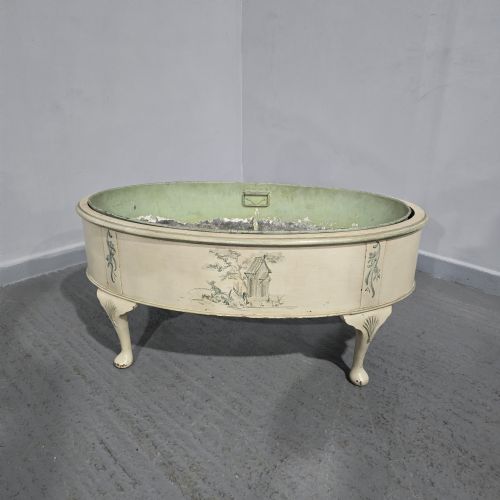
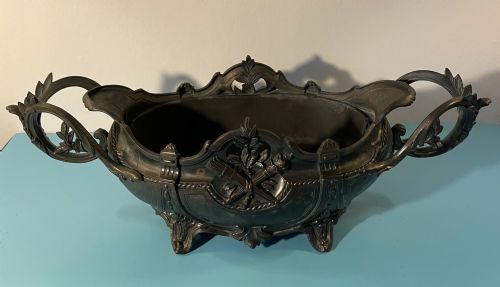
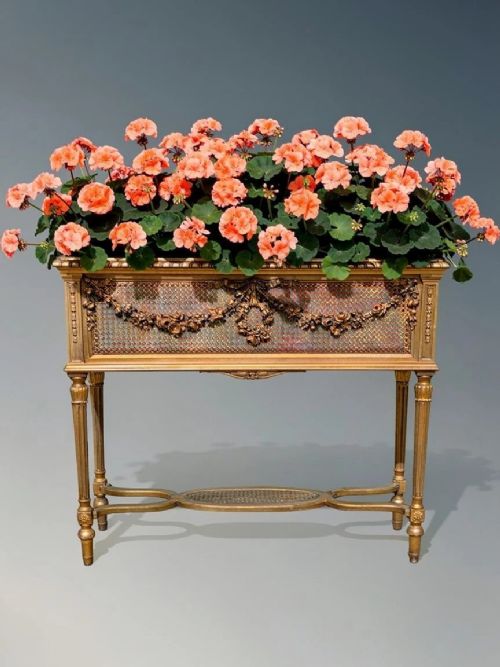
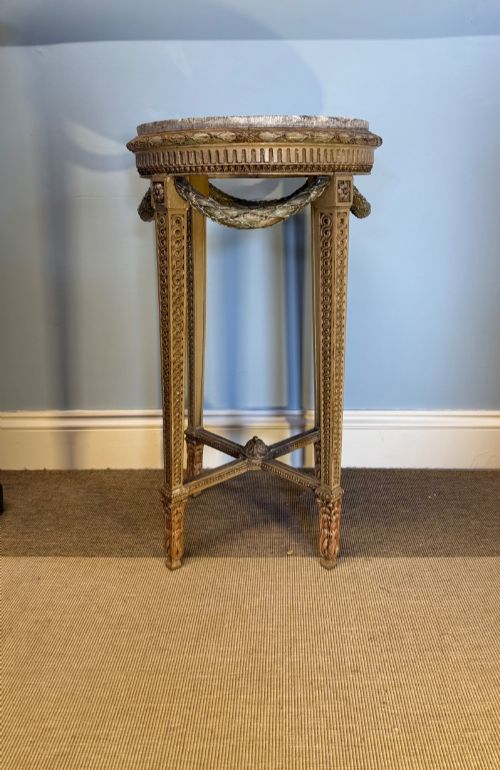
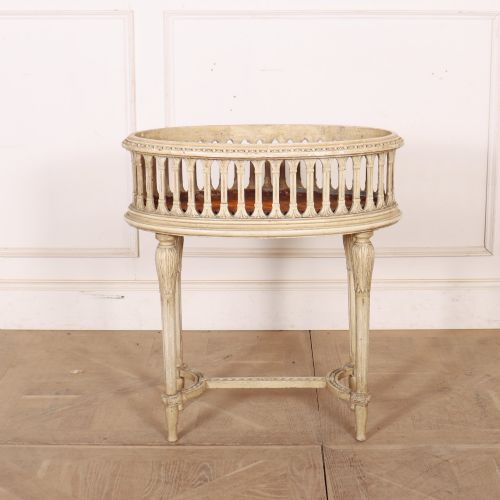
A french style jardiniere serves as an ornamental plant holder, table centrepiece, or standing vessel designed for interior botanical display. When searching for this form, buyers meet pieces spanning the nineteenth century, including Victorian and Edwardian examples influenced by Louis XV, Louis XVI, and Napoleon III revivals.
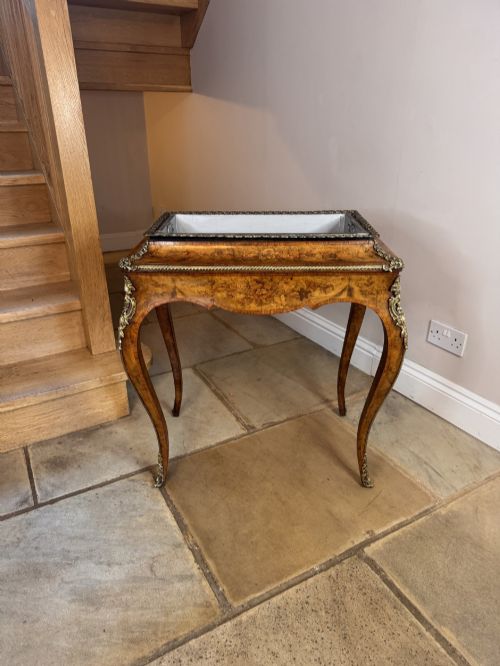
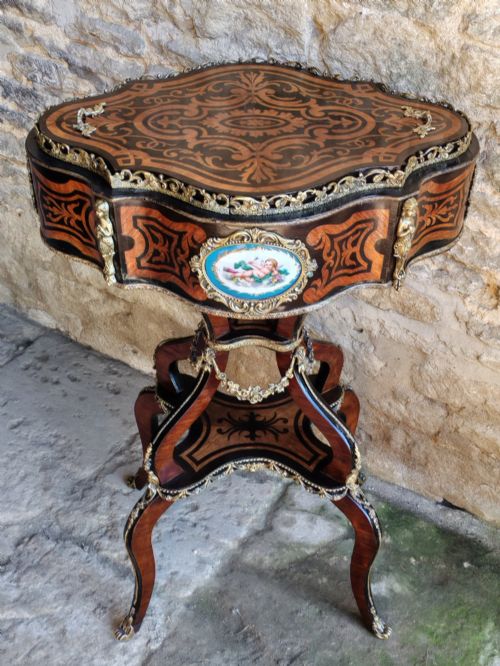
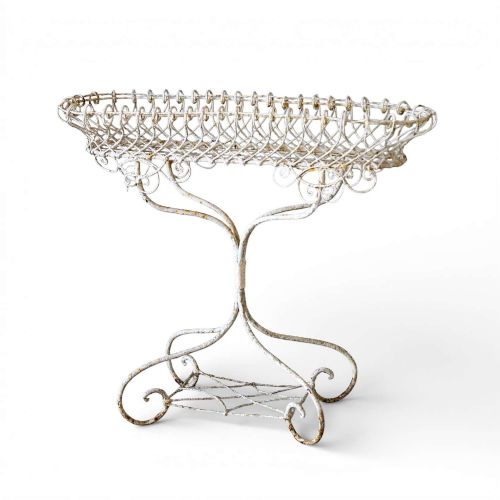
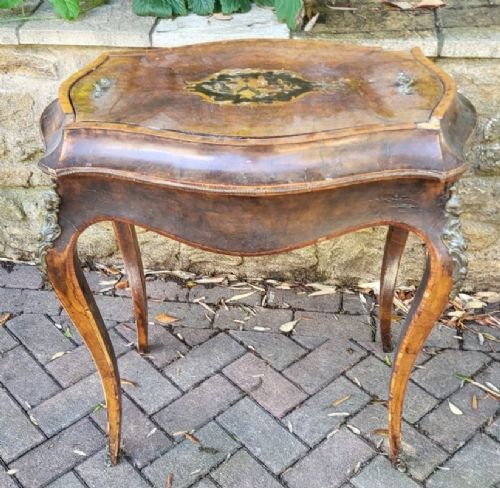
The objects take various structural formats across the evidence, appearing as table vessels, floor-standing jardinieres, plant stands, pedestals, and combined wine coolers. Walnut, kingwood, burr walnut, and mahogany form the carcasses of wooden examples, while cast iron, wrought iron, and bronze build the metal counterparts.
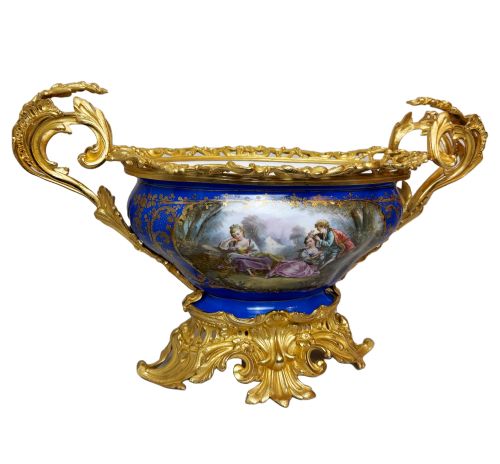
Origin and style intersect through French regional production and English interpretations of continental aesthetics. Many items incorporate ceramic elements, porcelain plaques, or painted panels alongside traditional gilt metal mounts.
How They Were Made
Craftsmen utilised cabinet-making techniques to construct wooden planter bodies, applying veneers of kingwood, walnut, and satinwood over solid carcasses. Marquetry inlay, brass banding, and applied ormolu or gilt metal mounts decorate these timber surfaces.
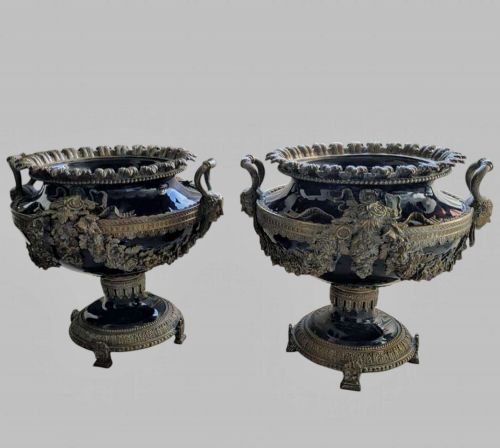
Foundries cast iron and bronze components to create scrollwork, lattice baskets, and structural stands, frequently employing silvered or gilt finishes. Metal liners often protected the internal woodwork from moisture during plant use.
French Style Jardiniere Retail Price Guide 2026
Typical asking prices for french style jardiniere among the pieces listed under this phrase on Sellingantiques today, from the lower quarter to the upper quarter. They describe what is for sale here now, not the wider market.
Listings feature items from the 1850s to the Edwardian period, combining timber veneers, cast metals, and hand-painted porcelain.
What Varies in Quality
The refinement of the cast metal mounts and the precision of the timber veneer work determine the calibre of a piece. Hand-painted porcelain plaques and detailed bronze chasing separate standard production items from finer studio examples.
Material integration defines the upper range, where bronze, marble tops, and detailed marquetry unite without awkward joinery. Proportion and decorative restraint distinguish sophisticated revival pieces from heavier interpretations.
Lerolle Fres·Radot, Paris
The French Style Jardiniere Glossary
- Ormolu
- Gilded bronze applied as decorative mounts on furniture and planters. It provides bright metallic contrast against dark timbers like kingwood and walnut.
- Jardiniere
- An ornamental pot or stand designed to hold growing plants or flowers. These vessels function as interior decoration or table centrepieces.
- Marquetry
- The art of applying pieces of veneer to a structure to form decorative patterns. Craftsmen use varied wood tones to create geometric or floral motifs.
- Napoleon III
- A nineteenth-century French design style combining eclectic revivals with opulent decoration. It frequently incorporates ebonised finishes and gilt mounts.
- Louis XVI Style
- A neoclassical design aesthetic characterised by straight lines, symmetry, and classical motifs. Pieces in this style often feature fluted columns and restrained ornamentation.
French Style Jardiniere: Frequently Asked Questions
What is a french style jardiniere used for?
These pieces were originally designed to hold potted plants or cut flowers inside nineteenth-century drawing rooms and conservatories. They brought living greenery into formal interior spaces while doubling as decorative tables or centrepieces.
Today, they serve similar decorative purposes in modern homes. Many function as dry display vessels, side tables, or wine coolers depending on their original liners and depth.
How do I distinguish Louis XV from Louis XVI styles?
Louis XV style pieces display asymmetrical curves, naturalistic scrollwork, and Rococo motifs. The lines flow organically without rigid symmetry.
Louis XVI style items rely on neoclassical symmetry, straight structural lines, and geometric precision. Columns, urns, and classical foliage replace the exuberant curves of the earlier period.
Are all these pieces French in origin?
The listings include both genuine French items and English interpretations influenced by French design. Makers across the Channel adopted continental fashions during the Victorian and Edwardian eras.
Stylistic markers such as gilt mounts and marquetry appear on pieces made in Britain alongside those imported directly from France. Construction methods and timber choices often reveal the regional origin of a specific stand.