





Antique Conservatory Planter
These antique conservatory planter pieces bring structured greenery indoors through wrought iron, wirework, and brass forms.
Antique Conservatory Planter
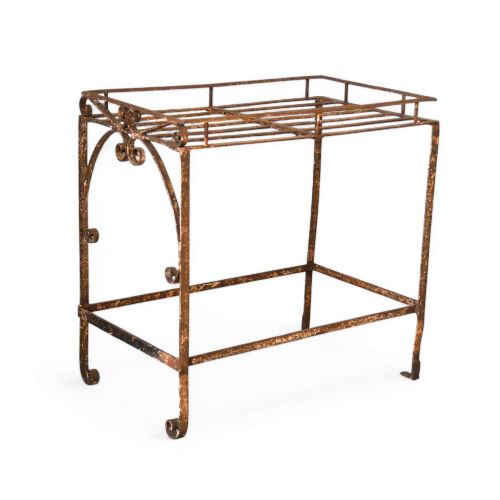
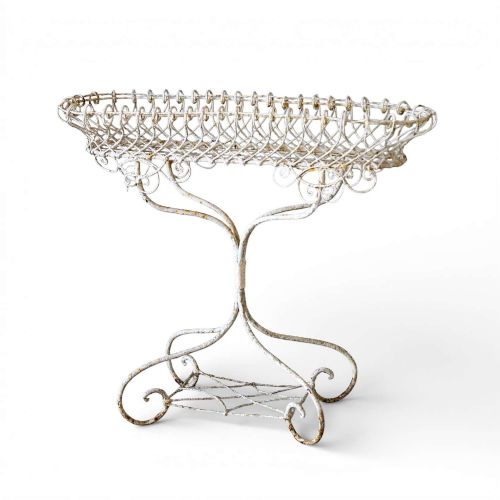
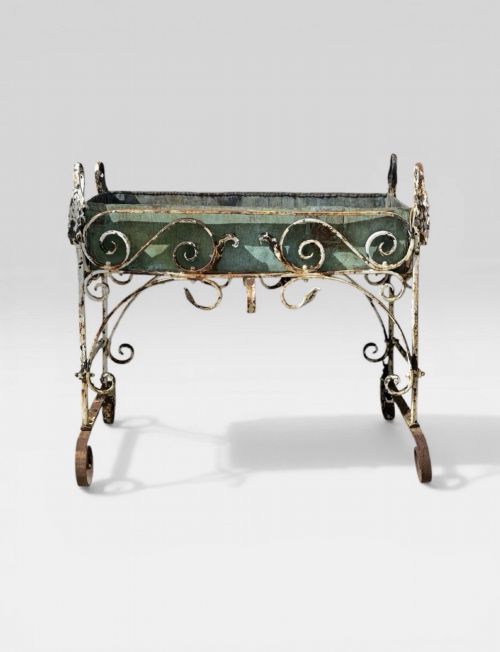
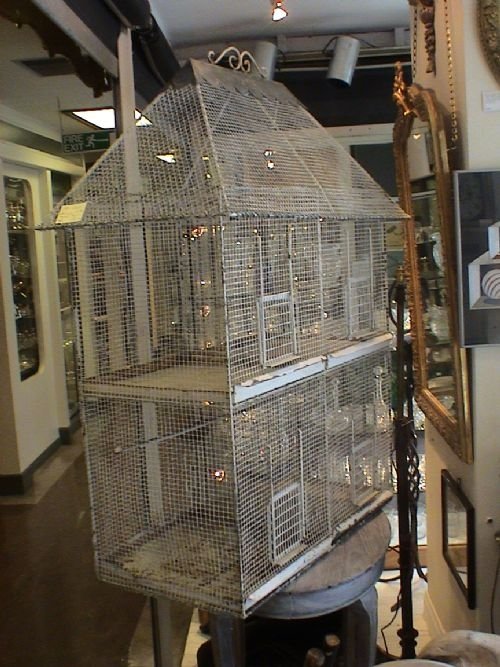
An antique conservatory planter encompasses plant stands, jardinieres, and garden urns designed to hold flora within domestic spaces. When exploring this selection, buyers encounter various forms including wirework tiered stands, wrought iron baskets, and copper vessels.
The objects stem from periods such as the Georgian, Victorian, and Edwardian eras, reflecting the domestic gardening tastes of those times. English country house and French country styles appear frequently across the available inventory.
Makers utilised these vessels in glasshouses, orangeries, and drawing rooms to display potted plants and flowers. Plant stands and jardinieres dominate the current options, often featuring lattice baskets and scrollwork.
How they were made
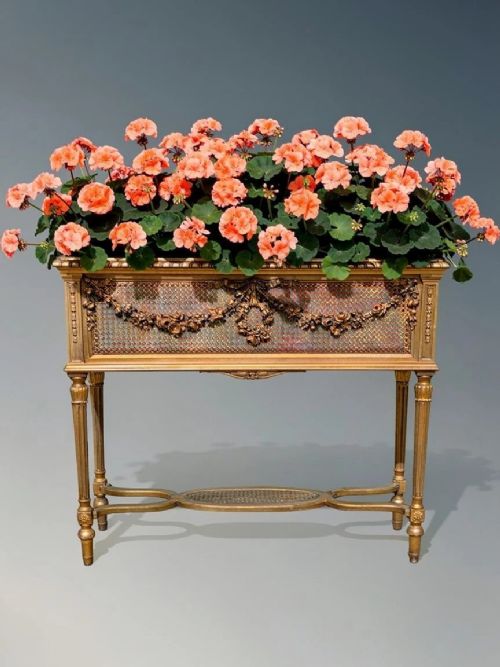
Makers constructed these items using metals like wrought iron, brass, zinc, and cast iron, frequently shaping wirework into lattice baskets and tiered frames. Copper and giltwood also feature in the construction of interior jardinieres.
Techniques relied on blacksmithing and metalworking, seen in the scrollwork and structural joints of iron stands. Wood and cane work supplemented certain decorative planter designs for indoor settings.
Antique Conservatory Planter Retail Price Guide 2026
Typical asking prices for conservatory planter among the pieces listed under this phrase on Sellingantiques today, from the lower quarter to the upper quarter. They describe what is for sale here now, not the wider market.
What varies in quality
Quality differences emerge in the complexity of the scrollwork and the crispness of the wirework lattice construction. Finer examples display balanced proportions and refined decorative details on the baskets and stands.
The choice of materials dictates the baseline character, with heavier wrought iron and cast iron pieces offering robust structural presence. Surface patination and the integrity of joints further separate standard items from superior specimens.
The Antique Conservatory Planter Glossary
- Jardiniere
- An ornamental pot or stand for holding plants or flowers. These vessels often sit on pedestals or directly on floors.
- Wirework
- Metal strands bent and joined into open lattices or tiered frames. This technique provides light structural support for plants.
- Wrought iron
- Iron beaten into shape by hand tools, allowing for strong scrollwork. It is commonly found in garden racks and plant stands.
- Giltwood
- Wood that has been treated with gold leaf or a gold-coloured finish. This material appears on decorative interior planters.
- Conservatory
- A glazed room attached to a house for growing plants. These spaces housed the plant stands and jardinieres listed here.
Antique Conservatory Planter: Frequently Asked Questions
What is a conservatory planter?
A conservatory planter is a vessel or stand designed to display plants within a glazed room or indoor living space.
These pieces range from wirework tiered stands to brass jardinieres and iron plant holders.
How were plant stands used?
Plant stands were utilised to elevate potted greenery and flowers off the floor within domestic interiors and glasshouses.
They allowed owners to arrange botanical displays at varying heights for aesthetic effect.
How do I date wirework?
Dating wirework involves examining the gauge of the wire, the method of joining, and the overall form.
Earlier examples from the Georgian and Victorian periods often feature hand-formed joints and heavier structural framing.
Where should I place a jardiniere?
A jardiniere suits placement in hallways, drawing rooms, or conservatories where it can hold potted plants.
Protect interior surfaces with appropriate liners if watering plants directly inside metal or wooden vessels.