


French Style Footstool
These French style footstool pieces bring carved woodwork and plush upholstery together to finish a period interior.
What these footstools are
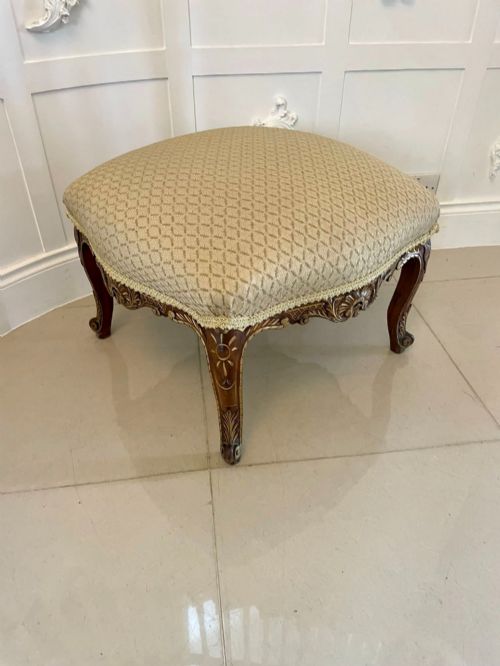
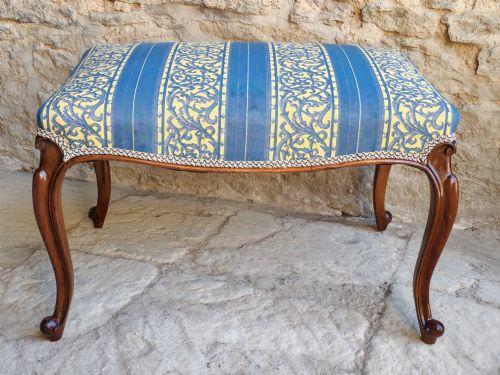
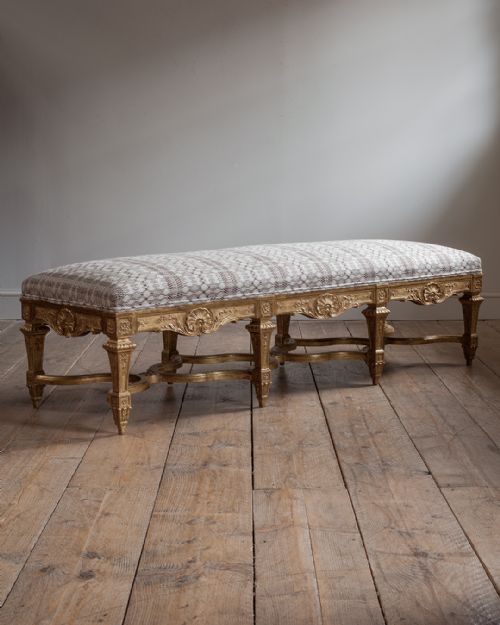
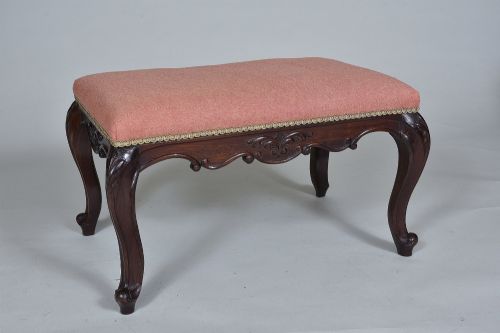
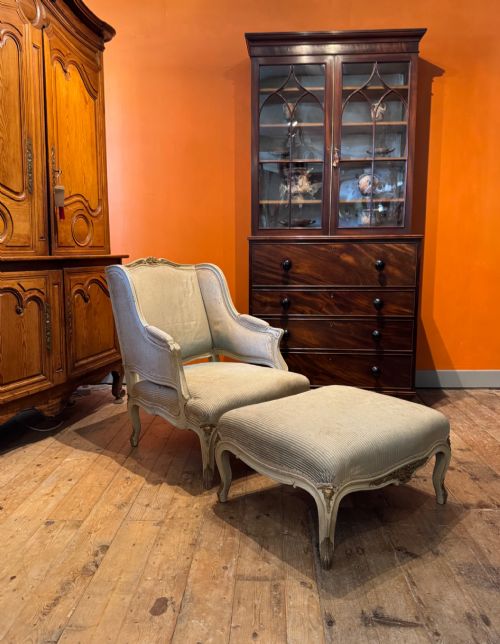
A french style footstool combines low seating with ornate timber frames and upholstered tops. The pieces on this page span the Victorian era, including items from eighteen fifty, eighteen seventy, and eighteen eighty, alongside nineteenth-century examples.
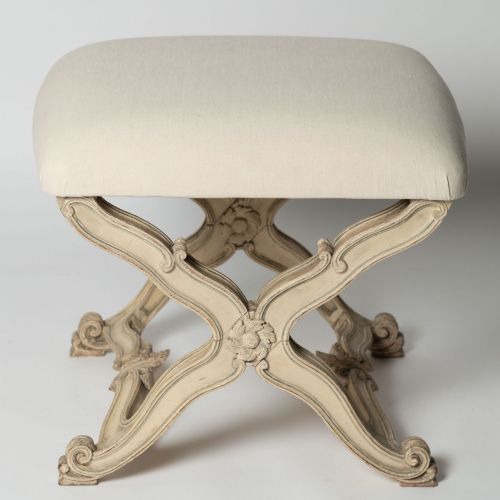
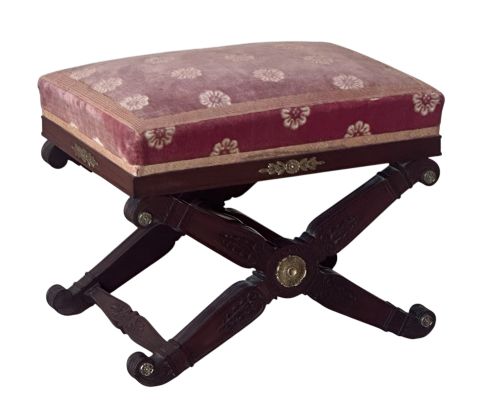
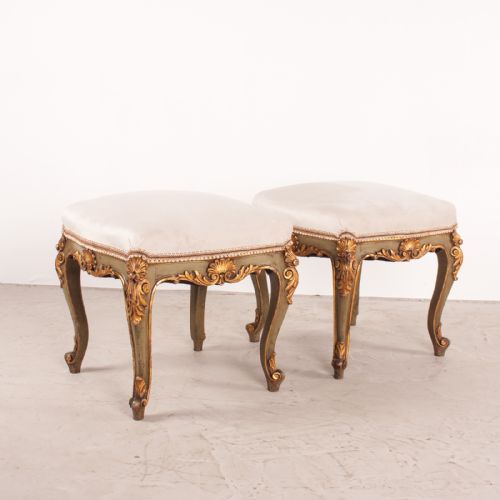
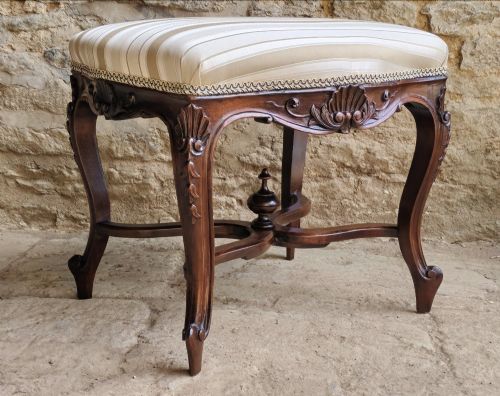
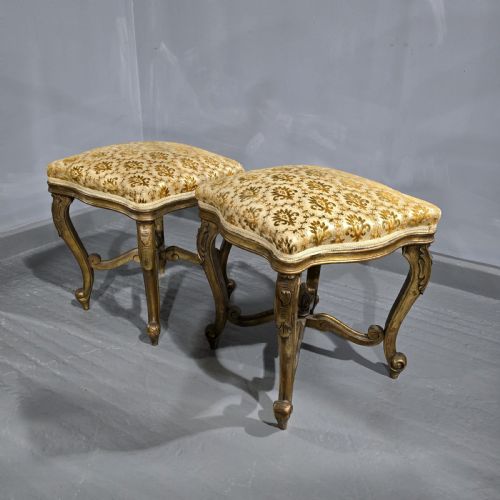
Most items take the form of footstools or fireside stools, built in walnut, mahogany, hardwood, and giltwood. Makers drew on Rococo Revival, Louis XV style, Baroque Revival, and French Chateau aesthetics to shape the timber.
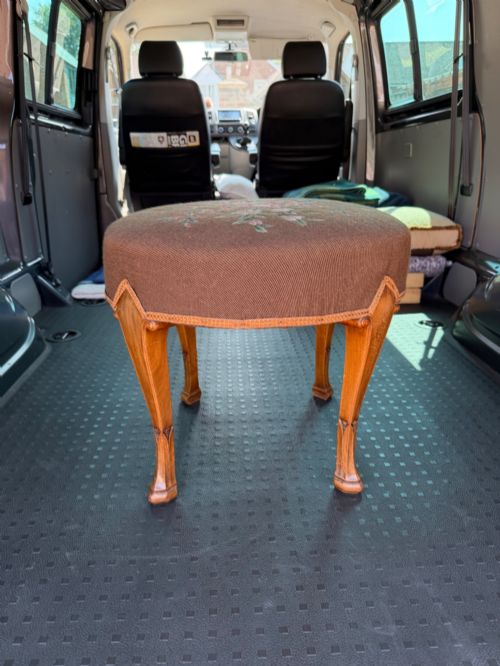
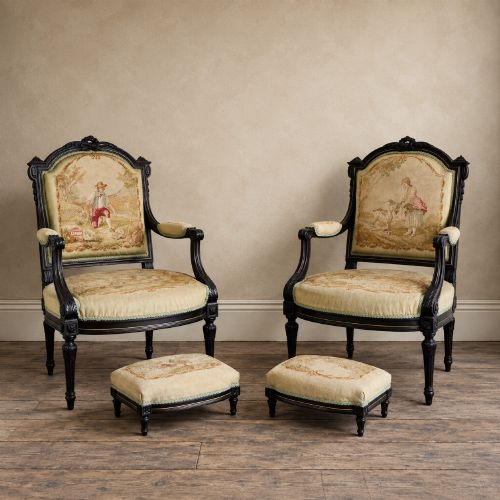
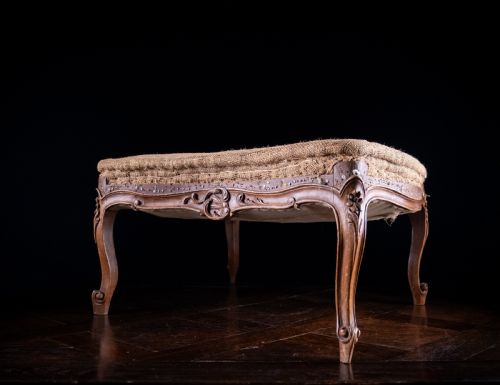
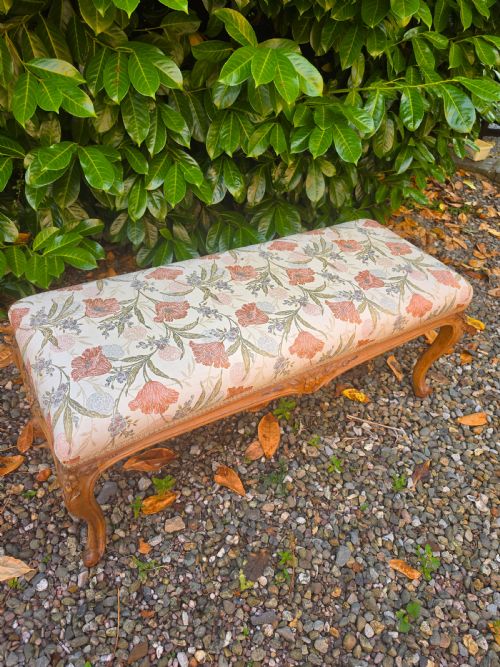
Makers shaped the supports with cabriole legs and carved details, pairing the woodwork with textile, fabric, woven fabric, and gimp braid upholstery. The archive also records a circular giltwood footstool in the Rococo style and a Louis XVI style duchesse brisee pairing.
How they were made
Makers worked with solid timber frames in walnut, mahogany, and hardwood, alongside painted and giltwood finishes. Woodworkers carved the legs and rails by hand, shaping cabriole profiles and ornamental motifs directly into the material.
Upholstery completed each piece using traditional textiles and fabrics secured with gimp braid trim. Frame construction relied on sturdy joinery to support the weight of textiles and daily use.
Retail Price Guide 2026
Typical UK retail prices for french style footstool, calculated from the Sellingantiques database of over a million retail prices indexed since 2003. This retail price guide relies exclusively on Sellingantiques data; no external sources or auction records are used, so the figures do not describe the wider market.
What varies in quality
Quality rests in the depth and crispness of the timber carving across the legs and rails. Firmer, more detailed hand-carved walnut and giltwood frame work distinguishes the finer examples from simpler turned or painted timbers.
The choice of covering materials and the execution of the upholstery dictate the finish. Higher grade woven fabrics and traditional gimp braid detailing elevate the presentation of the textile top.
The French Style Footstool Glossary
- Cabriole leg
- A furniture leg that curves outward and then tapers inward, ending in a pad or scroll foot. This form draws directly from classical and revival design traditions.
- Giltwood
- Timber coated with a thin layer of gold leaf or gilt paint. It creates a bright, reflective surface seen on decorative revival pieces.
- Gimp braid
- A flat, narrow woven band used to trim and conceal the tacks securing upholstery edges. It adds a neat finished line to the textile border.
- Rococo Revival
- A nineteenth-century design movement mimicking the asymmetrical curves, C-scrolls, and naturalistic motifs of the eighteenth-century French style. It dominates the carving on many of these stool frames.
Frequently Asked Questions
What rooms suit a French style footstool?
These pieces fit comfortably beside firesides, reading chairs, or dressing tables where low seating is useful. Their carved frames add character to traditional sitting rooms.
They also work well as accent pieces in bedrooms or studies, pairing easily with other period furniture.
How do I care for the upholstery?
Gentle surface cleaning helps preserve delicate textiles and woven fabrics over time. Avoid harsh chemical cleaners that might damage natural fibres.
Keep the timber frames polished with appropriate wood care products to maintain the finish of walnut, mahogany, or giltwood.
Are these stools sturdy enough to sit on?
Most antique stools were built for heavy domestic use with solid hardwood frames. Their sturdy joinery supports everyday resting of feet or occasional seating.
Checking the stability of the cabriole legs ensures the frame remains secure during use.
How can I tell the period of a footstool?
Dating relies on identifying timber types, carving styles, and construction methods. Pieces from the Victorian era often feature walnut or mahogany with revival carving.
Comparing the decorative motifs, such as Rococo curves or Baroque details, helps place the item within the nineteenth century.