



French Style Casket
These french style casket pieces are decorative metal and ceramic boxes used to hold jewellery and small valuables, sought after for their period ornamentation.
French Style Casket
When you search for french style casket, you look at decorative containers produced across the nineteenth century, including pieces from the Victorian era and around nineteen ten. These items take the form of jewellery boxes, trinket boxes, and display boxes designed for personal storage.
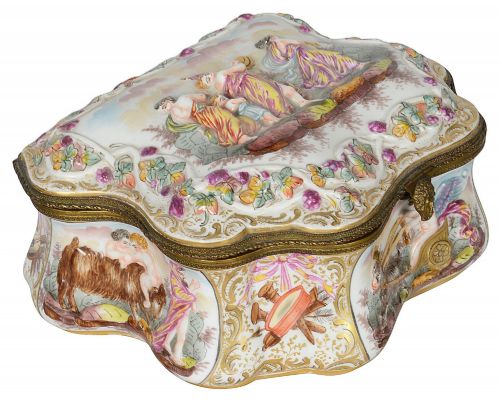
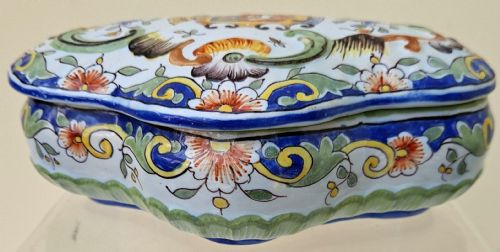
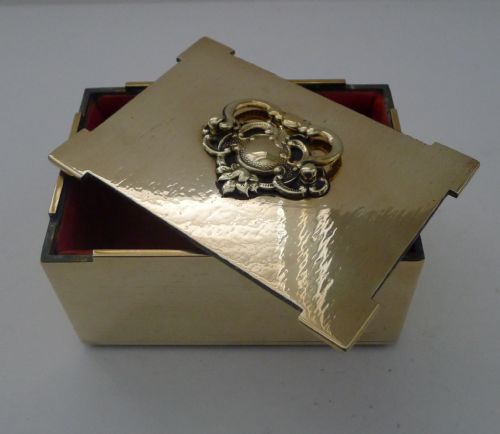
The objects on this page span several revivalist movements, featuring Rococo Revival, Second Empire, and Empire aesthetics alongside earthenware faience and Gothic carved wood. You meet porcelain bodies mounted in ormolu, cast brass structures, and kingwood display boxes.
Forms range from round porcelain boxes with gilt detailing to large deed boxes and heavy bronze frames enclosing marble bases. Each piece serves as a desktop or dressing table accessory originating from French and European workshops.
How they were made
Makers utilised cast brass, ormolu, and gilt bronze to build sturdy metal frames that support glass, porcelain, and marble panels. Hand painting decorates the porcelain and tin glazed earthenware surfaces with cobalt blue and polychrome designs.
Carpenters constructed wooden carcasses from chestnut and kingwood, employing carving techniques for Gothic ornamentation and Boulle marquetry for surface enrichment. Metal components undergo casting and gilding to create the decorative mounts characteristic of these boxes.
A solitary chestnut deed box travels from sixteen hundred, vastly outdating the shiny nineteenth century upstarts.
What varies in quality
The distinction between tiers rests upon the execution of the metal mounts and the hand painting on the ceramic elements. Finer examples display crisper chasing in the ormolu and more detailed brushwork on the porcelain plaques.
Materials dictate the upper range, where heavy cast bronze and genuine Sevres porcelain elevate a piece above simpler brass and earthenware productions. The integration of stone, such as marble, alongside precise joinery in wood boxes signals superior construction.
Lund Of Cornhill·Sevres
The French Style Casket Glossary
- Ormolu
- Gilded bronze or brass used for mounts and decorative trims on furniture and boxes. It provides a bright metallic finish that mimics solid gold.
- Faience
- Tinned-glazed earthenware produced in France and Europe. This ceramic medium accepts painted decoration beneath or over the glaze.
- Sevrer porcelain
- High grade porcelain associated with the historic French factory. Pieces often feature cobalt blue grounds and elaborate gilt detailing.
- Boulle marquetry
- Decoration technique using brass and tortoiseshell inlay on wooden furniture and boxes. It creates patterned surfaces that reflect light.
- Kingwood
- A dense tropical timber utilised for fine cabinet making and decorative boxes. Its dark grain provides a rich natural surface.
French Style Casket: Frequently Asked Questions
What is a french style casket?
A french style casket is an ornamental box designed for holding jewellery or trinkets, typically featuring metal mounts and ceramic or wood panels.
These pieces draw on nineteenth century revival styles such as Rococo and Empire to create decorative storage items for the home.
How were these boxes used?
Owners placed these caskets on dressing tables, desks, and mantlepieces to store precious items, letters, and personal jewellery.
They functioned as both practical storage and decorative art objects within nineteenth century interiors.
How do I identify the period?
Dating relies on the materials, manufacturing techniques, and stylistic revival movements evident in the construction of the metal and ceramic components.
Nineteenth century pieces often combine cast brass or ormolu with porcelain plaques or hand painted finishes typical of the Victorian era.
What materials are common?
Common materials include porcelain, ormolu, cast brass, tin glazed earthenware, and woods such as chestnut and kingwood.
Makers frequently combined metal frames with ceramic bodies or marble bases to produce ornamental containers.