


Antique Boulle Box
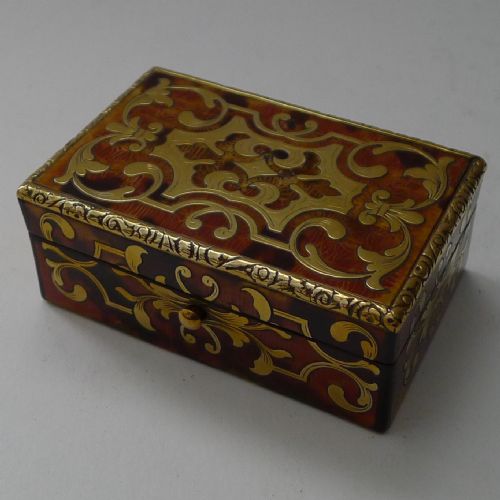
An antique boulle box brings tactile luxury to a desk, holding letters, ink or trinkets in surfaces of tortoiseshell and cut brass.
Antique Boulle Box
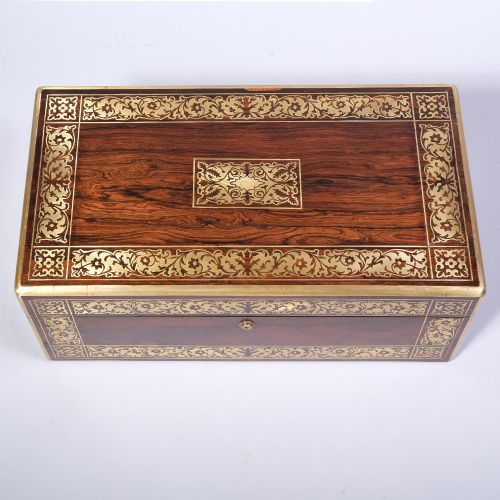
An antique boulle box represents a pinnacle of ornamental desk furniture and decorative storage, spanning tea caddies, writing boxes, stationery caskets and jewellery cases. These pieces take various forms from the Victorian, Regency and Napoleon III periods, originating from both French and English makers.
The most frequent examples found in these listings are writing boxes, tea caddies and desk stands. They combine functional compartments with elaborate lids and panels designed to sit proudly upon a library table or writing bureau.
How they were made
The technique relies upon the precise cutting and inlaying of brass and tortoiseshell into wooden carcases, often constructed from rosewood or ebonised wood. Artisans cut contrasting sheets of metal and organic shell together to create interlocking first-part and counter-part marquetry motifs.
Gilt metal mounts and glass inserts frequently complete the interiors of these boxes, protecting delicate contents while adding structural weight and visual brilliance to the design.
Tobacco found a home in these ornate shells alongside tea and letters, proving that nineteenth-century indulgence required proper tortoiseshell housing.
What varies in quality
Quality reveals itself in the crispness of the brass cutting and the tightness of the fit between the inlaid elements and the surrounding wood or shell. Superior examples demonstrate meticulous hand-engraving across the metal surfaces that catches the light without catching the finger.
The standard of the underlying cabinetwork, the retention of original interior fittings such as inner canisters or glass dishes, and the presence of signed maker locks elevate certain pieces above standard production.
Lund Of Cornhill·Asprey·Leuchars London·Vickery
The Antique Boulle Box Glossary
- Boullework
- A form of marquetry consisting of tortoiseshell and brass inlay, named after André-Charles Boulle. It creates a shimmering, highly decorative surface pattern.
- Counter-part
- The inverse layout of boulle marquetry, where brass forms the background and tortoiseshell forms the design motif. This technique utilised every scrap of the expensive materials.
- Tea caddy
- A lidded box designed to store loose tea leaves securely, often featuring internal compartments and a locking lid. They preserve expensive dry goods in domestic settings.
- Desk stand
- A portable tray or box housing inkwells, pen rests and sometimes a small drawer or sander. These accessories kept writing implements organised on nineteenth-century desks.
Antique Boulle Box: Frequently Asked Questions
How do I care for tortoiseshell?
Keep tortoiseshell away from direct sunlight and extreme heat to prevent warping and drying out. A gentle wipe with a soft, dry cloth maintains the surface.
Avoid chemical polishes and harsh modern cleaners, which can damage the organic material and the delicate brass inlay surrounding it.
Were these boxes French or English?
Both origins appear frequently among these pieces, reflecting strong stylistic exchange during the nineteenth century. French makers often favored elaborate Napoleon III designs with ebonised carcases.
English makers adapted the Boulle technique for domestic stationery boxes and tea caddies, sometimes incorporating local rosewood and robust brass mounts.
What went inside a stationery box?
Stationery boxes held folded writing paper, envelopes, visiting cards and sealing wax. Their stepped interior slots kept correspondence organised and ready for use.
Larger versions accommodated pens and ink bottles, serving as complete desk-top compendiums for the Victorian study.
How do I date an antique boulle box?
Dating relies upon examining the secondary woods inside, the style of the brass locks, and the overall decorative vocabulary. Pieces from the Regency era show different proportions compared to later Victorian or Napoleon III examples.
Maker stamps on locks or hinges provide the most precise chronological markers when present.