


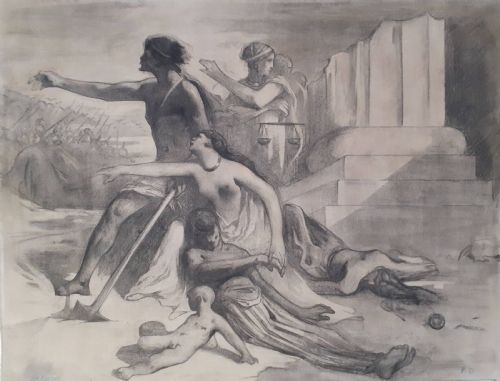


French School Drawing
A french school drawing captures centuries of continental draughtsmanship on paper, offering buyers intimate studies and finished portraits in charcoal, chalk and ink.
French School Drawing
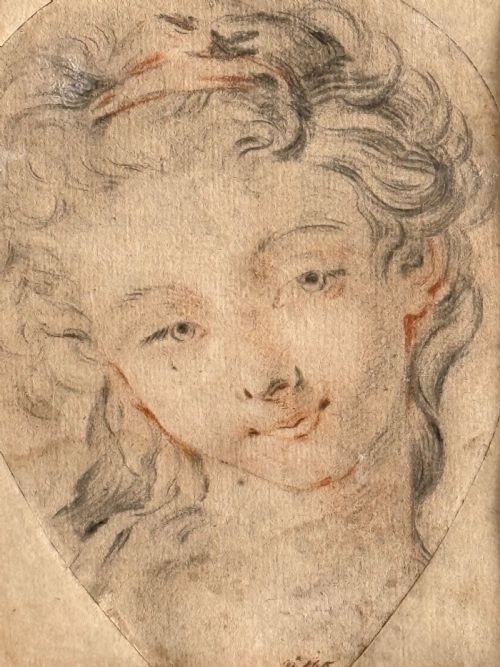
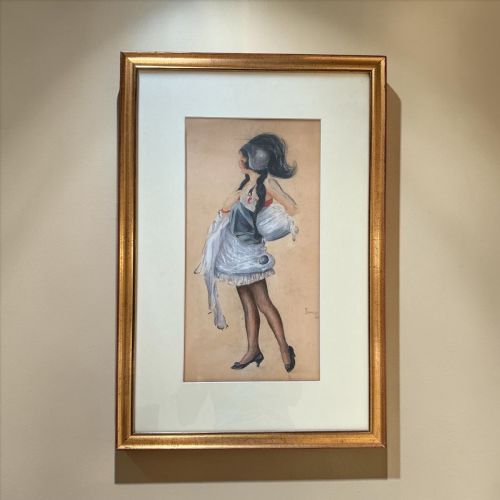
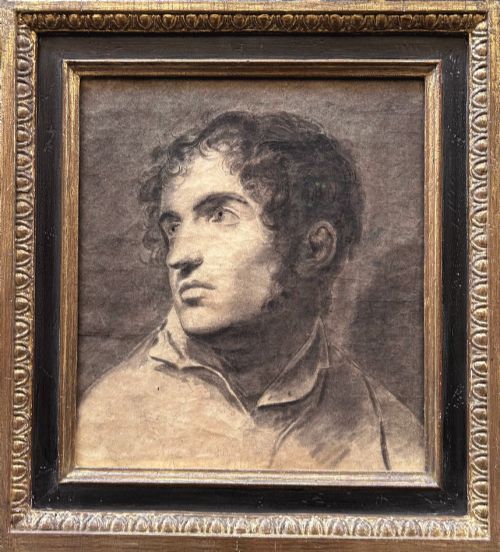
When searching for a french school drawing, a buyer encounters works on paper spanning from the eighteenth century through to the mid twentieth century. These pieces include preparatory studies, portraits of gentlemen and ladies, landscape views, and allegorical scenes.
The version most frequently met on this page is the nineteenth century portrait or landscape executed in graphite, charcoal, or pastel. Such works frequently reflect academic traditions, romanticism, or regional sketching trips across France.
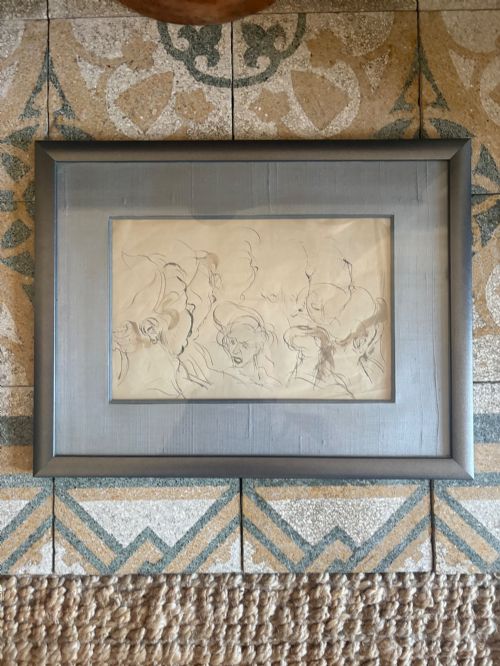
Beyond portraits, the category embraces narrative watercolours and pen and ink sketches depicting historical events or quiet provincial scenes. Each piece demonstrates the continental focus on line and form established in traditional ateliers.
Materials and technique
Draftsmen relied primarily on paper as a base, applying mediums such as graphite, charcoal, chalk, pastel, pen and ink, and watercolour. Many works combine two coloured inks or mix chalk with graphite to build tone and depth.
Execution ranges from rapid preparatory studies intended for larger paintings to highly finished pastels framed under glass within wood surrounds. Artists utilised delicate line work and shading to capture expression, light, and texture.
Current listings feature works on paper rendered in charcoal, graphite, pastel, ink, and chalk within nineteenth and twentieth century contexts.
Distinguishing quality
Excellence in these works lies in the sureness of the draughtsmanship and the expressive power of the line. The top of the range demonstrates a confident handling of anatomy, light, and shadow that brings a subject to life with minimal strokes.
Lesser examples can feel stiff or overly formulaic, lacking the spontaneous vitality found in preparatory sketches by accomplished hands. The distinction rests on the artist's ability to command the medium, whether working in rapid ink or layered pastel.
Francois Boucher·Alfred Dehodencq·Pierre-Paul Prud'hon·Eduard Leon Cortes·Andrè Maurice·Yves Brayer·Henri Josephe Hesse·Henri Joseph Harpignies
The French School Drawing Glossary
- Graphite
- A form of carbon used as a drawing medium. It produces crisp grey lines and smooth tonal shading.
- Pastel
- A powdered pigment mixed with a binder and moulded into a stick. It creates velvety, richly coloured surfaces on paper.
- Preparatory study
- A preliminary sketch made by an artist to plan a larger, often finished painting or composition.
- Academic realism
- A style of painting and drawing produced under the influence of European academies of art. It emphasises precise anatomical correctness and polished surfaces.
French School Drawing: Frequently Asked Questions
What periods do these drawings cover?
The selections span from the eighteenth century through the nineteenth century and into the mid twentieth century. They encompass periods such as the Bourbon Restoration, the Victorian era, and the interwar years.
Collectors encounter everything from Rococo and Neoclassical academic works to Barbizon school landscapes and early twentieth century expressions.
How were these works framed and displayed?
Many of these pieces are preserved behind glass inside protective wood frames to safeguard fragile paper, charcoal, and pastel surfaces. Historically, works on paper were framed for domestic display in salons and studies.
Today, proper framing continues to protect delicate mediums like chalk and pastel from environmental degradation while allowing clear viewing.
What subjects are most common?
Portraits dominate the selection, ranging from nineteenth century female portraits and gentleman studies to specific historical figures. Landscapes and architectural scenes from Provence, Paris, and the South of France also appear frequently.
Allegorical compositions, fashion drawings, and military narrative scenes add further variety to the regional repertoire.
How do I identify a preparatory study?
Preparatory studies often show visible corrections, grid lines, or rapid cross-hatching where the artist worked out composition and lighting. They were created as working tools rather than finished exhibition pieces.
These drawings offer a direct insight into the artist's creative process before committing paint to canvas.