


Victorian Charcoal Drawing
These victorian charcoal drawing works capture profound atmospheric depth through monochrome draftsmanship, offering collectors an intimate glimpse into nineteenth-century artistic expression.
Victorian Charcoal Drawing
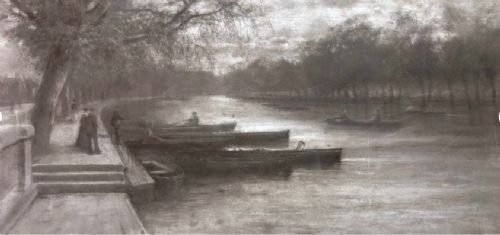
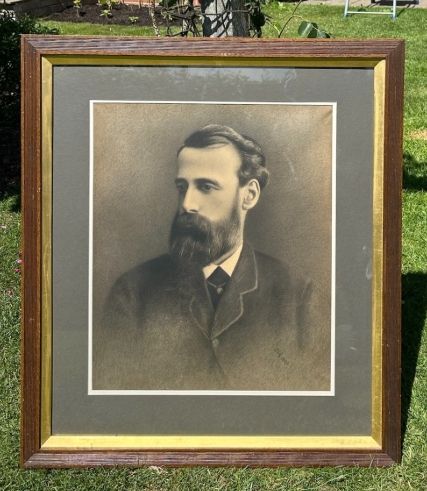
A victorian charcoal drawing typically manifests as a framed original artwork on paper or canvas, capturing landscapes, seascapes, or human subjects. Buyers exploring this category frequently encounter portraits of gentlemen and ladies alongside atmospheric British and Scottish scenes.
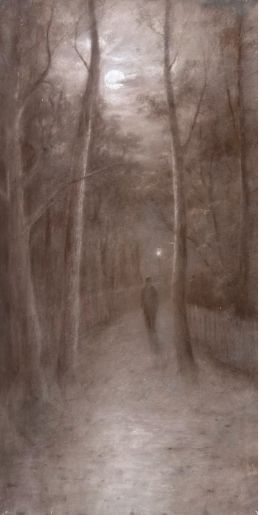
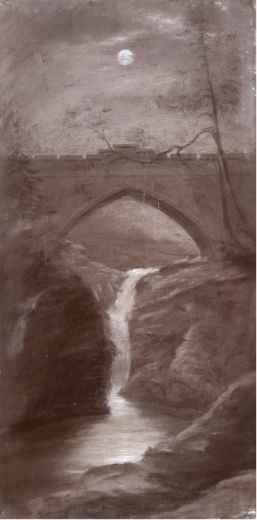
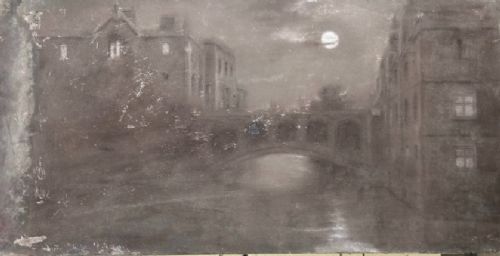
The pieces encompass various stylistic movements including academic realism, tonalism, and Victorian nocturnes. Works often reflect the influence of contemporary artistic traditions from the nineteenth century.
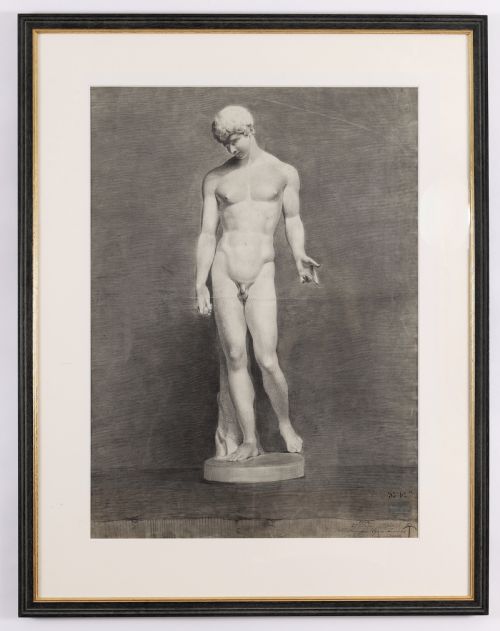
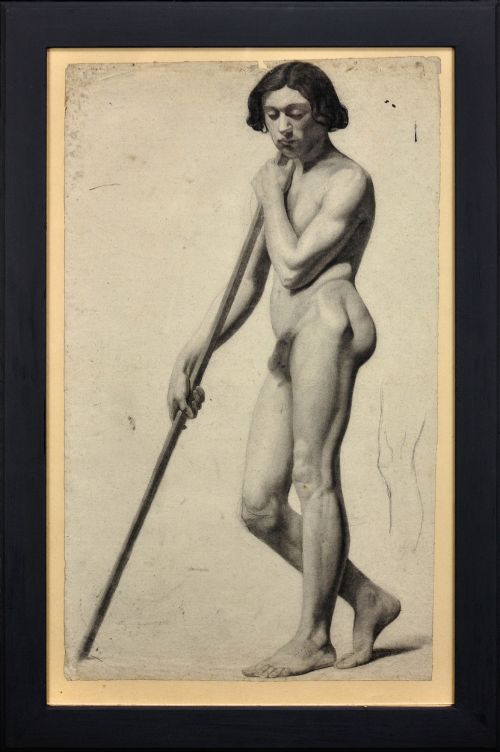
Subjects range from dramatic maritime views such as shipwrecks to detailed academic life studies of male nudes. Portraiture forms a substantial component of the selection, documenting notable historical figures and sitters.
Materials and Technique
Artists utilised charcoal applied to paper or canvas, frequently combining the medium with graphite, chalk, and pastel to enrich tonal gradations. These materials allowed draughtsmen to build deep shadows and luminous highlights across the surface.
Framing often involved glazed wooden enclosures with gilded mouldings, protecting the fragile monochrome pigments from environmental damage. Many works demonstrate meticulous pencil underdrawing beneath the primary charcoal application.
Listings feature works executed in charcoal, graphite, chalk, and pastel upon paper and canvas supports.
Variations in Quality
The distinction between standard examples and superior works rests on the subtlety of tonal control and atmospheric intensity. Masterful handling of light and shade distinguishes evocative landscapes and portraits from routine academic studies.
Condition of the delicate charcoal medium and the preservation of the original paper or canvas substrate heavily influence the integrity of the piece. Well-preserved works retain sharp contrasts and secure fixing of the pigment particles.
Henry Arthur Roberts·Sir Edwin Landseer·John Macallan Swan·Theobald Chartran·George Richmond
The Victorian Charcoal Drawing Glossary
- Academic Realism
- A style of painting and drawing produced under the influence of European academies of art. It emphasises precise anatomical accuracy and traditional compositional rules.
- Tonalism
- An artistic style that emerged in the late nineteenth century where artists painted forms with an overall tone or atmospheric mist. Works in this vein prioritize mood and shadow over sharp outlines.
- Graphite
- A crystalline form of carbon used in pencils for sketching and underdrawing. It provides fine, silvery-grey lines that frequently accompany bolder charcoal marks.
- Pastel
- A dry painting medium in the form of a stick, consisting of powdered pigment and a binder. It appears in several mixed-media Victorian works alongside charcoal.
- Nocturne
- A painting or drawing depicting a night scene or a scene with a nocturnal atmosphere. These works rely on deep charcoal shadows to evoke dusk or darkness.
Victorian Charcoal Drawing: Frequently Asked Questions
What subjects appear in these drawings?
The selections encompass English and Scottish landscapes, dramatic seascapes, and detailed academic life studies. Portraits of Victorian gentlemen and notable figures also feature prominently among the available works.
Artists frequently explored atmospheric lighting effects, influenced by tonalist and realist movements of the nineteenth century.
How should I frame and display a charcoal drawing?
Charcoal drawings require protective glass and secure framing to prevent the fragile medium from smudging or absorbing moisture. Conservation mounting ensures the paper or canvas remains stable over time.
Placement away from direct sunlight preserves the monochrome pigments and prevents degradation of the underlying paper support.
Are these works signed by the artists?
Certain pieces bear original signatures, monograms, or contemporary inscriptions identifying the draughtsman or sitter. Other works remain unattributed examples from nineteenth-century school studios.
Signed portraits and landscapes provide documented links to known academic artists of the period.
What materials accompany charcoal in these pieces?
Draughtsmen frequently combined charcoal with graphite, chalk, and pastel on paper or canvas supports. These supplementary mediums helped articulate fine facial details and sharp highlights.
Canvas grounds appear alongside traditional paper sheets, offering varied textures for the dry pigments.