





![Pen and Ink Sketch - Female Nudes by William Edward Frost [1810-1877]](https://www.sellingantiques.co.uk/photosnew/dealer_kendallhouse/dealer_kendallhouse_full_1758970795762-8493507346.jpg)

19th Century Figure Sketch
A 19th century figure sketch captures the direct observation of the human form through the immediate touch of pencil, ink, or chalk on paper.
19th Century Figure Sketch
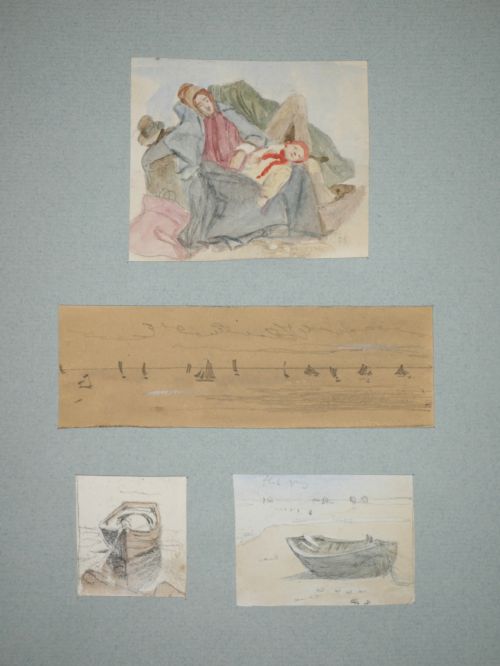
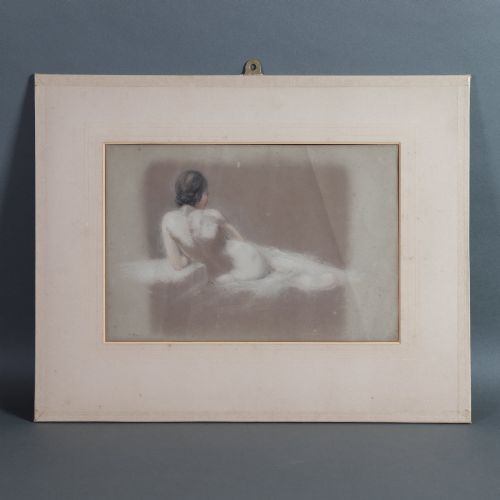
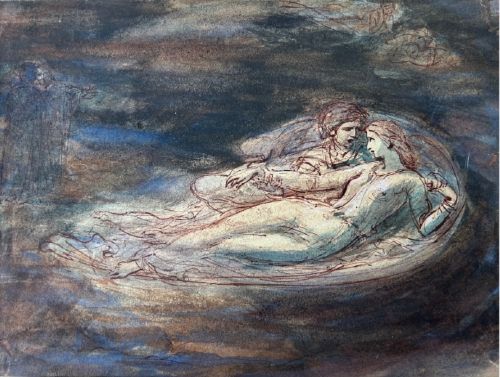
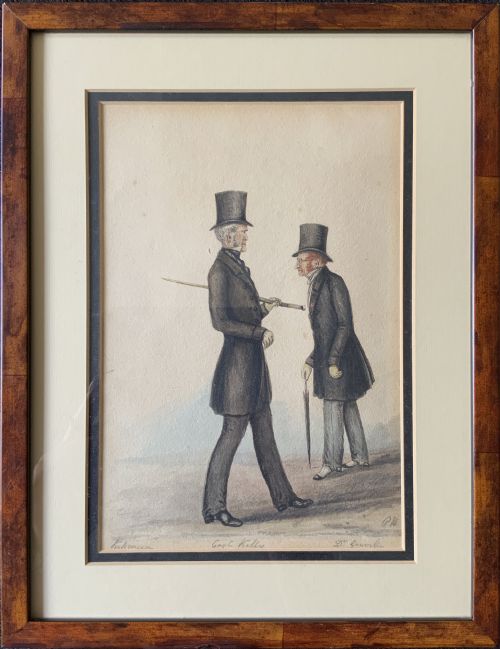
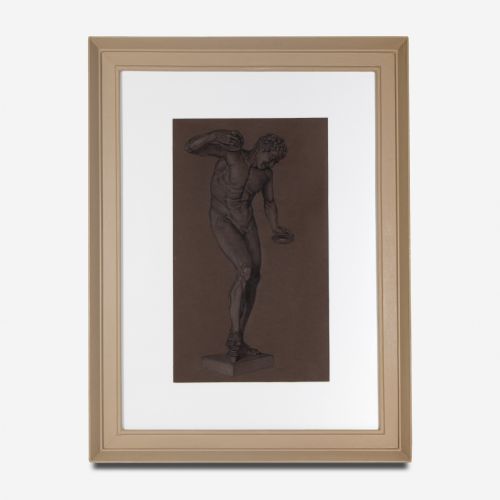
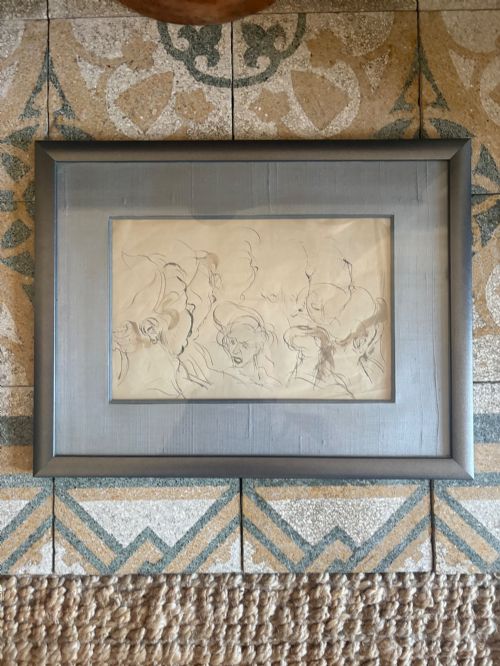
A 19th century figure sketch comprises works on paper created across the 19th century, utilising mediums such as graphite, charcoal, ink, and watercolour. These pieces range from rapid preparatory studies of nudes and theatrical characters to finished portrait drawings.
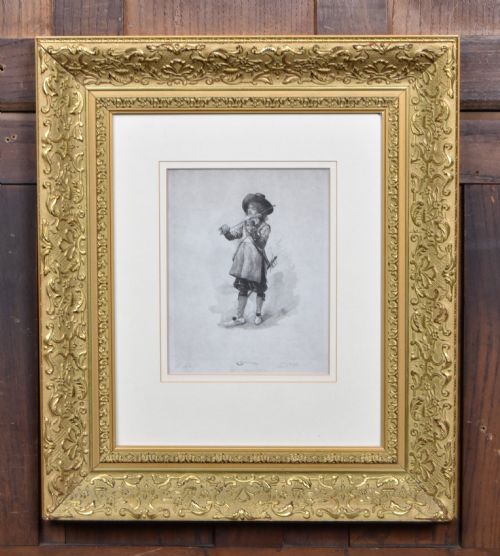
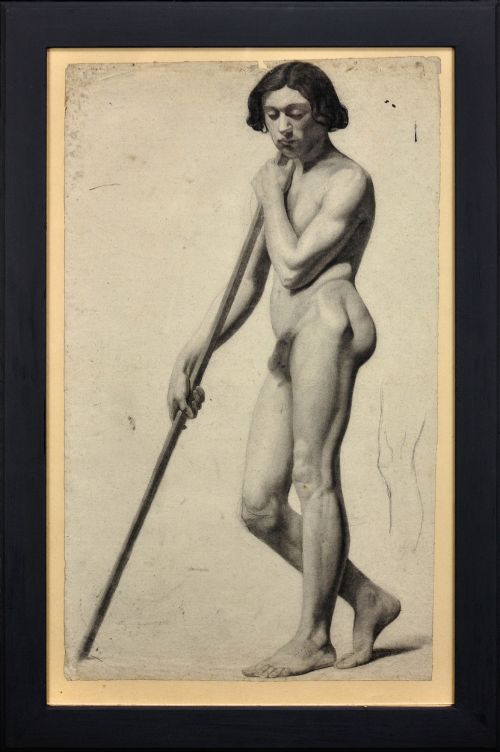
Buyers frequently encounter academic life studies of male and female models alongside narrative sketches reflecting Victorian, Pre-Raphaelite, and Romantic aesthetics. Works span English and French schools, capturing figures in moments of action, rest, or theatrical performance.
Framed artwork and original drawings form the majority of available pieces, presented either in graphite, pen and wash, or mixed media. Collectors select these items for their direct insight into nineteenth-century draughtsmanship and artistic training.
Materials and Technique
Artists executed these works on paper using dry mediums like graphite, chalk, and charcoal, or wet applications including ink, wash, and watercolour. Paper provided an accessible, flexible surface for capturing rapid gestures and anatomical proportions during life drawing sessions.
Academic instruction emphasised precise line work and tonal modelling, often combining graphite with white chalk highlights to achieve depth. Pen and ink washes offered a swift method for establishing shadow and movement in preparatory studies before oil painting.
Listings feature works created in paper, graphite, charcoal, chalk, ink, and watercolour across the nineteenth century.
Evaluating Execution
Quality rests upon the confidence of the line and the accuracy of anatomical rendering, distinguishing hurried exercises from masterly academic studies. Confident hatching and subtle tonal gradations separate superior draughtsmanship from rigid or hesitant compositions.
The sophistication of the sitter's expression and the economy of marks define the upper tier of these works. A skilled hand conveys character and weight with minimal strokes, whereas lesser examples rely on heavy outlines and overworked shadows.
James Smetham·William Etty·Henry Arthur Roberts·Alfred Dehodencq·William Edward Frost·George Richmond
The 19th Century Figure Sketch Glossary
- Academic realism
- A style of painting and drawing produced under the influence of European academies of art. It prioritises precise anatomical accuracy, classical proportions, and rigorous life studies.
- Wash
- A thin layer of translucent diluted ink or watercolour applied to paper. Artists use this technique to establish rapid tonal depth and shadow behind linear sketches.
- Preparatory study
- A preliminary drawing or sketch made to plan a larger finished painting or sculpture. These works record the artist's initial compositional thoughts and anatomical investigations.
- Mixed media
- An artwork utilising more than one medium on the support surface. Examples include combinations of graphite, chalk, ink, and watercolour within a single sheet.
19th Century Figure Sketch: Frequently Asked Questions
What is a 19th century figure sketch?
It is an original work on paper from the nineteenth century depicting human subjects, ranging from rapid academic life studies to detailed portrait drawings.
These pieces were created using materials such as graphite, charcoal, ink, and watercolour by artists working within various European schools.
How were figure sketches used?
Artists produced these drawings as anatomical exercises during academic training or as preparatory studies for larger oil paintings and historical compositions.
They also served as independent portraits and narrative illustrations capturing theatrical figures, everyday scenes, and literary subjects.
How do I frame antique drawings?
Protect works on paper by using acid-free mount boards and conservation-grade framing materials to prevent discolouration and degradation over time.
Display them away from direct sunlight to safeguard delicate watercolours, inks, and charcoal from fading.
How are art periods identified?
Periods are determined by examining the stylistic characteristics, costume details, handling of materials, and framing context associated with nineteenth-century schools.
Signatures, inscriptions, and artist biographies provide further evidence for dating individual sheets.