




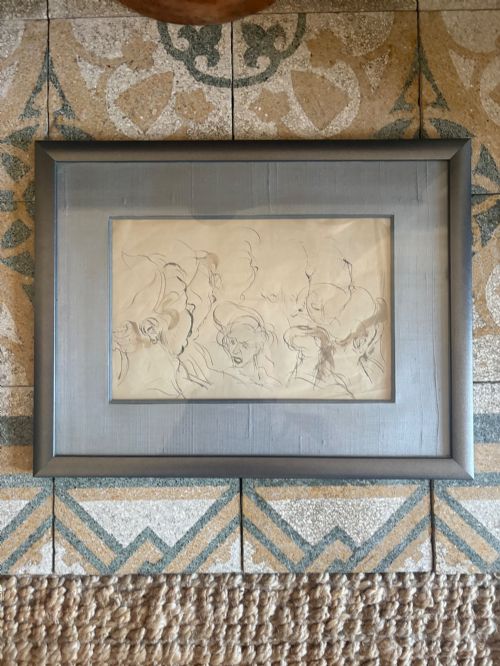

Antique French Figure Study
When you search for an antique french figure study, you are exploring the foundational exercises and preparatory works of European draughtsmen and sculptors.
Antique French Figure Study
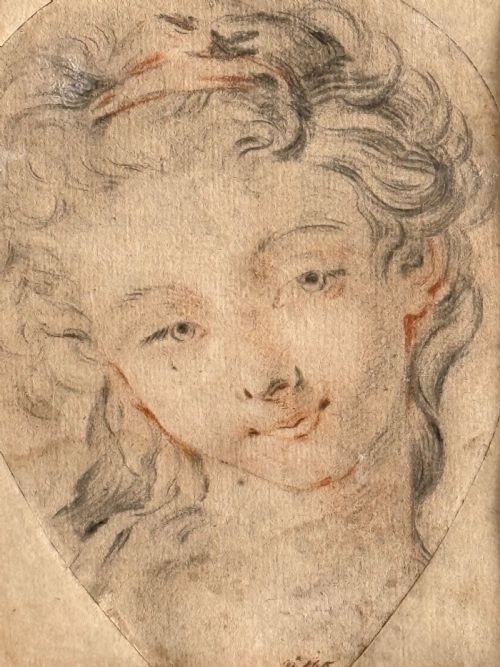
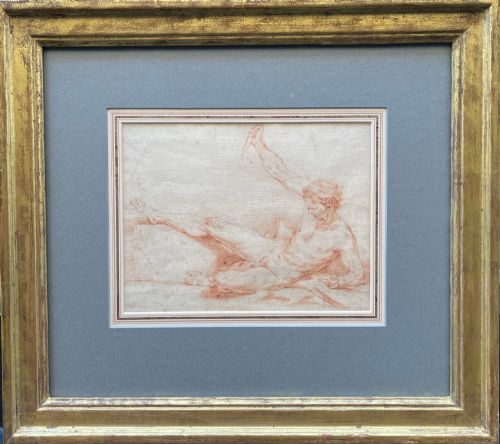
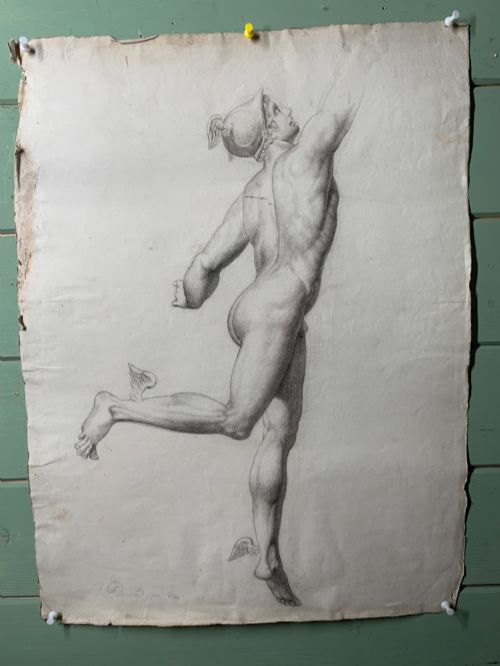
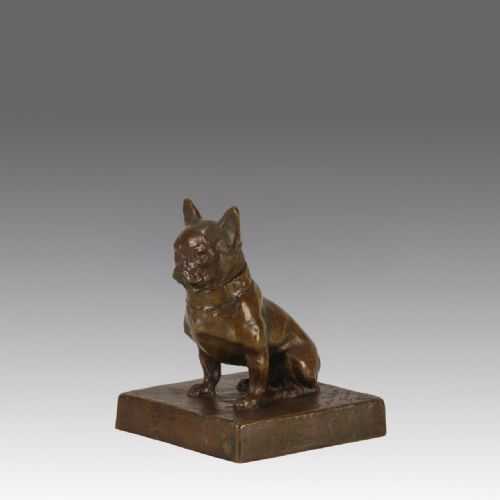
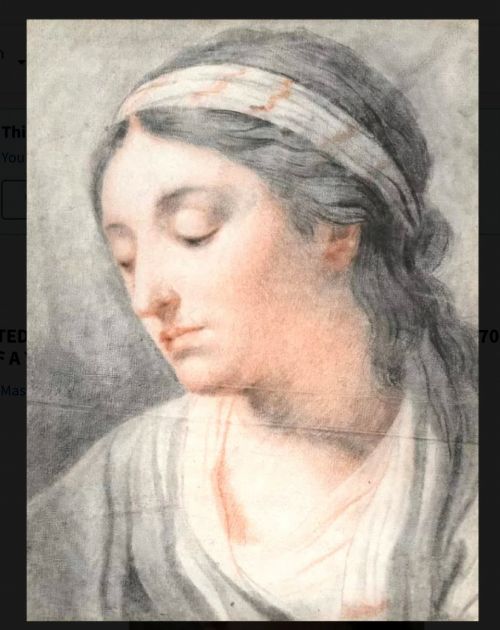
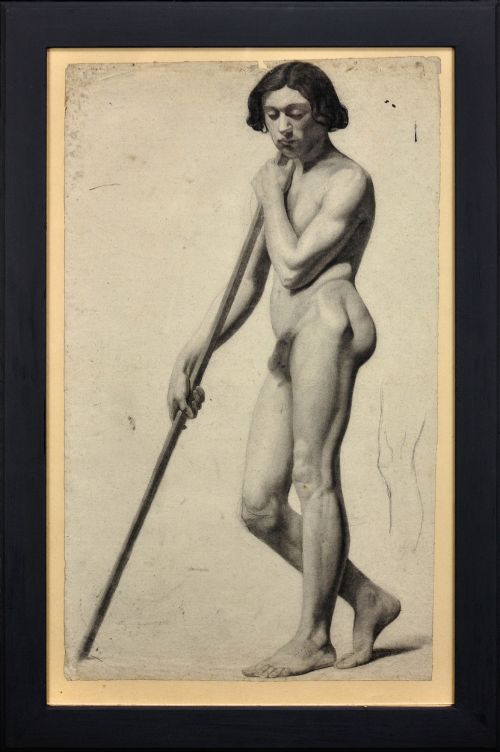
An antique french figure study captures the human form or animal anatomy through preparatory sketches, academic life drawings, and finished bronze models. These works range from rigorous pencil and chalk renderings created for academy submissions to expressive oil paintings and animalier bronzes produced across the eighteenth, nineteenth, and early twentieth centuries.
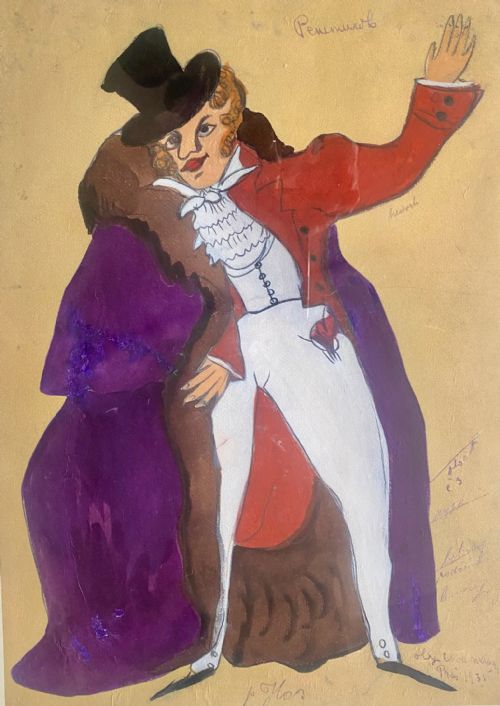
The most common examples on this page are nineteenth-century academic drawings on paper and patinated bronze sculptures depicting mythological figures, anatomical subjects, and portraits. Pieces often reflect prevailing academic tenets or the transition towards avant-garde movements like cubism and fauvism by the nineteen-twenties.
Materials and methods
Draftsmen utilised paper, graphite, charcoal, chalk, and ink to record contour and shadow, often employing techniques such as deux crayon for tonal depth. These works frequently served as preparatory steps for larger paintings or grand prix submissions.
Sculptors worked in bronze, terracotta, and marble, utilising lost-wax casting methods or direct modelling to capture texture, musculature, and movement. Ormolu mounts and patinated surfaces added refined finishing touches to cast metal pieces.
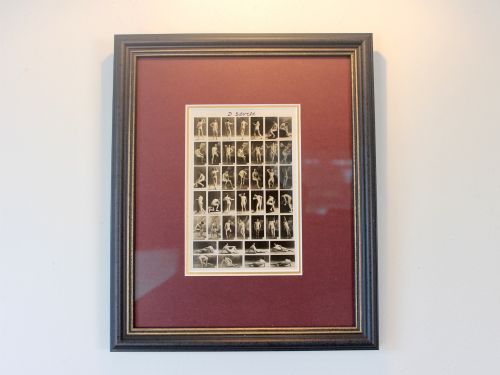
Listings feature works spanning from the eighteenth century through the nineteen-twenties, encompassing academic life drawings, photographic contact sheets, and patinated bronzes.
Assessing quality
Quality rests upon the precision of the draughtsmanship and the crispness of the bronze cast, where finer works display anatomical accuracy and delicate handling of light and shadow. Superior drawings capture gesture and proportion with economy of line, while exceptional sculptures preserve the subtle details of the modeller's original hand.
Provenance and association with recognised academic schools or named artists elevate a piece, distinguishing standard workshop exercises from master studies executed within historic French ateliers.
Francois Boucher·Dora Heber·Alfred Dubucand·Henry Arthur Roberts·Demetrios Galanis·Hector Lemaire·Jean Jules Salmson·A L Barye·Emmanuel Villanis·Louis Riche·Marcel Debut
The Antique French Figure Study Glossary
- Academic Realism
- A style of painting and sculpture produced under the influence of European academies of art, emphasising traditional techniques, idealized forms, and rigorous study from life.
- Animalier
- A nineteenth-century artistic genre focused on the realistic depiction of animals, frequently realised in cast bronze.
- Deux crayon
- A drawing technique using two coloured chalks or pencils, typically black and white or red and black, on tinted paper to create highlights and shadows.
- Grand Prix de Rome
- A prestigious French scholarship for arts students, requiring rigorous preparatory submissions including detailed figure studies.
- Patination
- The process by which a chemical treatment, age, or exposure alters the surface colour of bronze and other metals.
Antique French Figure Study: Frequently Asked Questions
What is a figure study?
A figure study is an artwork created to examine the shape, posture, and anatomy of a human or animal subject. These pieces served as practice exercises or preparatory steps for larger, more complex compositions.
Artists used various mediums such as charcoal, pencil, and bronze to understand movement and form before incorporating them into final paintings or sculptures.
How do I date these works?
Dating relies on stylistic markers, materials, and signatures or inscriptions left by the artist. Academic drawings often bear stamps or academic submission dates from specific nineteenth-century periods.
Bronze sculptures utilise foundry marks, patination styles, and signature conventions that correspond to specific decades of production, particularly across the nineteenth and early twentieth centuries.
Where were these pieces made?
These works originated predominantly in France, associated with Parisian art schools, academies, and private studios. Many reflect the teachings of institutions like the Ecole des Beaux-Arts.
Artists gathered in these French workshops to draw from live models and cast sculptures that would be submitted for salon exhibitions or academic prizes.
How should I display drawings?
Drawings on paper require conservation framing with UV-protective glass to prevent fading from natural light. Keeping them away from direct sunlight preserves the delicate graphite, chalk, and ink mediums.
Displaying them in stable indoor environments protects the paper substrate from humidity fluctuations and degradation over time.