
Framed Sketch
A framed antique sketch brings immediate intimacy to a wall, offering direct access to the artist's hand before a painting reaches its final canvas.
Framed Sketch
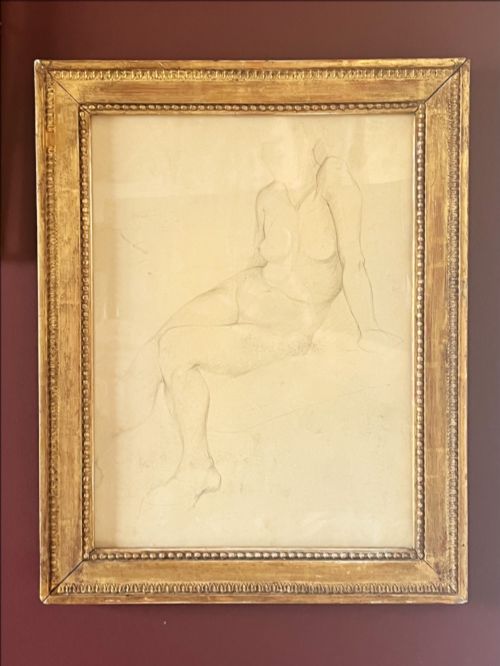
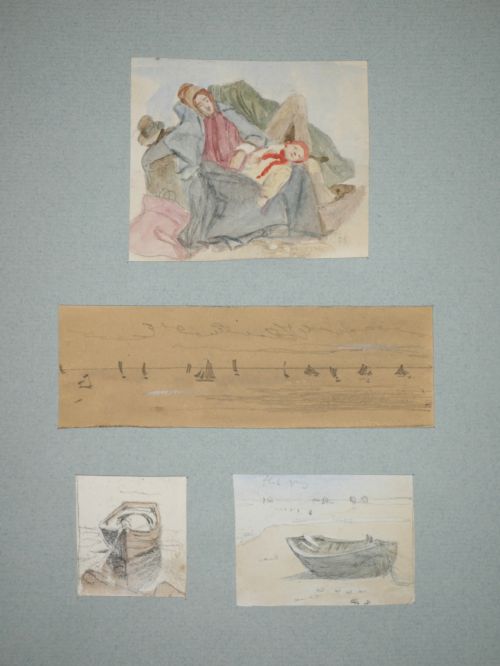
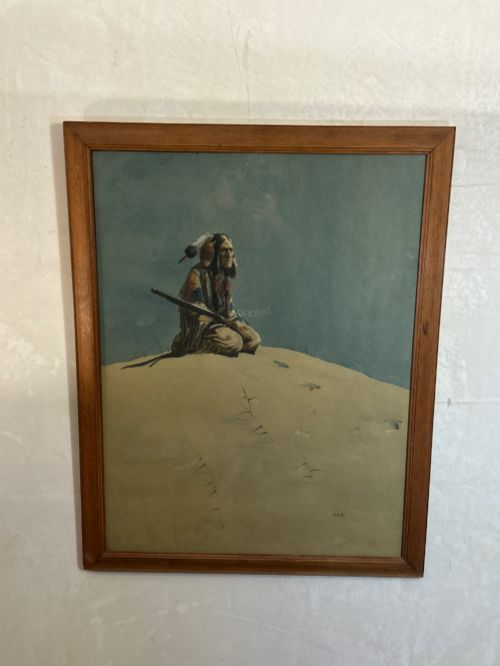
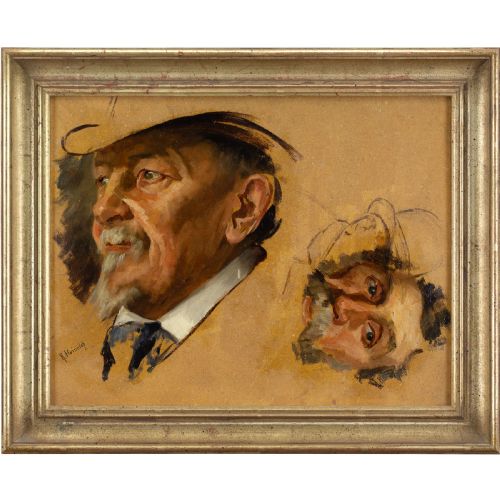
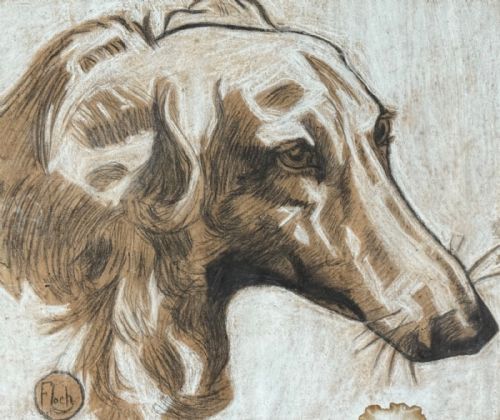
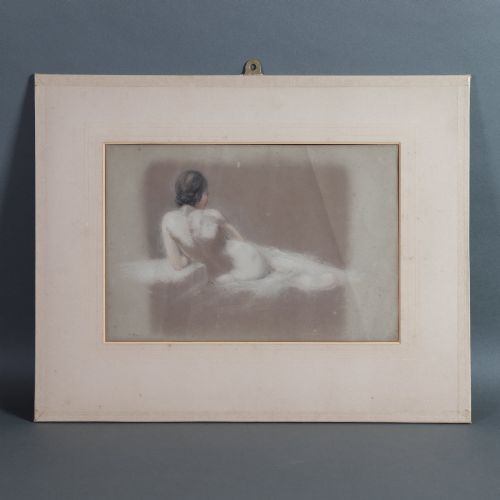
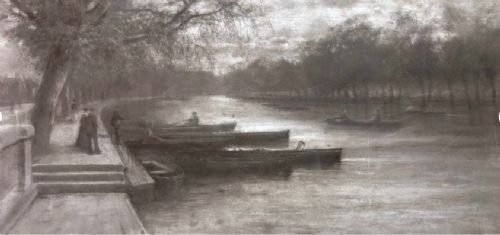
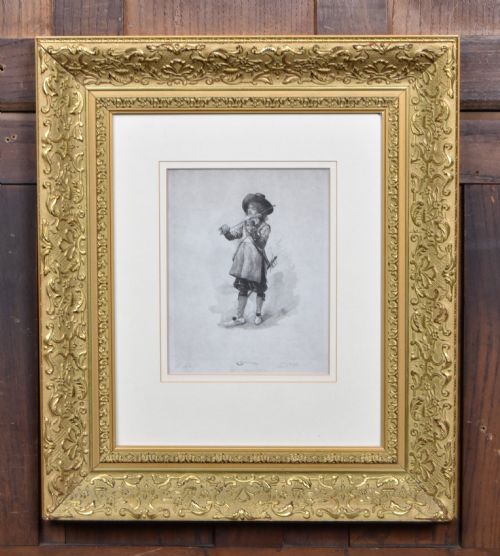
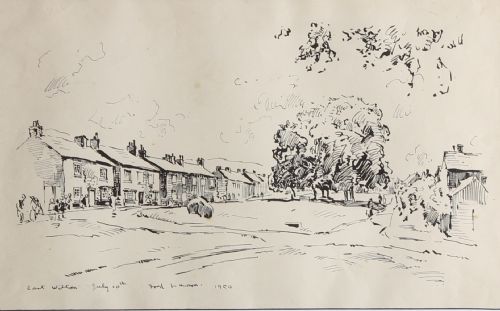
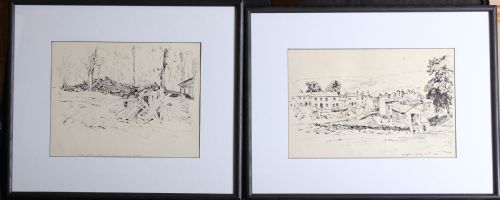
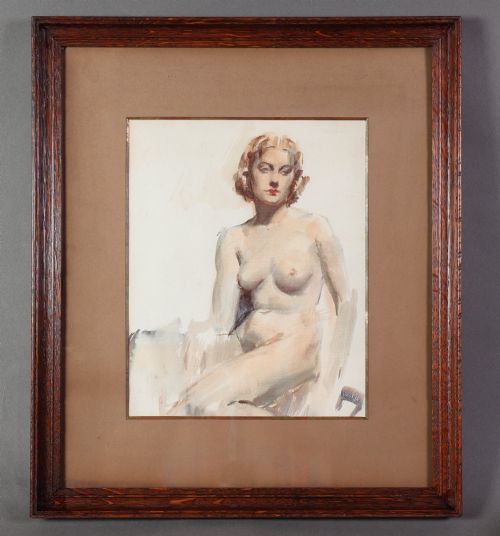
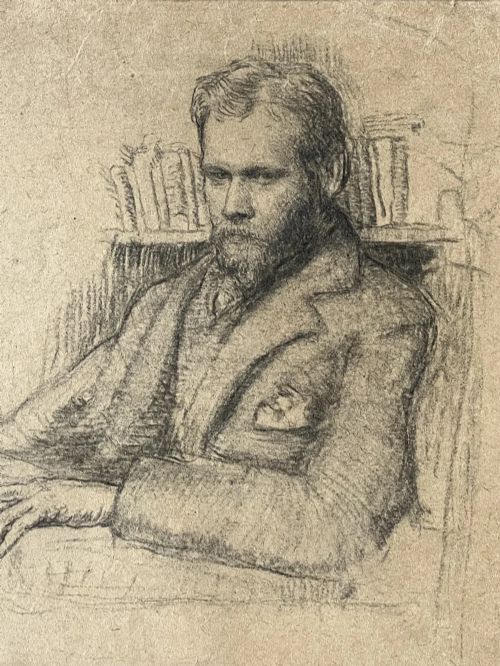
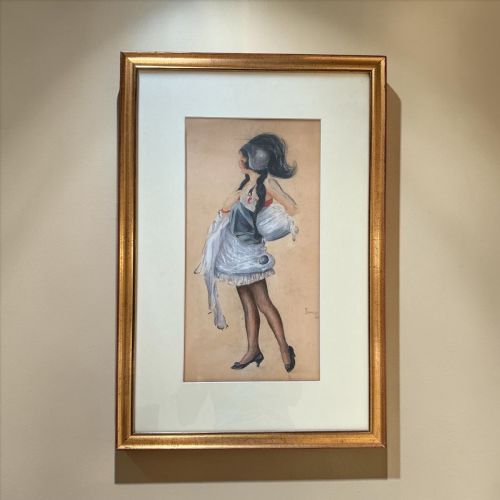
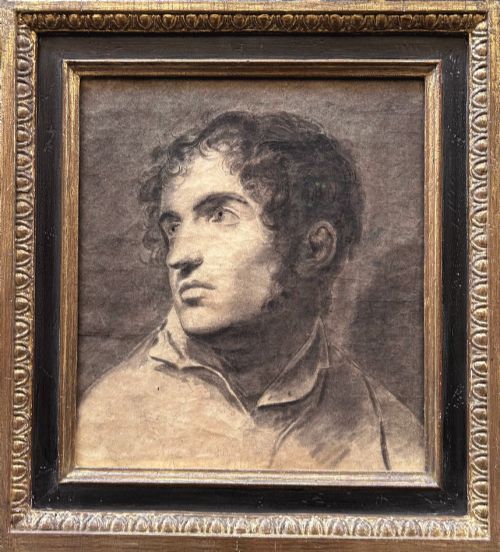
A framed antique sketch encompasses works on paper executed in media such as charcoal, graphite, ink, watercolour, and gouache, often mounted behind glass in period timber or gilt frames. These pieces range from rapid life studies and landscape views to detailed portrait drawings created across the eighteenth, nineteenth, and early twentieth centuries.
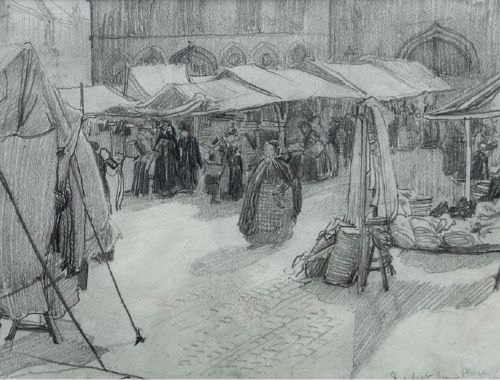
Buyers encountering this selection will find a prevalence of nineteenth-century academic and Victorian examples, alongside Georgian studies and early twentieth-century works. These drawings frequently record preparatory thoughts for larger paintings or capture spontaneous observations of people, architecture, and landscape.
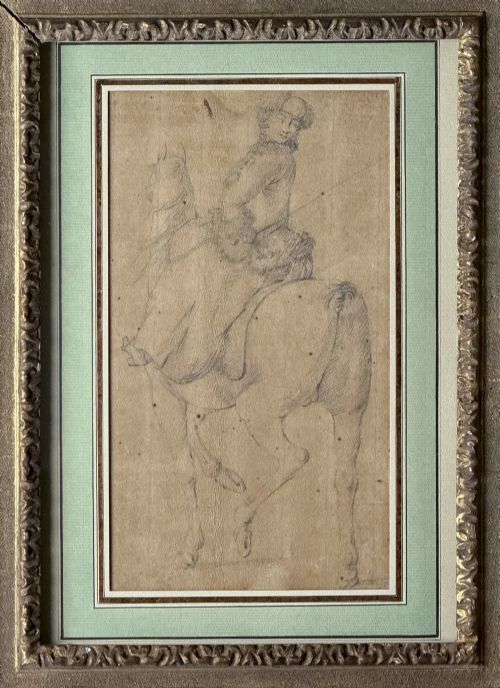
The objects span formal portraiture, equestrian and architectural studies, and wartime portrait sketches, reflecting the varied domestic and studio purposes of works on paper from past centuries. Each piece preserves a direct trace of historical draughtsmanship, anchored in the materials of its period.
Materials and technique
These works rely on traditional supports of paper, sometimes buff-coloured or tinted, combined with dry media like graphite, charcoal, and pastel, or wet media including ink wash, gouache, and watercolour. Artists applied these materials with varying degrees of finish, from swift contour lines to heavily worked chiaroscuro effects.
Protection and presentation are achieved through historic framing methods, enclosing the delicate paper behind glass within wood or gilt moulding. This combination of fragile works on paper and period framing preserves the integrity of the original surface against dust and handling.
Listings feature works spanning the eighteenth, nineteenth, and twentieth centuries, employing media from simple graphite to mixed gouache on paper.
The spectrum of quality
Quality in these works rests upon the confidence and economy of the draughtsman's line, where sureness of execution distinguishes a masterly study from a tentative exercise. The vitality of a portrait or landscape depends on how effectively the artist captures form and expression with minimal hesitation.
The harmony between the drawing and its period frame further influences the standing of a piece, as well-matched original glazing and mouldings enhance the historical context of the artwork. Preservation of the paper surface, free from excessive fading or acidic browning, maintains the visual clarity intended by the maker.
Henry Percy Huggill·James Smetham·John Hassall·Robert Heinrich·William Etty·Augustus John·Hyacinthe Colin de Vermont·Peter Lely·Henri Charles Angéniol·Frédéric Chopin·Ludwig van Beethoven·Johannes Brahms·Michael Healy·Henry Arthur Roberts·Cecil Charles Windsor Aldin·Leopold Halvoet·Princess Alice Maud Mary·Richard Beavis
The Framed Sketch Glossary
- Gouache
- An opaque watercolour paint that includes a white pigment binder, producing a dense, flat colour surface often used to add highlights to drawings.
- Chiaroscuro
- The treatment of light and shade in a drawing, creating spatial depth and volume through strong contrasts between illuminated areas and deep shadow.
- Wash
- A thin, transparent layer of diluted ink or watercolour applied with a brush to create tonal depth or background shading in a sketch.
- Buff paper
- A pale brownish-yellow paper stock frequently utilised in the nineteenth century for sketches, providing a neutral mid-tone base for white highlights.
- Life study
- A drawing executed directly from a live model, serving as a fundamental exercise in academic training and anatomical observation.
Framed Sketch: Frequently Asked Questions
What is the difference between a sketch and a finished painting?
A sketch is generally a preparatory or exploratory work focused on capturing form, composition, or light quickly, often utilising dry media like pencil or charcoal on paper.
Finished paintings typically involve layered pigments on canvas or panel with complete tonal development, whereas sketches retain a spontaneous quality that reveals the artist's working process.
How should I hang antique drawings on paper?
Works on paper require careful placement away from direct sunlight and excessive humidity to prevent the paper from fading, yellowing, or developing mould under the glass.
Using stable wall fixings suited to the weight of antique wood and gilt frames ensures the piece hangs securely without straining the historic structure.
Can I determine the date of an unsigned sketch?
Dating an unsigned work relies on examining the watermark and type of the paper, the specific styling of the framing, and the drawing materials utilised.
Stylistic conventions of costume, hairstyle, and draughtsmanship often provide a reliable window into the period in which the artist worked.
Why are many antique sketches portraits?
Portraiture served as the primary method for recording likenesses, documenting family members, and practicing academic observation before the widespread adoption of photography.
Artists frequently executed quick portrait studies to capture transient expressions or as preliminary steps for larger oil paintings commissioned by patrons.