
19th Century Child Portrait
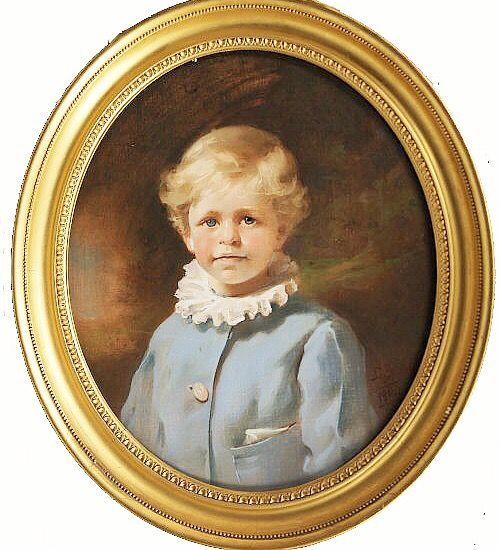
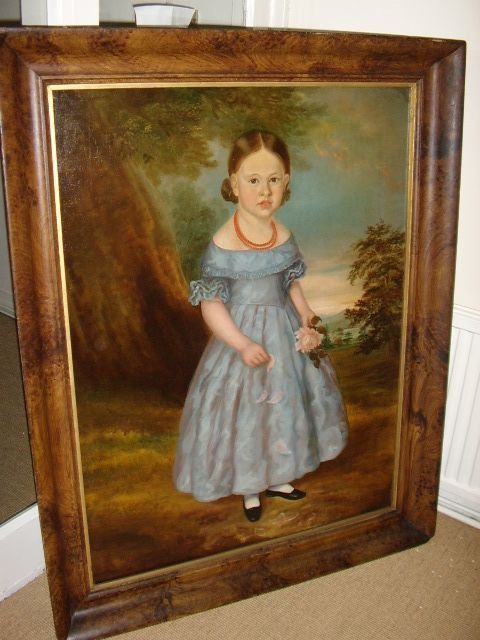
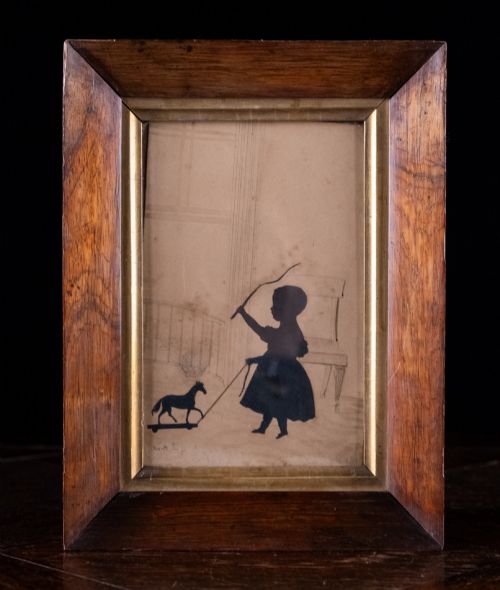
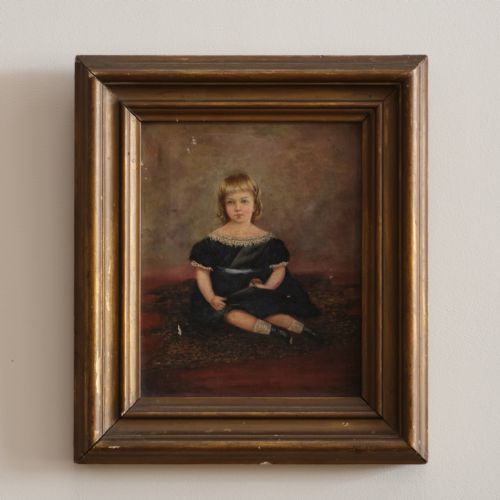
A 19th century child portrait captures youth through oil, watercolour, silhouette, and pencil, offering a direct glimpse into historical domestic life.
19th Century Child Portrait
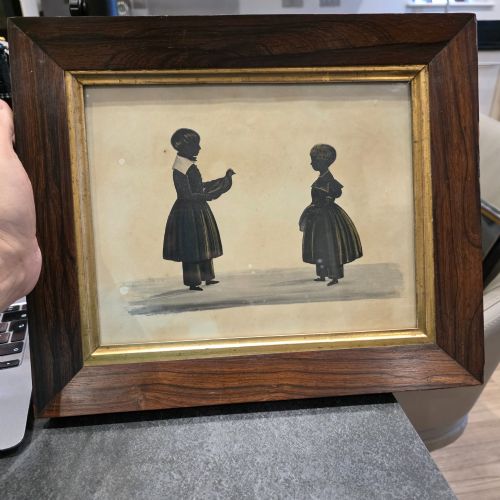
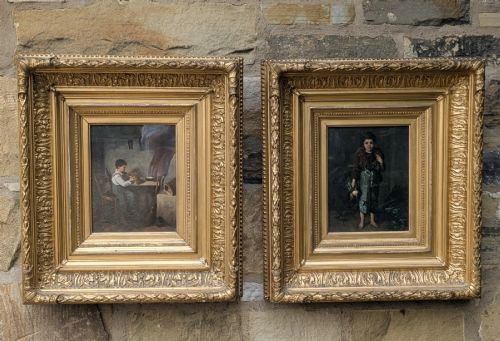
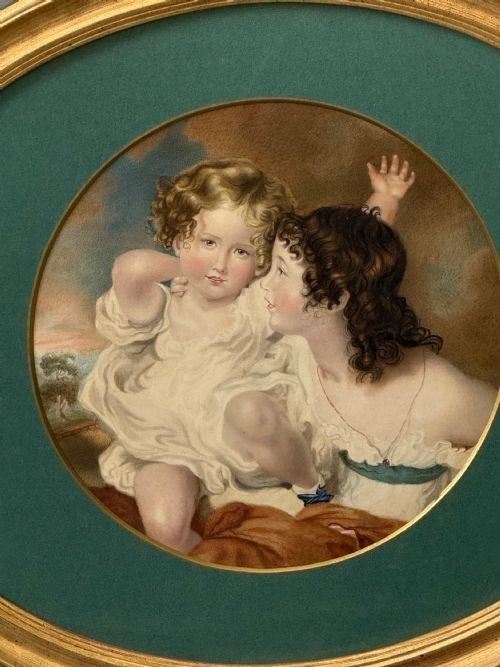
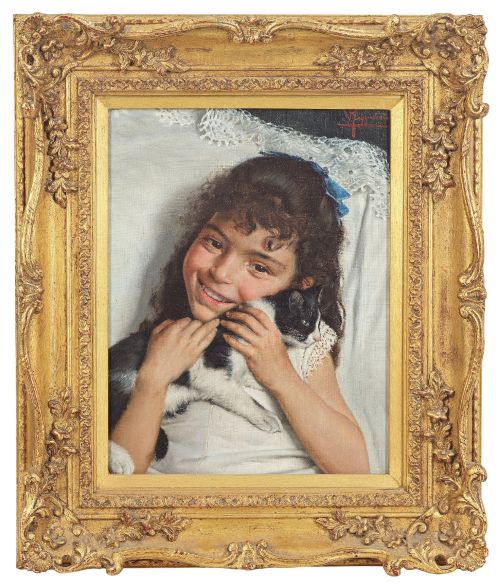
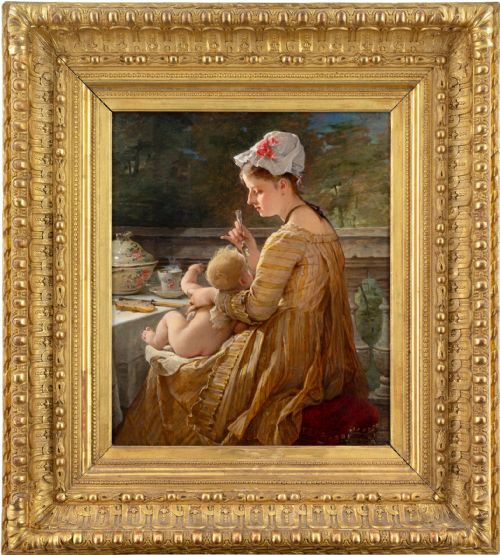
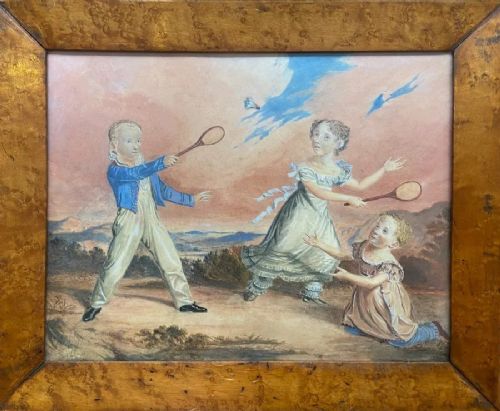
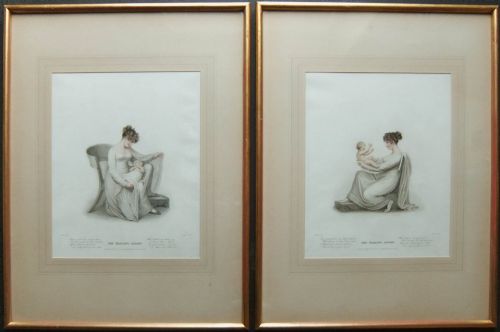
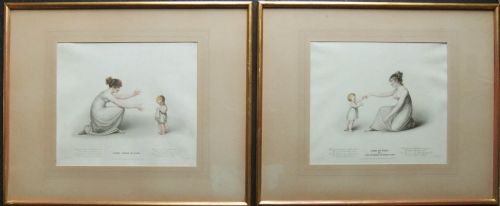
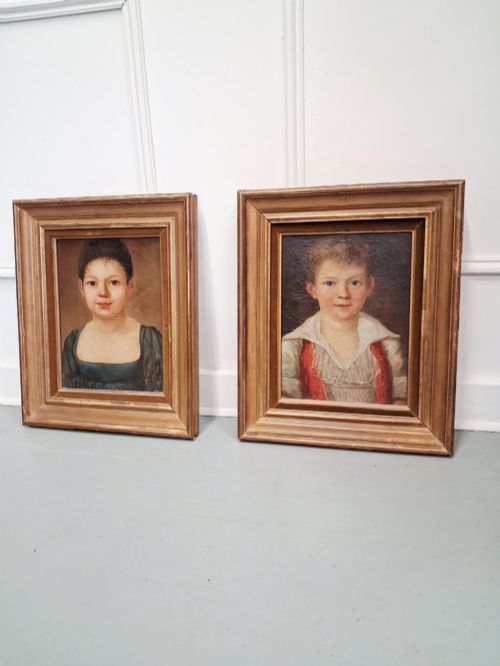
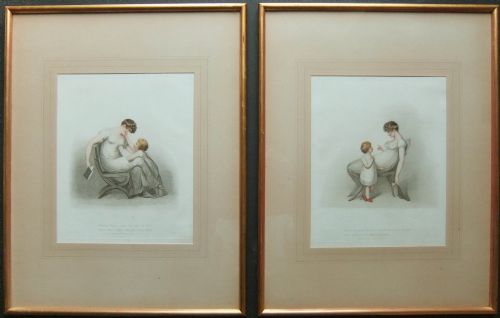
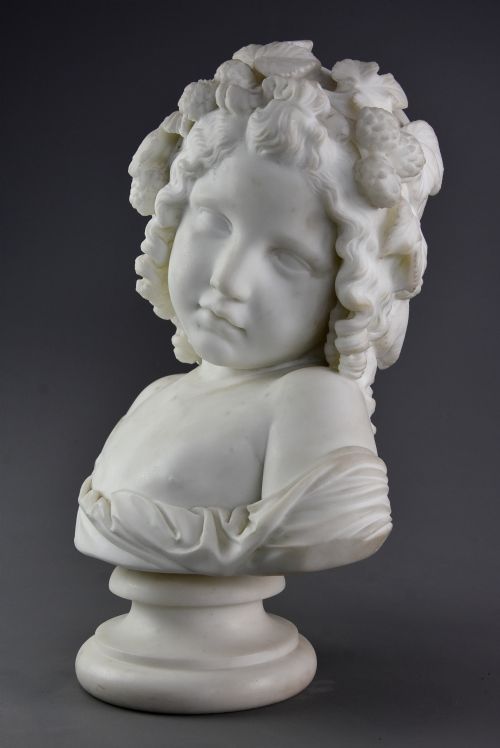
A 19th century child portrait encompasses diverse formats including oil paintings, delicate watercolours, graphite drawings, silhouettes, and marble busts. These works frequently depict single subjects, sibling pairs, or family groups within domestic and pastoral settings, reflecting the social attitudes of their era.
The aesthetic ranges from highly finished academic works in the manner of established artists to charming examples of Victorian folk art and provincial naive painting. Such diversity allows collectors to select pieces spanning early Georgian restraint through to late Victorian sentimentality.
Materials and Technique
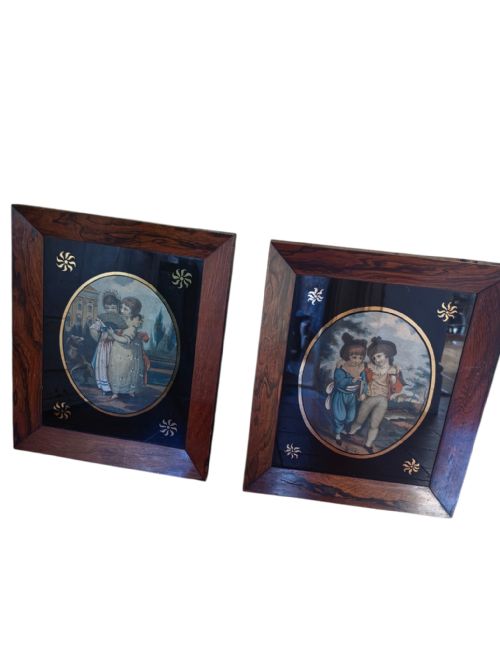
Artists relied primarily on oil on canvas, watercolour on paper, and graphite or pencil for sketches, often encasing finished works in period frames of rosewood, ebonised wood, or gilded leaf. Sculptural representations utilised carved Carrara marble to achieve smooth, lifelike renderings of young subjects.
Techniques varied from the precise, polished realism seen in academic commissions to the direct, unpretentious marks characteristic of naive and folk art traditions. Miniature portraits employed fine watercolours on paper or ivory, demanding exceptional control and minute detail.
Surviving subjects frequently hold cherished items including birds, books, and pets, capturing domestic life across the nineteenth century.
Evaluating Execution
Quality rests upon the artist's ability to render anatomical proportion, facial expression, and psychological depth convincingly, separating masterworks from provincial workshop pieces. The handling of light, drapery texture, and background detail further distinguishes superior examples.
Condition plays a vital role, preserving original surfaces without aggressive cleaning or overpainting, alongside the presence of period-appropriate framing such as rosewood or gilt moulding that complements the artwork.
Vittorio Reggianini·Leon Sprinck·Augustin Edouart·Adelaïde Salles-Wagner·Henry Travis·Adam Buck·Charles Hunt·Frederick Tatham·Evaristo Cappelli·William Egley
The 19th Century Child Portrait Glossary
- Naive art
- Artwork created by artists without formal academic training, characterised by charming perspective and direct expression.
- Silhouette
- A portrait cut from black paper or painted in solid profile, popular for capturing likenesses swiftly before photography.
- Portrait miniature
- A small, highly detailed painting executed on a reduced scale, frequently framed in ebonised wood with brass bezels.
- Oleograph
- A mechanical colour print textured to imitate an oil painting, emerging in the nineteenth century for popular distribution.
- Provincial school
- Art produced outside metropolitan artistic centres by regional painters working within local traditions.
19th Century Child Portrait: Frequently Asked Questions
What materials were used for these portraits?
Artists worked with oil paint on canvas, transparent watercolours on paper, graphite pencils, and carved Carrara marble. Supporting structures typically include wooden stretchers and heavy gilt, rosewood, or ebonised frames.
Framing materials often reflect the specific decade of production, with Regency ebonised profiles and Victorian gilt mouldings offering distinct chronological clues to discerning collectors.
How do I distinguish academic work from folk art?
Academic pieces demonstrate formal training through accurate human anatomy, sophisticated perspective, and subtle tonal graduation. They often follow prevailing artistic conventions of the period.
Folk art and naive examples prioritise expressive charm and directness over strict anatomical precision, featuring flattened perspectives and simplified backgrounds that highlight local provincial traditions.
Were these painted from life?
Many professional commissions required long sittings from young subjects, though artists frequently utilised preparatory pencil sketches or early photographic references as the century progressed. Miniature watercolours and silhouettes were often completed within rapid single sessions.
Children were notoriously difficult subjects to keep still, leading artists to incorporate pets, toys, or books into the composition to hold their attention.
How should I care for a paper watercolour?
Watercolours and pencil drawings require protection from direct sunlight to prevent the fading of fugitive pigments on paper. Archival framing with acid-free mounts ensures longevity.
Maintaining stable indoor humidity prevents paper cockling and guards against foxing spots caused by damp conditions over decades of existence.