


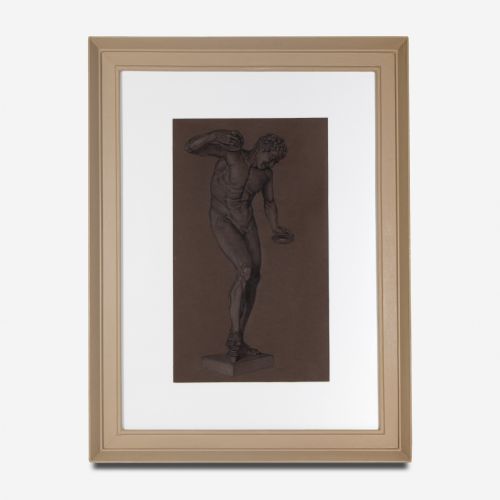


19th Century Pencil Artwork
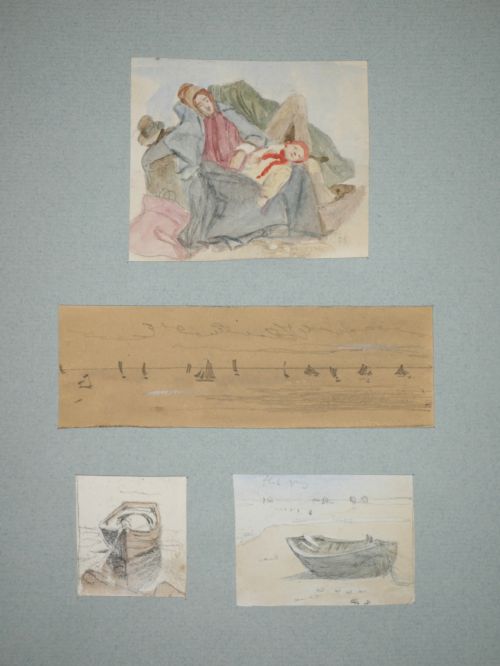
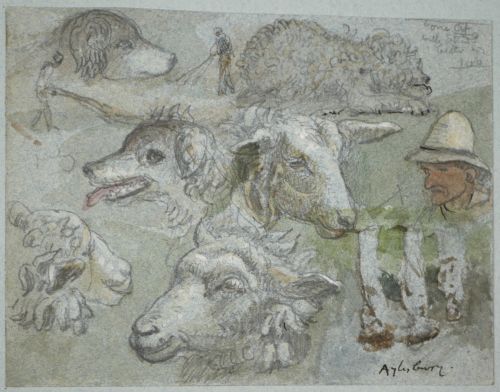
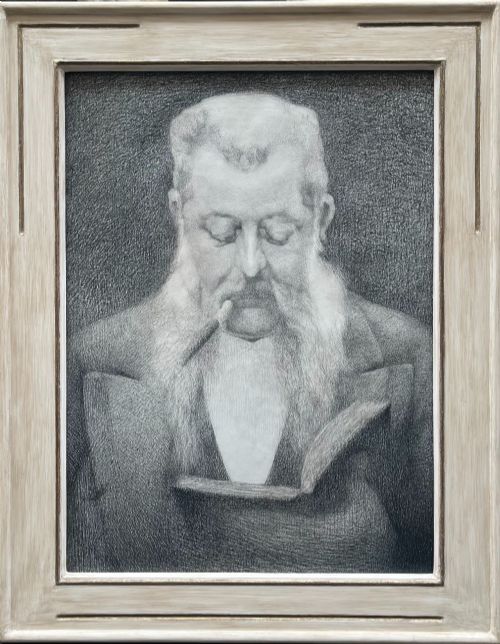
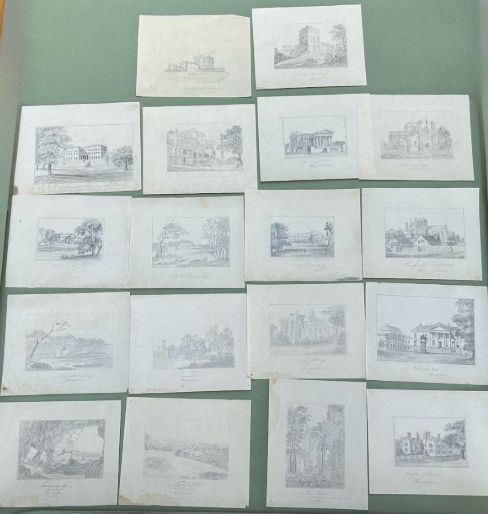
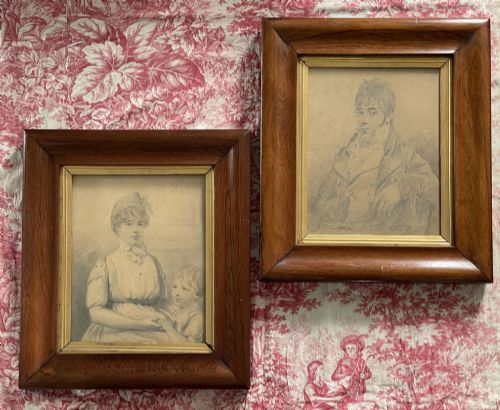
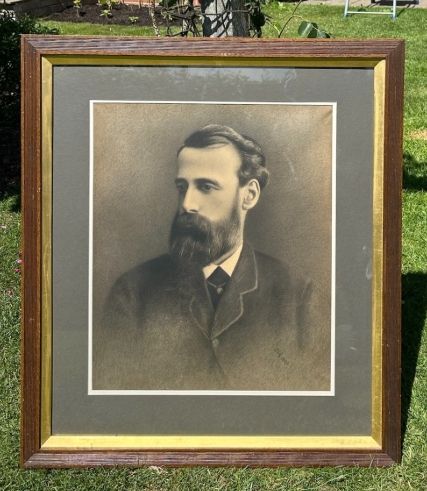
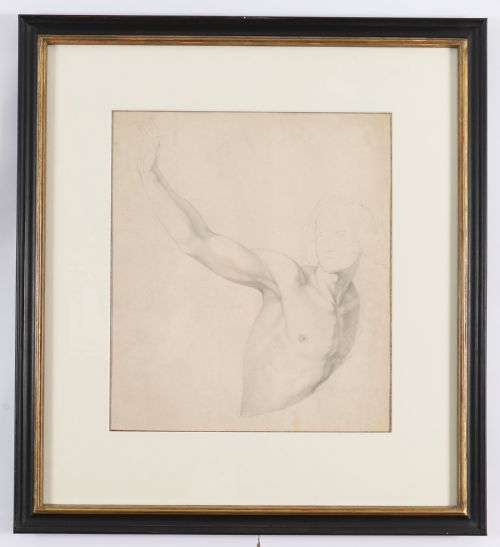
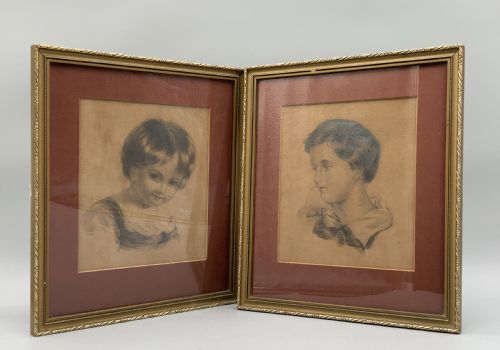
These 19th century pencil artwork pieces capture faces, landscapes and quiet domestic scenes through precise graphite lines on paper.
19th Century Pencil Artwork
Buyers seeking 19th century pencil artwork encounter framed drawings, portrait studies and landscape sketches created during the Victorian, Regency and Georgian periods. The selection on this page leans heavily toward original graphite works on paper, frequently accompanied by watercolour, chalk or wash.
Subjects range from botanical studies and architectural buildings to figurative portraits and allegorical scenes. Works span the entire century, including early Regency sketches and late Victorian academic pieces.
Most items appear as individual framed drawings or matched pairs, whilst multi-part sets provide comprehensive studies of landscapes or figures by regional and continental schools.
Materials and technique
Artists relied primarily on graphite pencil applied to various grades of paper, often combining charcoal, chalk or gouache to build contrast and depth. Many sheets incorporate delicate watercolour washes alongside the pencil line to tint portraits and botanical subjects.
Frames typically consist of wood and glass to protect the fragile paper surface from atmospheric moisture and handling damage.
Listings feature works spanning the Regency, Victorian and late 19th-century periods, created using graphite, charcoal, watercolour and paper.
Judging quality in pencil work
Quality rests upon the precision of the draughtsmanship, the expressive handling of tone, and the condition of the paper surface. Stronger examples display confident anatomical structure, clear details in portraiture, and clean paper free from heavy foxing.
Attribution to a recorded artist or a documented school elevates a piece, whilst signed sheets or dated studies offer clearer historical context than unsigned or later copies.
James Smetham·Robert Richard Scanlan·Sir Francis Leggatt Chantrey·George Perfect Harding·Theobald Chartran·Baden Powell·Sir William Charles Ross·Cecil CP Lawson
The 19th Century Pencil Artwork Glossary
- Graphite
- A form of carbon used as the core in pencils. It produces grey to black marks that vary in tone depending on the hardness of the lead.
- Grisaille
- A painting or drawing executed entirely in shades of grey or neutral monochrome. This technique often mimics the appearance of sculpture or relief carvings.
- Wash
- A thin, transparent layer of diluted watercolour or ink applied with a brush. It creates smooth background tones or shadows behind pencil lines.
- Foxing
- Brown spots and discolouration that develop on old paper due to chemical reactions over time. It appears frequently in works from this era.
- Academic Realism
- A style of painting and drawing produced under the influence of European academies of art. It emphasises precise anatomical accuracy and classical proportions.
19th Century Pencil Artwork: Frequently Asked Questions
How should I frame antique drawings?
Protect the paper behind glass with acid-free mounts to prevent direct contact with the glazing. Keep framed works away from direct sunlight to stop the graphite and paper from fading.
Ensure the backing board is also archival quality to maintain the stability of the sheet over time.
Were these drawings meant as finished pieces?
Many 19th century pencil works served as preparatory studies for larger oil paintings or watercolours. Others were created as finished portraits and standalone landscapes for private collectors.
Signatures, dates and detailed composition often indicate whether a sheet was intended as an independent artwork.
How do I identify a Regency sketch?
Regency era works generally date from the early decades of the century, showing distinct clothing, hairstyles and portrait styles of that period. The paper and framing methods often match the technology of the 1810s and 1820s.
Signatures or contemporary inscriptions on the reverse of the paper frequently help confirm the date.
What is the difference between pencil and graphite?
Pencil is the writing implement itself, whilst graphite is the specific mineral material contained within the core. Antique drawings referred to as pencil artwork almost universally utilise graphite leads.
Artists sometimes combined graphite with charcoal or chalk to achieve darker shadows and varied textures.