

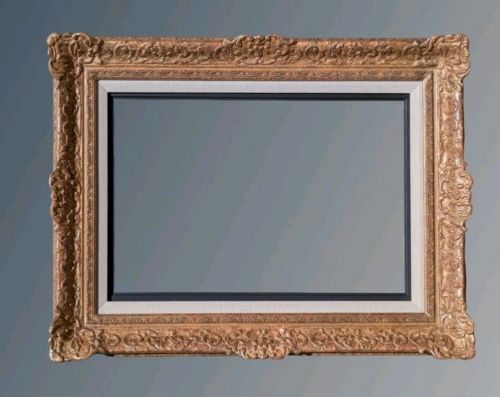


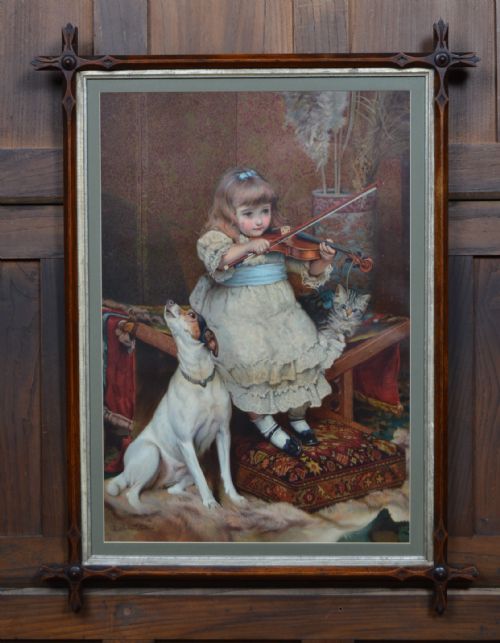
Gilt Slip Picture Frame
These gilt slip picture frame options bring warmth and depth to walls, using narrow gilded inner borders to draw the eye cleanly into oil paintings, watercolours and engravings.
Gilt Slip Picture Frame
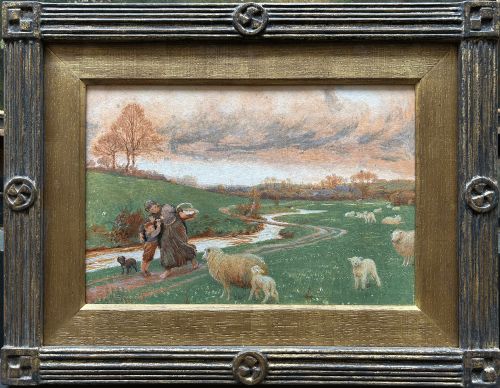
A gilt slip picture frame centres around a narrow inner moulding finished in gold leaf or gilt wood, which sits between the outer frame and the artwork itself. When you search for a gilt slip picture frame, you encounter pieces spanning the Regency, Victorian and Edwardian periods, housing everything from delicate pencil sketches to robust oil paintings on canvas.
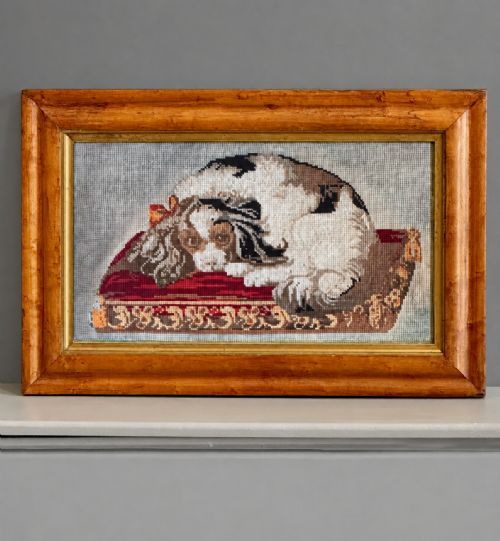
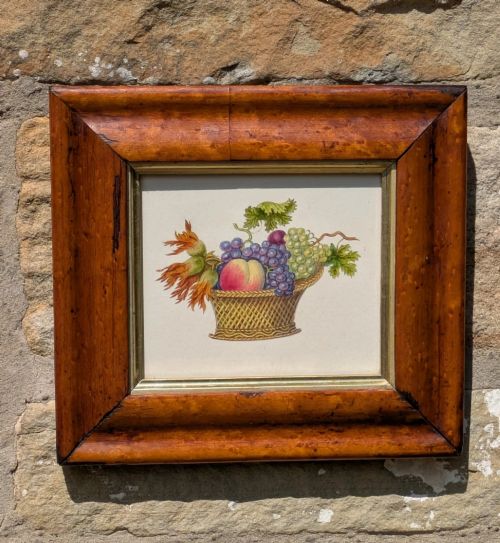
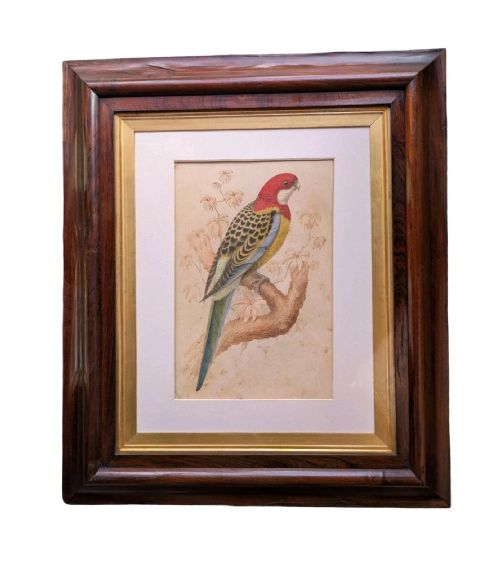
The slip acts as a visual buffer, preventing darker oil paintings or detailed watercolours from bleeding directly into heavier outer frames like burr maple, rosewood or heavy gilt wood. You are most likely to meet examples housing nineteenth-century portraits, botanical watercolours, engravings and needlework studies from British workshops.
How they were made
Makers constructed these frames using seasoned wood carcasses, applying layers of gesso before laying down thin sheets of gold leaf or gilt finish to the slip moulding. The inner slip was carefully rebated to sit precisely within the primary frame structure, framing paper, glass, canvas and panel works securely.
Outer surrounds utilise contrasting materials including burr maple, rosewood and heavy moulded timber, pairing rich dark grains against the bright reflective quality of the gilt interior slip. Joinery relied on traditional corner mitres, while surface decorations incorporate running patterns and simple sight edges tailored to the scale of the artwork.
Styles represented include Regency, Victorian, Georgian, Edwardian and French Montparnasse alongside various portrait and landscape paintings.
What varies in quality
The distinction between ordinary and superior pieces rests on the crispness of the moulding and the handling of the gilding itself. Finer examples display hand-run decoration and consistent leaf application that catches light evenly, rather than flat or uniform modern metallic paints.
Proportion also defines the hierarchy of these objects; a well-balanced frame relates the width of the gilt slip directly to the visual weight of the central image. The integrity of the underlying timber carcass and the survival of original backing materials further separate standard framing from exceptional period survivals.
The Gilt Slip Picture Frame Glossary
- Gilt slip
- A narrow inner moulding covered in gold leaf or gilt finish placed between the main frame and the artwork.
- Rebate
- The recessed channel cut into the back of the frame moulding to hold the glass, canvas and backing board.
- Mitre
- The diagonal joint, typically cut at a forty-five-degree angle, where two pieces of frame moulding meet at a corner.
- Gesso
- A plaster-like mixture applied to wooden frame mouldings to provide a smooth surface for gilding.
- Sight edge
- The innermost visible border of the frame moulding where it meets the picture.
Gilt Slip Picture Frame: Frequently Asked Questions
What is the purpose of a gilt slip?
A gilt slip provides a bright interior border that separates the artwork from the heavier outer frame moulding. This creates visual breathing room and focuses attention firmly on the painting or engraving.
Historically, this inner element also protected delicate watercolours and prints by keeping the paper surface slightly apart from direct contact with outer wooden elements or glazing.
How do I date an antique frame?
Dating relies on examining the timber species, construction methods at the corners, and the preparation layers beneath the gilding. Regency and Victorian examples often feature distinct wood veneers like rosewood or burr maple paired with hand-applied gesso.
Secondary indicators include old fixings, backing papers, and the style of the inner slip moulding, which shifted from simple classical profiles to heavier nineteenth-century decorative forms.
Can I swap the artwork inside?
These frames are built to house specific historical artworks, engravings or mirrors matching their original dimensions. Altering the interior rebate risks damaging fragile period timber and historical gilt surfaces.
Most collectors prefer to keep the pairing intact, as the frame and its contents were usually selected or made together during the nineteenth or early twentieth century.
How do I clean a gilt frame?
Dusting requires only a very soft, dry brush to gently clear surface particles away from delicate corners and slip mouldings. Moisture and chemical cleaners should be avoided entirely to protect fragile gold leaf and gesso layers.
Professional evaluation is recommended if a frame shows significant flaking or surface degradation, as antique gilding is easily worn away by improper handling.