


Burr Wood Framed Art
Burr wood framed art brings warmth and distinct grain patterns to walls, pairing decorative framing with period paintings, maps and prints.
Burr Wood Framed Art
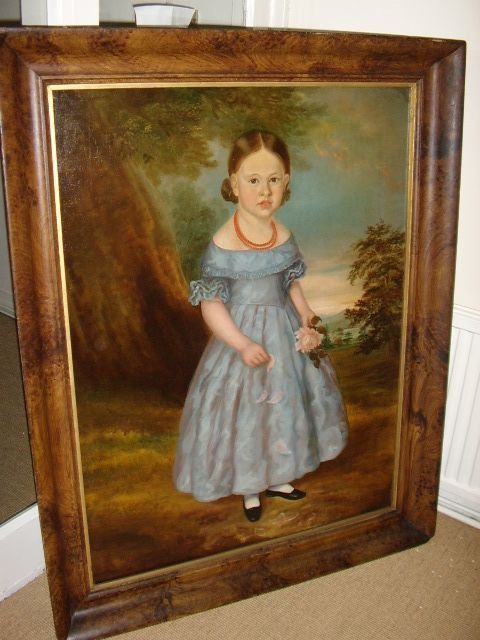
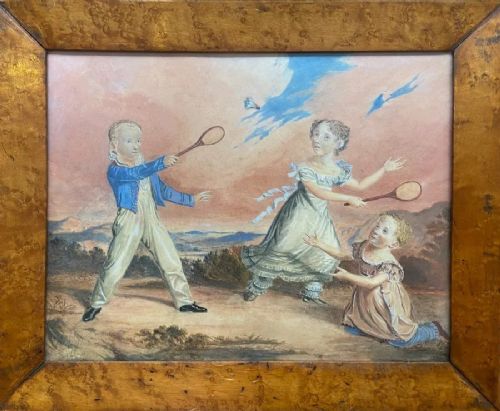
When you search for burr wood framed art, you are looking at wall art and works on paper encased in distinctive timber mouldings. The evidence here spans Georgian, Regency, Victorian, and later periods, capturing oil paintings, watercolours, maps, and engravings.
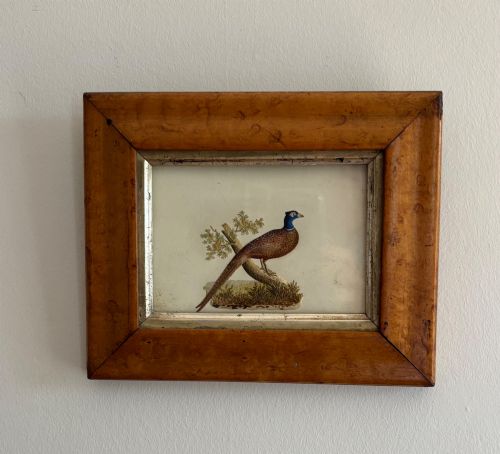
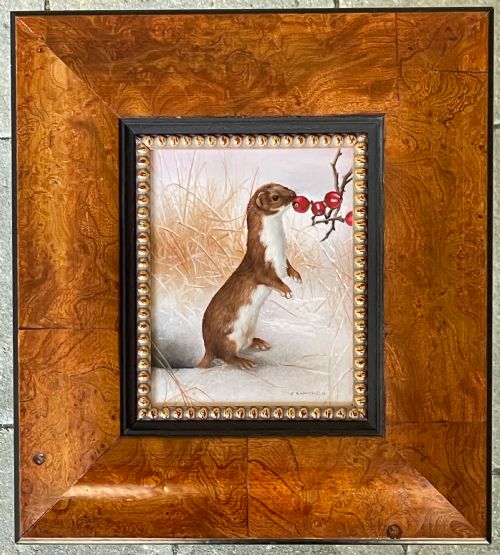
The framing timbers include burr walnut and burr maple alongside standard wood and timber supports. These surrounds complement artworks ranging from early landscape prints to botanical and animal studies.
You will find these pieces bridge functional interior timberwork and fine art. The combination of figured wood surrounds and historic imagery creates a distinct visual focal point for a room.
Materials and construction methods
Makers utilised figured timbers such as burr walnut and burr maple for frames, slicing the knotty growths of trees to reveal intricate swirling grain patterns. These wooden surrounds were polished to enhance the natural figuring of the material.
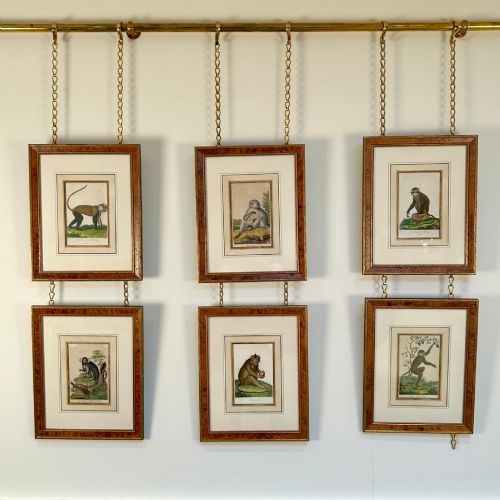
Artworks within these frames employ traditional media recorded in the evidence, including paper, glass, oil paint, and watercolour. Engravings and maps feature hand-coloured details applied over printed lines.
The inventory records oil paintings, portrait miniatures, framed cartography, and engravings.
Evaluating quality and execution
The distinction between tiers rests on the intensity of the timber grain and the precision of the frame joinery. Superior burr wood frames display deep, unbroken swirls of figure that demand careful hand-matching at the corners.
Artistic execution within the frame dictates overall merit, moving from standard decorative prints to accomplished oil paintings and detailed portrait miniatures by named artists.
Samuel Dixon·Carl Whitfield·C de Falens·Joseph Paul
The Burr Wood Framed Art Glossary
- Burr wood
- A growth on a tree where the grain has grown in a deformed, swirling manner. This timber produces highly decorative veneer patterns used in fine cabinetry and picture framing.
- Watercolour painting
- A medium where coloured pigments are suspended in a water-based solution on paper. These works require glass protection within their frames.
- Portrait miniature
- A small, highly detailed painting executed on vellum, card, or ivory, often housed in a compact frame. They gained popularity during the Georgian and Regency eras.
- Engraving
- A printmaking technique where an artist cuts an image into a metal plate with a burin. Ink is applied to the plate and transferred under pressure to paper.
Burr Wood Framed Art: Frequently Asked Questions
What periods do these pieces span?
The inventory covers items originating from the Georgian, Regency, and Victorian eras, extending through the 1920s and 1930s Art Deco period to the mid-twentieth century.
This broad chronological range means you encounter both hand-drawn cartography from the eighteenth century and modernist watercolours from later decades.
How should I hang these framed pieces?
Hang them on interior walls away from direct sunlight to protect the paper works and watercolours from fading. Ensure your fixings match the weight of the timber frames.
Keep them clear of moisture sources to preserve both the sensitive paper media and the polished wooden surrounds.
Are the frames original to the artwork?
Some pieces retain their period frames, such as burr maple surrounds housing nineteenth-century oil panels. Other items combine historic prints with complementary timber mouldings.
Examine the joinery and timber matching to understand the relationship between the frame and the artwork it encloses.
What types of imagery are included?
The selections feature oil paintings of animals and portraits, topographical maps, landscape engravings, and botanical watercolours. Military subjects and architectural studies also appear.
This variety reflects centuries of domestic and institutional art production across Britain and continental Europe.