




Signed Artist Drawing
A signed artist drawing captures a direct moment from a creator's hand, offering an intimate glimpse into their working process.
Signed Artist Drawing
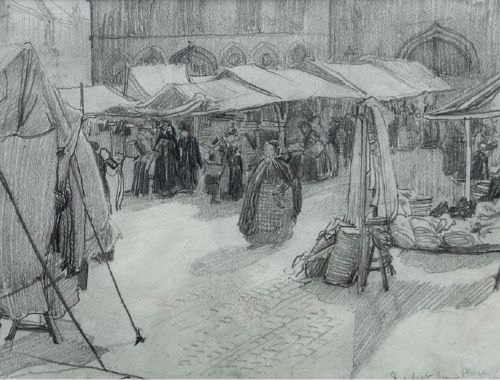
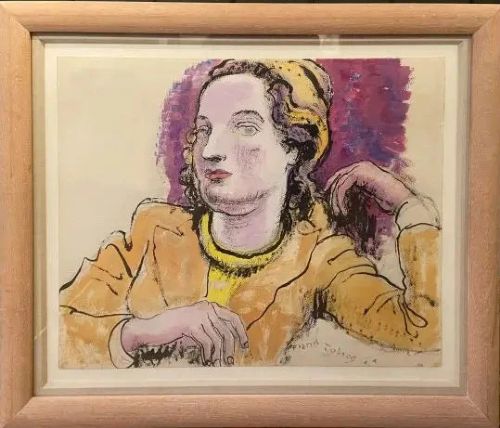
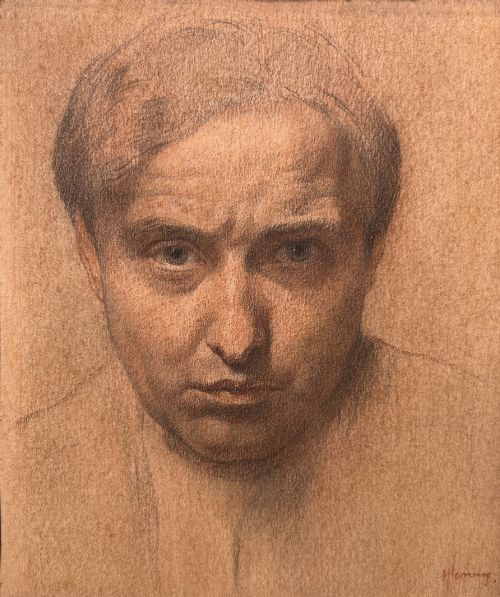
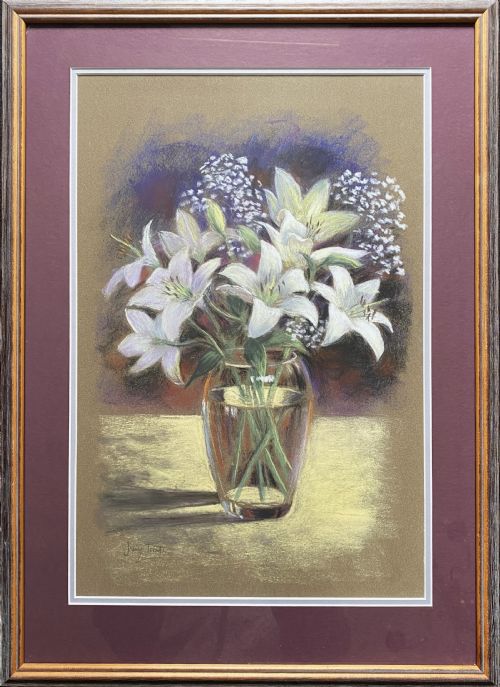
A signed artist drawing is a unique graphic work on paper, capturing portraiture, architecture, and still life across the nineteenth and twentieth centuries. These pieces encompass studies of figures, botanical subjects, and topographical scenes executed by named British and international hands.
The versions most frequently met on this page include framed portraits and architectural studies ranging from the Georgian period through to mid-century modern British art. Such works often bear the signature, monogram, or studio stamp of the draughtsman, connecting the viewer directly to the creator.
Framed original drawings and sketches utilise supports like paper housed behind glass, preserving delicate mediums from atmospheric damage. Buyers encounter works associated with notable institutions and galleries, alongside personal correspondence and typed letters accompanying the artwork.
What varies in quality
The strength of the draughtsmanship and the economy of line separate a routine exercise from a compelling portrait or study. Works that capture anatomical structure or architectural detail with confidence demonstrate the draughtsman's mastery over the medium.
The significance of the subject matter and the clarity of the signature or monogram influence the standing of the piece. Association with documented sitters, known architectural sites, or established artistic movements adds historical weight to the drawing.
One portrait comes complete with a typed letter on personal headed paper, proving artists loved stationery just as much as sketchbooks.
Frank Dobson·Dame Laura Knight·Sir Francis Leggatt Chantrey·Theobald Chartran·Francis Dodd·Juliet Pannett·Faeq Hassan
The Signed Artist Drawing Glossary
- Graphite
- A form of carbon used in pencils, leaving a grey metallic mark on paper. It allows for varied line weights from soft shading to sharp definition.
- Gouache
- An opaque water-based paint containing pigment, water, and a binding agent such as gum. It provides solid areas of colour that sit on top of the paper surface.
- Monogram
- A motif made by overlapping or combining two or more letters to form a single symbol. Artists frequently utilised these as alternative signatures on drawings.
- Pastel
- A powder pigment mixed with a binder and pressed into stick form. It produces velvety colours that require framing beneath glass to prevent smudging.
Signed Artist Drawing: Frequently Asked Questions
How do I identify a genuine signature?
Signatures on drawings are typically executed in pencil, ink, or graphite directly matching the medium of the surrounding work. Compare the handwriting against known examples from the same period.
Monograms and studio stamps also appear, providing corroborating evidence of the artist's hand when full signatures are absent.
Are these drawings always framed?
Many examples are preserved in period wooden frames behind glass to protect the paper from environmental degradation. Framing styles often reflect the era in which the artwork was created or subsequently exhibited.
Unframed sheets require careful handling and specialised conservation framing to maintain their condition.
What subjects are most common?
Portraits of notable figures, artists, and writers dominate the selection, alongside architectural studies and still life compositions. These subjects reflect the personal interests and professional commissions of the draughtsmen.
Figurative sketches and theatrical scenes also recur across the twentieth-century pieces.
How should I care for a drawing?
Keep works on paper away from direct sunlight to prevent the fading of graphite, ink, and pastel pigments. Maintaining stable humidity levels protects both the paper support and the wooden frame.
Avoid hanging pieces in damp environments such as kitchens or unheated spaces.